

Do we need an alarm if our suburb feels safe? Not every home needs the same security setup, and a postcode alone cannot answer the question. Assess the property, the times it is unattended and whether anyone would know about an unwanted entry. An alarm may fill a useful detection gap, but repairing a poor lock or improving a routine can be the better first step.
Feeling comfortable in your neighbourhood is a good thing. You do not need to replace that confidence with fear to make a sensible security decision. This guide helps you decide what would improve your particular home, what can wait and what an alarm would actually add.
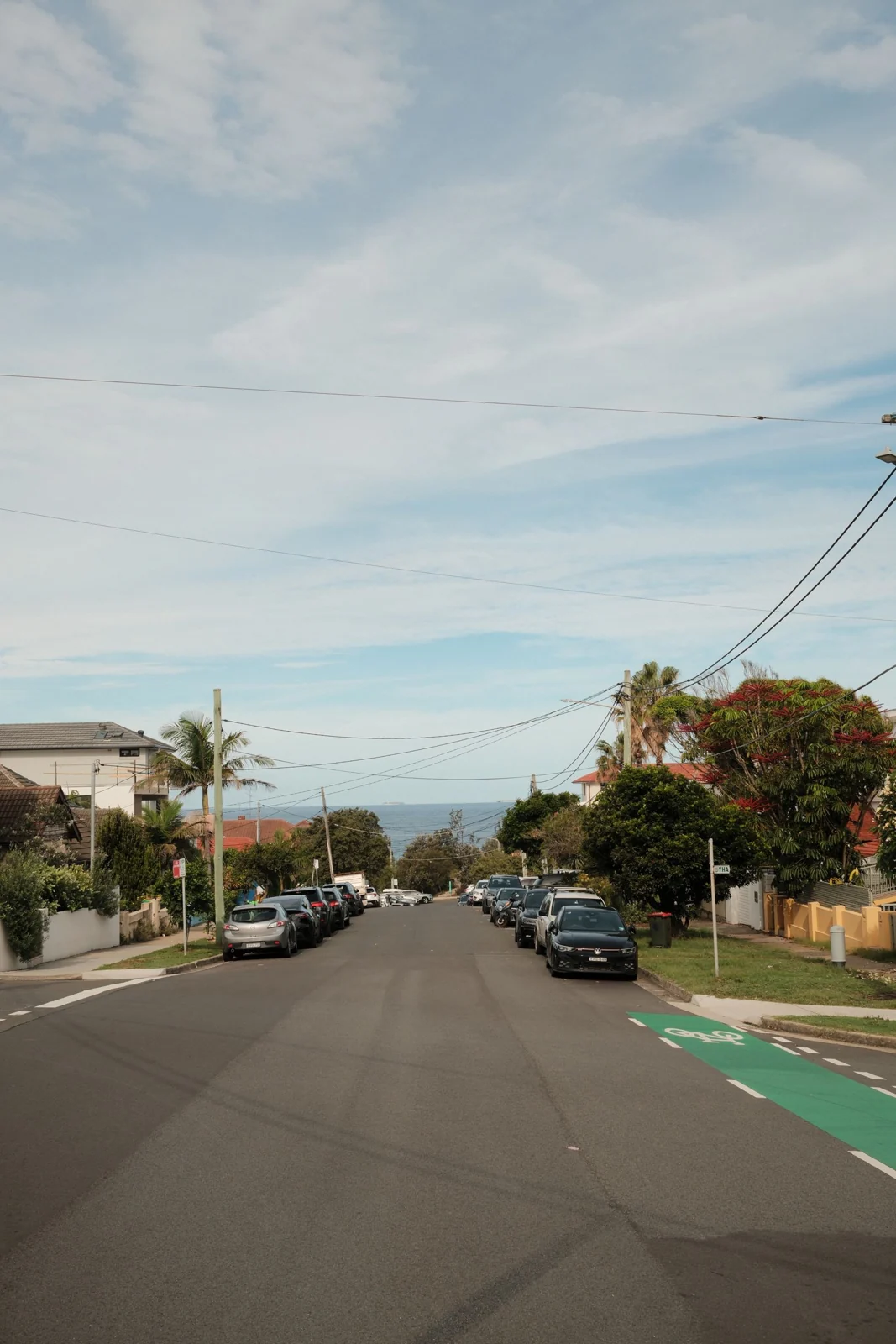
A safe reputation is context, not a property assessment
People describe a suburb as safe for many reasons: familiar neighbours, quiet streets, good lighting or years without a personal incident. Those observations matter to everyday life. They do not tell you whether a back door closes properly, a garage remains unlocked or an alarm sensor covers the route into your living area.
Homes in the same street can have very different exposure. One has a visible entrance and occupied rooms near the front. Another has a concealed side passage and a detached workspace that is empty for long periods. A third already has well-maintained locks and a working alarm. The useful question is what remains unaddressed at your address.
You can review local information without trying to calculate a personal prediction. Area crime counts and rates describe recorded events across places and periods. They do not establish whether your individual home will experience a burglary. Avoid turning one news story, a social media post or a suburb ranking into a reason to buy an expensive package immediately.
If you look at figures, compare the same offence type, area and time period. A total for all offences is a poor shortcut for a question about entry into a home. Acknowledge what the numbers cannot tell you and return to the things you can inspect and change on your own property.
Fix an obvious weakness
Start with a door, lock, window or routine that is not working properly.
Consider detection
An alarm may help where entry could otherwise go unnoticed and there is a workable response plan.
Keep a modest plan
If the basics are sound, choose proportionate improvements and review them when the household changes.
Do a calm walk-through of your home
Start in daylight with the doors and windows you normally use. Check whether they close and lock as intended. Include the door between an attached garage and the house, accessible side windows and any external storage. You are looking for maintenance or routine gaps, not trying to imitate an intruder or test a lock by force.
Then consider visibility. Does dense planting hide an entrance from your own view? Is a light no longer working? Are tools and other valuables left plainly visible from outside? These observations can suggest small practical changes before you consider electronics. Keep landscaping and lighting choices compatible with safety, privacy and how the household uses the space.
Victoria Police’s home burglary prevention guidance recommends layered measures, including securing doors and windows and considering suitable security devices. Use the guidance as a prompt for a walk-through rather than a requirement to purchase every device mentioned.
Make a short list with three columns: the concern, the existing protection and the remaining gap. For example, a side door may have a sound lock but no detection while the household is away. Another opening may simply need a repair. This separates a maintenance job from a reason to buy an alarm.
Look at the times when nobody would notice
The household schedule can matter more to your decision than the neighbourhood’s reputation. Think about workdays, school runs, holidays and time spent in the garden. Is a separate garage or front room left unattended? Would an event in that area be noticed, and how quickly could somebody safely respond?
Neighbours can be helpful without being your security service. They may be away, asleep or unable to see the relevant opening. Do not assume somebody will investigate a noise or watch your home whenever you leave. If a neighbour is part of your plan, agree on a limited, safe role and exchange contact details privately.
Night use is a separate scenario. A family may want selected doors or downstairs areas monitored while people sleep or move upstairs. That requires a design suited to the layout and occupants. It should not depend on everyone remembering an awkward series of bypasses each evening.
Also consider who needs to operate the system. A clear keypad routine may suit one resident better than a phone app. Another may need a simple authorised fob or tag. Ask the installer to demonstrate options with the actual users, especially if eyesight, hearing or dexterity makes small controls difficult.
What an alarm changes, and what it does not
An alarm can detect configured events at protected doors, windows or areas. Depending on the system, it can activate a siren, send a phone notification or report to a monitoring service. It offers a way for an event to be noticed; it does not make a weak door stronger or guarantee that entry will be prevented.
Coverage matters. A motion detector in one room does not automatically detect activity in every room, and an unarmed zone may not raise the event you expect. Ask for an explanation using your floor plan. You should understand what is covered while you are away and what changes in the night setting.
Remote alerts also have dependencies. The system needs the configured communication path, and the recipient needs a working phone and suitable notification settings. Backup arrangements vary. Ask what happens during a blackout or internet failure for the exact equipment being proposed, rather than accepting an unqualified promise that it always works.
If those functions match your needs, SIPKO’s wireless alarm installation information can help you start a property-specific discussion. Request a design based on the areas and routines you identified, rather than choosing by the largest number of devices.
When the basics deserve your budget first
If a door fails to latch or an accessible window cannot be secured, address the physical problem before treating an alarm as the solution. Similarly, a habit of leaving the garage open needs attention even if a camera records the driveway. Detection and recording can add value, but they do not replace an effective closing and locking routine.
Some households already have equipment that they stopped using because a code was forgotten, a fault appeared or the controls became confusing. A service visit may reveal a useful route back to reliable operation. Do not assume an unused keypad means the entire system must be discarded.
Other homes have no clear detection gap after a practical review. You may reasonably choose to improve locks or lighting, maintain existing equipment and revisit the alarm decision later. A responsible assessment should be able to explain that outcome without turning a cautious homeowner into an urgent sales opportunity.
Set a review trigger instead of worrying continuously. Reassess after moving, a building alteration, a change in occupancy, a long absence or a fault in existing equipment. These events change how the property is used and can justify a fresh look even if your opinion of the suburb remains positive.
Decide who would act on an alert
An alert is useful only within a response plan. If you self-monitor, think about work meetings, sleep, driving and poor mobile reception. Name a second authorised contact if appropriate and agree what each person should do. Nobody should feel obliged to enter a property where an intruder may be present.
If you want a professional service, ask about its actual response procedure, contact list and fees. Monitoring and attendance are different arrangements. Do not assume every alarm signal automatically sends police or a guard. SIPKO’s monitoring service information can help you identify the questions to ask before choosing a plan.
Test the agreed path during commissioning. The household should see the expected event, identify its location and know who receives it. Where monitoring is active, arrange any test with the provider first. This checks the practical chain from detection to notification rather than relying on a reassuring symbol in an app.
Keep the decision proportionate
Write down one or two outcomes that would justify the purchase. Examples include knowing when a protected garage opens overnight, or detecting entry while the home is unattended. Ask a provider to price the smallest complete design that meets those outcomes, including installation, training and any ongoing services.
Avoid buying a bundle simply because it is described as comprehensive. Ask which part addresses each concern and what limitation remains. More detectors can be useful, but unnecessary devices can also mean more batteries, more notifications and more controls to maintain. A manageable system is easier to keep in everyday use.
If the proposal includes cameras, separate their purpose from the alarm. A camera may help you review what happened or assess an alert; some cameras also offer configured event notifications. Neither role should be assumed from the fact that a lens is visible outside the house. Ask to see the required function demonstrated.
For households with an existing system, keep maintenance on the decision list. A small ongoing task, such as resolving a warning or updating authorised contacts, may deliver more value than another device. The aim is a dependable routine with known limits, not a home that looks like a showroom.
A simple decision checklist
- Are the doors, locks and accessible windows in sound condition?
- Which areas are unattended, and when?
- What event would we want to know about?
- Would the proposed system detect that event in our normal armed modes?
- Who would receive and act on it safely?
- Can every regular user operate the controls?
- What happens if power or internet is unavailable?
- Does the cost include installation, handover and ongoing services?
FAQ
Do we need an alarm just because a neighbour bought one?
No. Their property, routine and priorities may differ. Use it as a reason to review your own arrangements if helpful, but base your decision on an actual gap at your home rather than somebody else’s purchase.
Does a low crime rate mean an alarm is unnecessary?
It does not settle the decision either way. Area figures cannot describe every property’s condition or predict an individual event. Assess your entry points, unattended areas and response options alongside the wider local context.
Can an alarm guarantee that burglars stay away?
No. An alarm detects specified events and can support a response. It cannot guarantee prevention or immediate attendance. Sound physical security, daily routines and a realistic response plan remain important.
What if we are usually at home?
Consider night use, short absences and areas you cannot easily notice from where you spend time. A suitable partial-arming arrangement may be useful, but its value depends on the layout and household routine. Being home does not mean every area is observed continuously.
Can we start small and review later?
Yes. Address an identified priority with a complete, usable first stage. Confirm any future expansion requirements before buying, and review the plan when the property or household changes. Starting small should still include proper setup and testing.
Make a decision you can explain without fear
You can like your neighbourhood and still check your home’s security. Equally, a review does not oblige you to buy an alarm. The useful outcome is knowing which basics are sound, where detection would help and how a response would work.
SIPKO can assess those questions for a Melbourne home and explain a proportionate next step. Bring your short list of concerns and existing equipment details so the discussion focuses on practical value rather than a suburb’s reputation.



