
Security Camera Installation in Moorabbin for a Suburb Split Down the Middle
Moorabbin doesn't read as one suburb so much as two working halves that happen to share a postcode. West of Chesterville Road, streets settle into the kind of post-war brick veneer housing that could belong to any established Kingston suburb — quiet, largely unchanged since the 1960s. Head east toward Warrigal Road and the same suburb turns into loading docks, factory frontages and warehouse fencing. For a homeowner near that boundary, security camera installation in Moorabbin isn't really about picking a generic system — it's about covering a property that sits closer to a working industrial precinct than to anything resembling a typical suburban street.
Closer to Moorabbin station and the Nepean Highway strip, the picture shifts again. Villa units and townhouses built since the early 2000s sit alongside older freestanding homes, often sharing a driveway or a common access path rather than a single front gate. A camera plan that works for a 1960s brick veneer house a few streets back rarely transfers directly to a compact unit block near the station, where shared access points and tighter site lines change what actually needs covering.
SIPKO Security provides security camera installation in Moorabbin with systems planned around whichever version of the suburb a property actually sits in — a settled residential street, a block near the industrial precinct, or a newer unit development near the station — rather than a single layout applied everywhere.

CCTV Installation in Moorabbin
A common assumption behind residential CCTV planning is that a property sits inside a fairly uniform street — same housing stock, same rhythm, roughly the same reasons to expect activity or none. Moorabbin doesn't really offer that starting point. The suburb's eastern side has been an industrial precinct since the 1960s, home to long-running manufacturing and distribution operations, while the western and central streets remained residential across the same decades. A CCTV installation in Moorabbin usually needs to start by asking which side of that line a specific property is actually on, because the answer changes what a camera is realistically expected to pick up.
For most of Moorabbin's post-war brick veneer homes — the three-bedroom houses built through the 1940s to 1970s that make up the bulk of the residential core — home security camera installation in Moorabbin follows a fairly familiar pattern: a driveway, a front door, sometimes a side gate or rear access. These streets settle into a predictable evening rhythm, and coverage is usually built around confirming who's actually at the door rather than monitoring constant movement.
Properties on streets closest to the industrial precinct, roughly east of Chesterville Road, face a different set of conditions. Truck movement, shift changes and site lighting from neighbouring warehouses and factories run on a schedule that has little to do with a household's own routine, and a camera covering a side or rear boundary here is working against a backdrop of activity that never fully quiets down. Placement and exposure settings that work well on a residential street further west often need adjusting for a property that effectively sits next to a working industrial zone rather than another home.
Closer to Moorabbin station, villa units and townhouses built since the early 2000s introduce a third variation. Shared driveways, common access paths and tighter site lines mean coverage is often planned around a single front door and a shared approach rather than a full perimeter, since neighbouring units and body corporate arrangements can limit what falls under one resident's own camera system.
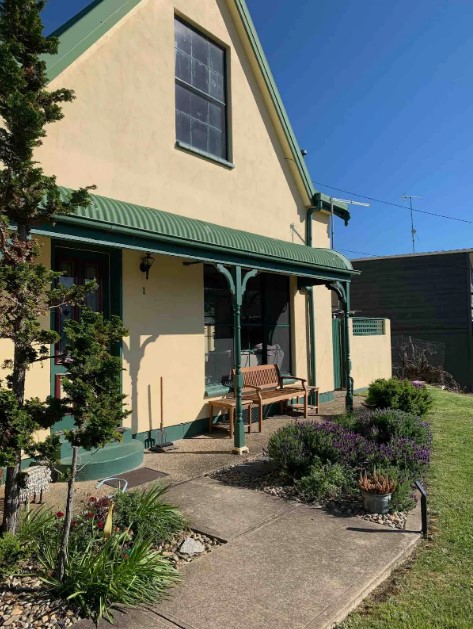
Security Camera Systems & CCTV Solutions for Moorabbin Properties
Security camera system installation in Moorabbin is shaped less by personal preference than by which side of the suburb a property is actually on. A brick veneer home a few streets back from Chesterville Road has very different practical needs to a property closer to the industrial precinct, even though both fall within the same postcode and the same short walk to Moorabbin station.
What most properties share is a preference for footage that's easy to check without needing to be on site — useful for anyone managing a rental, running a business nearby, or simply wanting a quick way to confirm who's been at the door, regardless of which half of Moorabbin the property sits in.
- Driveway and front door coverage for standard brick veneer homes.
- Side and rear boundary coverage for properties near the industrial precinct.
- Shared entry coverage for villa units and townhouses near the station.
- Remote-viewing setups for owners managing rental or investment properties.
Coverage for Moorabbin's established brick veneer homes usually follows a familiar residential pattern — driveway, front door and side access — planned around a street that keeps a fairly settled, predictable rhythm through the week.
Properties nearer the industrial precinct or the villa unit developments close to Moorabbin station call for different planning: exterior-facing cameras adjusted for round-the-clock site activity on one side of the suburb, or shared-entry coverage adapted to a compact unit block on the other.
What We Protect in Moorabbin
The bulk of Moorabbin's housing sits in the residential core between the railway line and Chesterville Road — three-bedroom brick veneer homes built from the 1940s through the 1970s, on streets that have changed relatively little since. Coverage here follows a standard residential approach: driveway, front door and side access, built around a street where the biggest daily variable is simply who's stopping by.
East of Chesterville Road, Moorabbin's residential streets run up against a working industrial precinct that's operated continuously since the 1960s — warehouses, distribution sites and manufacturing operations with their own hours and their own traffic. A home on one of these streets isn't bordered by another front yard the way a house further west is; it's bordered by a site that keeps working long after the street around it has gone quiet, which changes what a rear or side boundary camera actually needs to account for.
Since the early 2000s, villa units and townhouses have filled in blocks close to Moorabbin station and the Nepean Highway strip, sitting alongside the suburb's older freestanding homes. These properties often share a driveway or an access path with one or two neighbouring units, which means coverage is usually built around a single front door and a shared approach point rather than a full standalone perimeter.
CCTV Systems We Install and Support
Choosing a CCTV platform in Moorabbin usually comes down to which side of the suburb a property sits on — a settled residential street in the core, a block closer to the industrial precinct, or a newer villa unit near the station. Our security camera installers in Moorabbin work across all three, recommending platforms that stay simple to check remotely no matter which part of the suburb they're covering.
A question that comes up naturally once camera coverage is settled is what happens if someone tries a door, gate or fence line that isn't theirs to try — particularly for properties closer to Moorabbin's industrial precinct, where a level of after-hours activity next door is normal and an actual attempt at a home's own boundary is a different matter entirely.
Cameras provide the record. Alarms provide the moment of awareness. Our cctv installers in Moorabbin often combine the two so an alert at a side gate or rear boundary can be verified immediately using footage, rather than noticed the next morning.
This pairing tends to matter most for homes and units where an owner isn't on site to notice a change themselves — whether that's a rental property, a home on the industrial edge of the suburb, or a unit managed at a distance.
Moorabbin clients tend to reach out for fairly specific reasons — a side boundary near the industrial precinct, or a shared entry on a villa unit close to the station. It's rarely a generic request for "a camera system."
The reviews below reflect installations across both ends of that spectrum, from residential-core brick veneer homes to properties on Moorabbin's industrial edge.




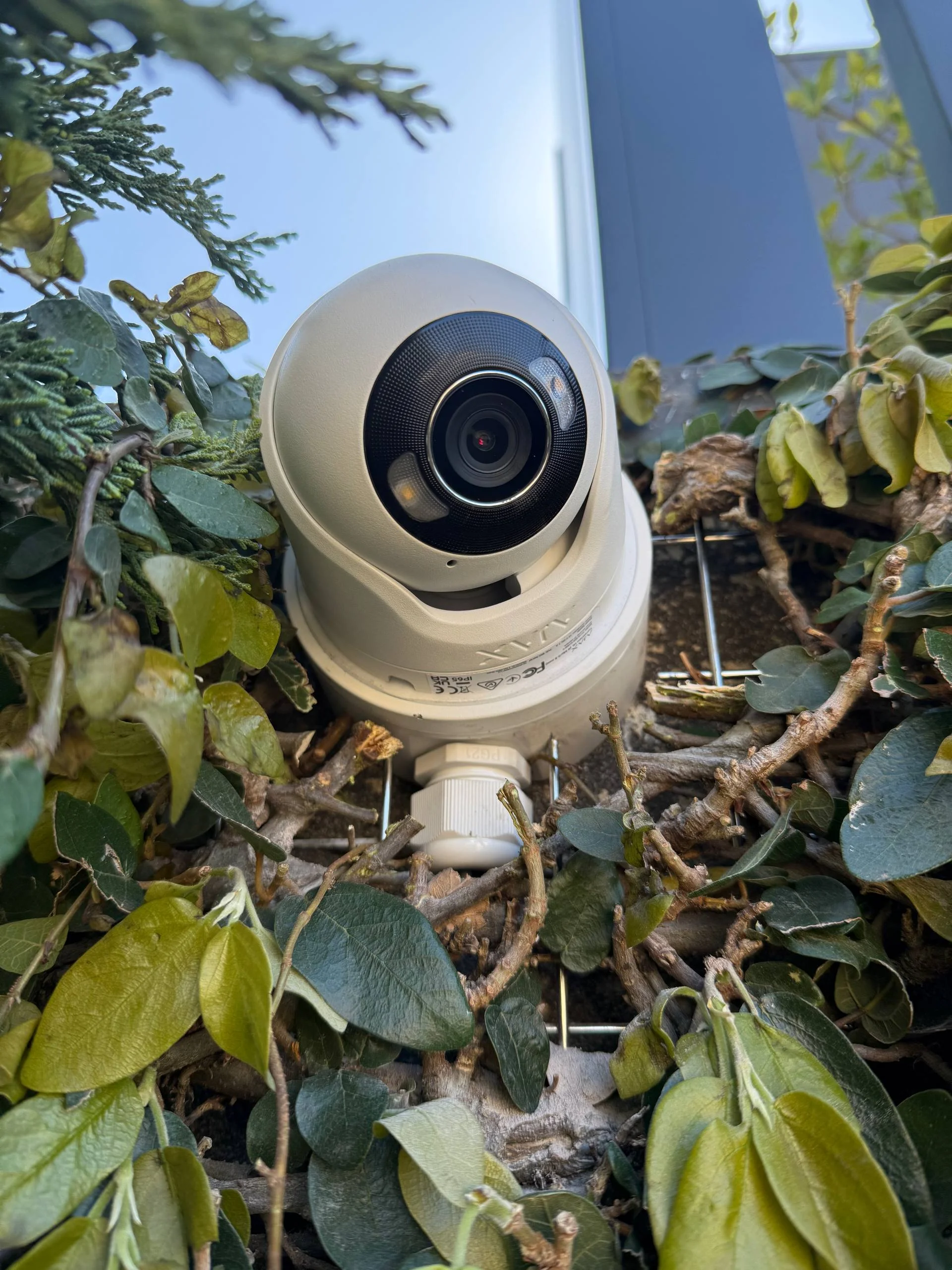
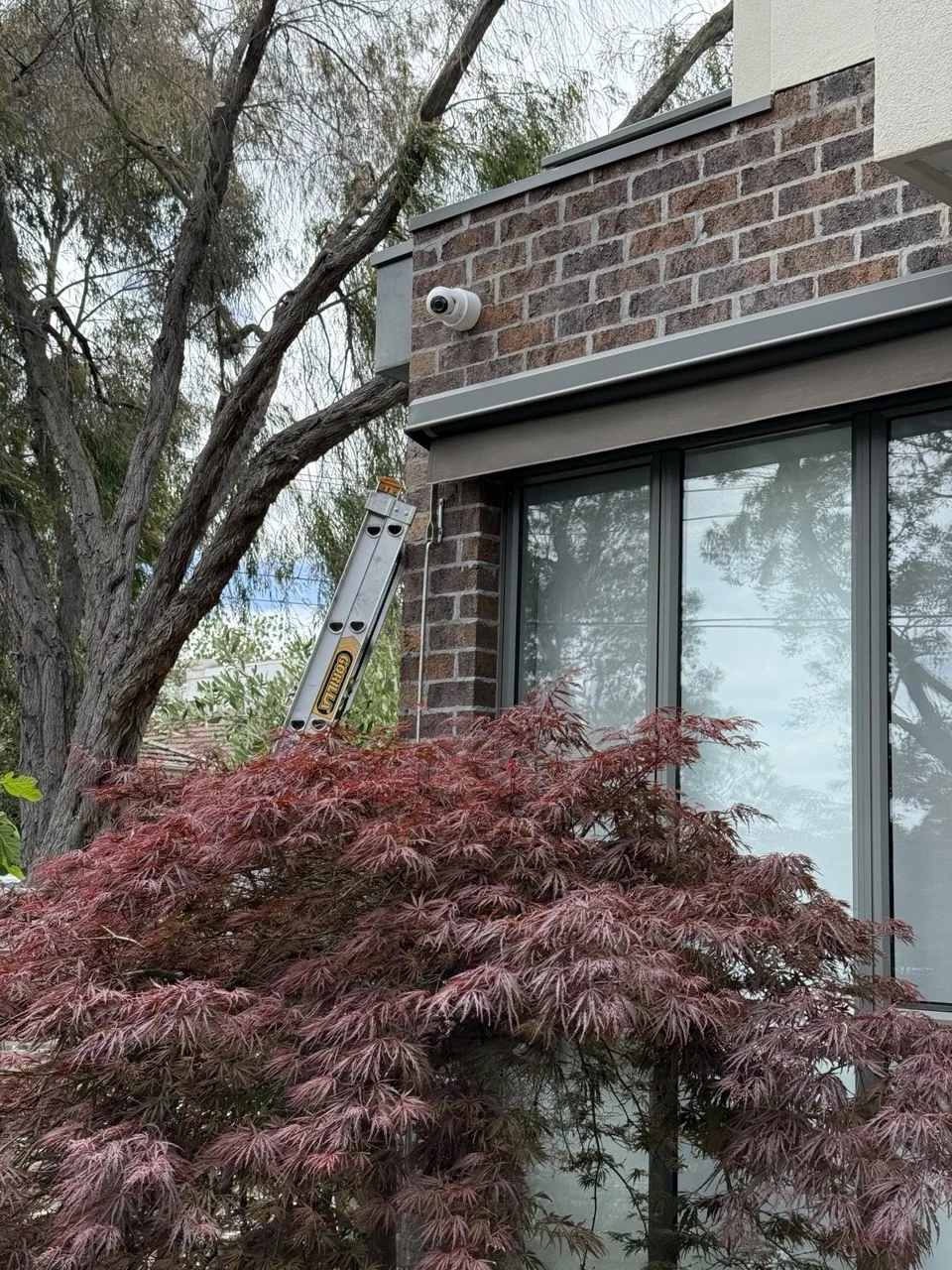
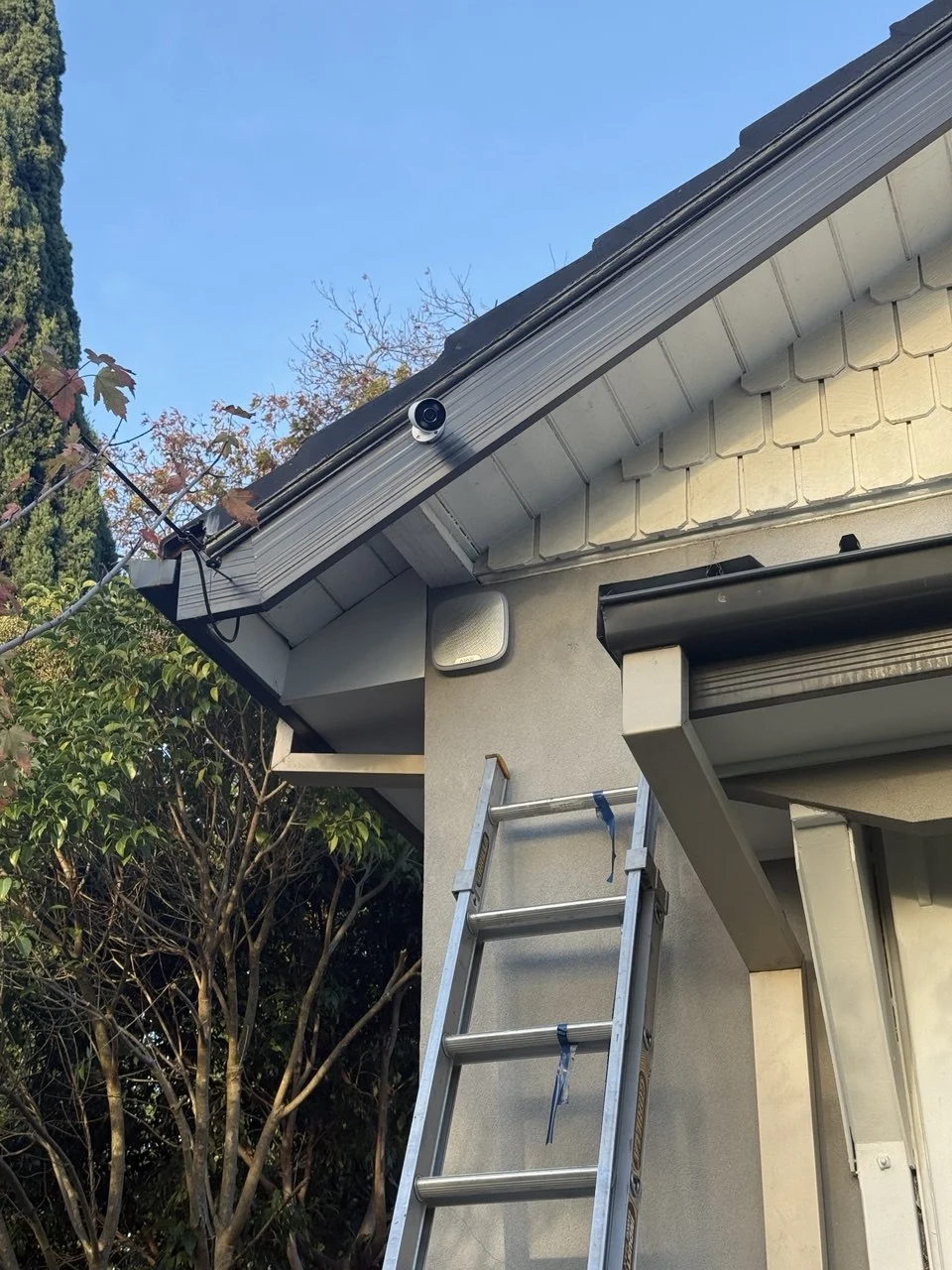
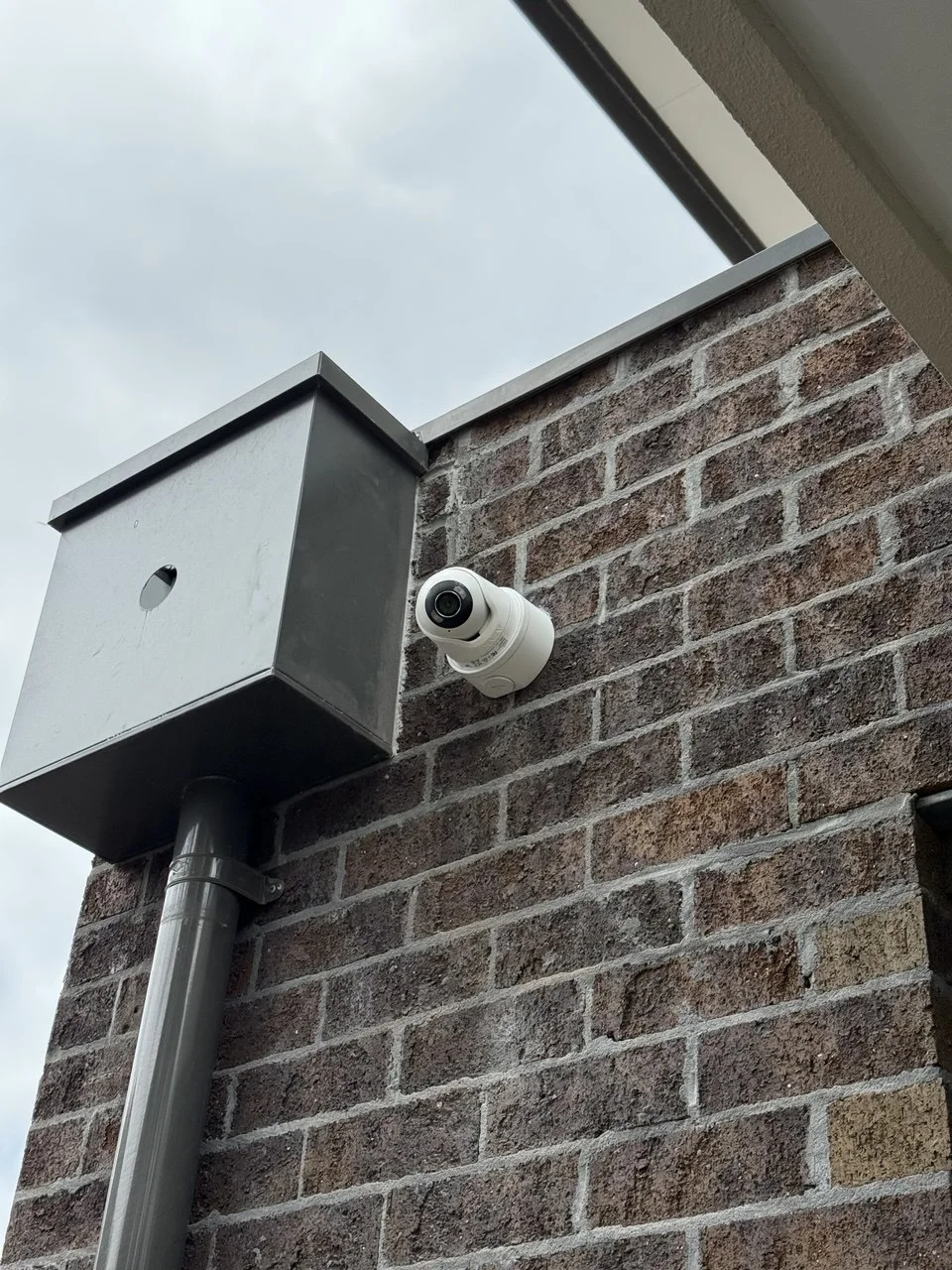
Comparing two Moorabbin properties on the same postcode can mean comparing a brick veneer driveway in the residential core with a rear boundary fence backing onto a warehouse — which is part of why CCTV planning here rarely follows a single template.
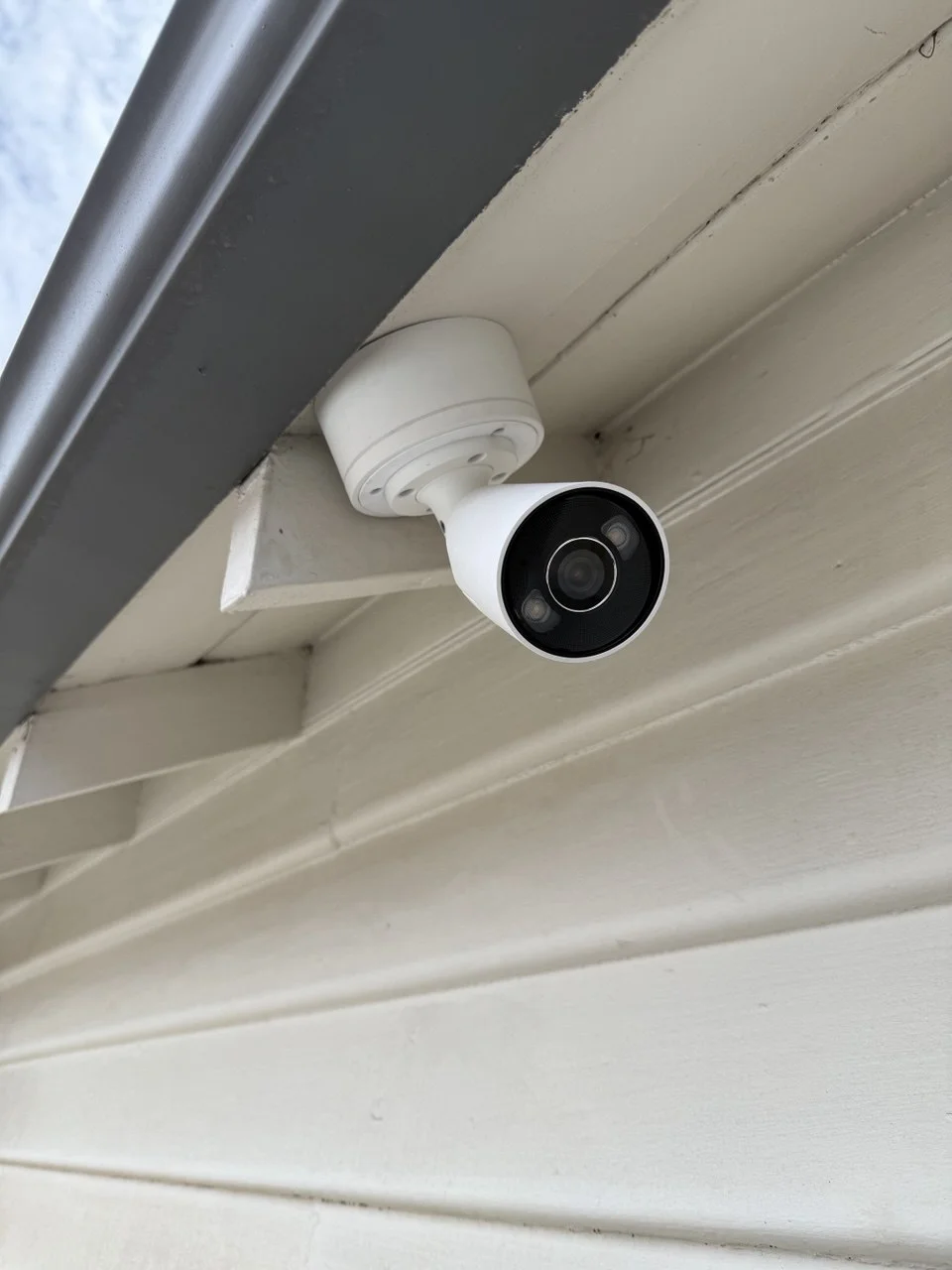
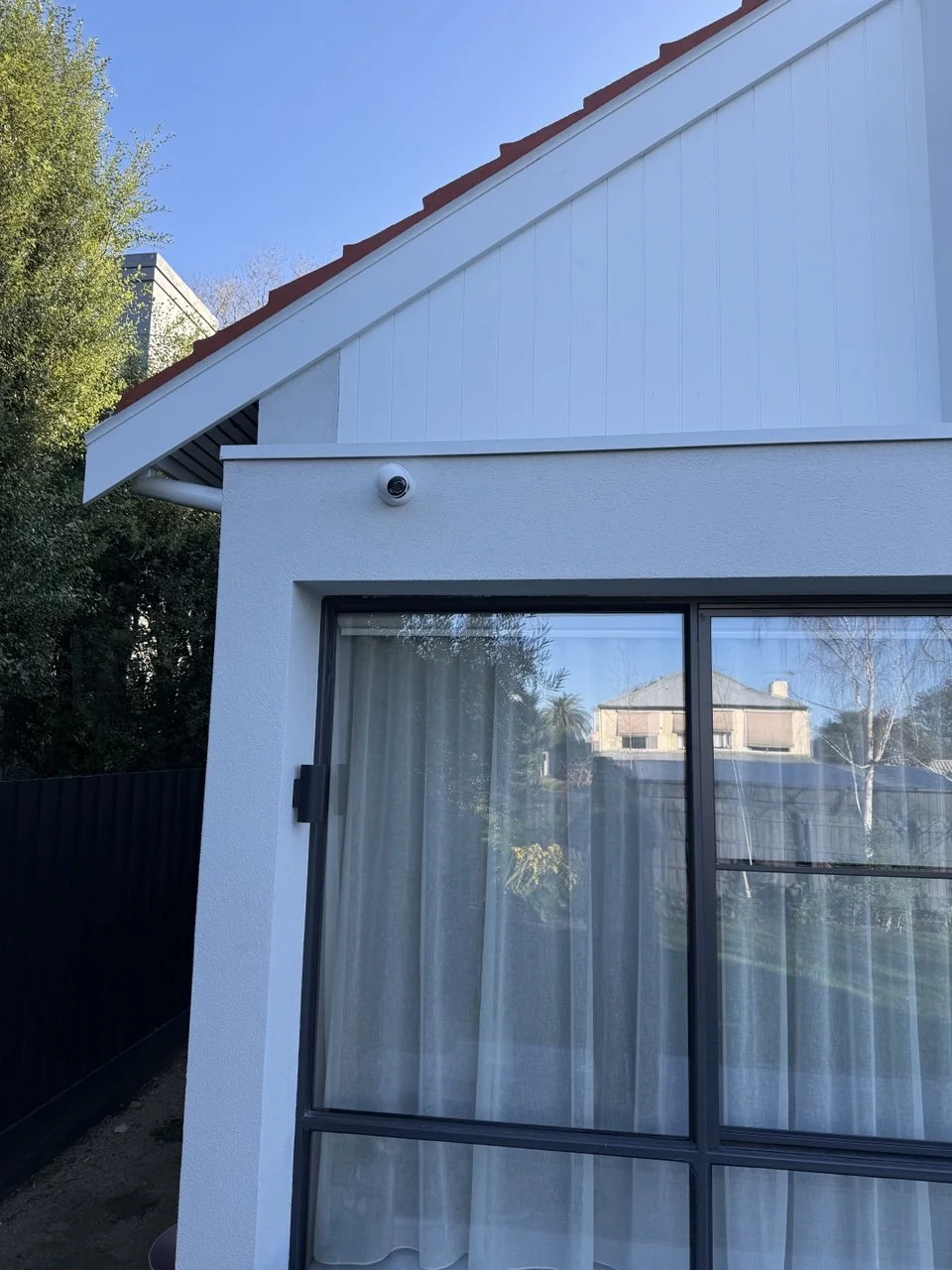
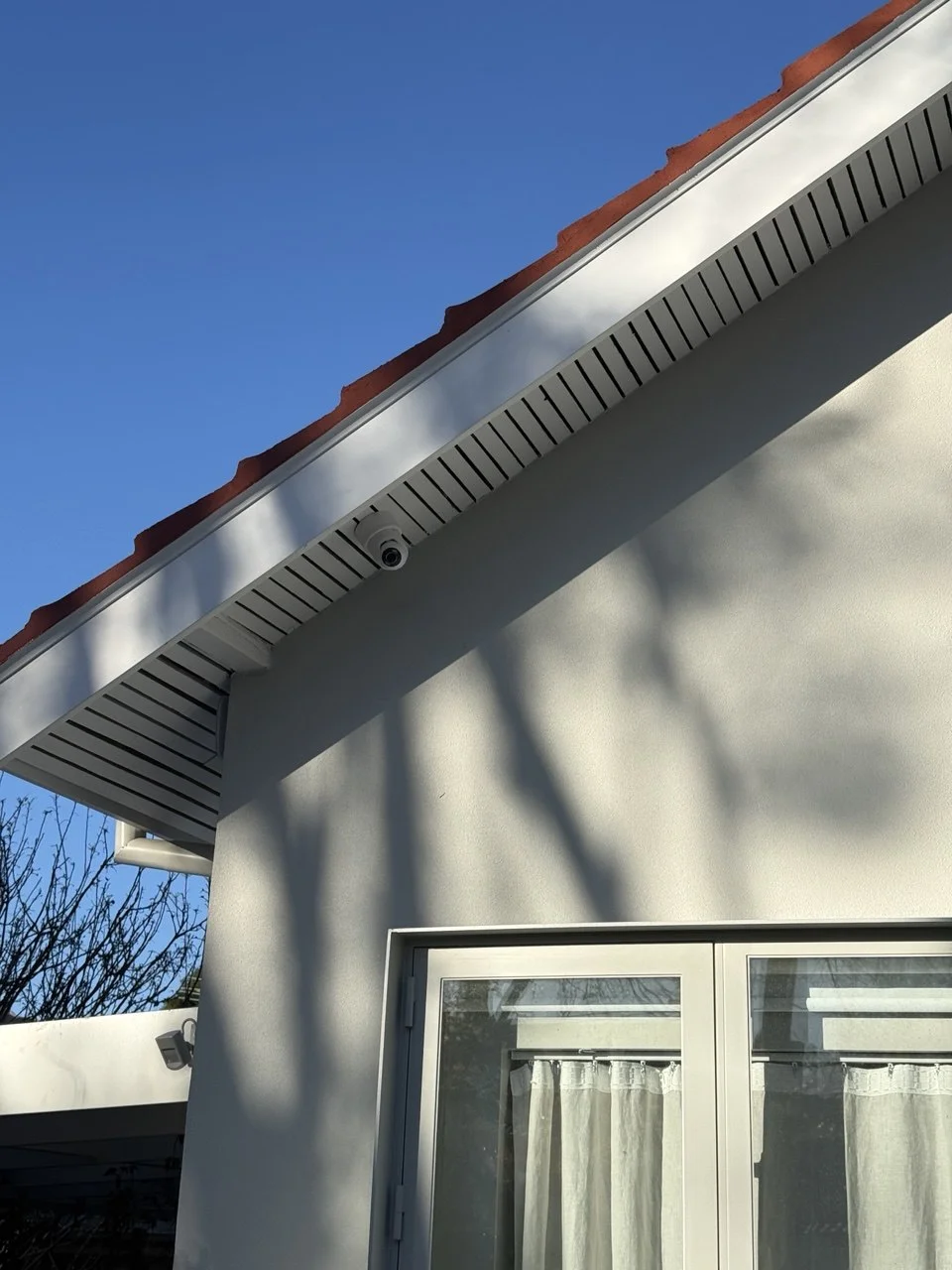
Areas We Service Around Moorabbin
SIPKO Security provides CCTV and security camera installation across Moorabbin and neighbouring Kingston suburbs, where residential streets, industrial precincts and station-close unit developments often call for different approaches to camera planning.
Frequently Asked Questions
Common questions about security camera installation, CCTV system costs, camera placement and alarm integration for Moorabbin properties.
How much does security camera installation cost in Moorabbin?
What affects the cost of CCTV installation in Moorabbin?
How many cameras do most Moorabbin properties need?
Can CCTV cover a property near Moorabbin's industrial precinct?
Does CCTV planning differ for villa units and townhouses near Moorabbin station?
Is Moorabbin the same as Moorabbin Airport?
Can CCTV be integrated with alarm systems?
A typical Moorabbin property depends entirely on which half of the suburb it's actually in.
For some owners, that means a settled brick veneer street in the residential core, largely unchanged since the 1960s. For others, it's a rear boundary backing onto a working industrial precinct, or a shared entry on a villa unit close to the station. The right camera setup depends entirely on which of these a specific property actually is.
If you're considering security camera installation in Moorabbin, SIPKO Security can assess the property — whether that's a residential-core home, an industrial-edge boundary, or a station-close unit — and recommend coverage that actually fits how that part of the suburb works.