+61 406 432 691
Mon–Sat 8am–6pm
Licensed & Insured
Free Onsite Quote
Melbourne & Mornington Peninsula
Port Melbourne 3207

Security Camera Installation & CCTV Servicing in Port Melbourne

Port Melbourne combines waterfront apartments, busy retail strips, and industrial hubs, each with its own security challenges. Our team delivers tailored CCTV solutions that handle coastal conditions, protect entry points, and give you reliable coverage day and night.

From Bay Street and Beach Street to Station Pier and Fishermans Bend, we’ve helped property owners secure apartments, shopfronts, warehouses, and offices. Each installation is designed with the area’s unique environment in mind, ensuring lasting performance.

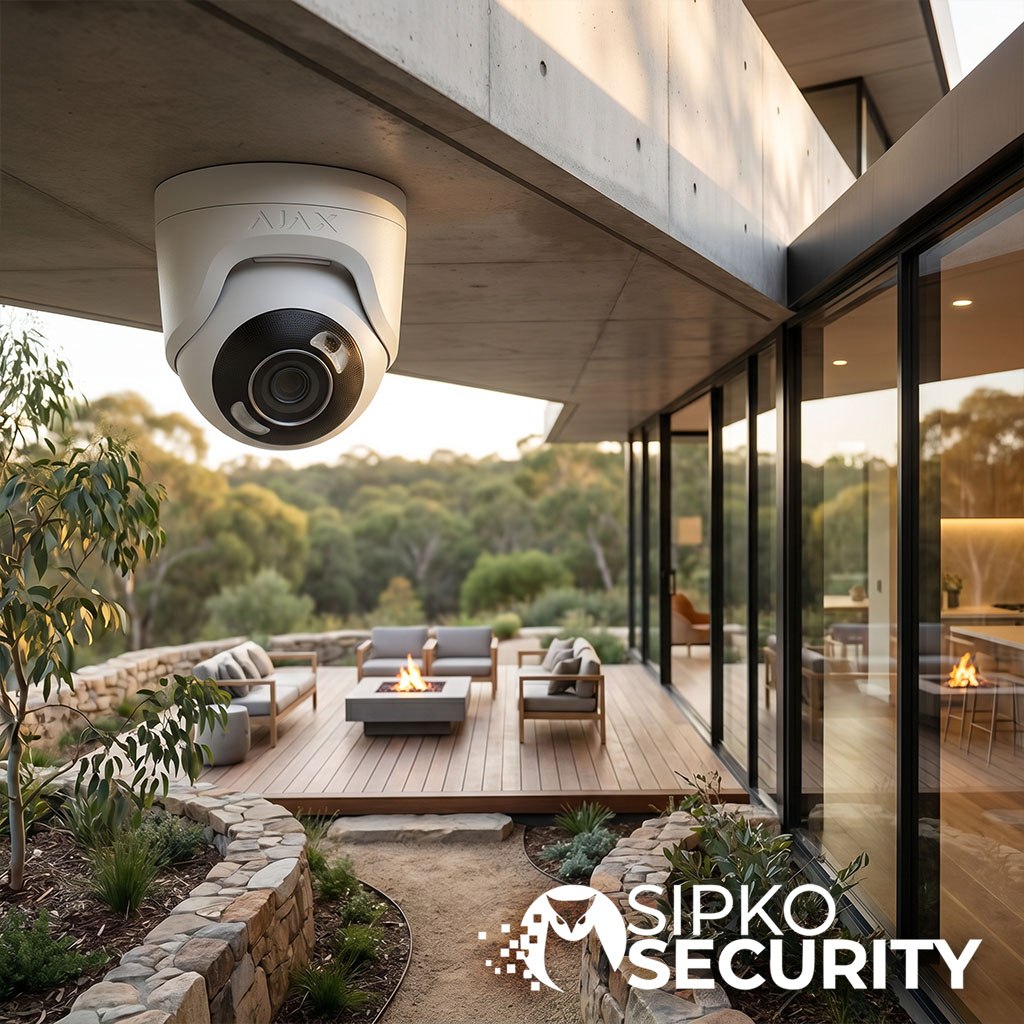
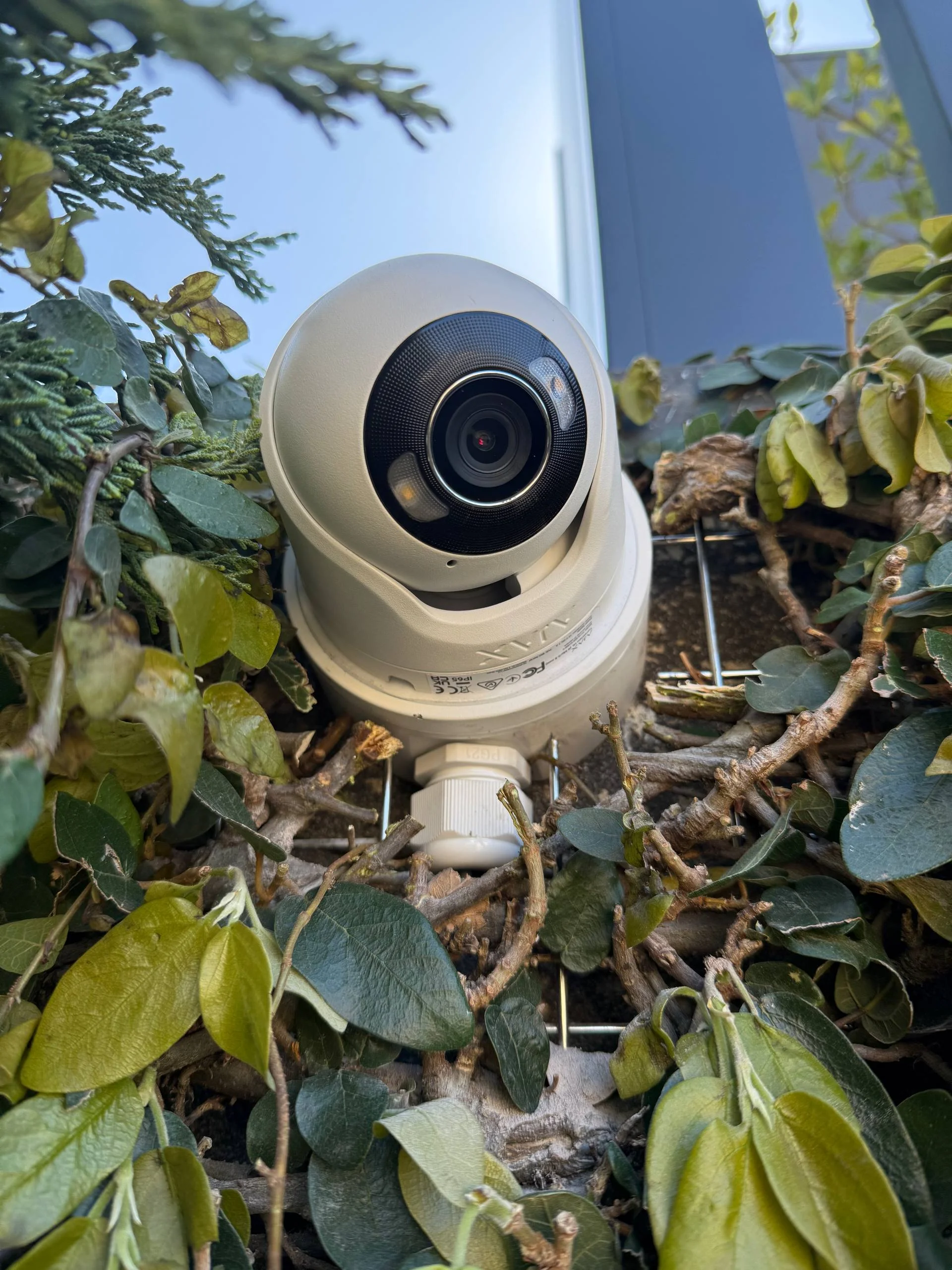
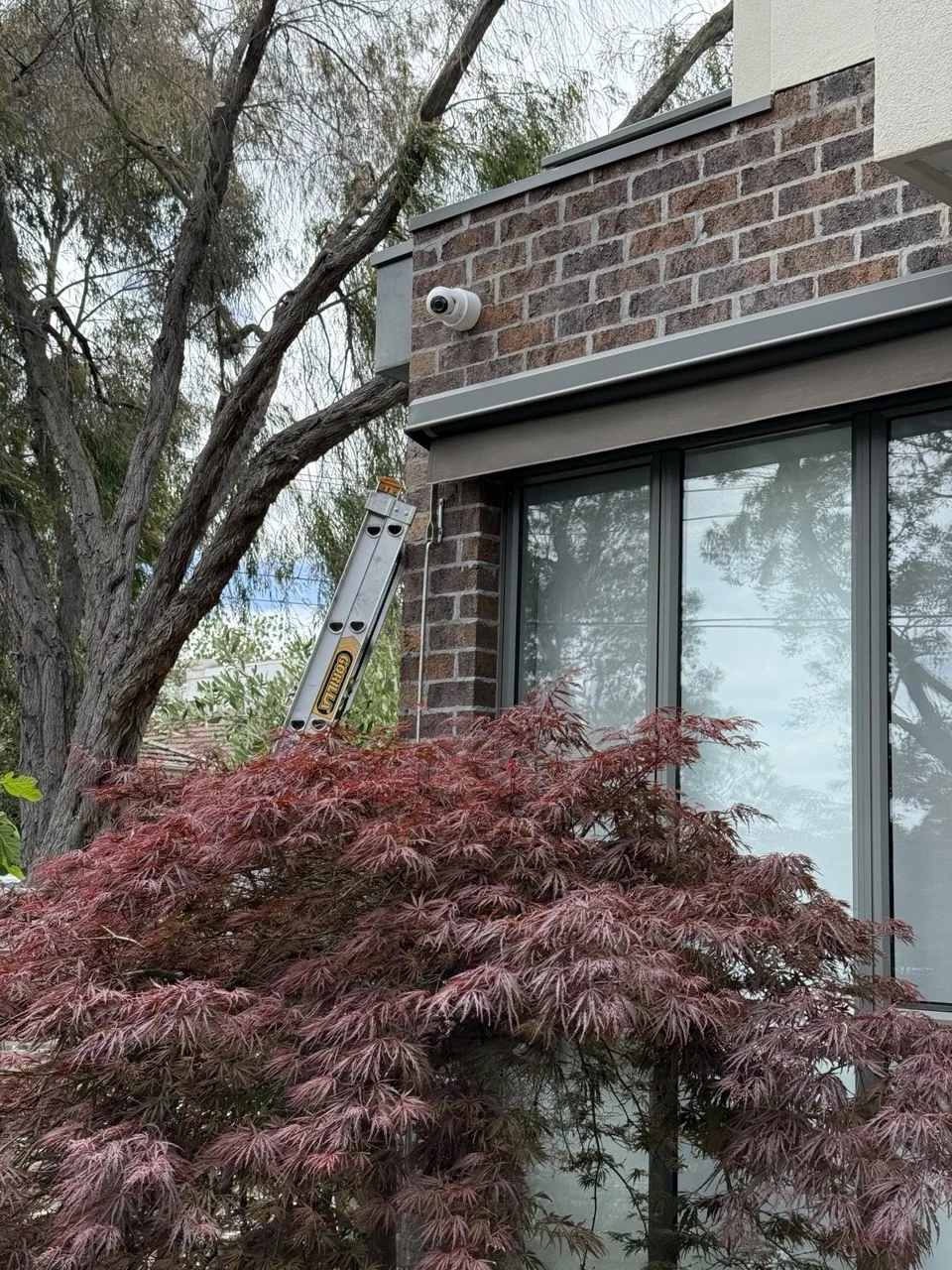
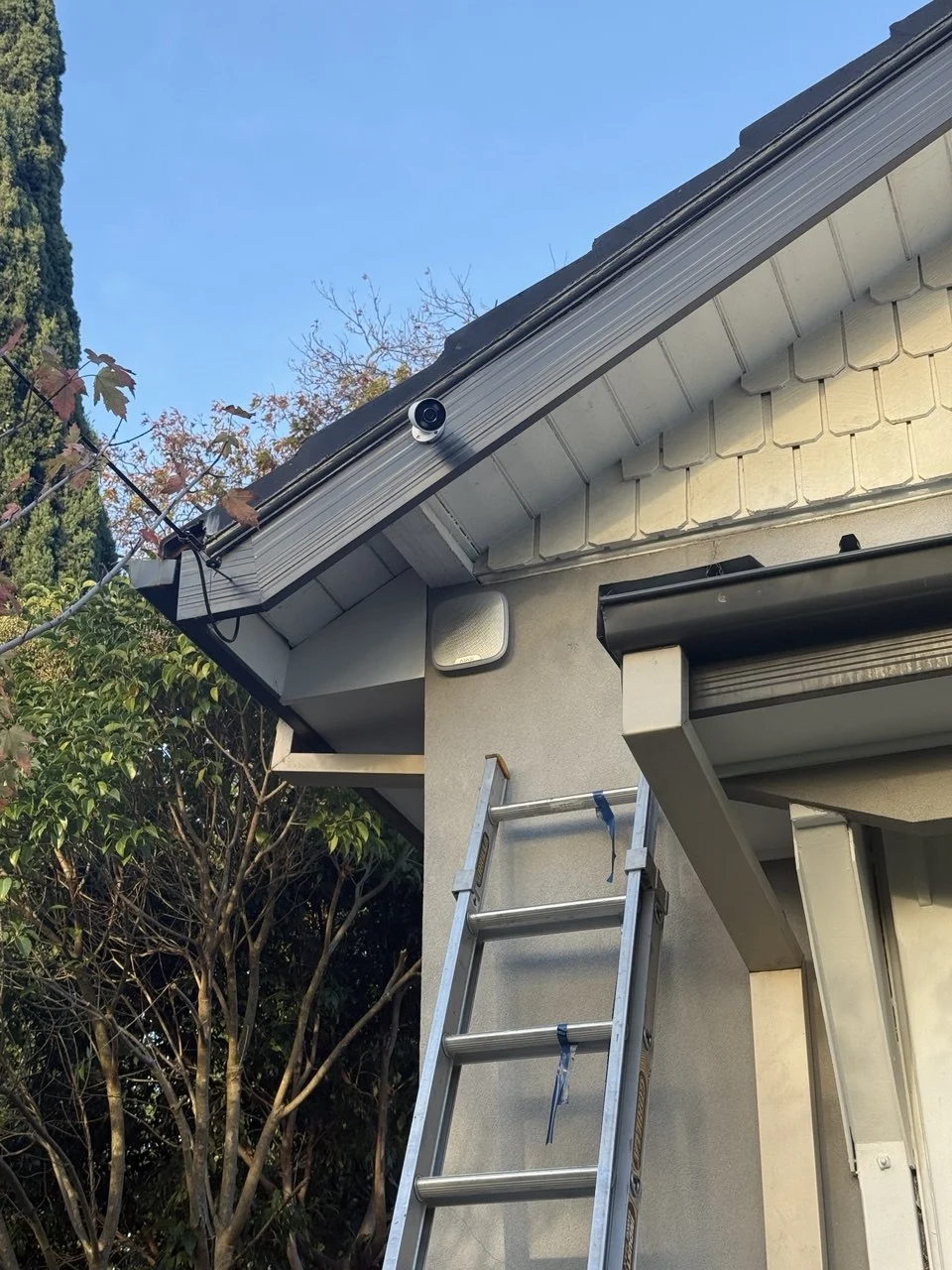
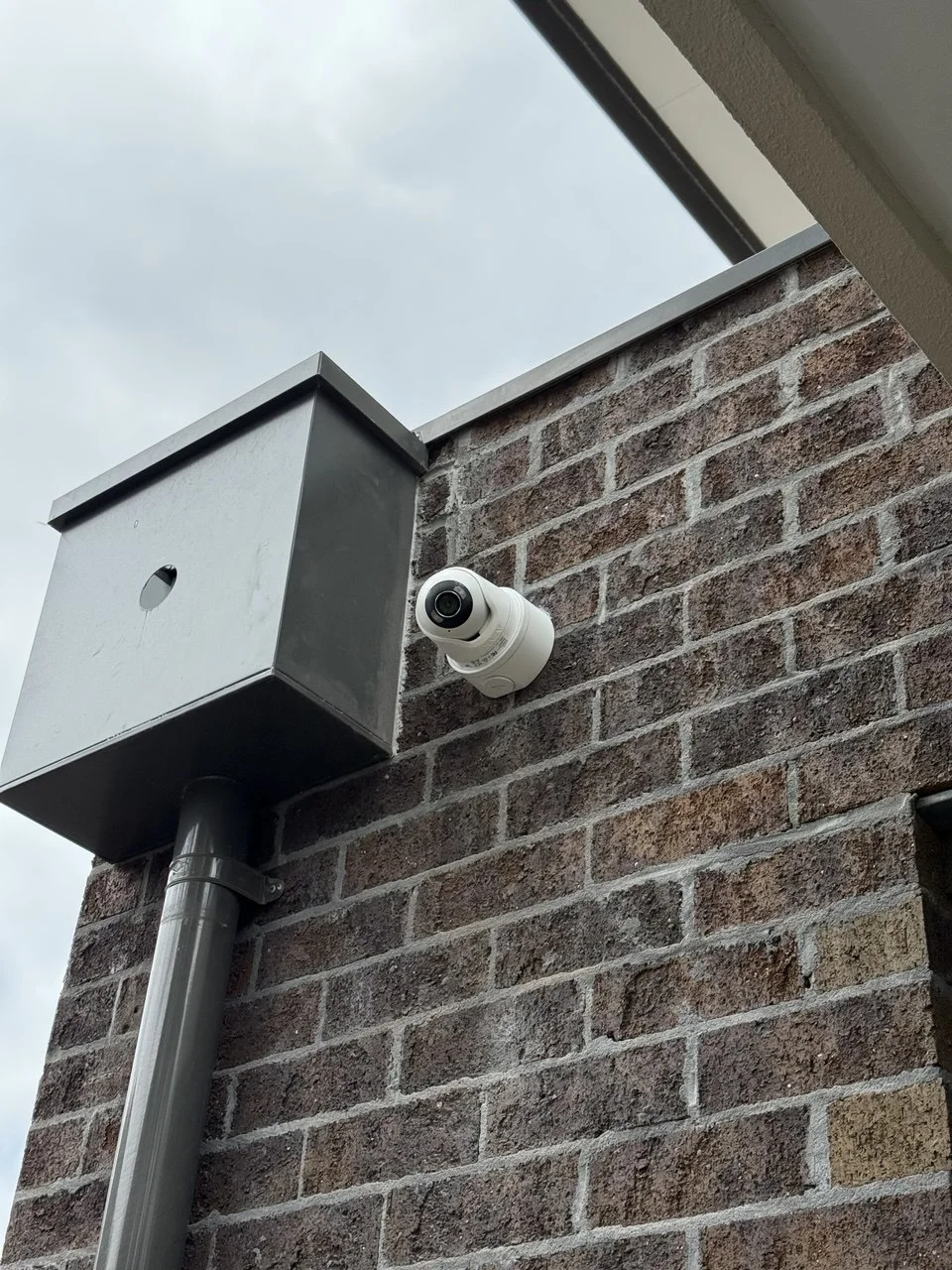
Discreet Camera Placement

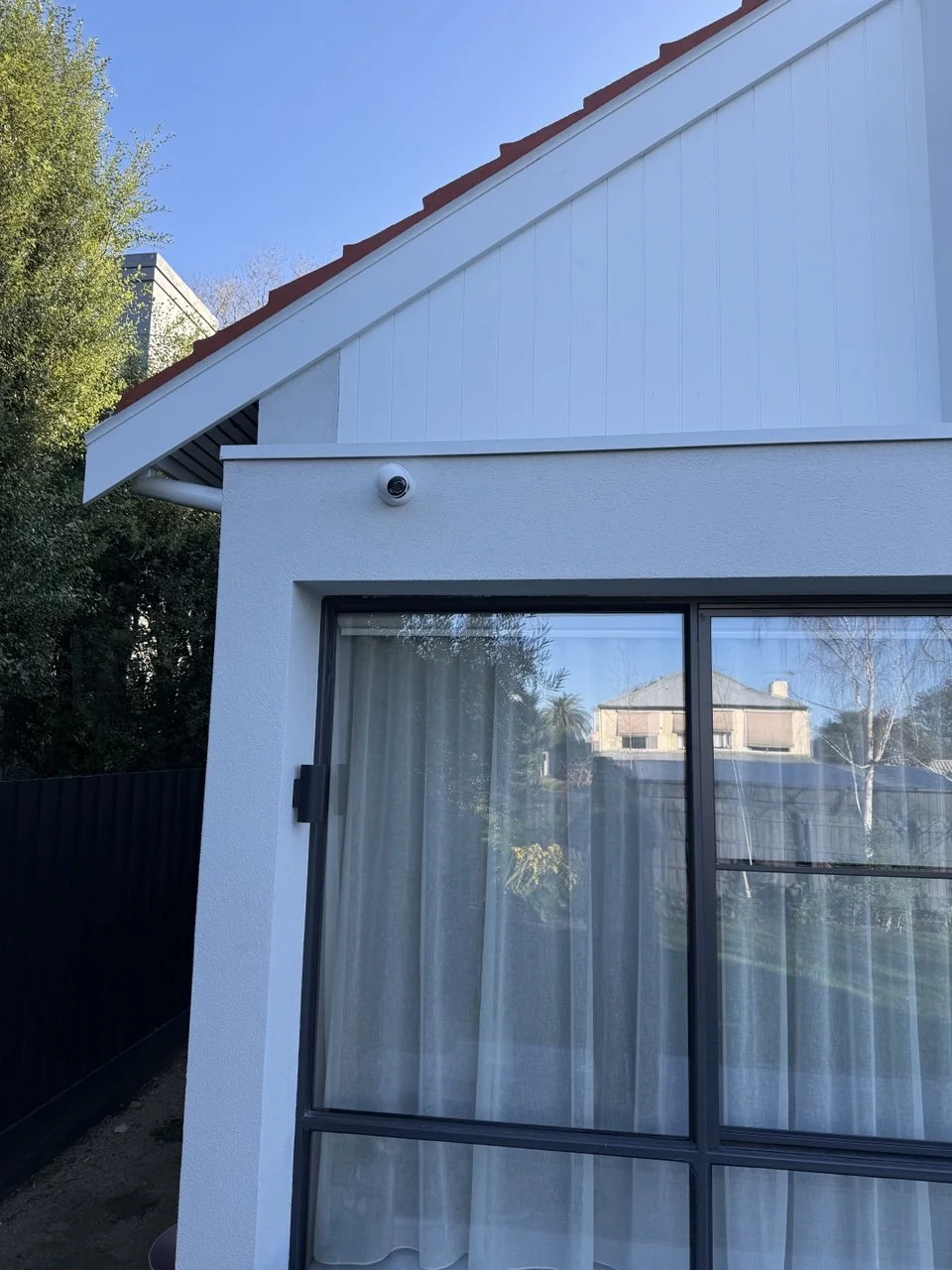
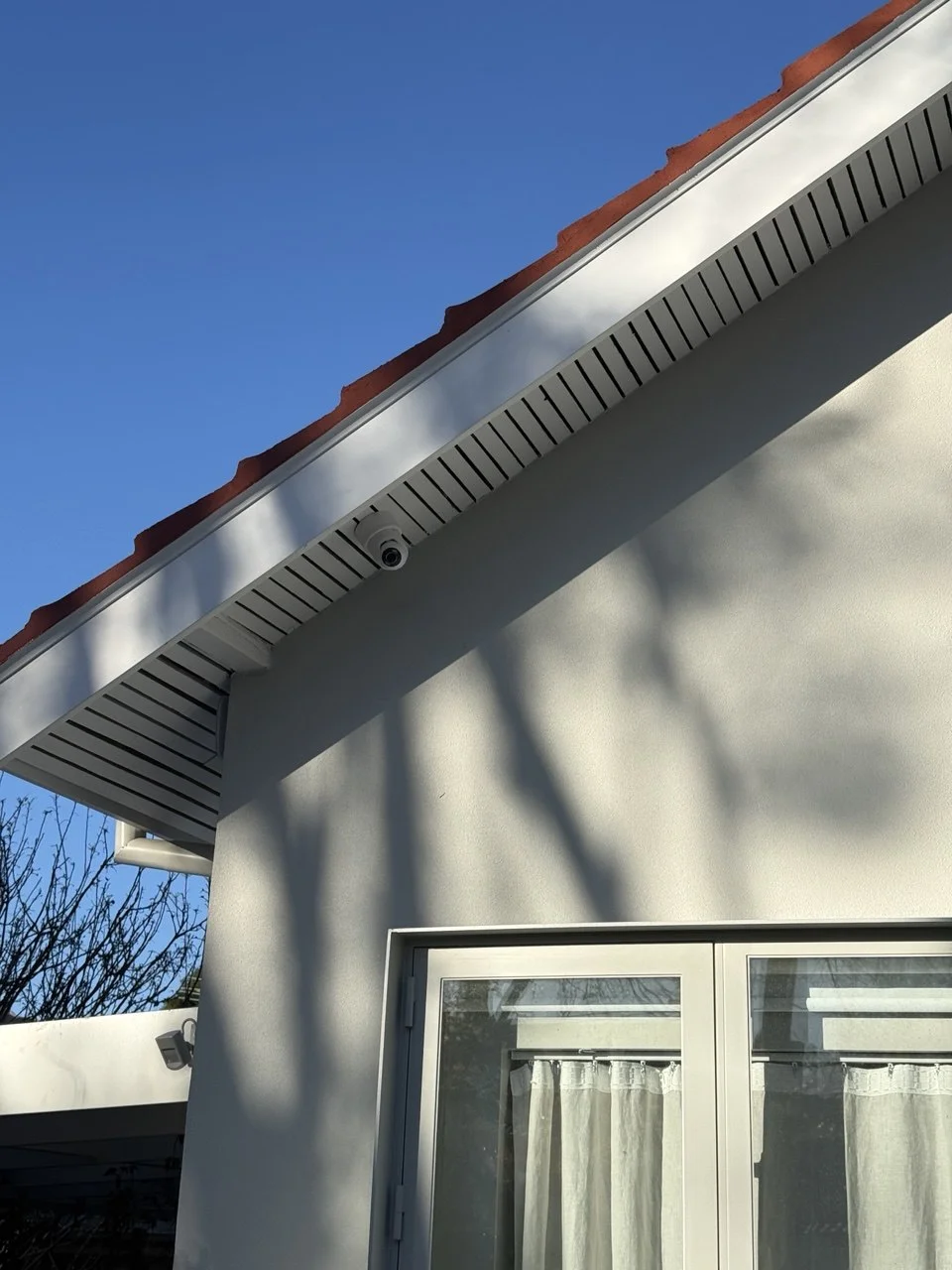
Camera positioning that blends with modern Port Melbourne architecture — effective coverage without compromising the look of your property.

HD and 4K Night Vision

Crystal-clear footage day and night — colour night vision options for well-lit streets, IR for darker laneways and car parks.

Weatherproof Coastal Systems

Equipment rated for Port Melbourne’s salt air, sea breeze, and coastal conditions — installed and sealed to last.

Mobile Access & Live Alerts

Live viewing, motion alerts, and quick playback from your phone — whether you’re on-site or across town.

Trusted CCTV Installer — Port Melbourne & Surrounding Suburbs Ready to protect your Port Melbourne property? Book a free on-site consultation today and get a tailored CCTV plan that fits your needs.

Schedule Your Service

Call +61 406 432 691 or complete the form and we will contact you.

Local Experience

Over 5 Years Securing Port Melbourne’s Most Active Streets

For more than half a decade, our team has been trusted to secure homes, apartments, and commercial properties across Port Melbourne 3207. We’ve worked on projects of every scale — from boutique shopfronts to large warehouses — always tailoring CCTV systems to match the unique environment of this coastal suburb.

Bay Street

From retail boutiques to restaurants, our CCTV systems on Bay Street provide shop owners with peace of mind against theft and vandalism.

Beach Street

Coastal-facing apartments and townhouses require weatherproof solutions, and we’ve set up durable CCTV coverage throughout Beach Street.

Graham Street

Known for mixed-use properties, Graham Street has been a focus for our installations, balancing both residential and business security needs.

Bridge Street & Station Pier

From high-traffic hospitality venues near Station Pier to quieter residences along Bridge Street, our experience ensures complete coverage with minimal disruption.

Proven results across Port Melbourne’s busiest streets. We know how to deliver CCTV systems that withstand coastal conditions while meeting the day-to-day demands of homes and businesses.
5+ Years securing Port Melbourne homes, apartments, and businesses

Apartments & Townhouses

Waterfront and street-facing residential properties secured with discreet, weatherproof systems.

Retail & Hospitality

Shopfronts, restaurants, and venues along Bay Street and Station Pier covered with HD systems.

Warehouses & Industrial

Large-scale Fishermans Bend and industrial precinct installations with multi-camera coverage.

Tailored Solutions

Tailored CCTV Solutions for Every Property

Designed for apartments, warehouses, and shopfronts in Port Melbourne

No two properties in Port Melbourne are the same — and your security system shouldn’t be either. We build CCTV setups that adapt to your location, whether it’s a coastal townhouse on Beach Street, a retail shop along Bay Street, or a warehouse near Fishermans Bend.

Coastal Apartments Retail Shopfronts Warehouses Offices Townhouses

Local Site Assessment First

Every project starts with a visit to your property — we identify blind spots, assess coastal exposure, and plan camera positions before anything is installed.

Weather Challenges Addressed

Salt air, sea breeze, and coastal humidity are factored into every installation — equipment selection, mounting, and cable sealing all chosen for Port Melbourne’s environment.

Seamless Daily Integration

Systems configured to work quietly in the background — alerts tuned to your routine, app access set up on your devices, and a full walkthrough before we leave.

Our goal is simple: deliver protection that feels effortless, reliable, and always ready — whether you’re home, at work, or away.
Security Camera Installation and CCTV Servicing in Port Melbourne 3207 — SIPKO Security
Port Melbourne 3207 — SIPKO Security Tailored CCTV for every property type, coastal-ready.
Crime Snapshot

Crime Snapshot — Port Melbourne 3207

Year 2024  •  Port Melbourne, VIC  •  Source: Crime Statistics Agency Victoria  &  ABS 2021 Census

2,289 Total crimes recorded in 2024
129.81 Crimes per 1,000 residents
17,633 Population (ABS 2021 Census)
+26.53% Year-on-year change vs 2023▲ Up
Top Crime Types (2024)
Theft
1,204
Burglary / Break & enter
261
Property damage
157
Assault & related
133
Deception
125
Breaches of orders
113
Victim Likelihood & Rates
Violent crime — odds 1 in 121
Violent crime — per 1,000 8.28
Property crime — odds 1 in 11
Property crime — per 1,000 92.44
Violent crimes (total) 146
Property crimes (total) 1,630
Crime rank (higher = more) 23 / 100
Area size 9.67 km²
📌

Port Melbourne’s property crime odds of 1 in 11 are significantly higher than the Victorian average of 1 in 24 and the national average of 1 in 26. Theft accounts for more than half of all recorded crimes in the suburb. Data sourced from the Crime Statistics Agency Victoria (2024) and ABS 2021 Census. Reference odds: VIC violent ~1 in 133; VIC property ~1 in 24.

Complete CCTV Coverage for Port Melbourne 3207

From high-rise apartments overlooking the bay to industrial sites in Fishermans Bend, our CCTV systems are built to protect every type of property in Port Melbourne. Each installation is designed to meet the suburb’s coastal conditions and its diverse security demands.

Durable in Coastal Environments

Salt air and strong winds can damage standard equipment. Our cameras use weatherproof casings and anti-corrosion fittings, making them ideal for properties along Beach Street and Station Pier.

Crystal-Clear Monitoring

Our HD and 4K cameras capture every detail — perfect for shopfronts on Bay Street and offices along Graham Street where clarity is essential for safety and insurance claims.

Flexible Installation

Apartments, warehouses, or hospitality venues — our systems fit every layout. Wireless technology means quicker installs and minimal disruption for residents and businesses.

End-to-End Support

Beyond installation, we provide regular servicing, system upgrades, and 24/7 remote access support. Clients across Bridge Street and Lorimer Street rely on us for consistent, long-term protection.

📷
Built for Port Melbourne — every property type, every condition.

Whether you’re securing a waterfront apartment, a Bay Street shopfront, or a Fishermans Bend warehouse, our team designs a system that fits your property and lasts in the coastal environment.

From Heritage Homes to Modern Apartments — Tailored CCTV for Port Melbourne — SIPKO Security
Port Melbourne 3207 — SIPKO Security Reliable CCTV for every pace of life in Port Melbourne.
Port Melbourne

From Heritage Homes to Modern Apartments — Tailored CCTV for Port Melbourne

Seamless protection for homes, shopfronts, and businesses

Port Melbourne is a suburb in motion — mornings filled with dock activity, afternoons buzzing along Bay Street, and evenings alive near Station Pier. Our CCTV systems are built to match that rhythm, offering reliability for families, small retailers, and large industrial operators alike.

Quick Installation

Minimal disruption to your home or business — most installations completed in a single visit.

🔧

Straightforward Servicing

Regular maintenance and system checks keep your cameras performing at their best, year-round.

📱

Ongoing Support

Remote access help, firmware updates, and a local team you can call — security that grows with your needs.

Simple, reliable, and tailored to Port Melbourne — that’s how we keep properties safe, day after day.
From Call to Camera: How We Work in Port Melbourne | Coastal-ready CCTV Port Melbourne 3207 5+ Years Local
How We Work

Built for the Waterfront. Tuned for Daily Life.

Practical security for apartments, shopfronts and industrial sites in 3207

Salt air, sea winds and constant foot traffic demand more than a generic kit. We design CCTV systems that stay discreet on modern façades, capture detail day and night, and stand up to Port Melbourne’s conditions — from Beach Street townhouses and Bay Street retailers to Fishermans Bend warehouses.

Every project starts with a local walk-through: mapping entry points, loading zones and blind corners, then selecting cameras, mounting hardware and storage that match your layout. The result is protection that feels effortless — reliable alerts, quick playback, and tidy installs that won’t dominate your exterior.

Coastal hardware

Weatherproof housings, anti-corrosion fixings, sealed cabling — built to last in Port Melbourne’s salt air environment.

Clarity that counts

HD and 4K imaging, true night vision, smart motion alerts — footage that’s actually useful when you need it.

Frictionless control

Mobile live view, quick export for incidents, role-based access — manage your system from anywhere.

Planned for growth

Add cameras, extend storage, integrate lighting or alarms when you’re ready — systems that scale with your needs.

✓ 5+ years in 3207
Bay St Beach St Graham St Bridge St Station Pier Fishermans Bend
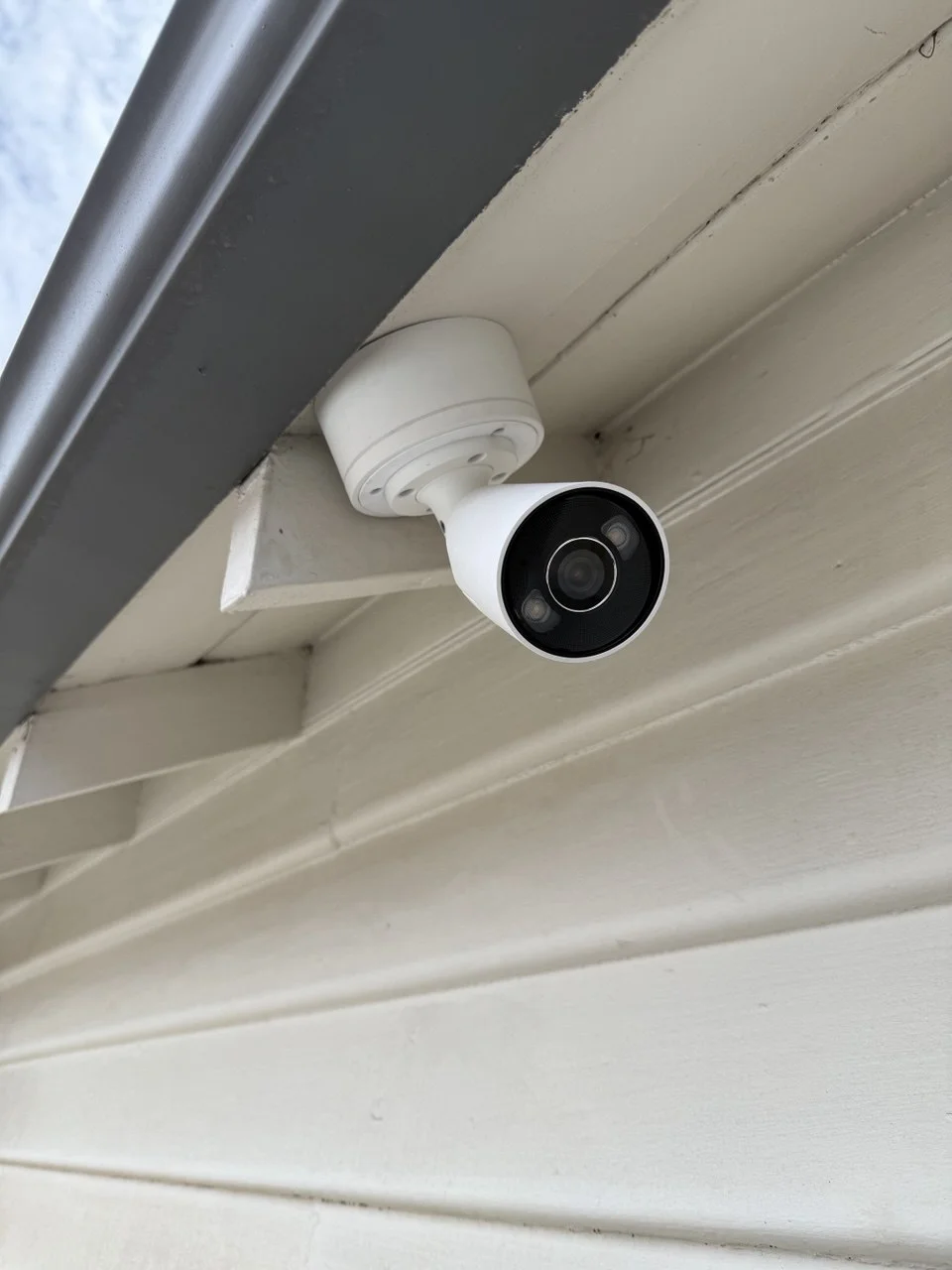
Quiet by design: we prioritise low-profile mounts and clean cable runs, so your CCTV enhances security without changing the look of your building.
From Call to Camera — How We Work in Port Melbourne — SIPKO Security
Port Melbourne 3207 — SIPKO Security Coastal-ready CCTV, built for the waterfront.
Placement Guide

The 7 Spots in Port Melbourne Properties That Cameras Always Miss

Most people put a camera above the front door and assume they’re covered. In Port Melbourne’s mix of waterfront apartments, Bay Street shopfronts, and Fishermans Bend warehouses, that leaves a lot of ground unprotected. Here are the seven spots we find uncovered on almost every property we assess.

1,630 Property crimes in Port Melbourne in 2024 CSA Vic
1 in 11 Property crime odds for Port Melbourne residents CSA Vic
7 spots The blind spots we find on almost every Port Melbourne property we assess
1
🚗
Rouse St & surrounds⚠ Always missed

The Shared Driveway in Townhouse Strips

The townhouse strips off Rouse Street and throughout the residential pockets of Port Melbourne typically share a single driveway that serves three to six properties. Every resident assumes someone else’s camera covers it. Nobody’s camera covers it.

Anyone walking down that shared driveway has access to multiple front doors, garages, and letterboxes without ever being on a public footpath — and without appearing on any camera. One camera at the driveway entrance changes that for every property it serves.

Fix: A single weatherproof camera at the street entrance to the shared driveway, angled to capture faces at entry. Covers all residents simultaneously.
2
🏛
Fishermans Bend⚠ Always missed

The Loading Dock Blind Spot

Warehouses and industrial sites in Fishermans Bend almost always have a camera on the main roller door. What they rarely have is coverage of the loading dock itself — the area between the truck and the building where goods are transferred. This is where opportunistic theft happens, and it’s almost never on camera.

The loading dock is also where contractors, delivery drivers, and staff interact with your stock outside the main building. A camera on the roller door sees who enters. A camera covering the dock sees what happens before they do.

Fix: A high-mounted wide-angle camera covering the full dock area, not just the door. Colour night vision recommended — docks are often poorly lit and active at dawn and dusk.
3
🏠
Bay St apartments⚠ Always missed

The Gap Between the Car Park and the Lobby

In the apartment blocks along Bay Street and throughout Port Melbourne’s denser residential areas, the car park has cameras and the lobby has cameras. The gap between them — the stairwell, the lift lobby on the basement level, or the short corridor connecting the two — almost never does.

This is the transition zone where residents are most vulnerable. They’re carrying shopping, managing keys, and not paying attention. It’s also where tailgating happens — someone follows a resident through a secure door and gains access to the building without ever being captured on the car park or lobby cameras.

Fix: A compact camera covering the transition point between car park and building access. Often a single camera in the right position closes this gap entirely.
4
🛒
Bay St retail⚠ Always missed

The Shopfront Letterbox and Parcel Zone

Bay Street retailers typically have a camera above the front door — but it’s mounted too high and angled too steeply to capture a clear face of someone crouching at the letterbox or picking up a delivery from the doorstep. The camera sees the top of a hat, not a face.

Package theft from shopfronts is a growing problem across Melbourne. The ABS recorded theft at a 21-year high in 2024 — and most of it happens in broad daylight, in under 30 seconds, by someone who knows the camera angle won’t catch them clearly.

Fix: A second camera or smart doorbell positioned at door height, aimed specifically at the letterbox and porch area. Captures faces at the right angle rather than the top of a head.
5
🌊
Beach St & waterfront⚠ Always missed

The Side Passage on Waterfront Townhouses

Townhouses along Beach Street and the waterfront strips have a front door camera and sometimes a backyard camera. The side passage — the narrow gap between the property and the fence that leads from the street to the rear — is almost never covered.

In Port Melbourne’s coastal properties, this side passage is often the fastest route from the street to the back of the property. It’s sheltered from view, usually unlit, and gives access to rear windows, back doors, and outdoor storage. A burglar who can walk through unseen has the whole rear of the property to work with.

Fix: A camera mounted high on the fence post or eave at the entrance to the side passage, angled down toward the gate latch. One camera, one blind spot closed.
6
🚙
Station Pier precinct⚠ Always missed

The Car Park Exit Lane

Hospitality venues and businesses near Station Pier typically have cameras covering the car park entrance — where vehicles come in. The exit lane is almost never covered. This matters because vehicle theft and damage most commonly happens when a car is stationary and the driver is inside the venue, not when they’re arriving.

An exit-lane camera also captures number plates of vehicles leaving after an incident — which is often the only useful piece of evidence for police or insurance. An entrance camera captures who came in. An exit camera captures who left.

Fix: A camera positioned to capture number plates on vehicles exiting the car park. Ideally paired with the entrance camera for a complete record of every vehicle’s visit.
7
🚪
All property types⚠ Always missed

The Bin Enclosure and Utility Area

Every property in Port Melbourne has one — the bin enclosure, the meter box area, or the utility corridor at the side or rear of the building. It’s almost never on camera. Yet it’s one of the most common locations for opportunistic theft (bikes, tools, equipment stored nearby), vandalism, and in apartment buildings, illegal dumping that creates ongoing management headaches.

It’s also a staging area. Someone scoping a property will often spend time near the bin enclosure before attempting anything — it’s sheltered, has a reason for someone to be there, and is rarely watched. A camera here gives you early warning, not just a record after the fact.

Fix: A compact camera covering the bin and utility area. In apartment buildings, this is often one of the highest-value camera positions relative to its cost — one camera, multiple ongoing issues resolved.
The honest truth about camera placement: most people position cameras where they’re easy to install, not where they’re most effective. A professional site assessment takes about 20 minutes and identifies every blind spot before a single camera goes up. SIPKO Security does this as part of every Port Melbourne installation — so your system covers what actually needs covering, not just what’s convenient.
Risk by Property Type

Port Melbourne’s Biggest Security Risks by Property Type — What the Data Actually Shows

The 2024 crime data for Port Melbourne 3207 isn’t just a set of numbers — it tells a clear story about which property types are most at risk and why. Here’s what it means for your specific situation, whether you own a Bay Street shopfront, a Fishermans Bend warehouse, or a waterfront apartment.

1,204 Theft offences in Port Melbourne 2024 — the #1 crime type CSA Vic
261 Burglary & break-and-enter offences in 2024 CSA Vic
+26.5% Year-on-year crime increase vs 2023 CSA Vic
1 in 11 Property crime odds — vs VIC average of 1 in 24 CSA Vic
Bay Street retail strip

Retail Shopfronts

▲ High Risk

Retail theft is the single biggest crime category in Port Melbourne — 1,204 theft offences in 2024 alone. Bay Street’s mix of boutiques, cafes, and convenience stores makes it one of the most active retail strips in the inner south, and that foot traffic creates constant opportunity for opportunistic theft.

What the data shows

Theft accounts for 53% of all recorded crime in Port Melbourne. Most retail theft happens during trading hours — not after closing — which means your cameras need to be working and recording during the busiest parts of the day, not just overnight.

What CCTV does: Shopfront cameras at door height capture faces clearly. Till and stockroom coverage deters internal theft. Footage is the primary evidence for insurance claims and police reports after an incident.
Fishermans Bend precinct

Warehouses & Industrial Sites

▲ High Risk

With 261 burglary and break-and-enter offences recorded in Port Melbourne in 2024, industrial properties in Fishermans Bend are a significant target. Warehouses hold high-value stock, often have multiple access points, and are typically unoccupied overnight — the combination that makes them attractive to organised theft.

What the data shows

Break-and-enter is the second most common crime type in Port Melbourne. Industrial sites are disproportionately represented because they combine high-value contents with lower overnight occupancy than residential properties.

What CCTV does: Perimeter cameras with motion alerts notify you the moment someone enters the site after hours. Loading dock coverage captures every vehicle and person interacting with your stock. Multi-camera setups eliminate the blind spots that make warehouses vulnerable.
Bay St & waterfront apartments

Apartments & Residential Buildings

▲ Elevated Risk

Port Melbourne has a large and growing apartment population — the ABS 2021 Census recorded 17,633 residents in 9.67 km², making it one of Melbourne’s denser inner suburbs. High-density living creates specific security challenges: shared access points, car parks used by multiple residents, and common areas that are difficult to monitor.

What the data shows

Property damage (157 offences in 2024) and theft from common areas are the most common issues in residential buildings. Car parks are a particular hotspot — vehicles are stationary for long periods and car park access is often shared across many residents.

What CCTV does: Lobby, car park, and common area cameras deter opportunistic theft and vandalism. Footage is essential for body corporate insurance claims and for identifying residents or visitors involved in incidents.
Station Pier & surrounds

Hospitality Venues & Car Parks

▲ Elevated Risk

The Station Pier precinct and the hospitality venues along the waterfront attract high foot traffic, particularly on weekends and during cruise ship arrivals. Assault and related offences (133 in 2024) and deception offences (125 in 2024) are concentrated in areas with high turnover of people — exactly the environment around Port Melbourne’s hospitality strip.

What the data shows

Assault and deception offences together account for 258 recorded crimes in 2024. Hospitality venues are disproportionately represented in both categories — assault near closing time, and deception (card skimming, fraud) in high-transaction environments.

What CCTV does: Entrance and exit cameras create a record of everyone who enters the venue. Car park coverage deters vehicle theft and captures incidents. Footage is the primary tool for resolving disputes, supporting insurance claims, and cooperating with police after incidents.
What this means for your property: the crime data tells you what’s happening in Port Melbourne — but the right CCTV response depends on your specific property type, layout, and the hours you operate. SIPKO Security uses this data as a starting point, then designs a system around your actual risk profile rather than a generic template.
Coastal Maintenance Guide

Salt Air, Sea Breeze, and Your CCTV — Why Coastal Camera Maintenance Matters

Port Melbourne sits directly on Port Phillip Bay. The Bureau of Meteorology records consistent onshore winds and high humidity at the suburb’s own weather station — conditions that are genuinely hard on outdoor electronics. A camera that works perfectly on day one can be significantly degraded within 12–18 months if it wasn’t installed with coastal conditions in mind, and if it isn’t maintained.

12–18 months Typical timeframe before salt air degradation becomes visible on standard outdoor camera housings near the waterfront
Port Phillip Bay Port Melbourne has its own BOM weather station — consistent onshore winds and coastal humidity year-round BOM
1
Months 1–6

Salt deposits build up on the lens

Airborne salt particles settle on the camera lens and housing. At first it’s invisible — but it gradually reduces image clarity, especially at night when the IR LEDs reflect off the deposits. Your footage starts looking hazy without any obvious reason.

2
Months 6–12

Housing seals begin to degrade

Standard outdoor camera housings are rated for rain and dust — but not specifically for salt air. The rubber seals around the lens and cable entry points start to dry out and crack. Once the seal is compromised, moisture gets in. Condensation inside the housing is the first sign, followed by corrosion on the internal components.

3
Months 12–18

Cable entry points corrode

Where the cable enters the camera housing or the wall, salt air accelerates corrosion on any exposed metal fittings. This is the most common failure point on coastal installations — the camera itself may still work, but the connection becomes unreliable, causing intermittent dropouts or complete signal loss.

4
18+ months

Mount brackets and fixings weaken

Standard steel mounting hardware corrodes in coastal environments. A bracket that was solid at installation can become structurally compromised within two years near the waterfront — particularly on properties directly facing Port Phillip Bay. A camera that shifts position even slightly can leave your most important entry points uncovered.

Lens cleaning and image quality check

Salt deposits removed from the lens, IR LEDs checked, and a live image review to confirm footage is sharp and correctly framed — day and night.

Housing seal inspection and resealing

Rubber seals around the lens and cable entry points inspected for cracking or shrinkage. Resealed where needed to prevent moisture ingress before it causes internal damage.

Cable and connection check

All cable entry points inspected for corrosion. Conduit seals checked. Any exposed metal fittings treated or replaced before they cause signal loss.

Mount and bracket integrity check

All mounting hardware checked for corrosion and structural integrity. Camera angles verified and re-locked if any shift has occurred since installation.

Storage and recording verification

SD card or NVR storage checked — capacity, health, and that footage is actually being recorded and retained for the expected period.

Firmware and app update check

Camera firmware reviewed and updated if needed. App connectivity tested to confirm remote access and alerts are working correctly.

How often should coastal cameras be serviced? For properties directly on or near the waterfront in Port Melbourne — Beach Street, Station Pier, the Bay Street strip — we recommend a maintenance visit every 12 months at minimum. For properties further from the water, every 18 months is typically sufficient. SIPKO Security offers scheduled maintenance for all systems we install, so you don’t have to remember to book it.
Body Corporate Guide

Apartment CCTV in Port Melbourne — What Body Corporates Need to Know

Port Melbourne is one of Melbourne’s densest apartment suburbs. Before any camera goes up in a common area, there are three things every owners corporation needs to understand: who needs to approve it, where cameras can legally go, and what the rules say about footage.

🏠
17,633 residents Port Melbourne population (ABS 2021 Census) — one of Melbourne’s densest inner suburbs ABS
📄
Owners Corporations Act 2006 The Victorian law that governs body corporate decisions — including CCTV in common areas Consumer Affairs Vic
🔒
Surveillance Devices Act 1999 Victorian law governing where cameras can be placed and what they can record legislation.vic.gov.au
Question 1

Does the owners corporation need to approve CCTV in common areas?

Yes — in most cases. Common areas (lobbies, car parks, lifts, stairwells, shared driveways) are owned collectively by all lot owners. Installing CCTV in these areas is a decision for the owners corporation, not an individual lot owner. Under the Owners Corporations Act 2006, decisions about common property typically require a resolution at a general meeting. The specific threshold — ordinary resolution (majority) or special resolution (75%) — depends on whether the installation is considered a maintenance item or a significant alteration.

Ref: Owners Corporations Act 2006 (Vic) — Consumer Affairs Victoria
Question 2

Where can cameras legally be placed in an apartment building?

Cameras in common areas — lobbies, car parks, lifts, shared driveways, bin areas — are generally permitted under Victorian law, provided they are clearly visible and don’t record private areas. The Surveillance Devices Act 1999 (Vic) prohibits cameras from recording activities in areas where people have a reasonable expectation of privacy. This means cameras cannot be pointed into individual apartments, private balconies, or bathrooms — even if those areas are technically visible from common property. Signage notifying residents and visitors that CCTV is in operation is strongly recommended and considered best practice.

Ref: Surveillance Devices Act 1999 (Vic)
Question 3

Who can access the footage, and for how long should it be kept?

Access to CCTV footage should be restricted to authorised persons — typically the owners corporation manager, the building manager, or a nominated committee member. Footage should not be shared with individual lot owners or tenants without a legitimate reason (such as an incident involving their property). There is no specific Victorian law mandating a retention period for residential CCTV footage, but 30 days is widely considered the practical minimum — long enough to cover most incident reporting timelines. Some insurance policies specify a minimum retention period, so it’s worth checking your building’s policy.

Ref: Office of the Victorian Information Commissioner (OVIC)
How SIPKO Security handles strata installs
1

OC Documentation Support

We provide a written scope of works and camera placement plan that can be tabled at a general meeting — making the approval process straightforward for the committee.

2

Privacy-Compliant Placement

Every camera position is assessed against the Surveillance Devices Act 1999 before installation. We only install cameras in positions that comply with Victorian law.

3

Signage Included

We supply and install CCTV signage at all entry points as part of the installation — notifying residents and visitors that surveillance is in operation.

4

Access Control Setup

Footage access is configured for authorised personnel only. We set up role-based access so the building manager can review footage without it being accessible to all residents.

The short version for body corporates: CCTV in common areas is legal and practical in Port Melbourne apartment buildings — but it needs OC approval, privacy-compliant placement, and proper access controls. SIPKO Security handles all of this as part of the installation process, so the committee doesn’t have to navigate the legal requirements alone.
Retention Guide

How Long Should CCTV Footage Be Kept in Victoria? Port Melbourne Guide

There’s no single law in Victoria that tells you exactly how long to keep CCTV footage. But there are several practical reasons why the answer matters — and getting it wrong can leave you without evidence when you need it most.

🔒

The short answer: 31 days minimum, longer for specific property types.

Victoria has no single law mandating a specific CCTV retention period for private properties. However, 31 days is the widely accepted practical minimum — long enough to cover most incident reporting timelines. For retail, industrial, and body corporate properties, longer periods are strongly recommended. Here’s why, and what applies to your property type.

Recommended Retention Periods by Property Type — Port Melbourne

Property type Recommended minimum Why this period Key reference
Residential home or apartment 31 days Covers the window for most theft and property damage reports to Victoria Police. Online reports can be submitted anytime, but evidence is most useful when submitted promptly. Victoria Police — Online Reporting
Retail shopfront (Bay Street) 60–90 days Retail theft and fraud can take weeks to be discovered — particularly internal theft or card skimming. Insurance claims for retail incidents often require footage from the date of the incident, which may not be known immediately. Victoria Police — Crime Reports for Insurance
Warehouse or industrial (Fishermans Bend) 90 days Stock discrepancies and workplace incidents can take time to surface. WorkSafe Victoria requires employers to notify of serious workplace injuries — footage may be needed as evidence in investigations that begin weeks after an incident. WorkSafe Victoria — OHS Act Incidents
Apartment building (body corporate) 31–60 days Common area incidents — vandalism, theft, assault — may not be reported to the OC manager immediately. 60 days provides a reasonable buffer for residents to report incidents and for the OC to review footage before it’s overwritten. Consumer Affairs Victoria — Owners Corporations
Hospitality venue (Station Pier precinct) 60 days Assault and deception incidents at hospitality venues often involve delayed reporting — particularly where alcohol is involved. Insurance claims and police investigations may request footage weeks after an incident. Victoria Police — Crime Reports for Insurance
Why the retention period actually matters
30 days WorkSafe injury notification

Workers must notify employers of an injury within 30 days under the WorkCover scheme. If a workplace incident is captured on CCTV, that footage needs to still exist when the claim is made. WorkSafe Vic

Anytime Victoria Police online reports

Victoria Police accepts online crime reports at any time — but CCTV footage is specifically requested as evidence. If your footage has been overwritten by the time you report, it’s gone. Victoria Police

Check policy Insurance requirements vary

Many commercial insurance policies specify a minimum CCTV retention period as a condition of cover. If your footage was overwritten before an incident was discovered, your claim may be affected. Check your policy’s specific requirements.

How SIPKO Security configures storage for Port Melbourne properties

We set up every system with the right storage capacity for your property type and retention requirement — so footage is never overwritten before you need it, and you’re not paying for more storage than you actually use.

SD card sizing matched to your camera count and retention period
NVR hard drive capacity calculated for continuous or motion-triggered recording
Overwrite alerts — we can configure notifications before storage fills
Cloud backup as a secondary layer for critical footage
The practical rule for Port Melbourne properties: if you’re not sure how long to keep footage, 60 days covers most scenarios — police reports, insurance claims, and workplace incident timelines. SIPKO Security configures your storage to match your property type and retention needs at installation, so you don’t have to think about it again.
FAQ

Common Questions About CCTV in Port Melbourne

The questions we get asked most often before a Port Melbourne installation — answered plainly.

How much does a CCTV installation cost in Port Melbourne?

It depends on the number of cameras, the property type, and whether cabling is required. A basic 2–4 camera system for a residential property typically starts from a few hundred dollars for equipment, with installation on top. A commercial system covering a warehouse or retail strip will be priced differently based on scope.

SIPKO Security provides a fixed written quote after a free on-site assessment — so you know exactly what you’re paying before any work begins. No hidden fees, no surprises.

Do I need council approval to install CCTV in Port Melbourne?

For most residential and commercial properties, no council approval is required for CCTV installation. Cameras on your own property that cover your own land don’t typically require a planning permit from Port Phillip Council.

However, cameras that capture public footpaths, neighbouring properties, or common areas in apartment buildings may have additional considerations under Victorian privacy law. SIPKO Security assesses every installation for compliance before any camera goes up.

Can CCTV cameras be installed in apartment common areas without all residents agreeing?

In Victoria, CCTV in common areas of an apartment building is a decision for the owners corporation (body corporate), not individual residents. Under the Owners Corporations Act 2006, decisions about common property are made by resolution at a general meeting — typically a majority vote, though some decisions require 75% approval. Individual residents cannot veto a properly passed OC resolution.

Will my cameras still record if the internet goes down?

Yes — if your system is set up correctly. Cameras with microSD cards or connected to an NVR (Network Video Recorder) continue recording locally even without an internet connection. The internet is only needed for remote viewing and alerts. SIPKO Security installs SD cards in every camera and configures local recording as the primary storage method, so your footage is never dependent on your internet connection.

How long does a CCTV installation take in Port Melbourne?

Most residential installations (2–6 cameras) are completed in a single visit, typically 2–4 hours. Larger commercial installations or systems requiring significant cable runs may take a full day or require a follow-up visit. We confirm the expected timeframe when we provide your quote, so you can plan around it.

Can you service or repair an existing CCTV system I didn’t buy from you?

Yes. SIPKO Security services and repairs CCTV systems from most major brands — including Dahua, Hikvision, Uniview, and others — regardless of who installed them. If you have an existing system that’s not working correctly, or cameras that need repositioning or upgrading, contact us and we’ll assess what’s needed.

What happens to my footage if I need to provide it to police?

Victoria Police accepts CCTV footage as evidence when reporting crimes online — you’ll be sent a link to upload footage after submitting your report. The footage needs to be exported from your system in a standard video format (MP4 is most common). SIPKO Security shows you how to export footage during the handover at the end of every installation, so you’re ready if you ever need it. See Victoria Police online reporting for details.

Port Melbourne 3207 — SIPKO Security

Ready to Secure Your Port Melbourne Property?

From a single apartment to a Bay Street shopfront or a Fishermans Bend warehouse — we design, install, and maintain CCTV systems built for Port Melbourne’s coastal conditions and your specific property.

5+ Years in Port Melbourne Coastal-Ready Systems Free On-Site Assessment Fixed Written Quote Ongoing Support
Explore More

Related CCTV & Security Camera Services

Whether you need cameras in a neighbouring suburb, a specific brand installed, or ongoing repairs and servicing — we’ve got you covered across Melbourne.

Secure your property before squatters move in
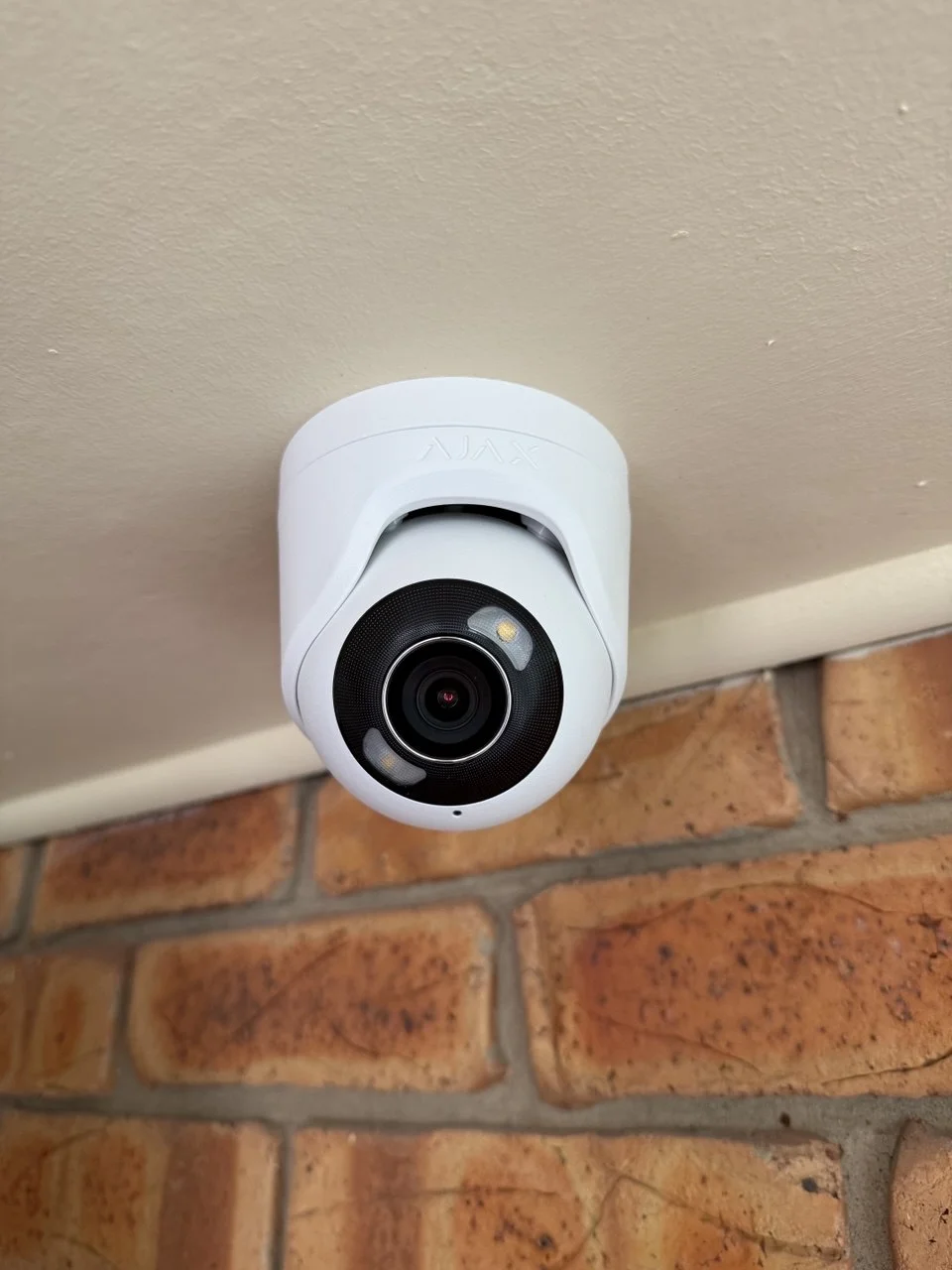
Every week without reliable security increases your risk of unauthorized occupation, legal trouble, and costly repairs. Don’t leave your home, business, or vacant site unprotected. Choose expert-installed AJAX security with instant alerts and 24/7 monitoring—trusted by property owners across Melbourne.

Recent CCTV Installations in East Melbourne

Installed by Our Expert Team

What Our Clients Say

The Final Step to Securing Your Port Melbourne Property

Trusted by residents and businesses across Bay Street, Beach Street and Station Pier

After more than five years of protecting homes, shopfronts and warehouses in Port Melbourne 3207, our team understands what truly works in this coastal community. Whether you need discreet apartment cameras, wide-angle warehouse coverage, or live monitoring for your shop, we provide reliable CCTV systems that balance durability, design and peace of mind.

Now is the time: secure your property with a custom CCTV plan designed for Port Melbourne’s unique environment. Installation is fast, servicing is ongoing, and your safety is our priority.

Frequently Asked Questions — CCTV in Port Melbourne 3207
1. Do you install CCTV in apartments with strata rules?
Yes. We work within owners corporation guidelines, use discreet mounts, and provide documentation for strata approval when required.
2. How do your systems handle coastal conditions near the waterfront?
We specify weatherproof housings, anti-corrosion fixings and sealed cabling. It’s a proven setup for Beach Street, Station Pier and bayside locations.
3. Will cameras keep recording if the internet drops out?
Yes. Recording continues locally to the NVR. Remote access resumes once the connection is back online.
4. Do you offer after-hours or weekend installation?
Absolutely. Many Bay Street retailers and hospitality venues prefer out-of-hours work. We schedule to minimise disruption.
5. Who owns the footage and where is it stored?
You do. Footage is stored on your NVR and/or encrypted cloud (if enabled). We configure retention to match your needs.
6. Can CCTV integrate with alarms or access control?
Yes. We design integrated solutions so cameras, alarms and access control work together with unified alerts and simple management.
7. How long does a typical installation take?
Most homes and small offices (4–6 cameras) are completed in one day. Larger warehouses or multi-level sites may take 1–2 additional days.
8. How do you manage privacy and neighbour visibility?
We position cameras to cover your property, not private neighbouring areas, and advise on best practice to meet local privacy expectations.
9. Can you upgrade or service an existing system from another brand?
Yes. We replace outdated cameras, increase storage, improve coverage and reconfigure settings to get the most from existing infrastructure.
10. What support do I get after installation?
Ongoing servicing, firmware updates, camera angle tuning and fast response if issues arise. We keep systems reliable year-round.