
Security Camera Installation in Albert Park for a Suburb the Park Keeps Open
Albert Park is a suburb that people choose because of what it backs onto. The Reserve, the lake, Beaconsfield Parade along the foreshore — these are what make an Albert Park address worth what it costs. The elm-lined streets, Kerferd Road, Bridport Street, St Vincent Gardens: a suburb that looks and feels like a settled inner village, positioned beside one of Melbourne's great public spaces.
Security camera installation in Albert Park tends to start from this observation: the park that makes the address premium also means the boundary is permanently open. Albert Park Reserve draws around five million visitors annually. The streets closest to the lake and the foreshore — Lakeside Drive, Aughtie Drive, Beaconsfield Parade — carry that visitor traffic every day of the year, not just during the Grand Prix week or on summer weekends. An unfamiliar face near a property on Kerferd Road almost always has an explanation: they're using the lake path, heading to the pier, parking before the morning run. The camera records the moment when the explanation was available, but the intent wasn't what it appeared.
SIPKO Security provides security camera installation in Albert Park for period homes in this setting — Victorian and Edwardian terraces where heritage-sensitive mounting shapes what's possible, properties facing the park perimeter where the foreshore baseline is higher than a typical residential street, and homes near the park circuit where the annual Grand Prix and current pit building construction both temporarily change what normal street activity looks like.

CCTV Installation in Albert Park
The standard question when planning residential CCTV — what does movement near this property normally look like? — has a particular answer in Albert Park. For a property on Kerferd Road or Lakeside Drive, normal includes the daily cycle of park users: joggers on the lakeside path, cyclists on Beaconsfield Parade, families walking to the foreshore, visitors to the pier. This movement doesn't belong to the resident's street in the way that neighbours and familiar vehicles do — but it's so consistent that it becomes the backdrop against which anything else has to be read.
This is what makes cctv installation in Albert Park a different planning exercise for properties close to the park perimeter. A camera covering the front entry of a Lakeside Drive or Aughtie Drive property isn't recording occasional foot traffic against a quiet residential street — it's recording movement on a street that carries a permanent visitor baseline. The footage provides the distinction that the street's daily character doesn't: what specifically happened at this address, rather than what was simply part of the park's ambient flow.
Home security camera installation in Albert Park also needs to account for the suburb's predominant building type. The Victorian and Edwardian terraces that line Albert Park's streets — heritage-designated in significant numbers — require mounting and cable routing that works within period construction rather than against it. Camera placement, fixing methods and cable runs are all chosen to avoid affecting protected façade details, which means the planning process for a terrace in Albert Park starts from a different set of constraints than it would for a post-war property elsewhere in Port Phillip.
For a four-day period each year, the suburb's baseline changes entirely. The Formula 1 Australian Grand Prix draws over 400,000 spectators to Albert Park, with temporary parking restrictions across Albert Park and Middle Park residential streets, changed traffic patterns, and event-adjacent foot traffic that replaces the suburb's normal park-user flow with something considerably harder to read. Beyond the annual event, the current pit building redevelopment — scheduled for completion in 2028 — means ongoing construction traffic and changed park access routes on streets near the circuit for the next two years. A camera that holds a consistent record across both the park's ordinary days and its exceptional ones is covering the full range of what this suburb actually looks like.
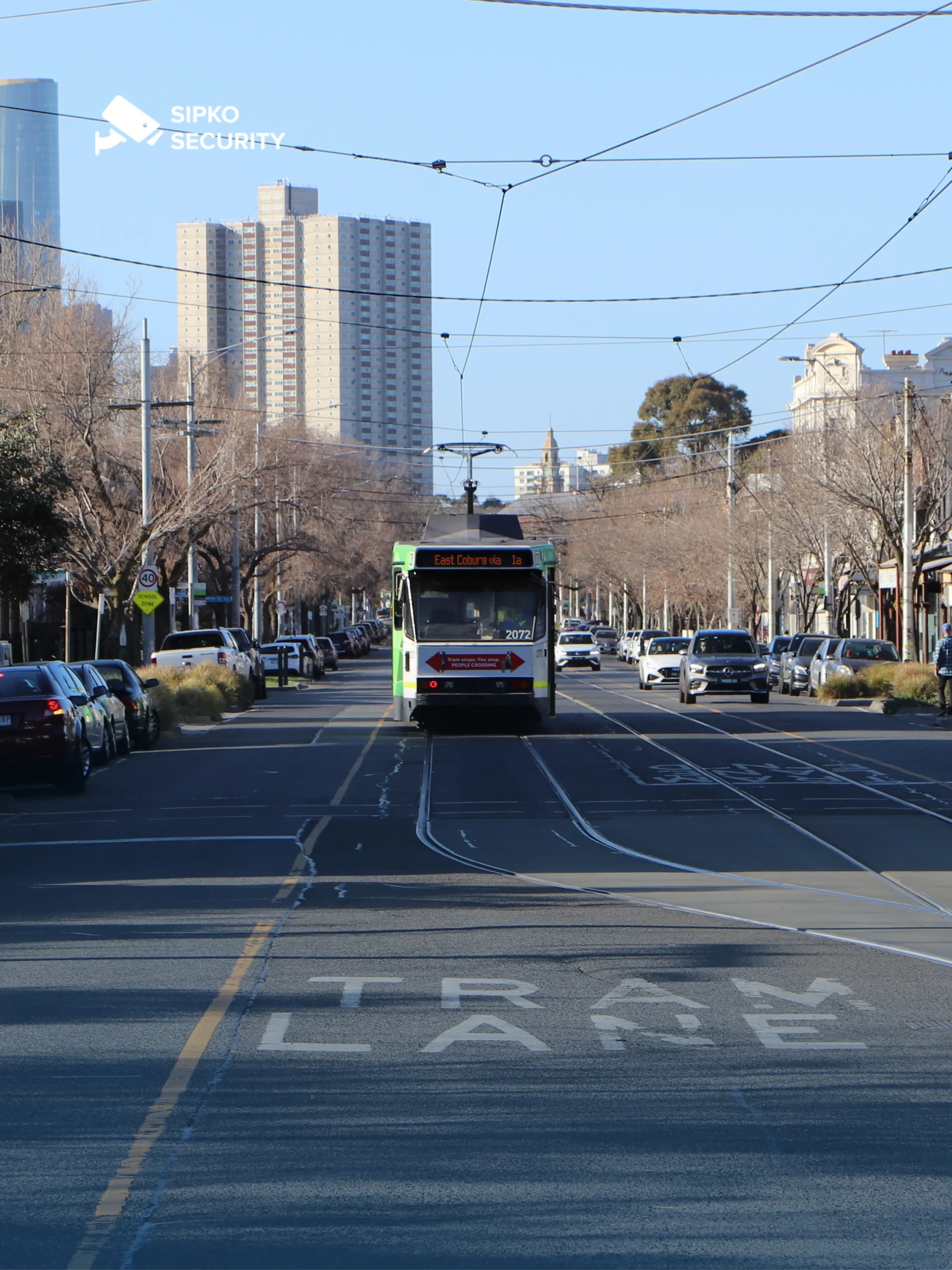
Security Camera Systems & CCTV Solutions for Albert Park Properties
Security camera system installation in Albert Park is shaped by two things that make this suburb's security planning distinct: a housing stock of Victorian and Edwardian period homes that require heritage-sensitive installation, and a location beside a major public reserve whose daily visitor traffic means that park-adjacent streets operate at a different baseline from comparable residential streets elsewhere.
What most Albert Park properties share — whether they face the park perimeter on Kerferd Road or sit on the quieter inland blocks near Bridport Street — is a practical need for footage that stays useful across the full range of what passes in front of them. The street changes with the day, the event season and the year; the camera's record doesn't.
- Victorian and Edwardian terrace coverage on park-facing streets, where the lakeside visitor baseline means unfamiliar presence is always plausible.
- Front entry and side return coverage on heritage terraces, with mounting and cable routing that works within period construction.
- Properties near the Grand Prix circuit affected by annual event access changes and current pit building construction through 2028.
- Foreshore-facing properties on Beaconsfield Parade and Kerferd Road where the boundary between residential and park space is direct.
The Victorian and Edwardian terraces along Kerferd Road, Lakeside Drive and Beaconsfield Parade sit at the edge of Albert Park's public boundary. Their position is what makes the address; it's also what means the street in front of them is used by people who have nothing to do with the suburb. Coverage of the front entry and any side access on these properties needs to account for the park's visitor flow as a permanent feature of the street, not an occasional one.
The Albert Park Circuit uses public roads around the lake, and for four days each year those roads and the surrounding residential streets absorb an event that draws over 400,000 visitors. In 2026–2028, the pit building redevelopment adds ongoing construction traffic and access changes to streets near the circuit. For properties in this part of the suburb, a camera provides a record that holds across both the park's ordinary visitor flow and the considerably less ordinary circumstances the Grand Prix and construction bring to the same streets.
What We Protect in Albert Park
The heritage terraces along Albert Park's park-facing and foreshore streets carry a front boundary that directly abuts one of Melbourne's most visited public spaces. Camera coverage for these properties accounts for the park's permanent visitor baseline — the daily movement of joggers, cyclists, park visitors and foreshore walkers on streets where that movement is entirely expected and entirely consistent.
For four days in March, Albert Park's residential streets become access and overflow infrastructure for a 400,000-person international event. Temporary parking restrictions, changed traffic patterns and event-adjacent foot traffic replace the suburb's normal park-user baseline with something substantially different. A camera provides the consistent record across both: the eleven months and three weeks of ordinary activity, and the four days that aren't.
The residential streets away from the park perimeter — Bridport Street, Victoria Avenue, the quieter blocks running between them — carry a lower visitor baseline than the foreshore and lakeside streets, but remain within a suburb whose park proximity shapes what passes through even the more sheltered corners. Heritage-sensitive mounting on period terraces is a standard consideration here, as it is across most of Albert Park's housing stock.
CCTV Systems We Install and Support
Selecting a CCTV platform for an Albert Park property comes down to whether the system works reliably on a period home — heritage-sensitive mounting, cable routing through Victorian-era construction, and footage that stays straightforward to review regardless of what the park has brought to the street that day. Our security camera installers in Albert Park work across systems that meet these requirements for both foreshore-facing terraces and the quieter inland blocks.
A question that comes up once camera coverage has been planned is what happens when the footage shows something that needed attention in the moment rather than after the fact. On a street where park visitor traffic is a daily constant, an alert draws attention to a specific event rather than leaving the owner to locate it in footage where most movement is exactly what it appears to be.
CCTV and alarms work together in Albert Park the way they do wherever the street's baseline volume makes individual events harder to isolate by memory. The alarm identifies the moment; the camera confirms what it was. Our cctv installers in Albert Park combine both where the property and the owner's situation call for it — so that a triggered alert arrives with footage already available, rather than requiring a full review of the day's recording.
This matters most during the Grand Prix period and the current construction phase, when the street's normal baseline is replaced by something substantially busier — and when the usual reference points for what belongs there are harder to apply.
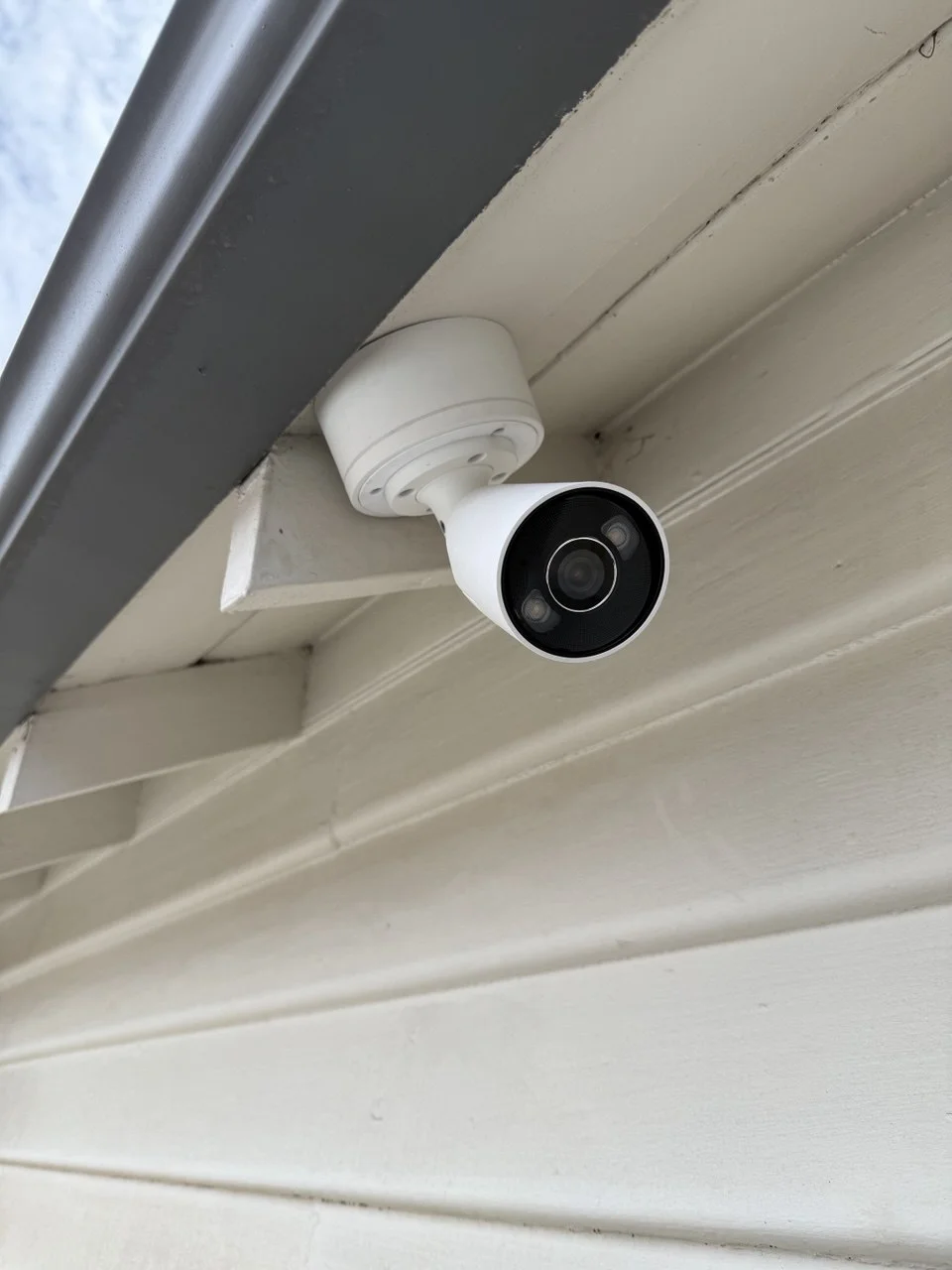
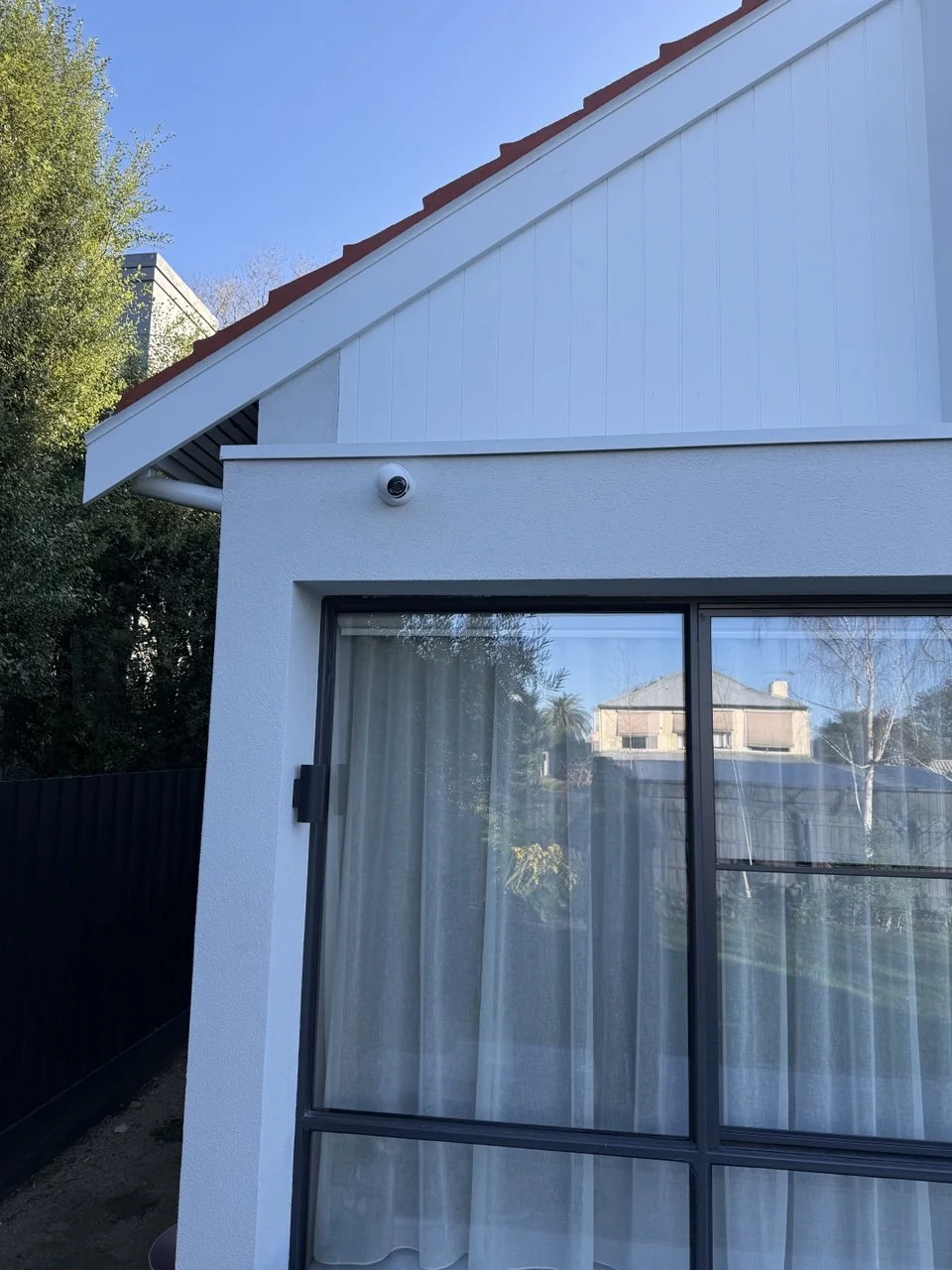
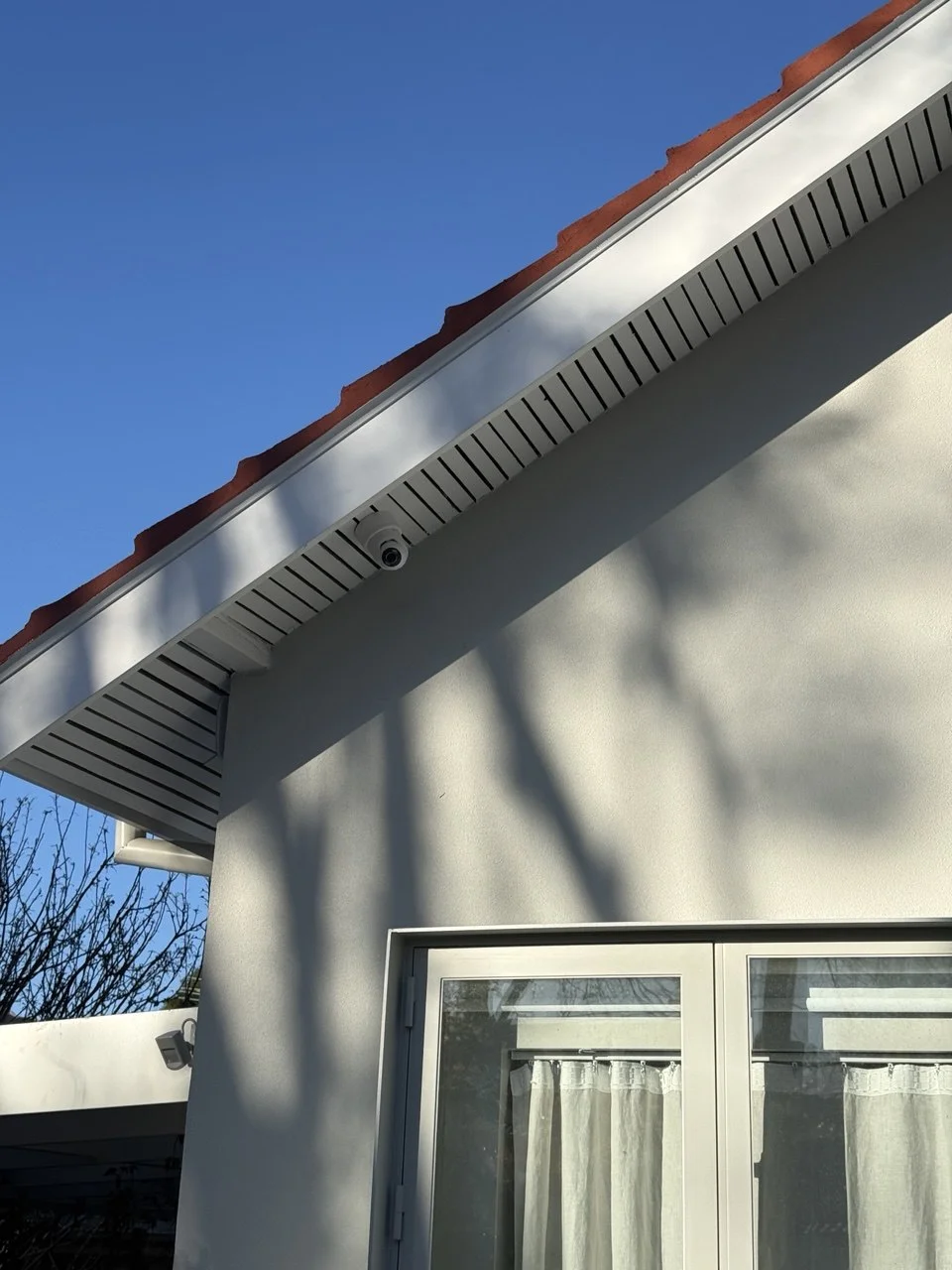
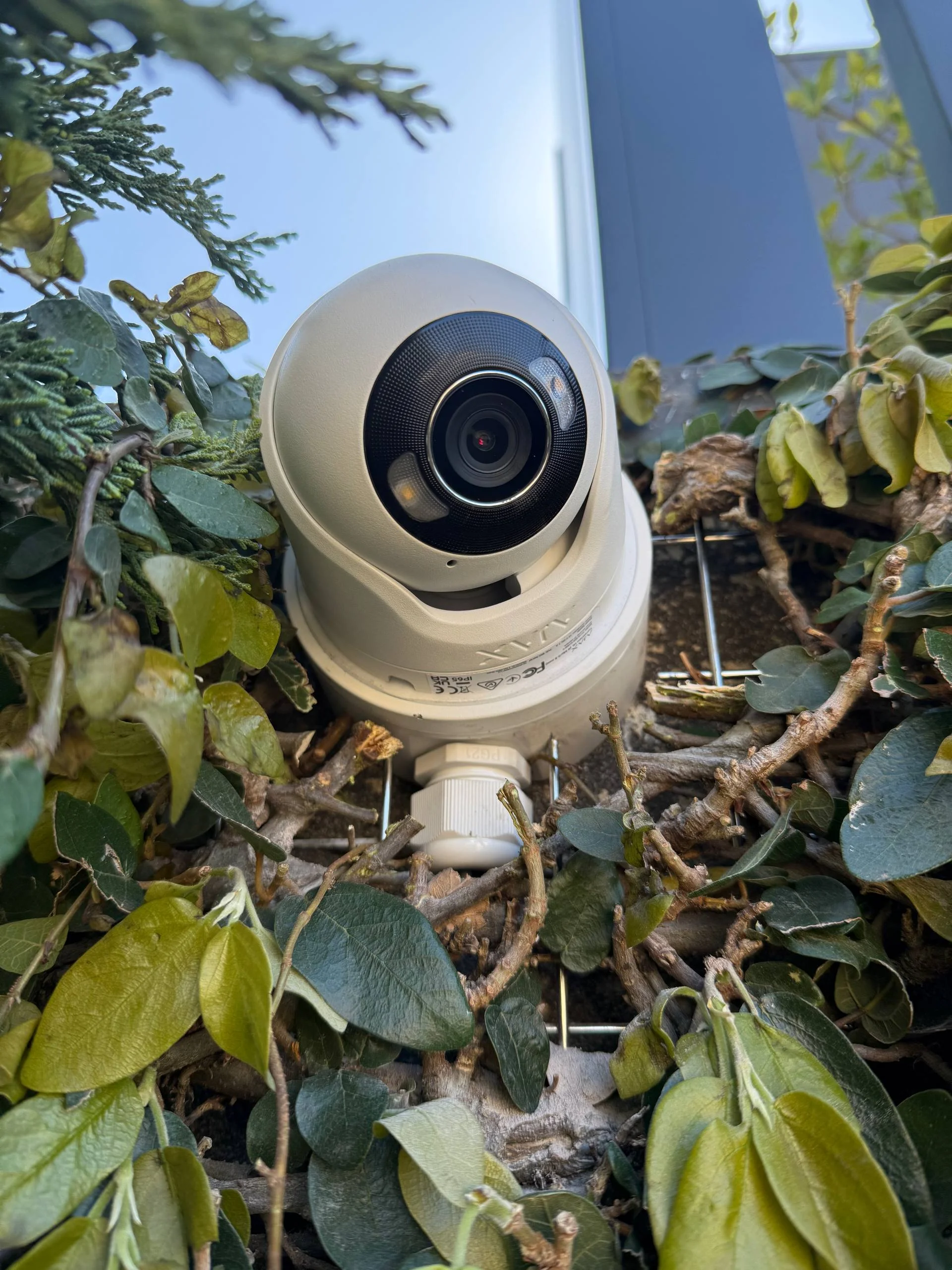
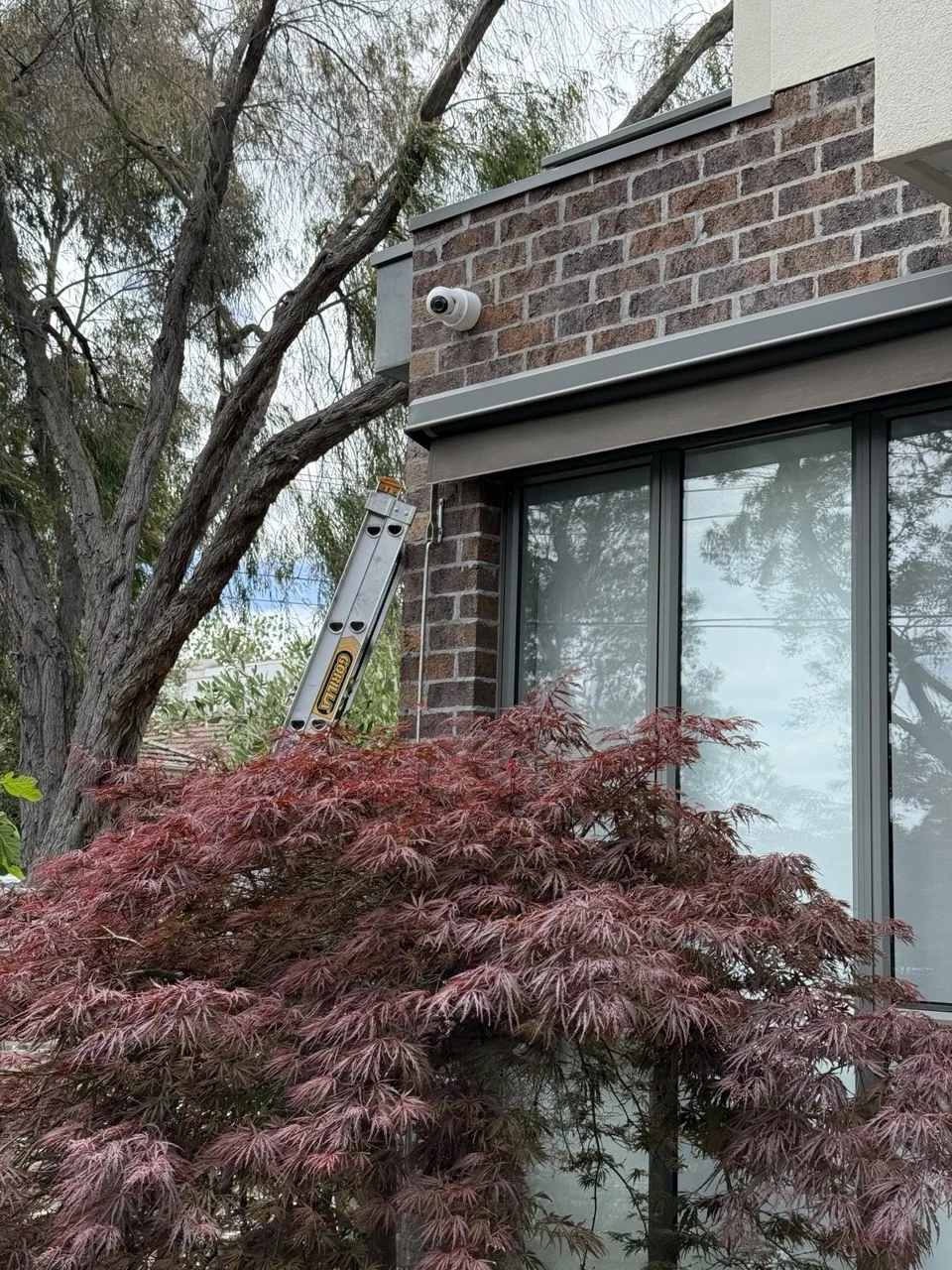
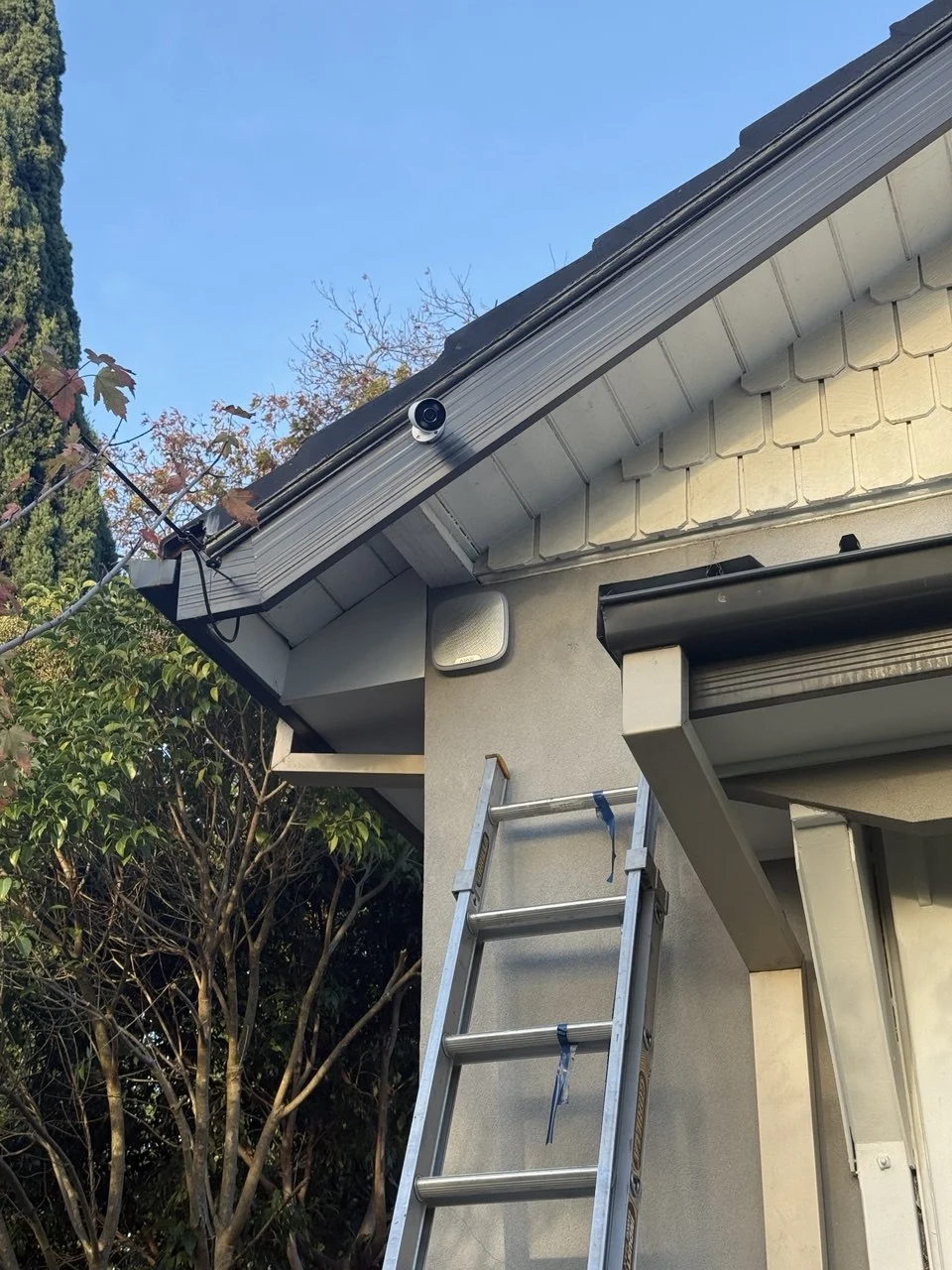
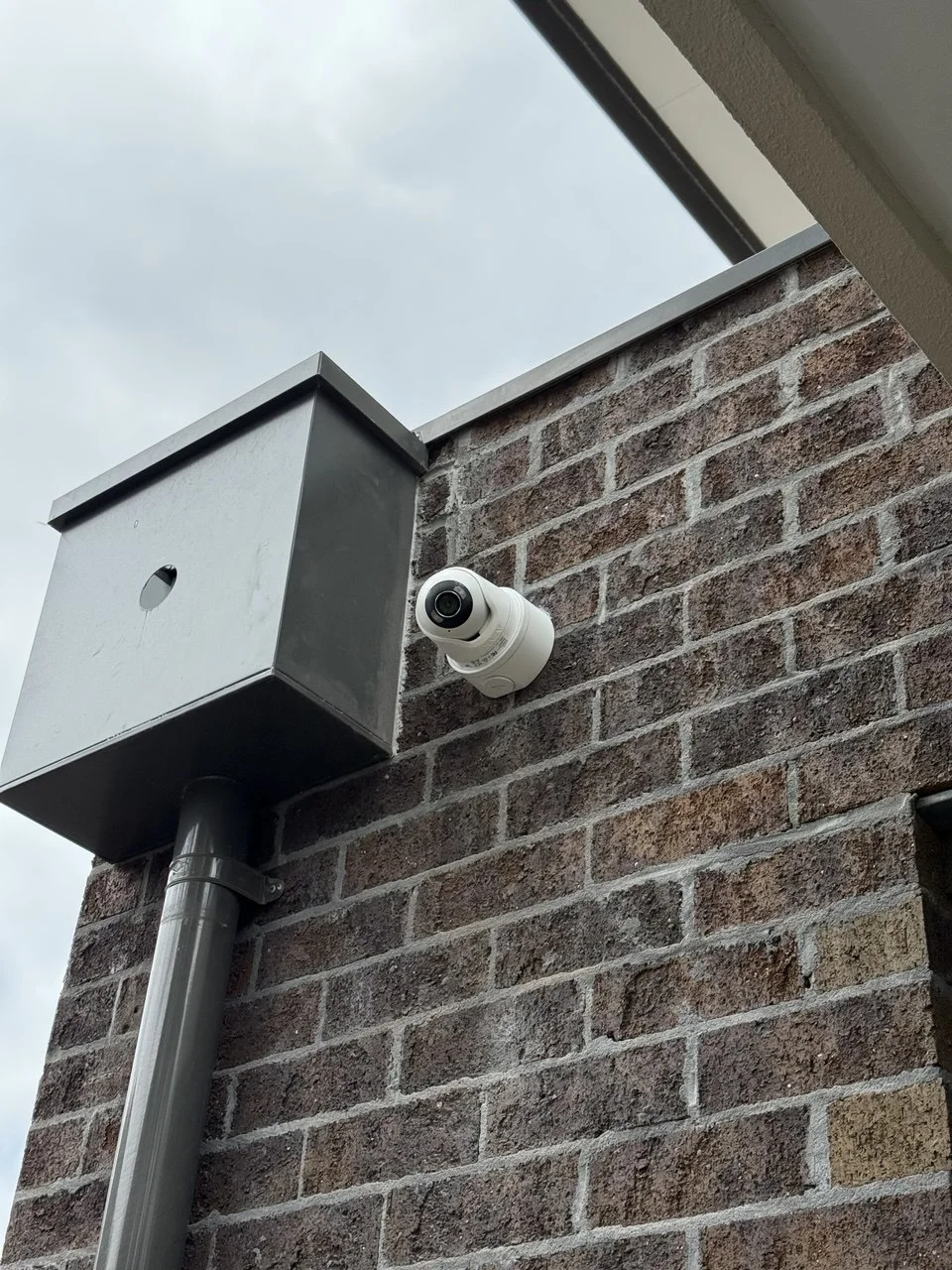
Albert Park clients who've left reviews tend to describe installations that required attention to the specific positioning of a heritage terrace — mounting on a period façade, coverage that accounts for both front entry and any side access — rather than a standard approach applied regardless of what the building actually looks like.
The installations below reflect that range: straightforward front-and-side coverage on a Victorian terrace, and more involved setups for properties facing the park perimeter directly, where the coverage needs to hold across the park's daily visitor flow as well as the suburb's less ordinary annual events.




Comparing two Albert Park properties on neighbouring streets can mean comparing a Victorian terrace on Lakeside Drive directly facing the circuit perimeter against a heritage home a few blocks inland on Bridport Street — same suburb, same building era, different relationship to what passes in front of them every day.
Areas We Service Around Albert Park
SIPKO Security provides CCTV and security camera installation across Albert Park and the surrounding inner suburbs of Port Phillip, where heritage terraces, public park proximity and bayside foreshore access each bring their own camera planning considerations.
Frequently Asked Questions
Common questions about security camera installation, CCTV system costs, heritage terrace mounting and alarm integration for Albert Park properties.
How much does security camera installation cost in Albert Park?
What affects the cost of CCTV installation in Albert Park?
How many cameras do most Albert Park properties need?
Does living beside Albert Park Reserve affect CCTV coverage needs?
Does the Formula 1 Grand Prix affect CCTV planning for Albert Park properties?
Can CCTV footage be accessed remotely for Albert Park properties?
Can CCTV and alarm systems be integrated in Albert Park?
A camera planned for a quiet residential street isn't covering what an Albert Park property actually needs. The streets beside the Reserve and the foreshore carry a year-round visitor baseline that makes the standard reading of "who belongs here" harder to apply — and that baseline increases significantly when the Grand Prix arrives, and again during the current construction period near the circuit.
The value of camera coverage in this suburb is that it holds across all of it: the ordinary weekday when the park draws its usual crowd to the lake path, and the weekend the pit lane is next door. The footage is the record that the street's daily familiarity doesn't provide.
If you're considering security camera installation in Albert Park, SIPKO Security can assess the property — whether that's a Victorian terrace on Kerferd Road facing the park perimeter, a heritage home on one of the quieter inland blocks, or a property near the circuit affected by the Grand Prix and current construction — and recommend coverage that accounts for what actually passes in front of it.