
Wireless Security Alarm Fitting
A reliable Melbourne alarm setup depends on more than the number of sensors installed. It needs correct zoning, stable wireless communication, careful detector placement and clear arming rules that match how the home, office, shop or warehouse is used each day.
SIPKO Security installs wireless alarm systems for Melbourne homes and businesses that need minimal visible cabling, app control, reliable entry-point protection and future expansion options. Each installation is planned around real access points such as front doors, rear doors, garages, side paths, shopfronts, staff entries and storage areas, so the alarm is practical to use and less likely to create false triggers.
Wireless alarm installation in Melbourne from AUD 1,400. The final quote depends on the number of devices, property layout, access conditions, required configuration and whether the system is being installed for a home, apartment, shop, office or small commercial site.
Low-disruption wireless setup Suitable for finished rooms, painted walls, rental spaces and occupied businesses where visible cabling should be reduced.
App control and alerts Arm, disarm, manage users and receive alarm notifications after the system is configured for the property.
Homes and business sites Planned for houses, townhouses, apartments, retail shops, offices, clinics and small commercial units.
Practical arming logic Entry delay, night mode, partitions and user permissions can be matched to household or staff routines.
Wireless Alarm Systems Built Around Real Melbourne Properties
Device positions matched to the building, access points and daily use
Family homes and townhouses
Front entry, rear doors, garage access, side paths and night arming can be planned around how the household actually moves through the property.
Apartments and body-corporate sites
Wireless devices help reduce intrusive work where drilling, visible cabling, common-area changes or body-corporate rules need to be considered.
Retail and customer-facing spaces
Shopfronts, counters, stock rooms, rear entries and staff-only areas can be zoned for simple opening and closing procedures.
Offices, clinics and commercial units
Reception areas, staff entries, internal rooms, stock areas and roller-door access can be configured with practical user permissions.
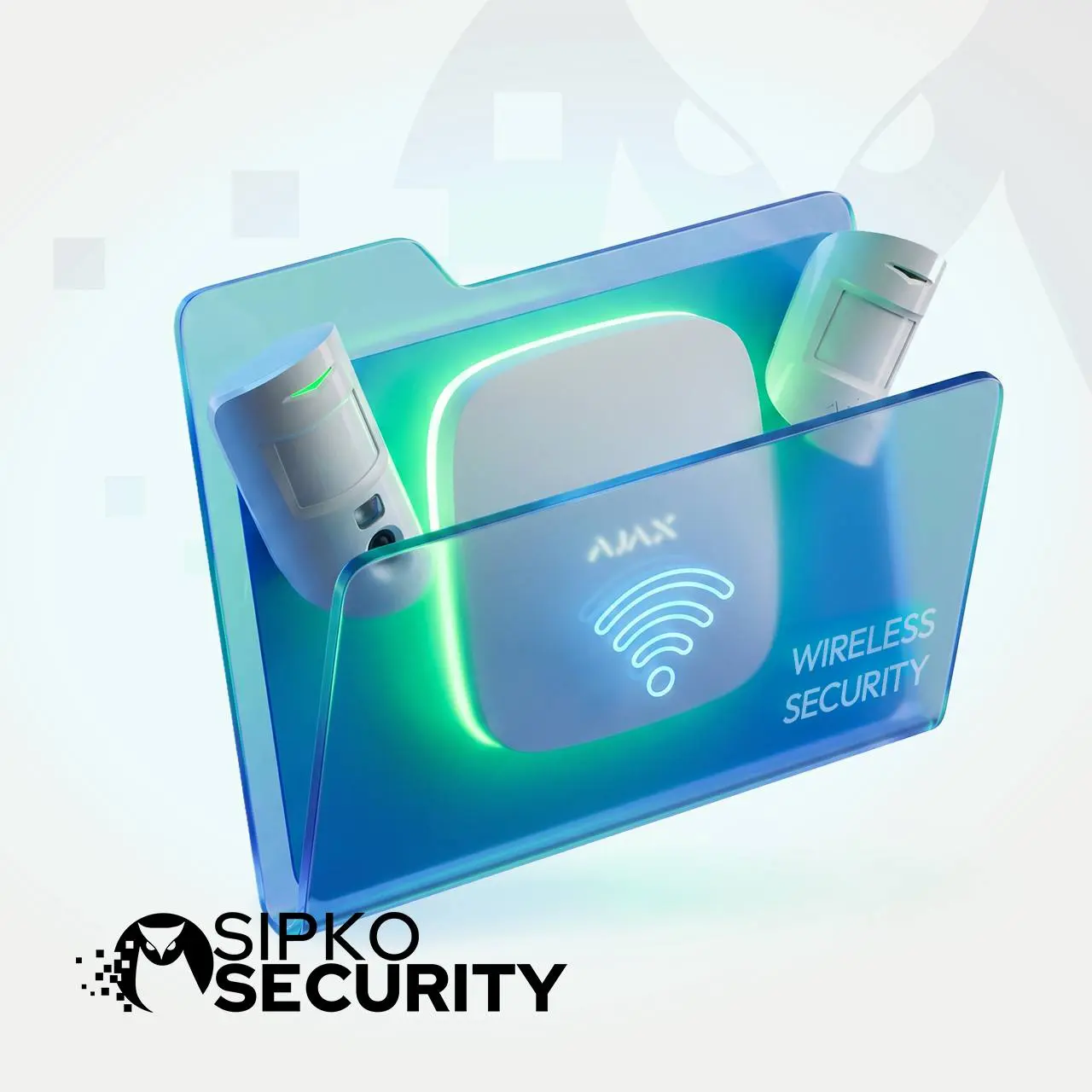
Choose the Alarm Layout That Fits Your Property
Property-specific planning for common Melbourne homes and business sites
Choose the closest property type to see common alarm planning priorities. The final device layout is confirmed onsite after checking entry points, room layout, wireless signal conditions, user routines and any garage, rear access or business-specific requirements.
Home alarm focus points
Most home layouts start with the main entry path, garage connection, rear access and selected internal movement areas.
- Front and rear door contacts
- Garage entry and side path coverage
- Hallway or living-zone motion sensors
- Night arming for selected areas
Apartment alarm focus points
Apartment installations usually need neat device placement, limited drilling and clear rules around shared building areas.
- Main entry and balcony access
- Compact internal motion coverage
- Low-disruption wireless placement
- App alerts for owner or tenant use
Retail alarm focus points
Retail sites need simple opening and closing logic while protecting public entry points, cash-handling areas and staff-only rooms.
- Shopfront door and rear entry
- Counter, register or stock room zones
- Staff codes and closing procedure
- After-hours alerts and siren logic
Commercial alarm focus points
Commercial sites often need separate user permissions, controlled entry delay and coverage for restricted rooms or roller doors.
- Reception and staff entry points
- Back rooms, storage and internal doors
- Separate users or partitioned arming
- Walk-testing before staff handover
Wireless vs Wired vs Hybrid Alarm Systems
Which type of alarm makes sense for your property?
Wireless alarms are usually the easiest choice for finished homes where running new cables would be disruptive. Wired systems suit properties where cable routes are available, particularly during construction. Hybrid systems combine compatible wired devices with wireless expansion, making them worth considering when an existing installation can be reused.
| Parameter | Wireless | Wired | Hybrid |
|---|---|---|---|
| Existing home | Excellent retrofit option; minimal disturbance | Best when usable wiring already exists | Good when retaining usable cables and adding new zones |
| New build | Good when flexibility or minimal cabling is preferred | Ideal when cables can be planned before walls close | Good for a wired backbone with flexible additions |
| Cabling | Low-voltage cabling usually limited; devices need batteries | Cable runs required to field devices | Mix of wired runs and battery-powered devices |
| Expansion | Add compatible devices within radio range and hub limits | New zones may require additional cable runs | Add compatible wired or wireless devices |
| Large property | Suitable when signal coverage is designed and tested | Reliable option for extensive, complex layouts | Useful for wide sites or multiple buildings, subject to design |
| Commercial | Suitable for selected shops and offices | Strong option for complex sites and fit-outs | Useful when upgrading an existing commercial installation |
Important: Hybrid does not mean that every existing sensor or cable works with every new panel. Device compatibility, battery maintenance, radio coverage, cable condition and monitoring requirements must be checked before a system is recommended.
For a complete home security design, see SIPKO’s residential alarm installation service. To discuss professional monitoring for a compatible alarm, explore alarm monitoring and response options.
What a Wireless Alarm Installation Can Protect
Entry points, internal movement, vulnerable zones and after-hours access
The strongest alarm layouts usually start with the areas most likely to be used for entry. That can include the front door, rear door, garage entry, side passage, balcony access, shopfront door, warehouse roller door or office reception. For residential sites that need a broader home security plan, SIPKO also provides security alarm installation in Melbourne. Internal motion sensors and selected perimeter devices can then be added where they improve detection without making the system difficult to live with.
For homes, the design may include night arming so selected areas remain protected while people are inside. For businesses, the layout may separate staff entry, storage, reception and back-of-house access. The aim is practical coverage of the most important zones, with arming and disarming kept simple for everyday use.
Doors and entry points
Front entries, rear doors, garage access, balcony doors and shopfront doors can be protected with suitable wireless contacts or detectors.
Internal movement
Motion sensors can help protect hallways, living areas, offices, stock rooms and key internal movement paths after the alarm is armed.
Garages and side access
Garages, side paths and detached or semi-detached areas need careful planning so coverage remains reliable and simple to arm.
After-hours business access
Commercial sites can be configured around staff routines, opening hours, restricted rooms, stock protection and closing procedures.
Wireless Alarm Installation for Melbourne Homes
A home alarm should protect the access points an intruder is most likely to test without making daily life harder. SIPKO plans alarm layouts around entry doors, garage access, side paths, night movement, pets and family routines, so arming the system remains simple when people are home or away.
- Front door, rear door and garage entry coverage for common household access points
- Motion sensor placement for hallways, living zones and internal movement paths
- Night arming logic for selected areas while people remain inside the home
- App control, alerts and user access configured during handover for owners, family members or approved users
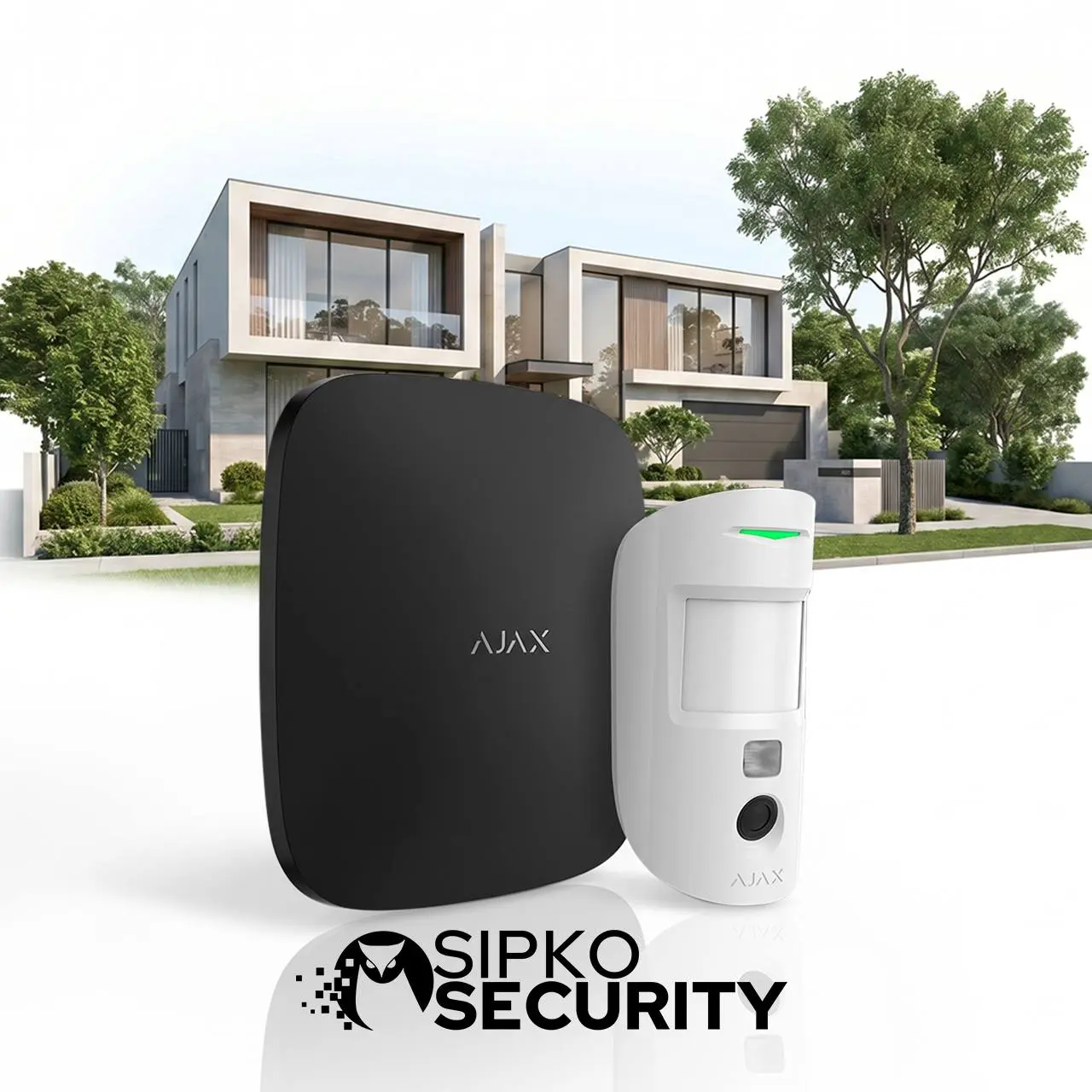
We design the alarm around the property layout, not a generic kit. The final device plan depends on entrances, side access, garage position, pets, household routines, sensor testing and how the system should behave when the home is occupied or empty.
Wireless Alarm Installation for Melbourne Businesses
Retail, offices, clinics, warehouses and small commercial sites
Business alarm projects need a different approach from a standard home setup. A shop may need protection around the front entry, counter area, display stock and rear stock room. An office may need separate arming for reception and internal rooms. A clinic may require simple staff operation, while a warehouse may need stronger coverage around roller doors, storage areas and rear access.
SIPKO Security configures commercial alarm systems around staff use, restricted areas and after-hours access. Device placement, user permissions, entry delays, notification settings and post-installation testing are matched to opening, closing and after-hours procedures.
Retail and shopfronts
Entry doors, counters, stock rooms, display zones and after-hours access points can be included in the alarm layout.
Offices and clinics
Wireless systems can support staff-friendly arming while protecting reception, consulting rooms, internal offices and restricted areas.
Warehouses and units
Roller doors, rear access, storage zones and internal movement paths can be planned as separate risk areas.
Small business upgrades
Older alarm setups can often be replaced with a cleaner wireless system that gives owners better app control and clearer user management.
How SIPKO Plans a Wireless Alarm Installation
A practical installation process before devices are fixed in place
A reliable wireless alarm installation starts with a site assessment. SIPKO checks how people enter and leave the property, which areas need protection, where sensors can be placed without obstruction, whether pets are present, how the garage or side access should be covered and how the alarm should operate when the property is occupied or empty.
Site assessment
We check access points, internal movement paths, likely weak spots, wireless signal conditions, power availability and how the property is used.
Alarm layout planning
The device plan is built around doors, motion areas, garage access, business zones and the required arming logic.
Installation and configuration
Devices are installed, paired, named, walk-tested and configured so the owner or staff can understand each zone and alert.
User handover
We explain app control, arming modes, alerts, user permissions and daily operation so owners or staff know how to use the system after installation.
Common Wireless Alarm Devices Used in Melbourne Installations
The right combination depends on layout, risk and daily use
A wireless system can include several device types. Door contacts protect entry points. Motion sensors cover selected internal areas. Keypads make daily control easier. Sirens support local deterrence. App access helps the owner manage alerts and users remotely. The final combination should be chosen for the site layout, access points and daily use.
For some homes, a compact setup with correctly placed door contacts and motion sensors may be enough. Larger homes and business sites may need additional users, partitioned arming, garage protection, duress options, external sirens or more detailed notification rules. Each device should be installed where it improves detection, not added only to increase the device count.
Door contacts
Useful for front doors, rear doors, balcony doors, garage entries and other points where early access detection is important.
Motion sensors
Used to cover selected internal areas, movement paths, rooms and commercial zones after the property is armed.
Keypads and controls
Placed where users naturally enter or exit, so arming and disarming does not become inconvenient.
Sirens and alerts
Configured to support deterrence, awareness and practical notification when the alarm is triggered.
Consider Ajax for a Modern Wireless Alarm
A professionally planned wireless system for Melbourne homes and businesses
Ajax is one of the main wireless alarm options SIPKO installs for Melbourne homes and businesses. It supports app control, individual users, door and motion detection, sirens, Night Mode and an optional monitoring connection. Ajax should be considered where the customer wants a professionally planned wireless system rather than a collection of standalone smart-home devices. The final device plan must be based on the property layout, access points and required arming modes.
Learn more about Ajax alarm installation Melbourne .
Wireless Alarm Installation Cost in Melbourne
Installed wireless alarm systems start from AUD 1,400
Wireless alarm installation in Melbourne starts from AUD 1,400. This starting price is suitable for straightforward installations where the property layout is simple, the device count is limited and access conditions are practical.
The final quote depends on the amount of equipment required, the layout of the property and how the alarm needs to operate after installation. A small apartment with one main entry is different from a family home with a garage, side access and multiple living zones. A business site may also need staff access rules, partitioning and after-hours protection for stock or restricted areas.
Starting price: AUD 1,400
This covers a suitable entry-level wireless alarm setup with planning, installation, configuration and handover. Larger homes, commercial sites, extra sensors, sirens, keypads, advanced zoning or more complex access conditions are quoted after assessment.
Device count
More protected doors, rooms, garage areas or business zones usually mean more contacts, motion sensors, controls or sirens.
Property size and layout
Longer homes, multi-level sites, detached garages and rear access points may need a more detailed device plan.
Access and installation conditions
Finished interiors, apartments, body-corporate limits and occupied business premises can affect the installation approach.
Configuration and handover
App setup, users, arming modes, entry delays, alert rules, walk-testing and staff training are part of a usable system.
Wireless Alarms, CCTV and Security Upgrades
Alarm systems can work as part of a wider security plan
An alarm can be installed as a standalone system or planned alongside CCTV, intercoms and access control. For many Melbourne properties, the alarm provides detection while cameras help verify what happened. Where video coverage is also required, SIPKO can plan the alarm around a professional CCTV installation in Melbourne. This is useful for driveways, shopfronts, rear entries, side access and commercial areas where owners want both alerts and footage.
If the property already has CCTV, SIPKO can position the alarm layout around existing camera views, entry points and recorded areas. If cameras are planned later, the alarm can still be designed with future expansion in mind. The practical goal is clear separation of roles: the alarm detects access or movement, CCTV helps verify the event, and access control manages who can enter restricted areas.
Wireless Alarm Installation Across Melbourne
Residential and commercial alarm support for local suburbs
SIPKO Security provides wireless alarm installation across Melbourne for homes, apartments, retail stores, offices, clinics, warehouses and small commercial units. A terrace, family home, shopfront, office suite or warehouse can all require a different alarm layout, even when the same wireless alarm platform is used.
Melbourne projects often involve a mix of entry protection, garage or side access coverage, app setup, siren positioning, staff or family user access and future CCTV integration. A site visit helps confirm what should be protected first, which devices are genuinely needed and which zones should be tested before handover.
Book a Wireless Alarm Installation Assessment in Melbourne
Wireless alarm installation starts from AUD 1,400. Speak with SIPKO Security about an alarm system for your home, townhouse, apartment, shop, office or commercial site. We can review the property layout, recommend suitable device positions, configure the system and explain daily operation before handover.




Wireless Alarm Installation FAQ
Short answers for homes, apartments and business sites
How much does wireless alarm installation cost in Melbourne?
The quote depends on device count, property size, access points, garage or side-entry coverage, app setup, user permissions and whether the system needs partitions or stronger notification rules. A site assessment is needed before giving an accurate price.
How long does a typical installation take?
Many small home installations can be completed in a single visit. Larger homes, apartments with access limits, retail sites and commercial units may need more planning, especially when multiple zones, users or entry delays are required.
Do wireless alarms need internet to work?
The alarm can still be planned around local detection, but internet or mobile connectivity is usually needed for remote alerts, app control and owner notifications. The exact setup depends on the equipment selected for the property.
Can the system be set up for pets?
Pet movement should be considered before sensor placement. Motion sensor locations, protected areas, arming modes or device types may be adjusted to reduce false triggers while keeping key access points covered.
Can a wireless alarm work with CCTV?
Yes. The alarm can handle detection while CCTV helps verify what happened. This is useful for driveways, side access, rear entries, shopfronts, stock areas and commercial sites that need both alerts and footage.
Can SIPKO replace an older alarm system?
Yes, older alarm setups can often be replaced or upgraded. The existing layout, entry points, siren position, keypad location, user access and any CCTV plans should be reviewed before deciding which parts are worth keeping.
