
Alarm Installation in Port Phillip for Apartments, Townhouses and Urban Properties
Homeowners and property owners looking for alarm installation in Port Phillip are often dealing with a very different security environment than those in Melbourne’s outer suburbs. In areas like St Kilda, South Melbourne, Port Melbourne and Albert Park, the challenge is not simply protecting a property when nobody is there. The challenge is understanding what is happening when people are constantly coming and going.
Residents, tenants, guests, contractors, cleaners, deliveries and building visitors can all interact with a property throughout the week. In apartment buildings, townhouses and high-activity residential areas, visibility often becomes just as important as protection.
Many property owners reach a point where they realise they no longer want to rely on keys, assumptions or delayed information. They want a system that helps them understand who accessed the property, when access occurred and whether any event requires attention. SIPKO Security provides alarm installation, alarm monitoring and security system installation across Port Phillip, helping homeowners and property owners create practical security solutions around the way their property is actually used.
Alarm Installation & Monitoring in Port Phillip
Security requirements in Port Phillip are often influenced by the number of people interacting with a property rather than by the size of the property itself.
An apartment owner in St Kilda may want to know when a cleaner arrives. A townhouse owner in Port Melbourne may need visibility over deliveries and contractor access. An investment property owner may want confirmation that maintenance work has been completed without needing to visit the site personally.
A modern alarm system can help provide that visibility through user management, notifications, activity history and controlled access settings. Alarm monitoring can add another level of protection when a property owner cannot respond immediately, particularly for investment properties, rental properties or homes where access is regularly shared between multiple users.
The goal is not simply to receive alerts. The goal is to understand what is happening at the property and respond appropriately when required.
Alarm Systems & Security Solutions for Port Phillip Properties
Port Phillip includes a broad mix of apartments, townhouses, period terraces, renovated residences and investment properties. Each property type creates different security challenges.
In apartment environments, security often focuses on managing access and maintaining visibility within a shared-entry setting. In townhouses and urban residential properties, attention may shift toward entrances, garages, deliveries and visitor activity.
Properties used by tenants, short-term occupants or multiple approved users can benefit from security systems that allow access permissions to be managed clearly. This helps reduce uncertainty around who can enter the property and when access has occurred.
The most effective security systems are rarely the ones with the most devices. They are the systems that provide useful information while remaining simple enough to use every day.
- New alarm installation for apartments, townhouses and residential properties.
- Upgrading older alarm systems.
- Integrating alarm systems with CCTV cameras.
- Managing access for rental and investment properties.
Properties in Port Phillip often experience more daily activity than traditional suburban homes. Deliveries, visitors, contractors and building access events can occur throughout the day. A well-designed alarm system helps property owners understand those activities without creating unnecessary complexity.
Every property has different access requirements. Some require simple residential protection. Others require controlled access for tenants, cleaners, tradespeople or property managers. Security planning should reflect the way the property is actually used.
What We Protect in Port Phillip
Apartments and multi-resident properties often involve shared entrances, regular visitor activity and frequent deliveries. Security systems can help provide visibility while allowing residents to manage access more confidently.
Investment properties frequently involve changing tenants, maintenance visits and ongoing management responsibilities. Security solutions can help property owners maintain oversight without needing to be physically present at the property.
Urban homes in areas such as St Kilda, Port Melbourne and South Melbourne often experience more daily movement than traditional suburban properties. Deliveries, guests, contractors and visitors can all become part of normal property activity.
There is no single alarm platform that suits every Port Phillip property. Apartment owners, landlords and owner-occupiers often have very different security requirements. The right system depends on how access is managed, how many users need visibility and whether the property is owner-occupied, leased or used as an investment.
SIPKO Security installs and supports alarm systems selected according to property type, access requirements, monitoring preferences and future scalability. Whether the property is an apartment, townhouse, family residence or investment property, the objective is to provide reliable protection while making access management and property visibility easier to understand.
An alarm notification becomes significantly more useful when it can be viewed alongside relevant camera footage.
In Port Phillip properties, alerts are often linked to everyday activity rather than emergency situations. A visitor may arrive at the front entrance, a delivery driver may access a designated area or a contractor may attend a scheduled maintenance visit.
Combining alarm systems with CCTV can help property owners understand what triggered an event before deciding whether any action is required. Camera coverage may be useful around entrances, garages, apartment access points, shared pathways and other areas where property owners want greater visibility.
What Port Phillip Clients Say
Property owners choosing alarm installation in Port Phillip are usually looking for more than equipment. They want a system that matches the way their property operates, with practical recommendations, straightforward setup and a solution that remains easy to use long after installation is complete.
This becomes especially important in apartments, investment properties and homes where multiple people may legitimately access the property throughout the week.
Clients often value clear communication, thoughtful planning and security systems that provide useful information without becoming difficult to manage.




Examples of installation work, equipment setup and security upgrades completed for residential properties across Melbourne.
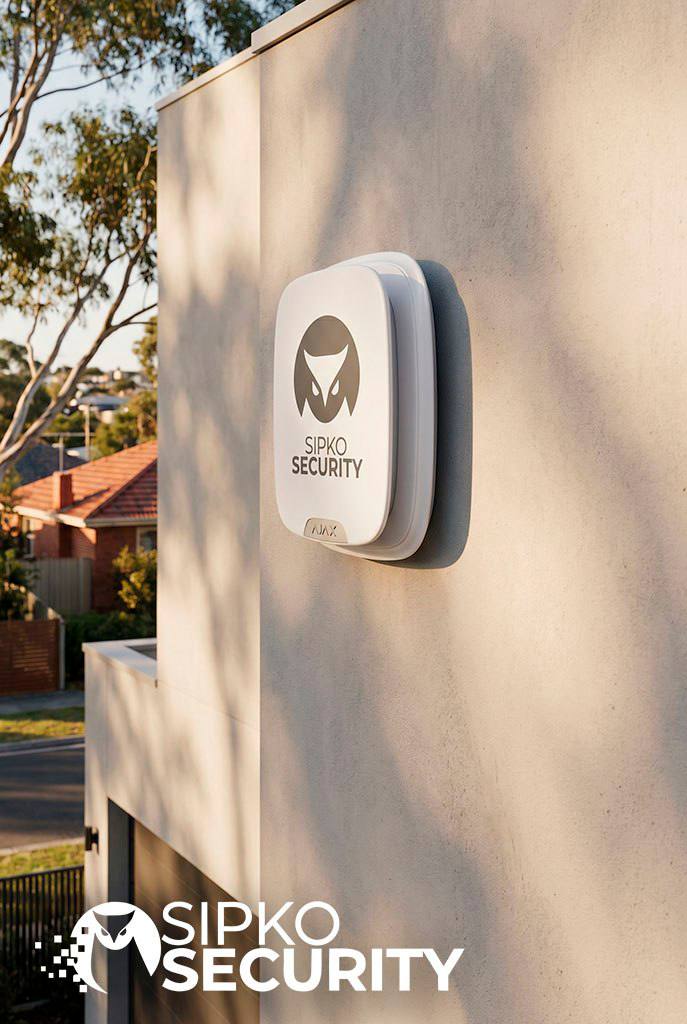
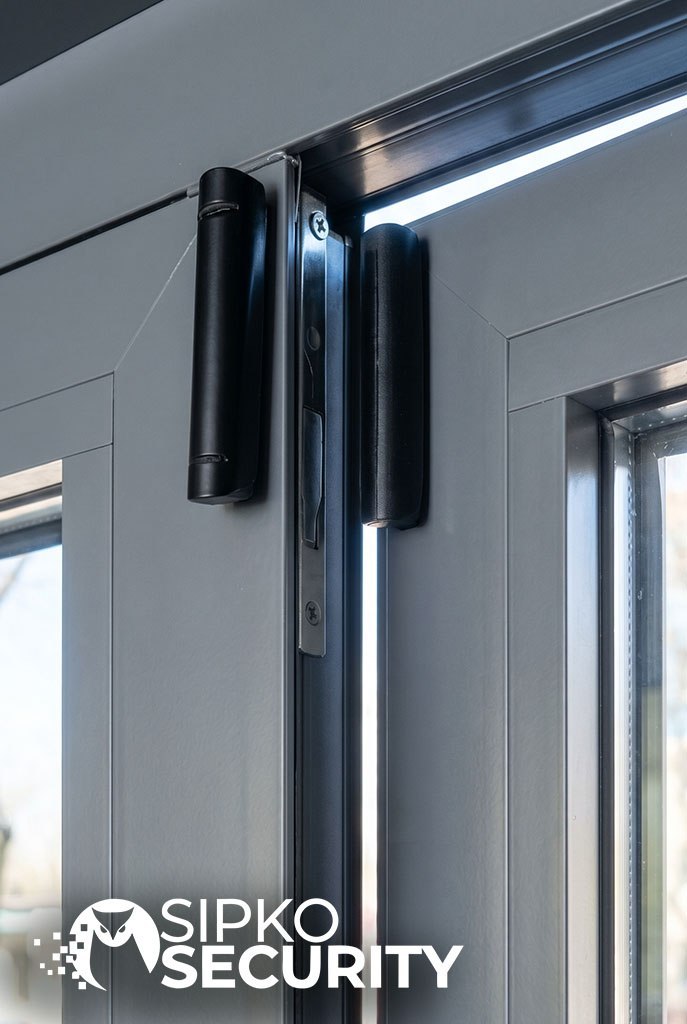
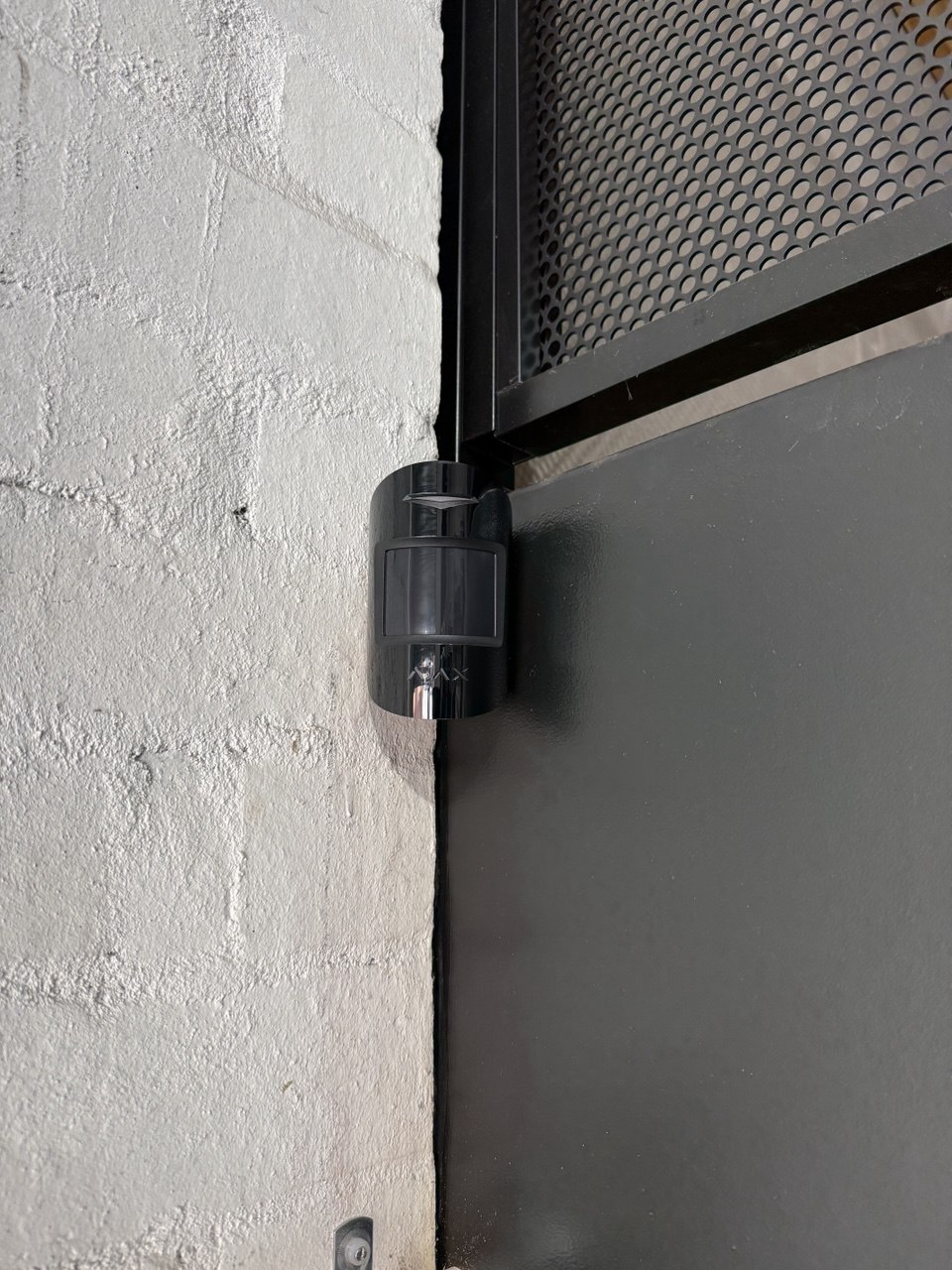
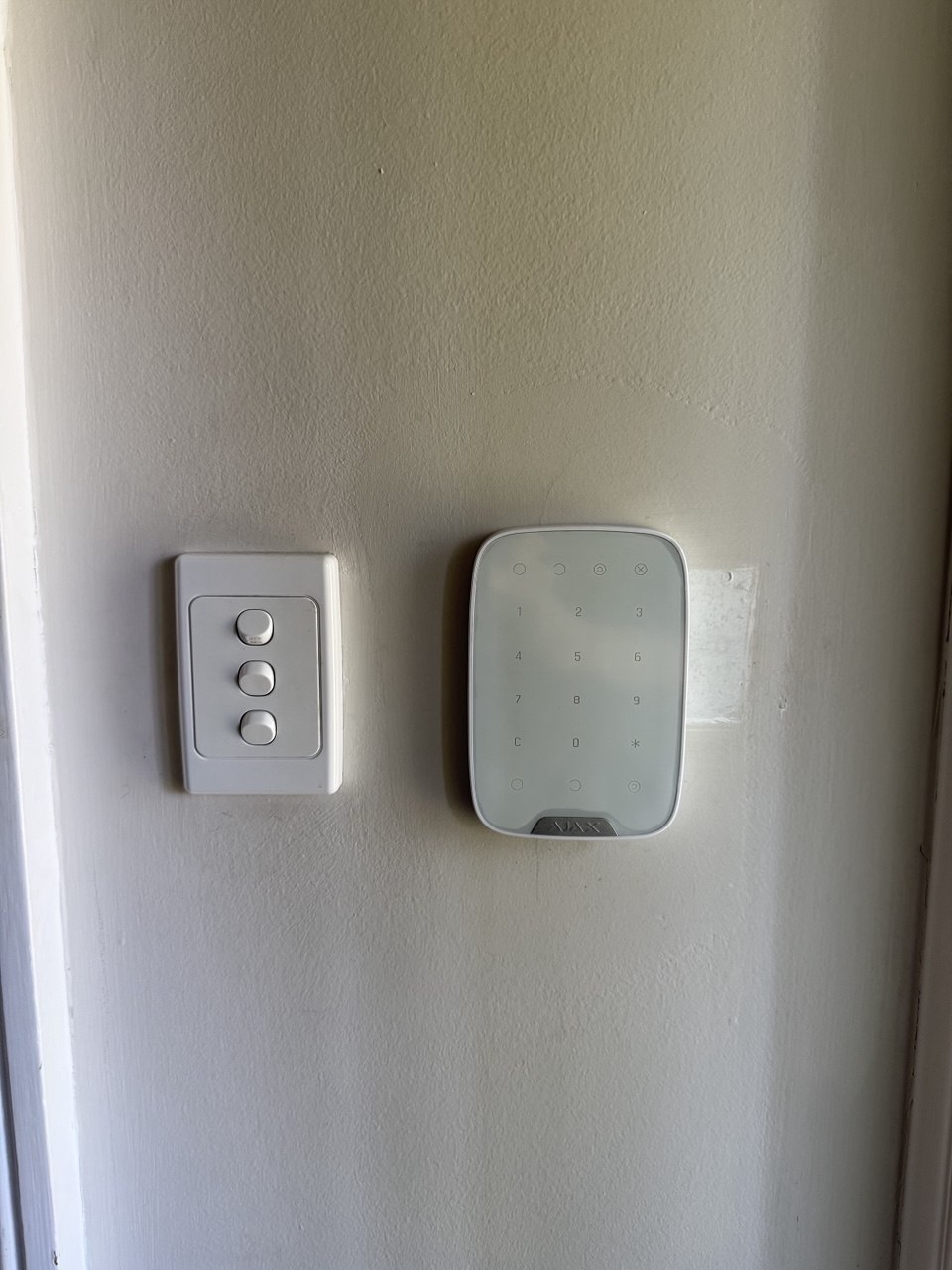
SIPKO Security provides alarm installation, alarm monitoring and security system installation services across the City of Port Phillip. Properties throughout the area often share the same requirement: better visibility over access, visitors, deliveries and activity around the property.
Frequently Asked Questions
Common questions about alarm installation, monitoring, apartment security, rental properties, CCTV integration and access management in Port Phillip.
How much does alarm installation cost in Port Phillip?
Do apartment owners need alarm systems?
Can alarm systems be used in rental or investment properties?
Do I need alarm monitoring?
Can alarm systems be integrated with CCTV cameras?
What should I look for when choosing alarm installers near me?
Can I manage property access remotely?
Properties in Port Phillip often involve more movement, more visitors and more access events than traditional suburban homes.
Whether you own an apartment in St Kilda, a townhouse in Port Melbourne, an investment property in South Melbourne or a residence elsewhere within Port Phillip, the right alarm system should help you understand what is happening at the property without adding unnecessary complexity.
SIPKO Security provides alarm installation, monitoring and alarm & CCTV integration across Port Phillip, helping property owners create security systems that support the way their properties are actually used.