
Security Camera Installation in Richmond for Terrace Homes and Conversions
Richmond homes rarely have just one entry to think about. A narrow Victorian terrace tucked behind Bridge Road, Swan Street or Victoria Street might have a front door close to the footpath, a side return barely wide enough to pass through, and a rear laneway gate opening onto a right-of-way shared with the neighbours — three different boundaries on one small block.
For many owners, the only camera on the property is one a previous electrician fitted over the front door years ago. As the home changed — a side path added, a garage built into a converted laneway frontage, a courtyard enclosed — that original camera position stopped matching where the property's real access points actually are.
SIPKO Security provides security camera installation in Richmond, with camera placement planned around each property's actual edges — frontage, side return, laneway gate — rather than a standard front-and-back layout.

CCTV Installation in Richmond
Most CCTV planning issues in Richmond only show up once someone actually walks the property — a gate here, a narrow side return there, a courtyard that wasn't obvious from the street.
A single-fronted terrace right on the footpath calls for a very different setup than a townhouse with its own internal garage, or a converted warehouse where the original loading entrance is now a private courtyard. What matters is matching the camera to the specific points on that property worth watching, not applying the same setup everywhere.
Shared rear laneways bring their own complications. Many serve more than one property, so the planning question isn't just whether the camera can see the lane, but whether it captures the specific gate, garage door or parking spot connected to this address. Getting it right usually comes down to where the camera sits, how it's angled, and whether there's enough light at the time most activity actually happens.
A well-planned Richmond installation works from the property's real edges — frontage, side return, laneway gate — rather than a fixed template, especially once a renovation or conversion has added an access point the original layout didn't have.
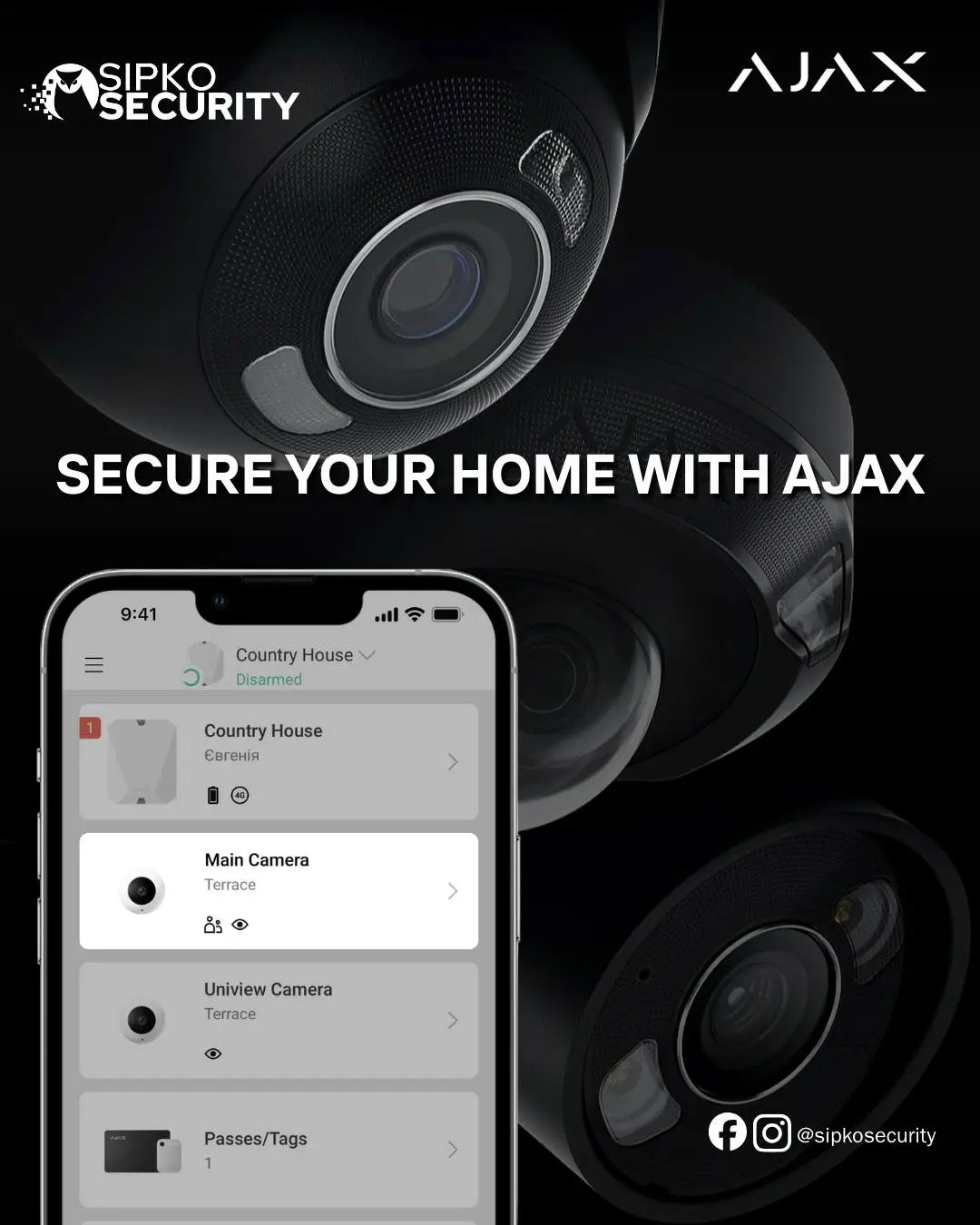
Security Camera System Installation in Richmond
Most Richmond properties need more than a camera at the front door and one out back.
A typical Richmond block might have a street-facing door, a narrow side return, a back gate onto a shared lane, and sometimes an internal garage besides — four separate points that each need their own answer to whether they're worth watching, not one camera trying to cover all of them at once.
- Coverage for narrow-frontage terraces where mounting options are limited.
- Rear laneway and gate coverage shared with neighbouring properties.
- Internal garage or courtyard coverage for conversions and townhouses.
- Upgrades where an old single-camera setup no longer matches the property's layout.
Where a rear lane serves more than one address, the planning question is which section is actually tied to this property — a gate, a garage door, a parking spot — rather than the laneway as a whole.
A warehouse conversion or a newer townhouse can include an internal garage, an enclosed courtyard or a side gate that a standard freestanding home wouldn't have, so the camera plan needs to start from the property's actual layout.
What We Protect in Richmond
A terrace's front door often sits within a step or two of the footpath, leaving little room to separate a useful angle from passing pedestrian traffic. Placement usually depends more on height and angle than on distance.
Properties that started life as a factory or warehouse, or were built more recently as townhouses, often have entry points a typical free-standing home doesn't — an internal garage, a fully enclosed courtyard, a gate added when the building was converted. The plan should follow what's actually there, not a generic two-camera default.
A rear laneway shared with several neighbours is common in Richmond, and what's worth covering is usually just the section nearest this property's own gate or garage, not the lane as a through-route.
Security Systems We Install in Richmond
Richmond's mix of terraces, conversions and townhouses means no two properties need quite the same camera setup, so it's worth comparing systems properly rather than choosing on price alone.
An alarm is good at pointing to a specific spot — a door, a gate, a garage roller door — but it doesn't show what's actually happening there.
CCTV fills that gap, letting a Richmond homeowner check a laneway gate or side entry directly instead of guessing whether an alert means a delivery, a neighbour, or something worth a closer look.
Richmond properties with a laneway gate, a side return or an internal garage tend to get the most out of pairing the two systems together, since there's simply more ground for an alarm and a camera to cover between them.
It's common for a Richmond enquiry to start as "I just need a camera or two" and turn into a closer look at where the property's actual entry points are.
The reviews below come from a mix of terraces, conversions and townhouses, each with its own laneway, side access or courtyard to plan around.




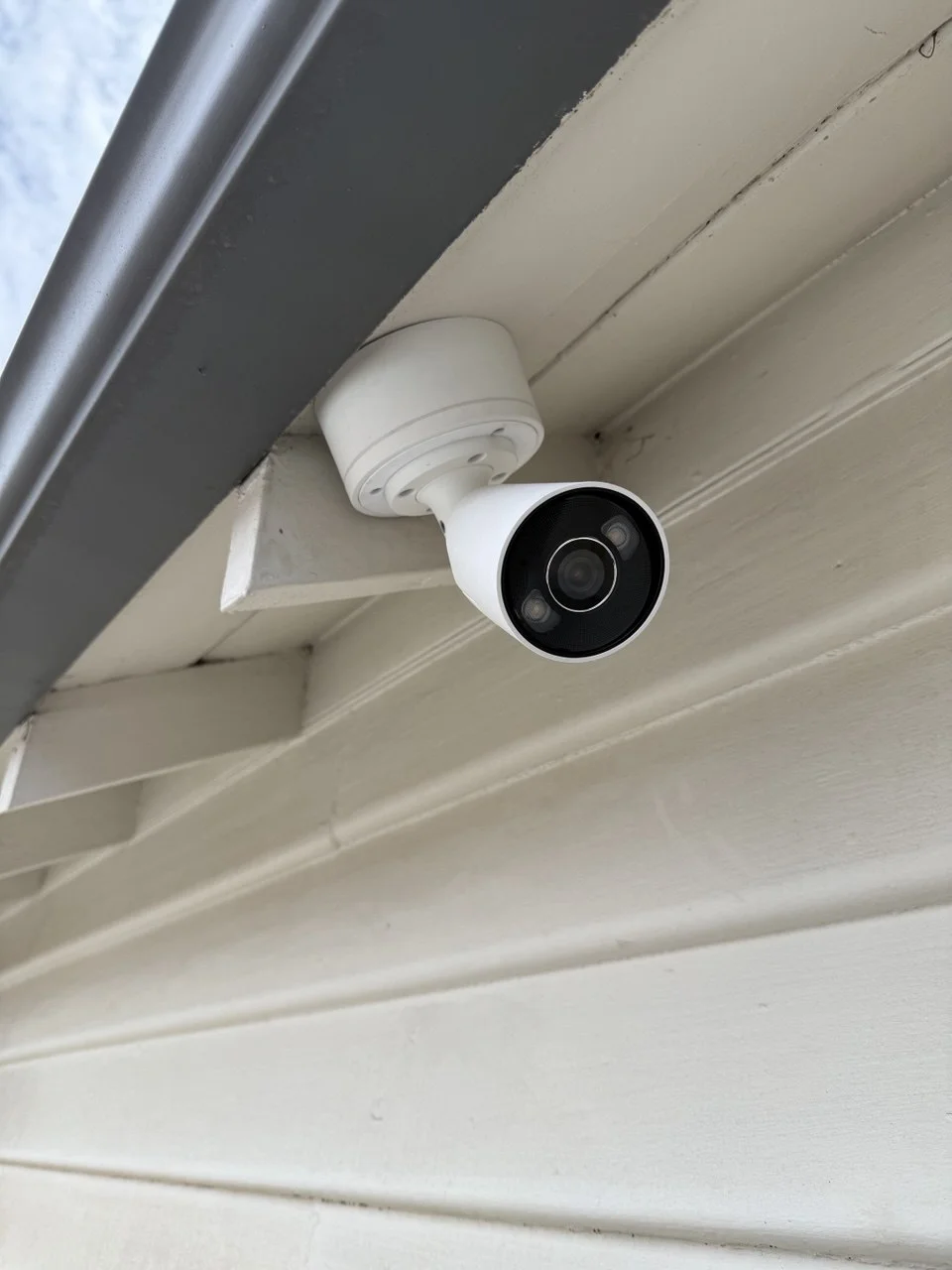
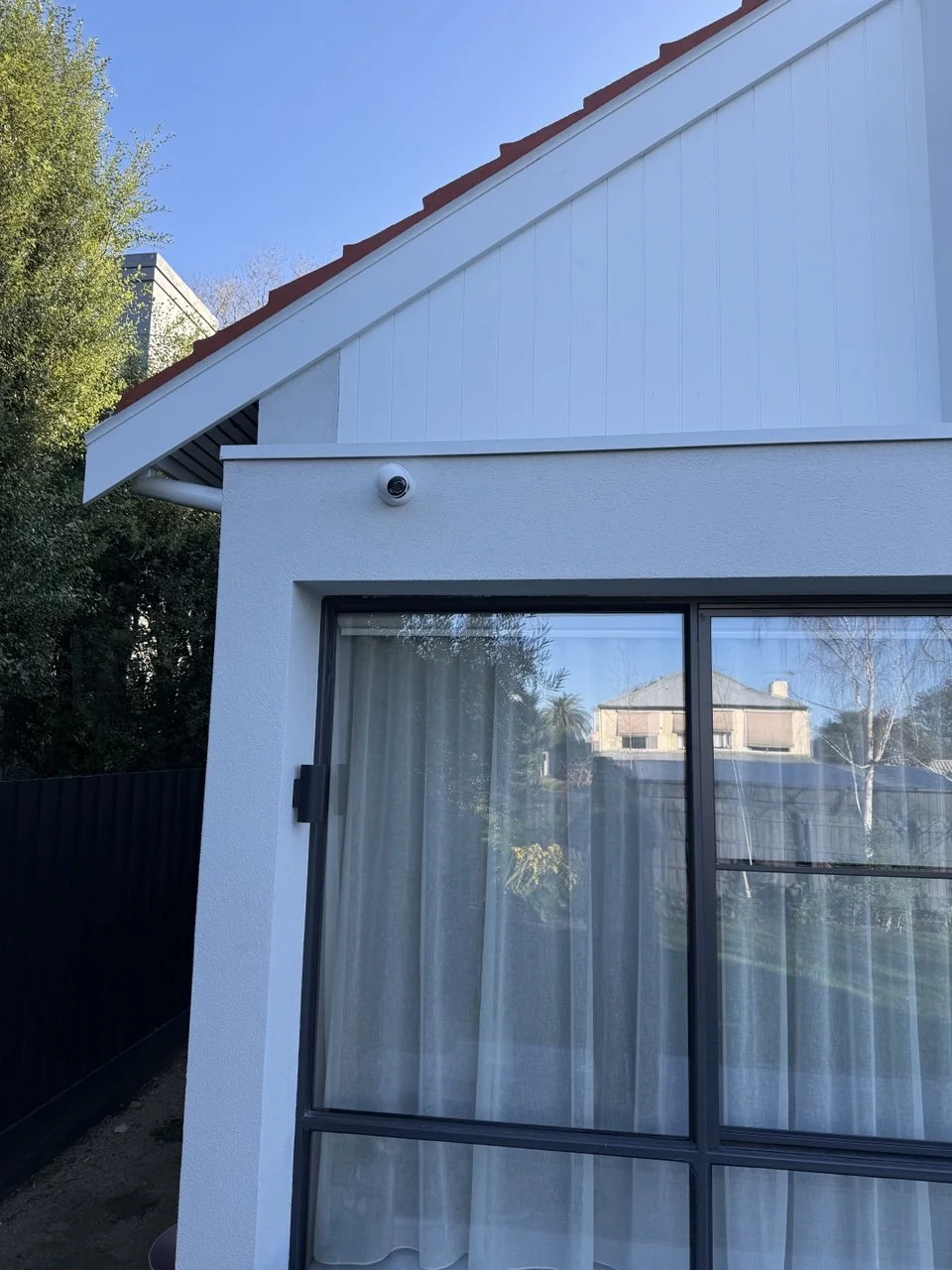
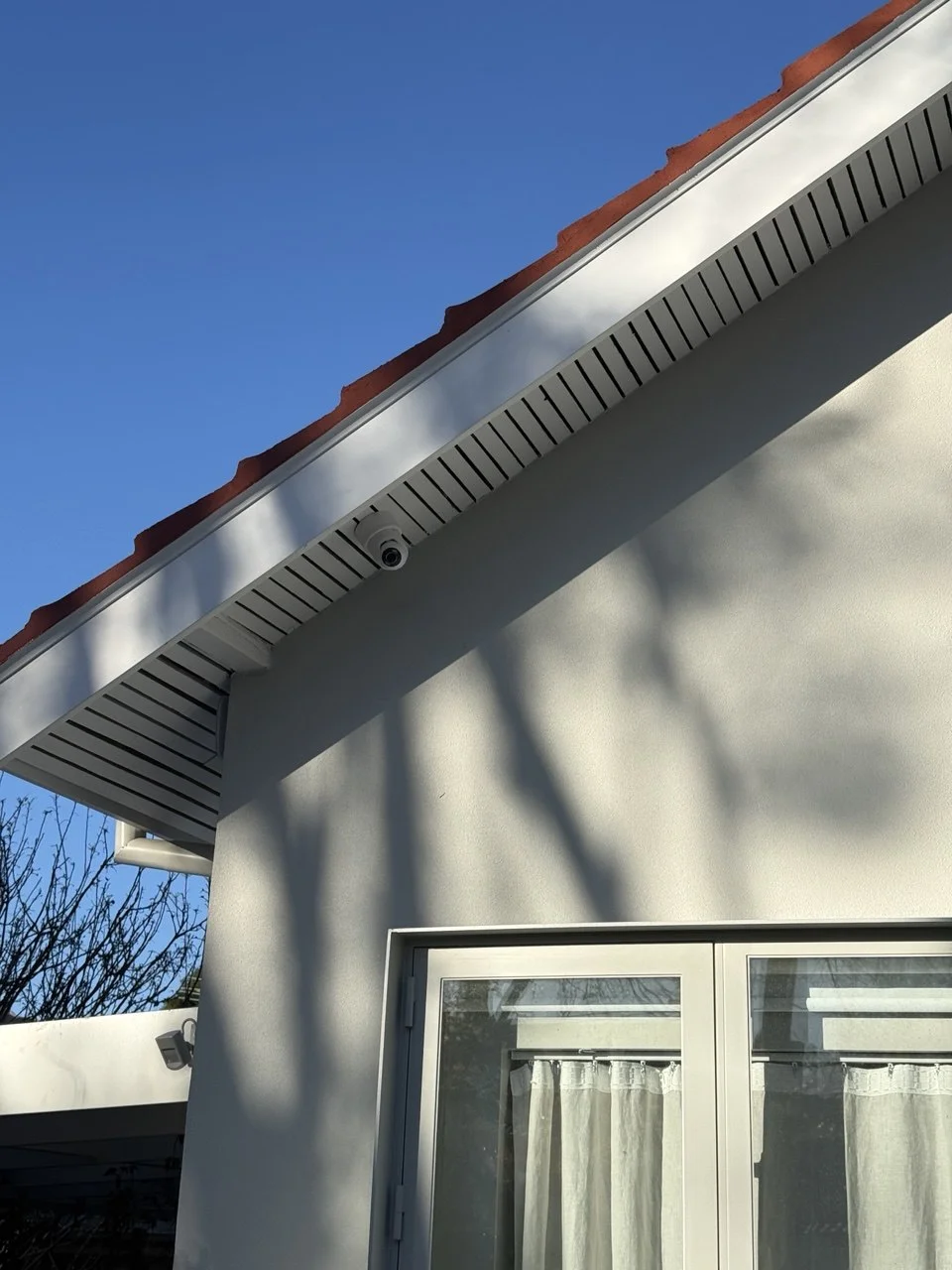
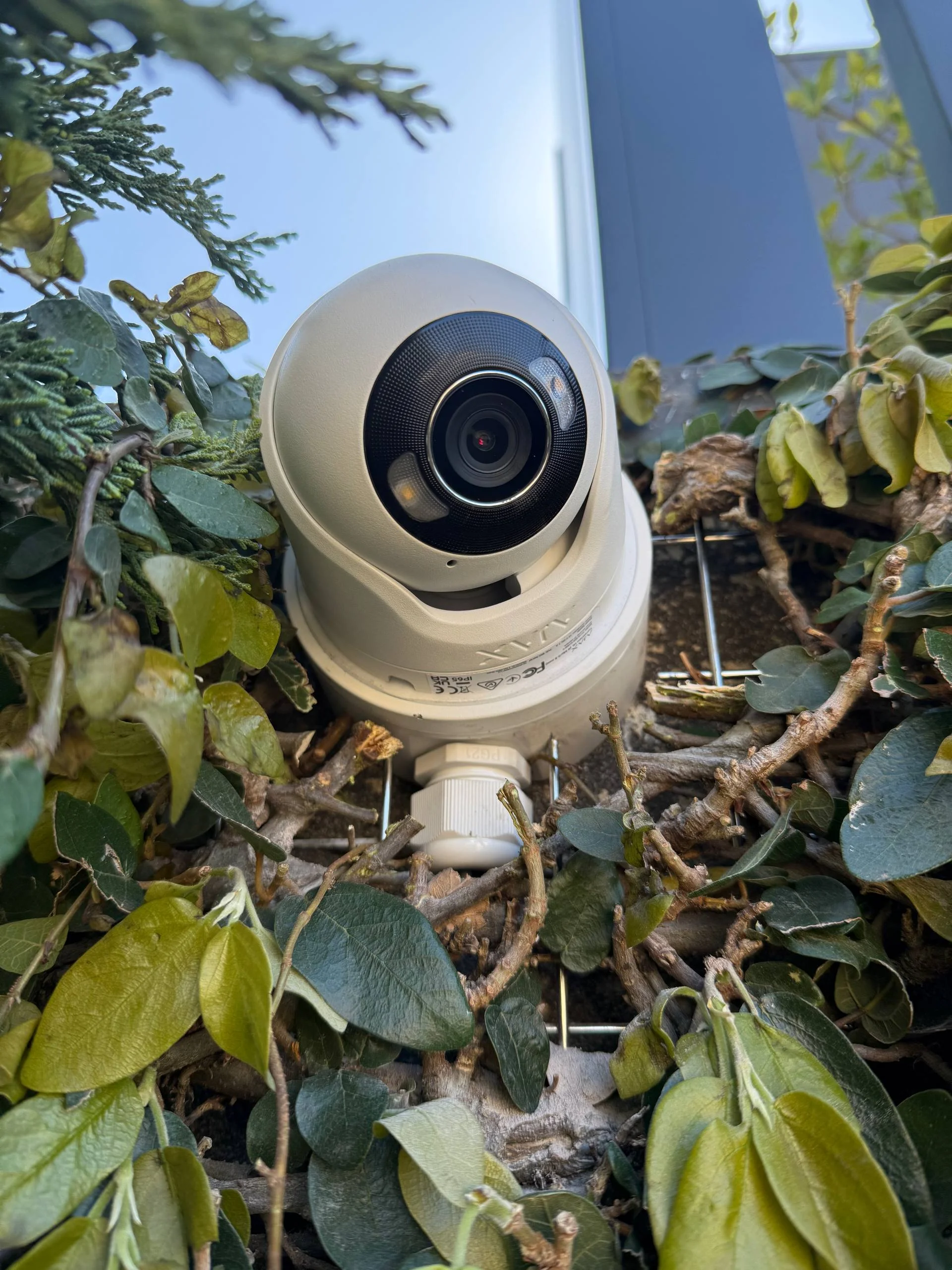
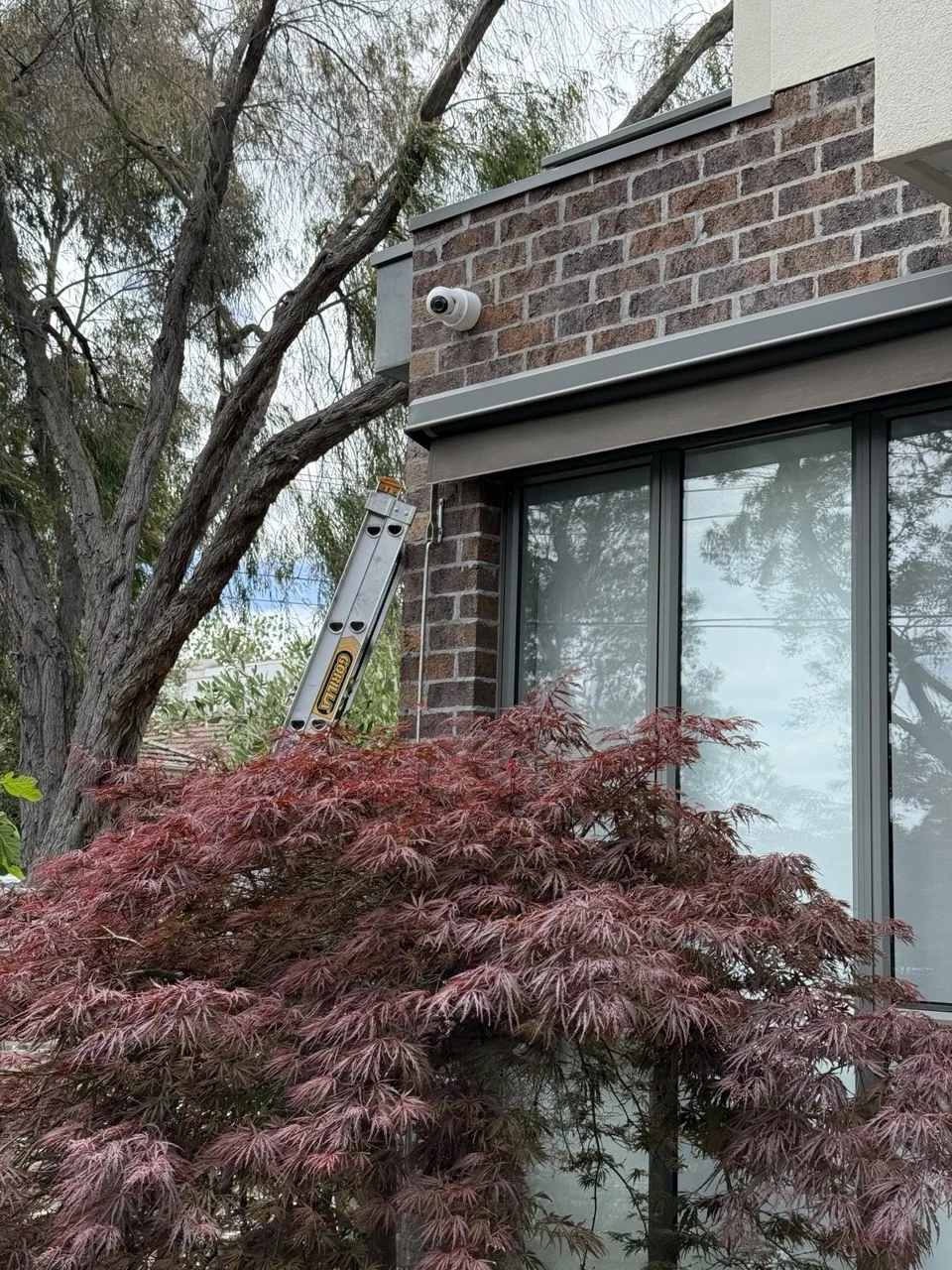
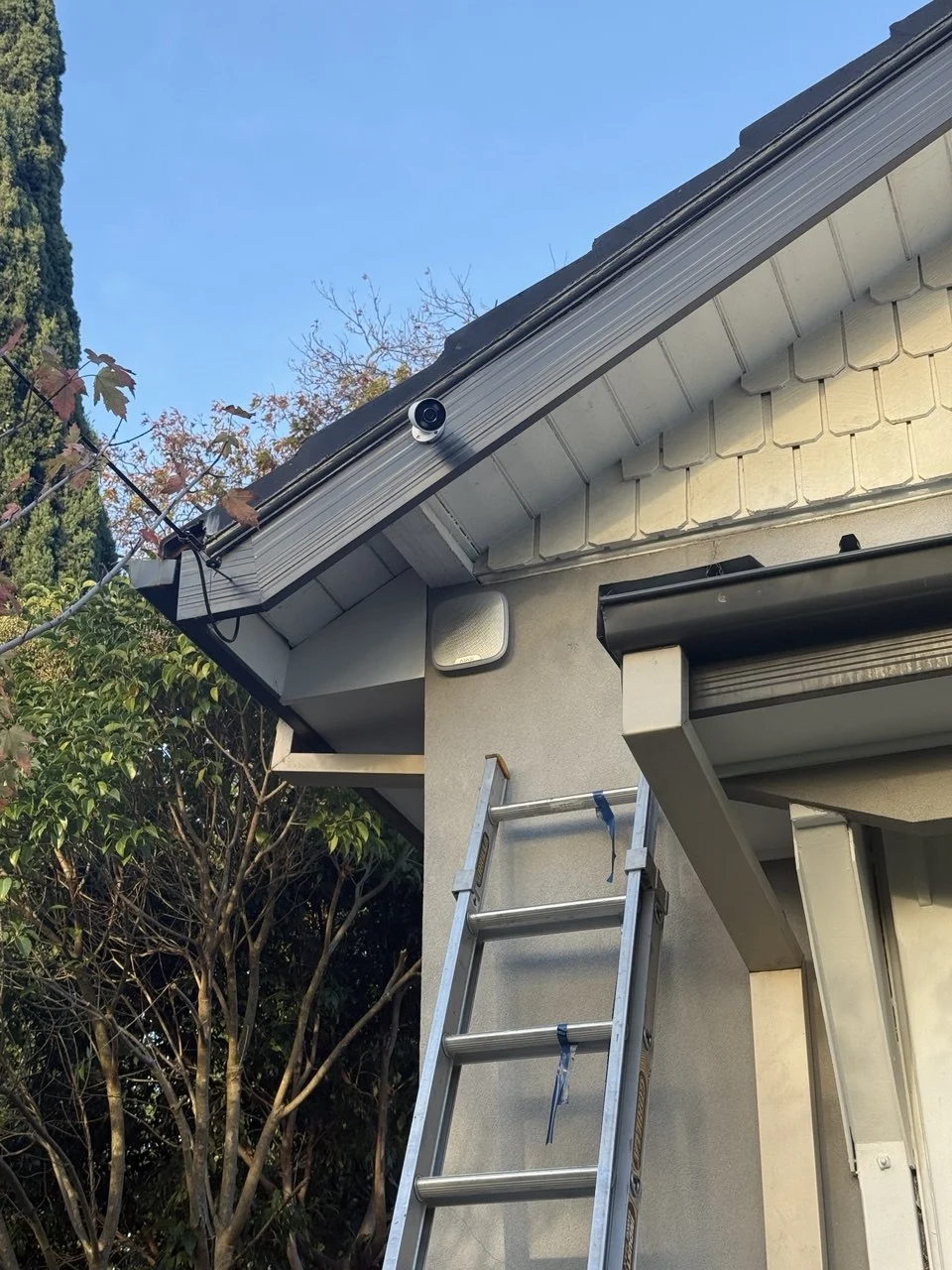
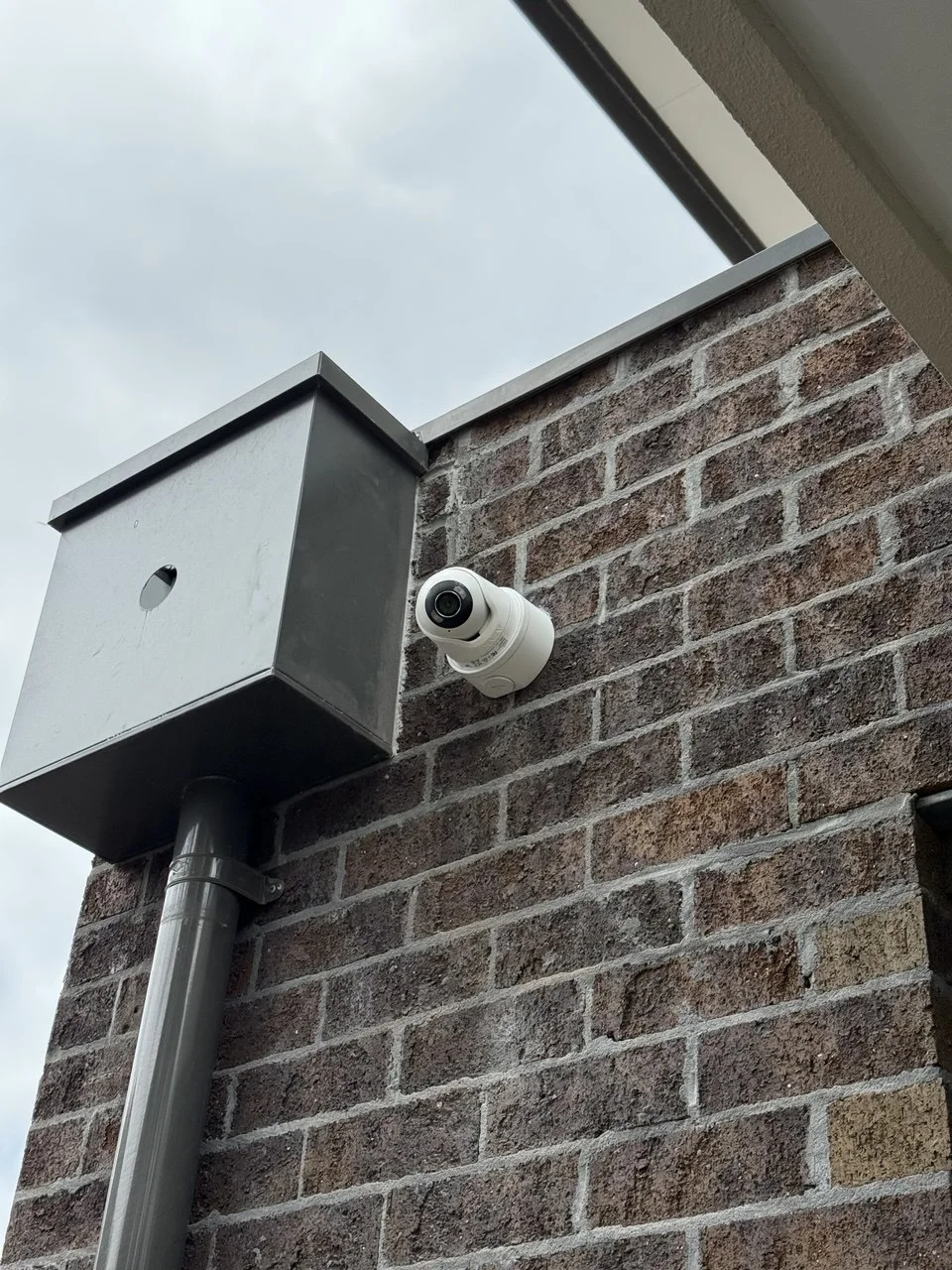
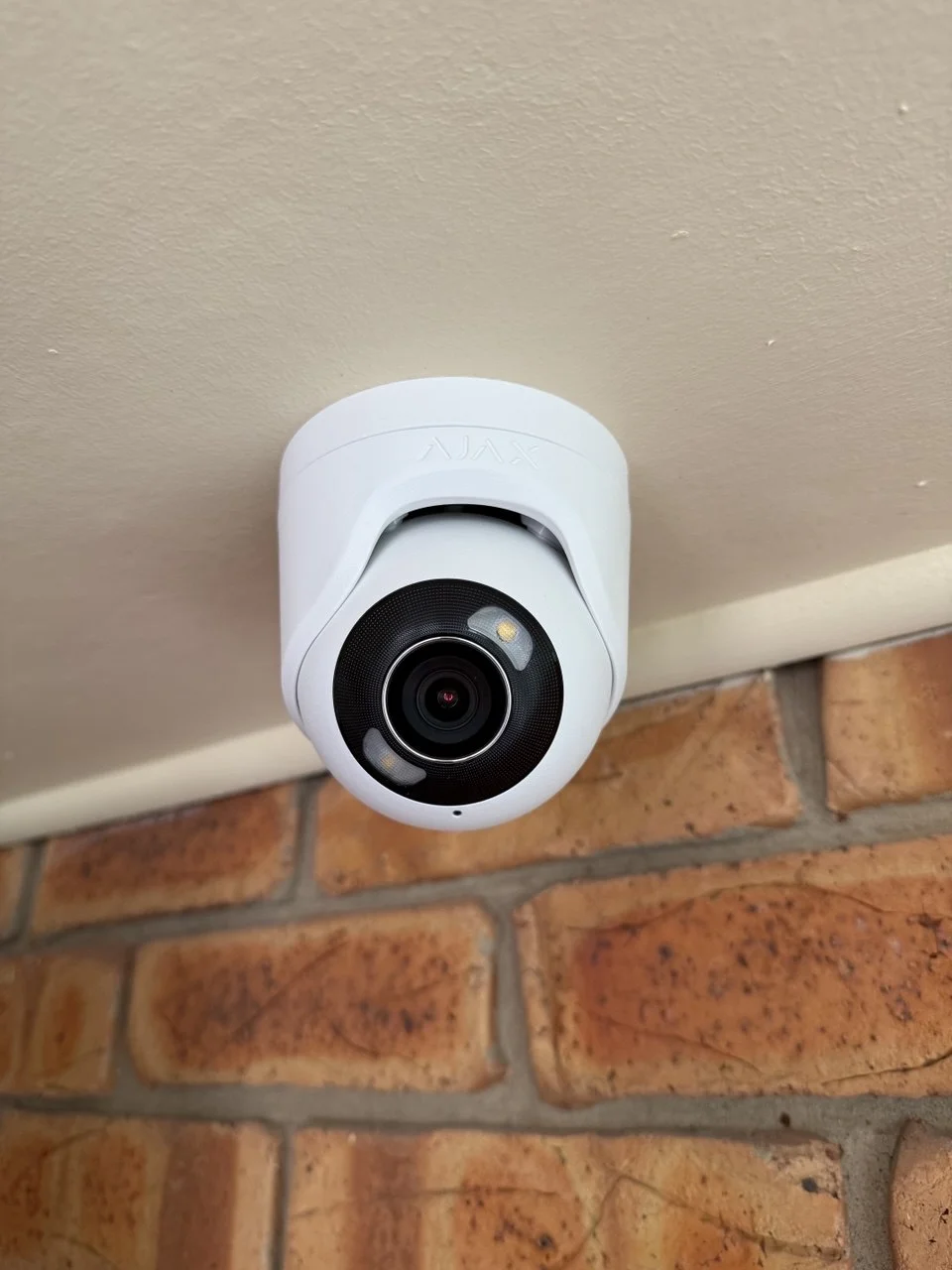
Every Richmond property brings its own mix of frontage, laneway and internal layout, and the photos below reflect a range of recent installations across those layouts.
Areas We Service Around Richmond
Richmond isn't the only part of inner Melbourne where laneways, conversions and narrow blocks shape how CCTV gets planned — SIPKO Security installs across the surrounding suburbs too.
Frequently Asked Questions
Answers to the questions Richmond homeowners ask most about laneway coverage, terrace placement, conversions and pricing.
How much does CCTV installation cost for a property in Richmond?
Is rear laneway access a common consideration for CCTV in Richmond?
How does CCTV placement change on a narrow-frontage terrace?
What's different about CCTV planning for a converted warehouse or townhouse?
Is it possible to upgrade an older CCTV system instead of replacing it?
Does SIPKO offer combined CCTV and alarm systems?
Will I be able to check Richmond property cameras from my phone?
A Richmond property's frontage, side return, laneway gate and internal garage can all need separate attention — not just the front door and the backyard.
Whether the home is a terrace, a warehouse conversion or a newer townhouse, the camera plan should match how it's actually laid out, not assume a standard setup.
Get in touch and SIPKO Security will walk the property with you, point out the access points worth covering, and handle the installation from there.
