
Security Camera Installation in South Melbourne for a Suburb That Runs Two Schedules
South Melbourne has a version of itself that most of Melbourne only sees on weekends. The South Melbourne Market draws visitors from across the city every Saturday and Sunday — through Coventry Street, along Cecil and Bank, into the residential laneways and side streets that connect the Market precinct to the surrounding terrace blocks. By mid-morning on a Saturday, the streets immediately around the Market belong to a population that has no other connection to the suburb and will be gone by the afternoon.
Security camera installation in South Melbourne tends to start with this observation: the street a resident knows on a Wednesday is not the same street that exists on Saturday morning. The terrace on Cecil Street is the same building. The lane behind it sees a different pattern of use. A camera covering the front entry and the rear lane is covering two different streets in a single week — one the resident can read from habit, and one they can only read from footage.
SIPKO Security provides security camera installation in South Melbourne for properties across the suburb's genuinely varied housing stock — Victorian terraces in the heritage precinct, warehouse conversions with non-standard entry points, older walk-up apartments and newer buildings along Clarendon and Kings Way — and for investment properties managed at a distance by owners who aren't present for either version of the suburb's weekly cycle.

CCTV Installation in South Melbourne
A residential street in South Melbourne's heritage precinct — the rows of single and double-fronted Victorian terraces along Cecil, Bank and Dorcas Streets, the bluestone laneways threading between them — can look as settled and familiar as any inner suburb in Melbourne on a Tuesday afternoon. The street is readable. The faces are the same. The rhythm is predictable enough that an owner or resident can build up a reliable picture of what belongs there and what doesn't. By Saturday morning, the same street is absorbing the parking overflow and foot traffic of one of Melbourne's largest fresh food and dining markets, and the movement through it doesn't belong to the people who live there.
This is what makes cctv installation in South Melbourne a particular planning exercise for properties near the Market precinct. The camera isn't there to record a street that's unfamiliar — the resident knows it well on the days it belongs to them. It's there to record both versions of it: the working-week version the owner knows from habit, and the weekend version that replaces it with a population the owner has no way of reading by memory. The footage provides what the street's weekday familiarity doesn't — a record that holds on Saturdays.
Home security camera installation in South Melbourne also needs to account for the suburb's unusually varied built form. South Melbourne has more distinct housing types per square kilometre than almost any comparable inner suburb: Victorian and Edwardian terraces with bluestone lane access at the rear, warehouse conversions along Coventry Street and the industrial edge near Ferrars and Boundary, older 1950s-70s walk-up apartment blocks scattered through the residential streets, newer buildings along Clarendon and Kings Way. Each type comes with different entry points, different access configurations and a different starting question for coverage planning.
A high rental proportion — over half of South Melbourne's occupied dwellings are rented — means a significant share of properties are managed at a distance. Investment apartments near Clarendon Street, terrace houses on longer leases, warehouse conversions held as assets by owners who bought for the neighbourhood rather than to walk past the property daily. For these owners, a system that provides remotely accessible footage matters more than it would in a suburb where the owner is part of the street's daily routine — particularly on the weekends when the suburb's character is least predictable from memory alone.
Security Camera Systems & CCTV Solutions for South Melbourne Properties
Security camera system installation in South Melbourne is shaped by two things that make this suburb genuinely different from comparable inner properties: a housing stock that spans more distinct building types than almost any other suburb its size, and a weekend character that draws the whole city into its residential streets in a way that no other day of the week does.
What most South Melbourne properties share is a practical need for footage that stays useful regardless of when it was recorded. A camera covering a Cecil Street terrace or a Clarendon Street apartment needs to be worth reviewing on a Saturday as much as on a Tuesday — and the two aren't the same proposition.
- Victorian and Edwardian terrace houses in the heritage precinct, where bluestone rear lane access and weekend Market overflow both need to be covered.
- Warehouse conversions with non-standard entry configurations, larger floor plates and rear laneway access that differs substantially from a standard residential terrace.
- Investment properties along Clarendon Street and the Kings Way edge, managed remotely by owners who aren't present on the weekends when the suburb's street character changes most.
- Older walk-up apartment blocks where shared entry coverage and body corporate considerations shape what's available to an individual owner.
The terrace houses on Cecil, Bank and Dorcas Streets are among the most sought-after properties in inner Melbourne. They're also the properties most directly exposed to the suburb's weekend shift — the Market's visitor overflow reaches the nearest residential streets before it's done, and a front entry and rear bluestone lane that are quiet by Tuesday are absorbing a different category of movement by Saturday. A camera planned for both versions of the street is what makes the footage useful for both.
With over half of South Melbourne's occupied dwellings rented rather than owner-occupied, a significant portion of the suburb's housing is managed at a distance. For owners of apartments along Clarendon Street, terrace houses on longer tenancies, or warehouse conversions held as investment assets, remote access to camera footage isn't an optional feature — it's the only realistic way to know what was happening at the property on a Saturday morning when they weren't there.
What We Protect in South Melbourne
The heritage precinct around Cecil, Bank, Coventry and Dorcas Streets is one of Melbourne's best-preserved Victorian residential areas. Properties here carry rear bluestone lane access that needs its own coverage alongside the front entry — and on weekend mornings, they sit in the part of the suburb that absorbs the Market's overflow most directly. Camera coverage for these properties is planned around both the quiet street the resident knows and the busier one that replaces it once a week.
The converted warehouses and industrial buildings along Coventry Street and the Ferrars Street edge have floor plates, entry configurations and rear access arrangements that don't map onto a standard residential terrace. Coverage planning for these properties starts with the building's actual layout — how people enter, where the lane runs, what's visible from the street and what isn't — rather than from a default residential template.
Properties along Clarendon Street, Kings Way and the newer buildings near City Road attract tenants who value CBD proximity and the Market's amenity. For the owners managing these properties at a distance, the suburb's weekend character matters as much as its weekday calm — a system with reliable remote viewing gives them access to both, rather than requiring them to be present to know what the street was doing on a Saturday.
CCTV Systems We Install and Support
Selecting a CCTV platform for a South Melbourne property comes down to whether the system works practically across the building's actual configuration — bluestone lane access on a Victorian terrace, non-standard entry on a warehouse conversion, or unit-door coverage on a Clarendon Street apartment. Our security camera installers in South Melbourne work across systems that stay straightforward for remote viewing regardless of which type of South Melbourne building is being covered.
A question that comes up once camera coverage has been planned is what happens when the footage shows something that needed a response before the owner reviewed it. In a suburb where the street's weekend character is different enough from the weekday that the owner can't rely on memory to assess it, an alert that arrives in real time is more useful than footage reviewed the following Monday.
CCTV and alarms work together in South Melbourne the way they do wherever an owner isn't present at the times when activity is highest. The alarm narrows the weekend's footage down to what matters. Our cctv installers in South Melbourne combine both where the property and the owner's situation call for it — so that a triggered alert on a Saturday morning arrives with the footage needed to assess it, rather than being buried in a full day of Market-adjacent movement.
This matters most for investment properties whose owners aren't present on weekends, and for terrace houses in the heritage precinct where the rear lane sees its heaviest use precisely on the days the owner is least likely to be watching.
South Melbourne clients who've left reviews tend to describe installations that required some thought about the property's specific type — a terrace with bluestone lane access that needed coverage on both sides, a warehouse conversion where the entry configuration didn't follow a standard layout, or a Clarendon Street apartment where the owner needed footage accessible from another suburb entirely.
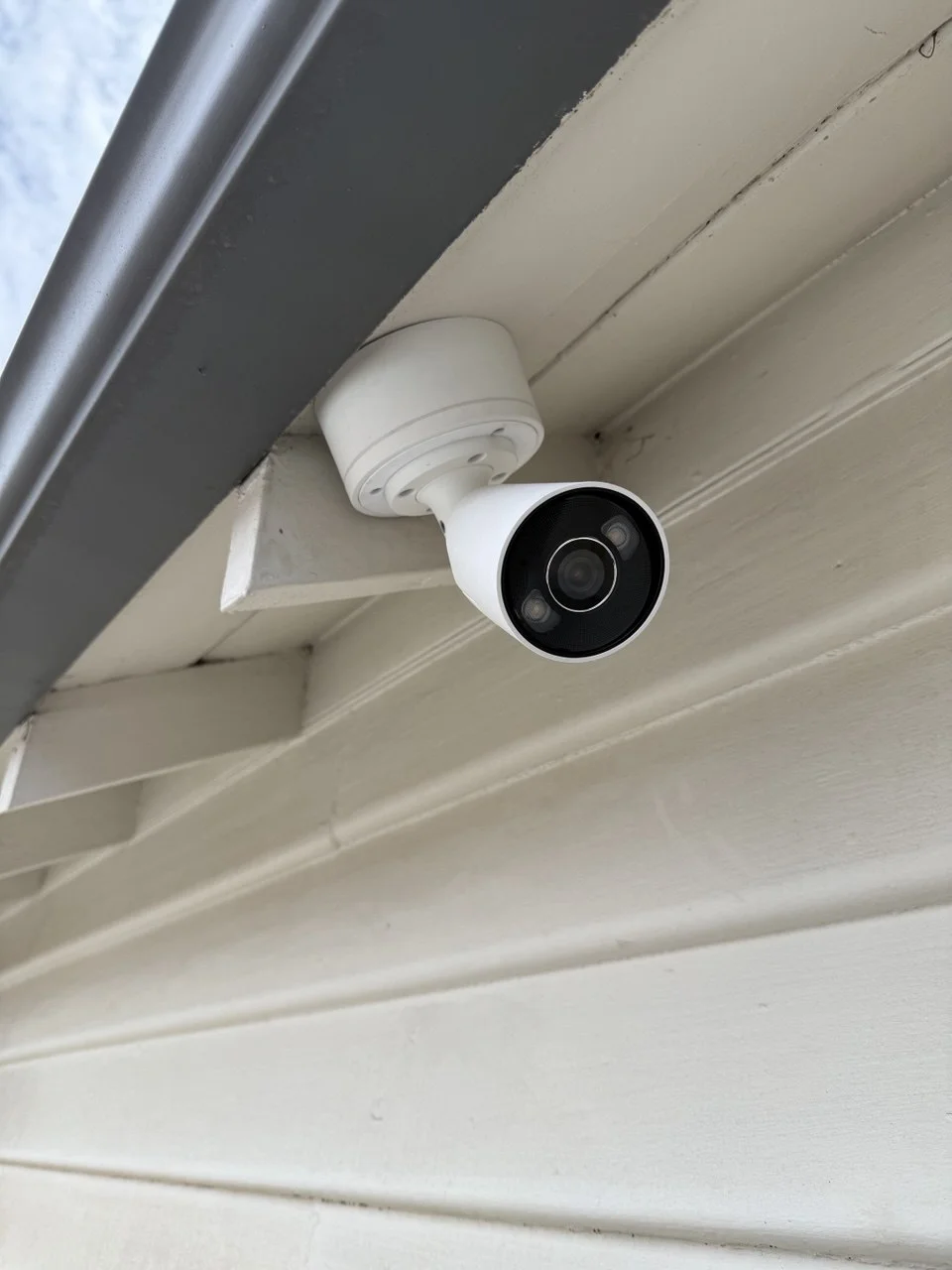
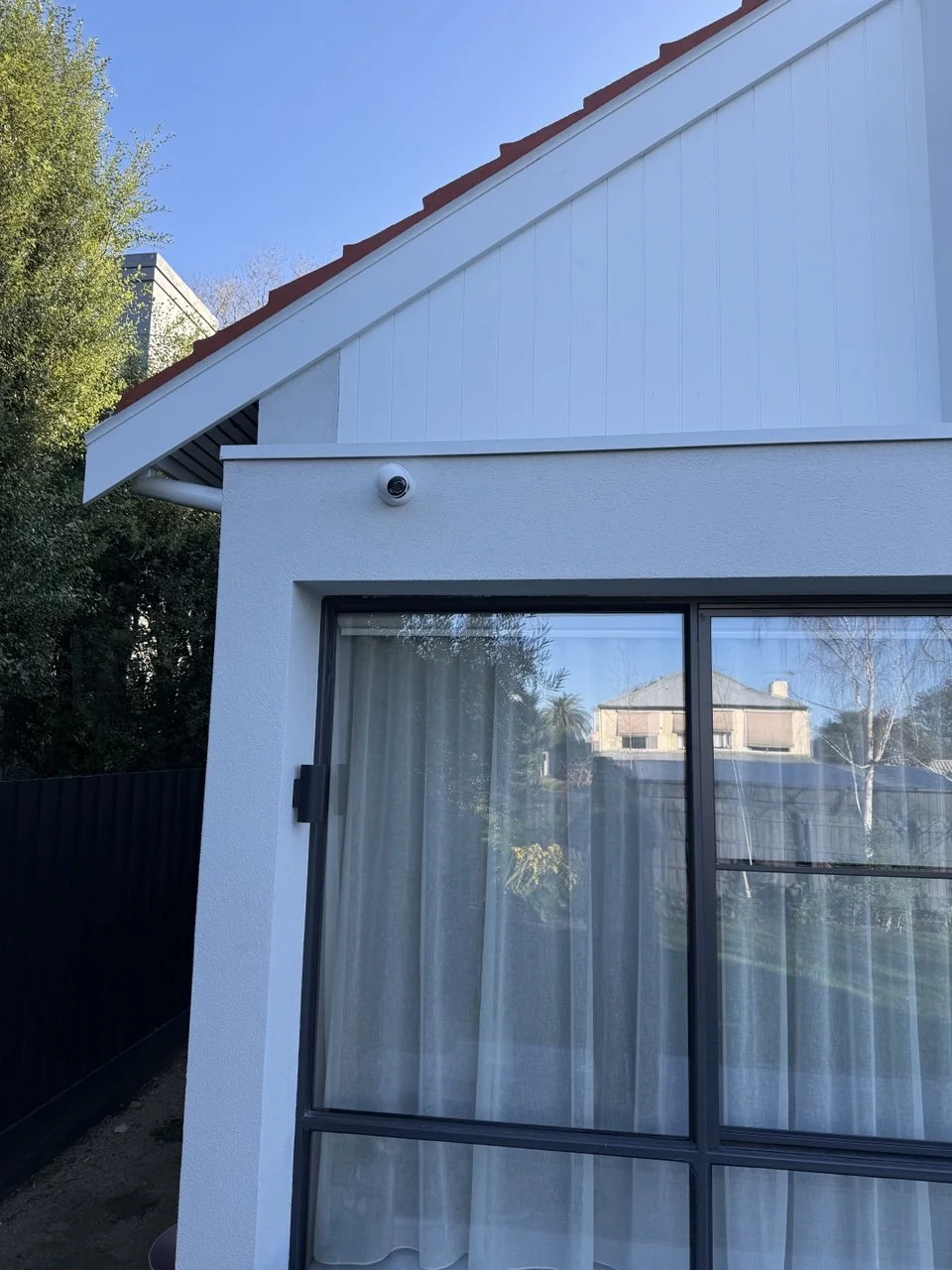
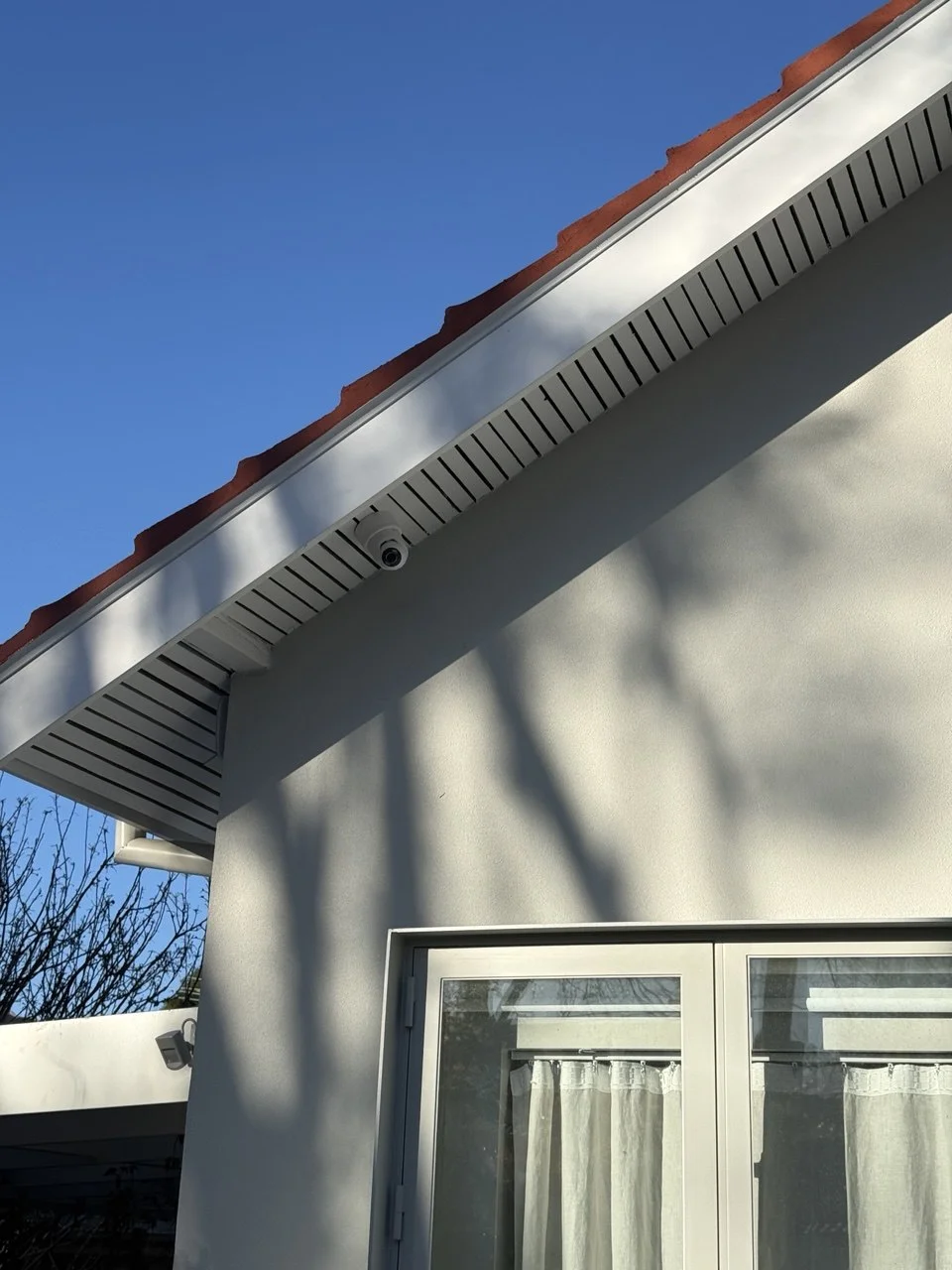
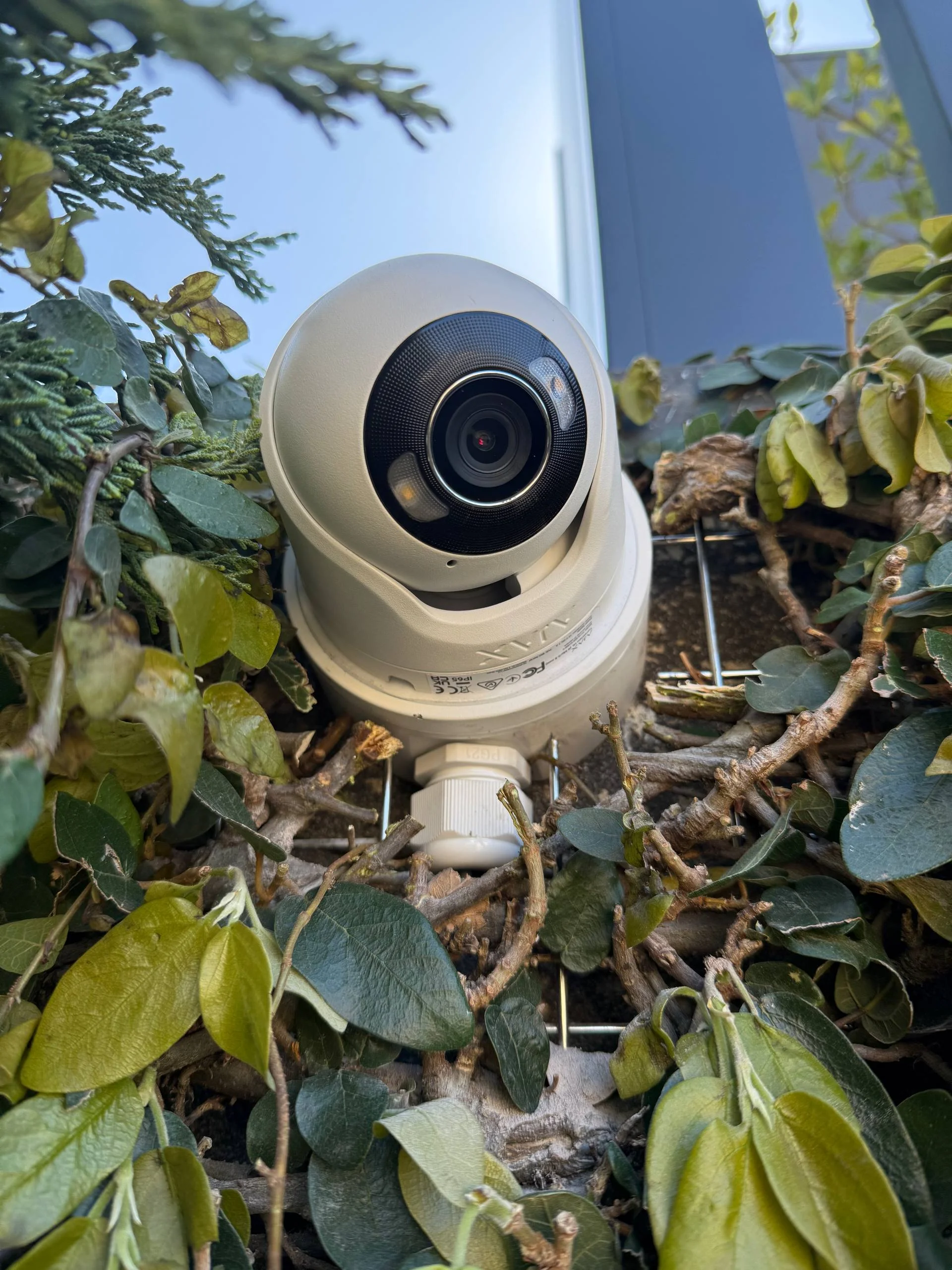
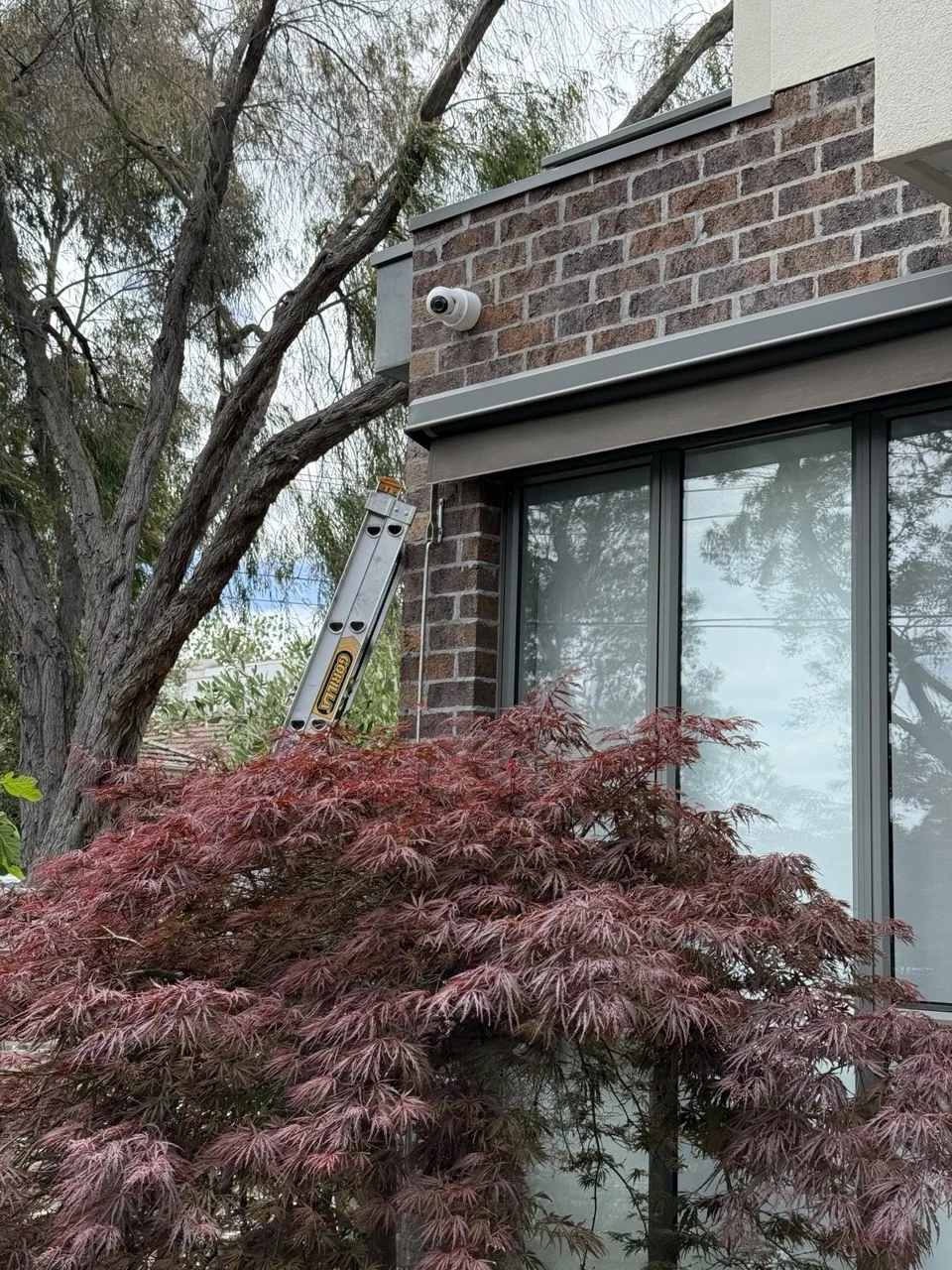
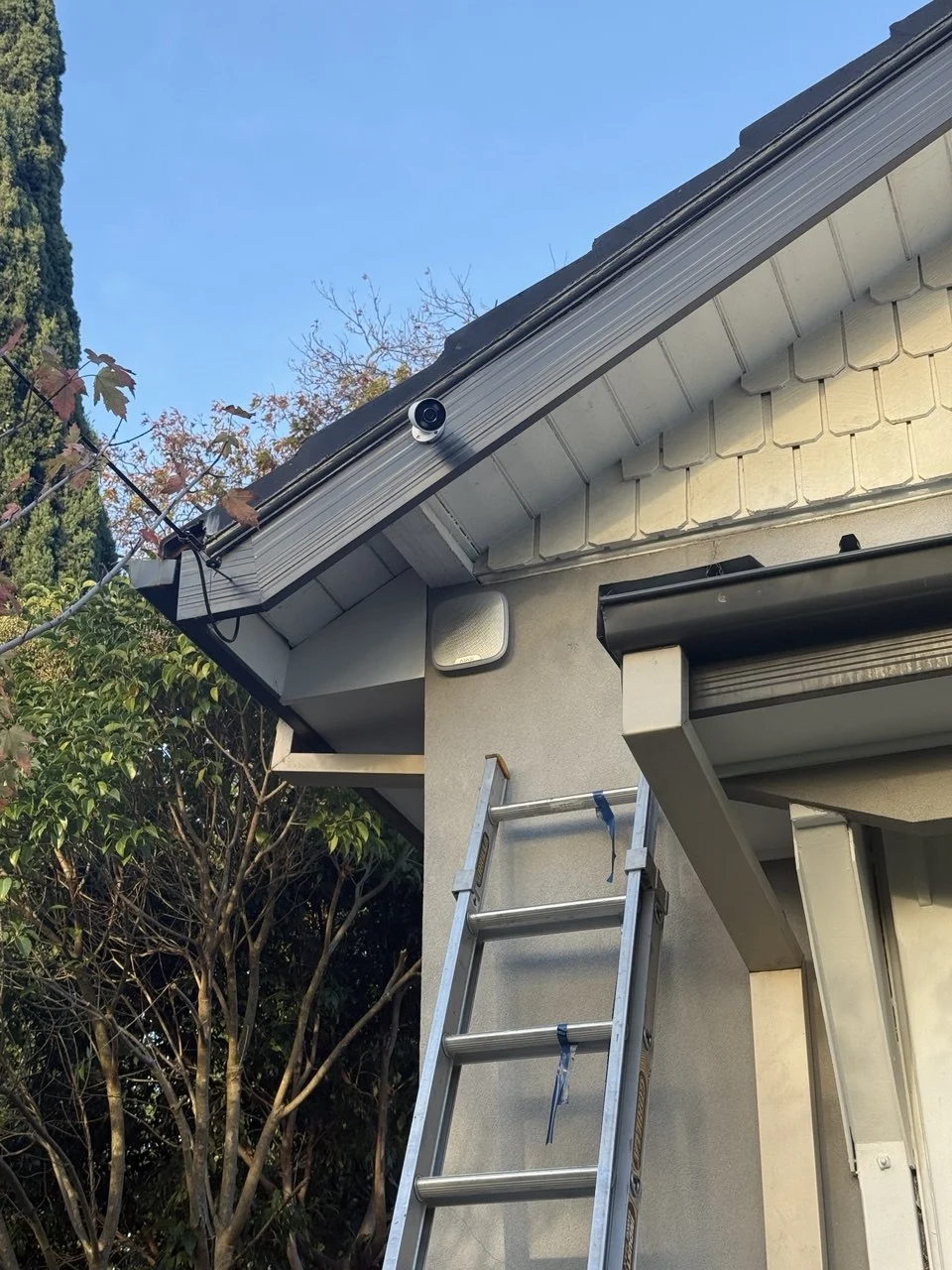
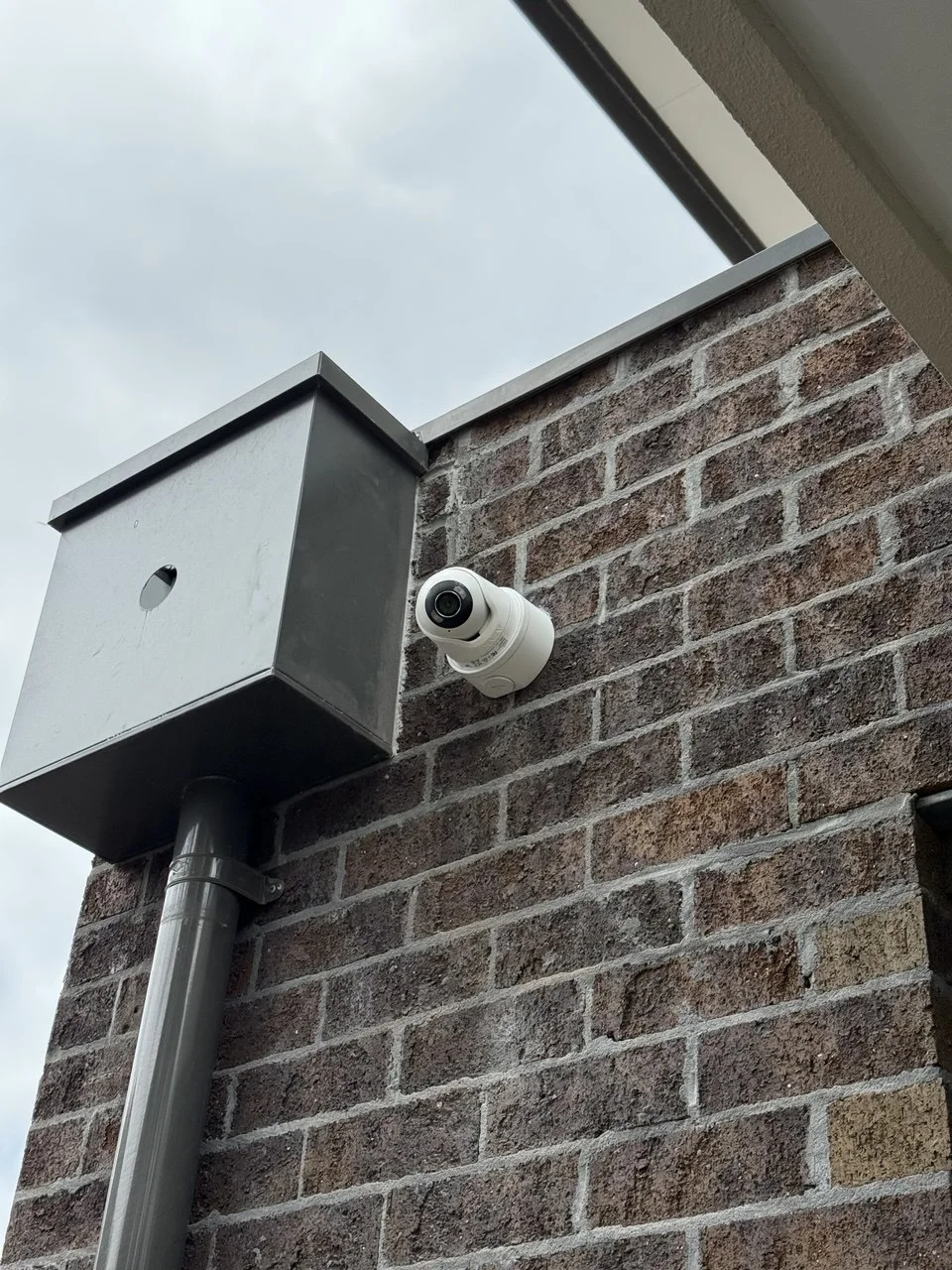
The installations below reflect that range: straightforward front-entry and lane coverage on a heritage terrace, and more involved setups where the building type, weekend activity or remote ownership each added something the standard approach couldn't cover on its own.




Comparing two South Melbourne properties on neighbouring streets can mean comparing a heritage terrace with a bluestone rear lane against a 1960s walk-up apartment managed by someone in another postcode — different buildings, different ownership arrangements, and a different relationship to what the suburb looks like on a Saturday morning.
Areas We Service Around South Melbourne
SIPKO Security provides CCTV and security camera installation across South Melbourne and the neighbouring inner suburbs of Port Phillip and the Melbourne fringe, where heritage housing, varied built form and proximity to the city each bring their own camera planning considerations.
Frequently Asked Questions
Common questions about security camera installation, CCTV system costs, bluestone lane coverage and alarm integration for South Melbourne properties.
How much does security camera installation cost in South Melbourne?
What affects the cost of CCTV installation in South Melbourne?
How many cameras do most South Melbourne properties need?
Does the South Melbourne Market affect CCTV coverage needs for nearby properties?
Can CCTV cover a bluestone laneway or rear access in South Melbourne?
Can CCTV footage be accessed remotely for South Melbourne investment properties?
Can CCTV and alarm systems be integrated in South Melbourne?
South Melbourne's weekday version is one of Melbourne's most legible inner suburbs — a heritage precinct, an established Market district, professional residents on familiar streets. The weekend version is different: the Market brings the city to the suburb's front door, and the residential streets nearest to it absorb that visit whether their residents are home or not.
A camera planned for only one of those versions isn't covering what the property actually needs. A terrace on Cecil Street or Bank Street needs footage that's useful on Tuesday and on Saturday — and the two aren't the same street.
If you're considering security camera installation in South Melbourne, SIPKO Security can assess the property — whether that's a Victorian terrace with rear lane access, a warehouse conversion with non-standard entry points, or an investment apartment managed from another postcode — and recommend coverage that accounts for both versions of the suburb the property sits in.