
Security Alarm Installation in Melbourne for Homes and Apartments
In an ordinary day, someone decides whether an open door is expected, whether movement around the house needs checking, or whether it’s time to call for help — and does something about it there and then. A security alarm installation in Melbourne exists for the times nobody is in a position to do that: asleep, at work, or away. It doesn’t wait to explain what happened later — it’s built to raise the alert when a protected door, window or room is disturbed, so the event can be acted on even when no one at the property is available to respond.
SIPKO installs, replaces and upgrades residential alarm systems across Melbourne — from a first system in a new home to swapping out a panel that’s stopped being trustworthy. Zones are built around the doors, windows and internal routes a property actually has, with entry delays, arming modes and individual users configured around how the household really comes and goes — not a fixed device-per-room checklist.
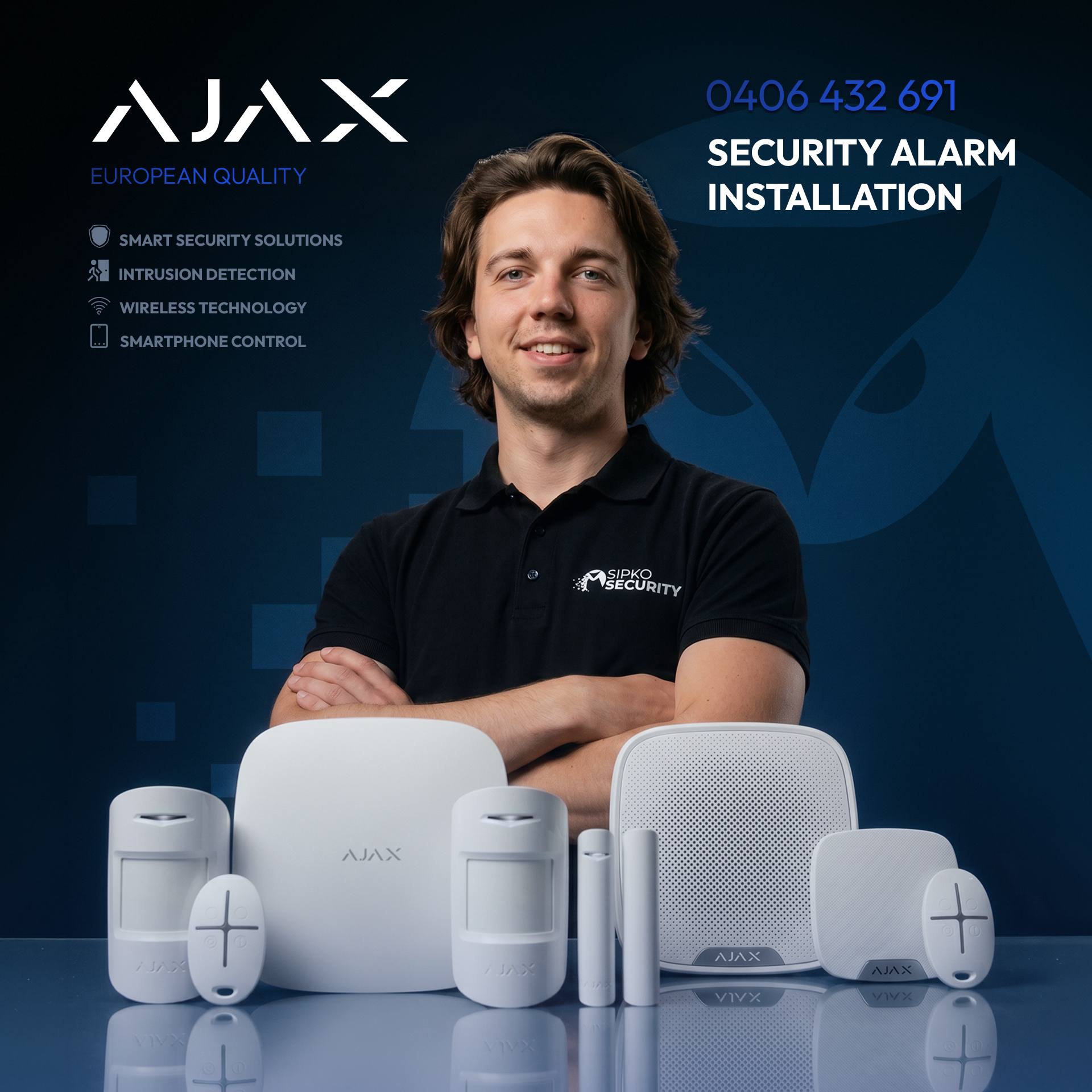
What a Security Alarm System Responds To
A house doesn’t need protecting the same way at 2pm as it does at 2am, or when the family’s away for a fortnight. These three situations shape most of what an alarm actually has to do.
When the property is genuinely empty, no one is available to judge whether an open door or a sound is expected. Full arming covers doors, windows and internal routes so a configured event raises an alert even when nobody is there to respond in person.
Being home doesn’t mean being available to react — asleep, a door opening or a window forced doesn’t get the same response it would during the day. Night Mode keeps perimeter and entry zones active while the household sleeps, so those minutes are still covered.
On a longer trip, even the property owner can’t act on an alert in person. Professional monitoring can pick up a triggered event and hand it to an agreed response procedure, so someone still responds even when the person who’d normally be there is hours or a flight away.
Components Used in Residential Alarm Installation
Equipment is selected after the required protection areas are identified — device type and quantity follow the property, not the other way round.
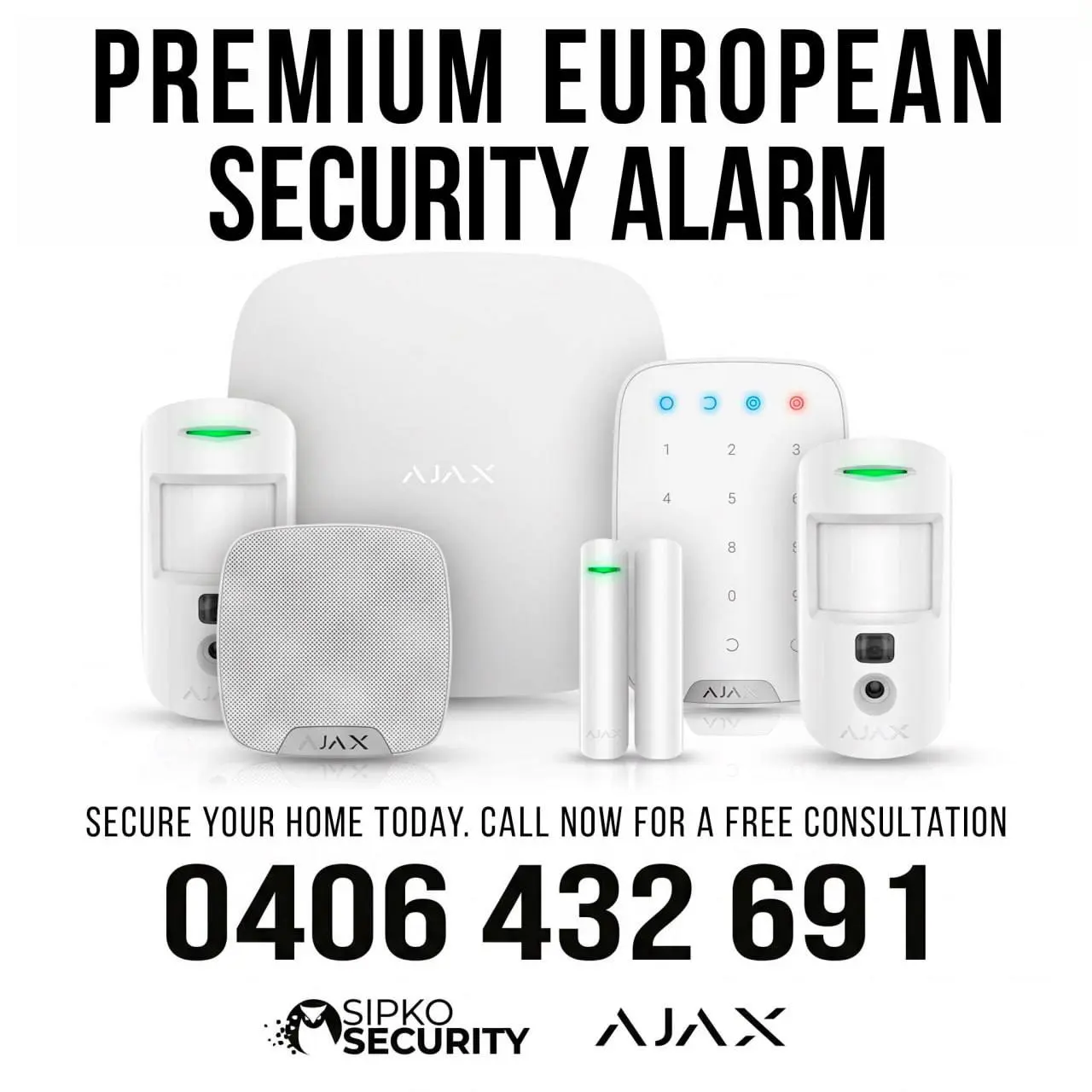
No single device does the job on its own — a panel without a properly tested keypad, or detectors without correctly named zones, just moves the same gap somewhere else. The components below are selected and configured to work as one system, not bought and fitted item by item.
- A control panel or hub connecting every device on the system.
- Door and window contacts on the main entry points.
- Motion detectors covering the internal routes that matter most.
- A keypad and at least one siren, tested together at handover.
The central unit manages zones, detectors, sirens, users and communication.
Provides a fixed point for arming and disarming, with entry delays and user codes configured during commissioning.
Magnetic contacts identify the opening of protected doors, checked for alignment after installation.
Cover selected internal paths and rooms, positioned against field of view and normal household movement.
Can be added to selected glazed areas when room layout and installed equipment support it.
Provides an audible warning inside the home when a programmed alarm event occurs.
Adds audible warning and visible alarm indication when included in the system design.
A fixed or portable panic control can form part of the installation where the selected alarm supports it.
Included only when compatible with the installed system and part of the agreed project scope.
Coverage depends on where a device sits as much as how many are installed — one detector across the route someone would actually take matters more than several placed without that in mind.
Arming Modes, Users and Everyday Control
Alarm programming can reflect different household situations: an empty property, overnight protection and access for authorised family members or visitors.
Perimeter and selected internal zones are armed when the property is vacant.
Selected doors and perimeter zones stay protected while occupants remain inside.
Entry points stay armed while designated internal areas remain available for household movement.
Family members and other authorised people can have individual codes or app accounts.
Compatible systems can provide temporary or restricted access for cleaners, tradespeople or visitors.
Compatible communication can provide alarm, fault and status notifications, with activity logged for later review.
New Installation or Repair of an Older Alarm?
An older alarm doesn’t automatically need full replacement. Before recommending new alarm system installation in Melbourne, SIPKO checks the panel, keypad, backup battery, detectors, zones, sirens and wiring — and only replaces what’s actually stopped earning its keep.
| Situation | Recommended approach |
|---|---|
| The existing system operates reliably | Continue servicing it or complete a targeted upgrade. |
| Faults repeatedly return | Test the affected zones and panel before assessing replacement. |
| No practical mobile control | Check whether a communication upgrade is available or whether a newer alarm better meets the required controls. |
| Required replacement parts are unavailable | Plan replacement before another unsupported component fails. |
| Additional protection zones are required | Check zone capacity and expansion options before deciding between extending the existing alarm and installing a new system. |
Panel condition, backup battery condition, keypad operation, recurring zone faults, detector response, door-contact alignment, siren operation, available zone capacity, cable condition and communication requirements.
What Affects the Cost of a Residential Alarm Installation
Residential alarm installations with SIPKO start from approximately AUD $1,840. The final cost depends on the number of zones required, the entry points to be covered, monitoring arrangements and the overall size and layout of the property.
- Property size and layout
- Number of protected doors and windows
- Number and type of detectors
- Existing wiring and reusable equipment
- Keypad and app-control requirements
- Monitoring arrangements
Security Alarm Installers in Melbourne — Systems We Work With
As security alarm installers in Melbourne, SIPKO works across a range of platforms — some as new installations, others as ongoing support for systems already in place.
How a Residential Alarm Installation Is Planned and Installed
So the right approach (new system, repair, or upgrade) is set before a technician is booked, not discovered on site.
So no route into the property is assumed safe by default.
So the wiring and access already at the property aren’t ignored in favour of a generic package.
So there are no surprises between the quote and the finished job.
So every contact and detector is tested on site, not assumed to work from the box.
So an alarm notification identifies the triggered zone rather than showing only a generic event.
So the system matches how the household actually comes and goes, not a factory default.
So every programmed zone is proven live before anyone relies on it.
Residential Alarm Installation Across Melbourne
SIPKO installs and services alarm systems across Melbourne. A few of the areas we work in most:
Residential Alarm Installation Work in Melbourne
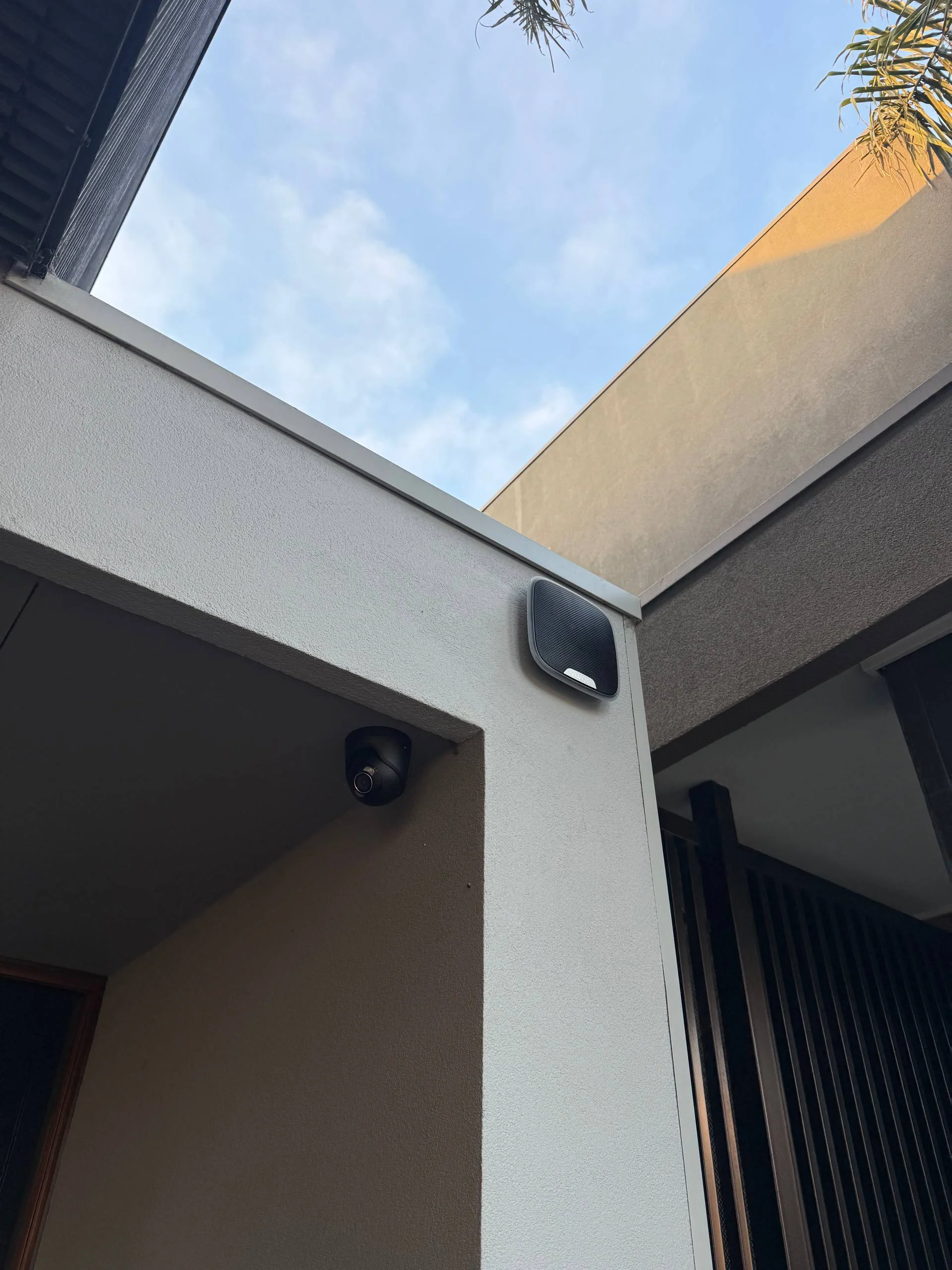
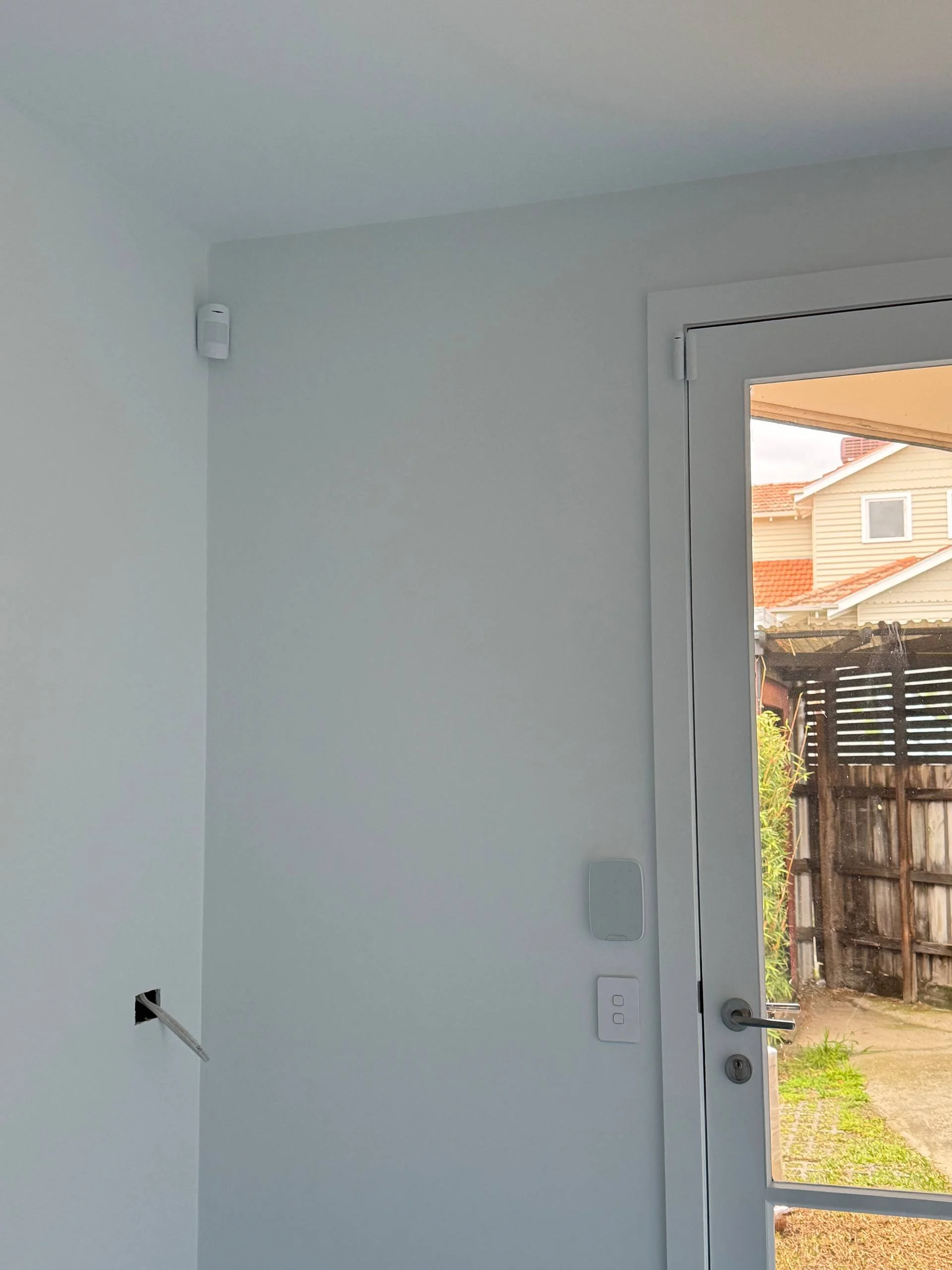
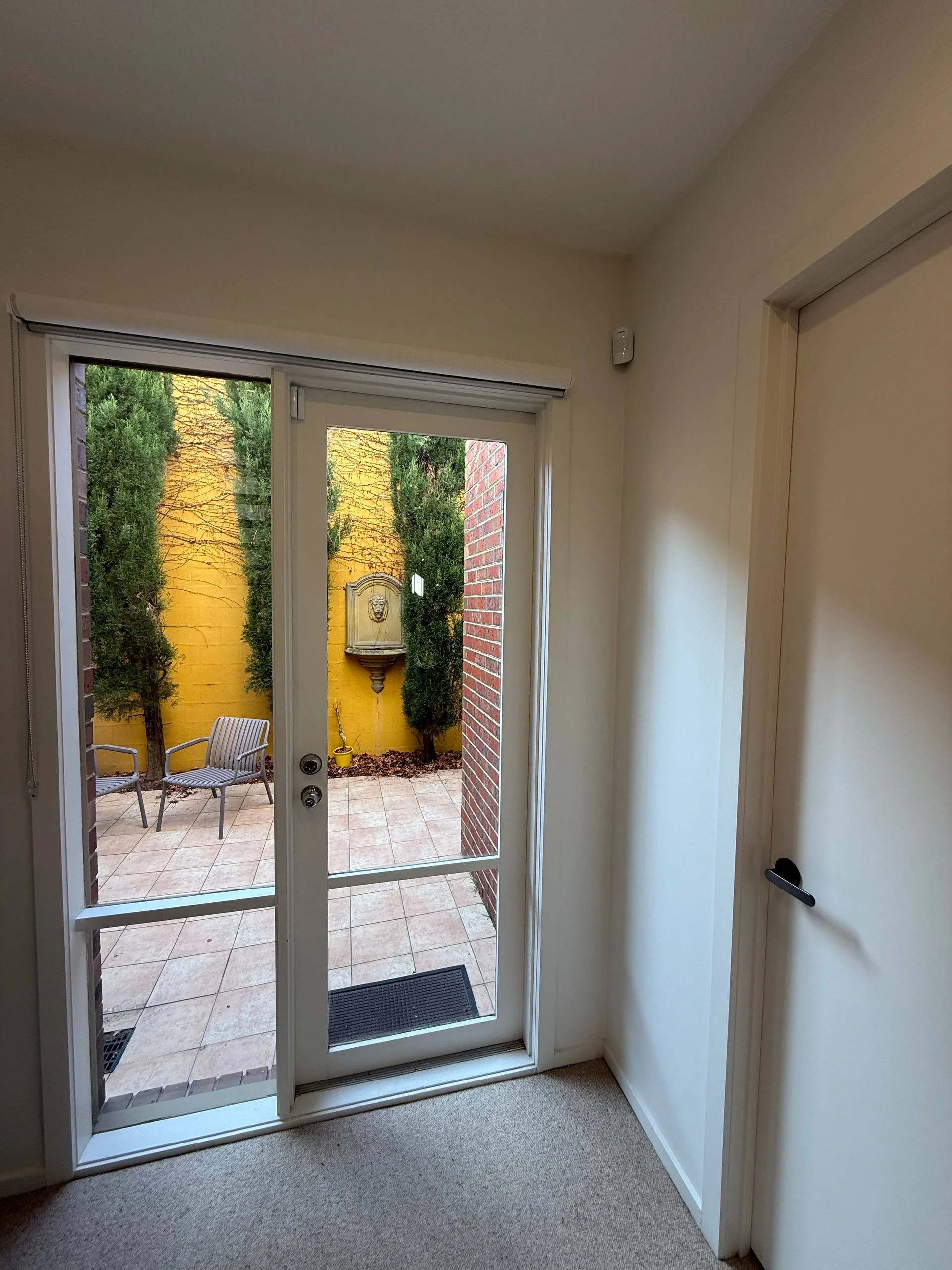
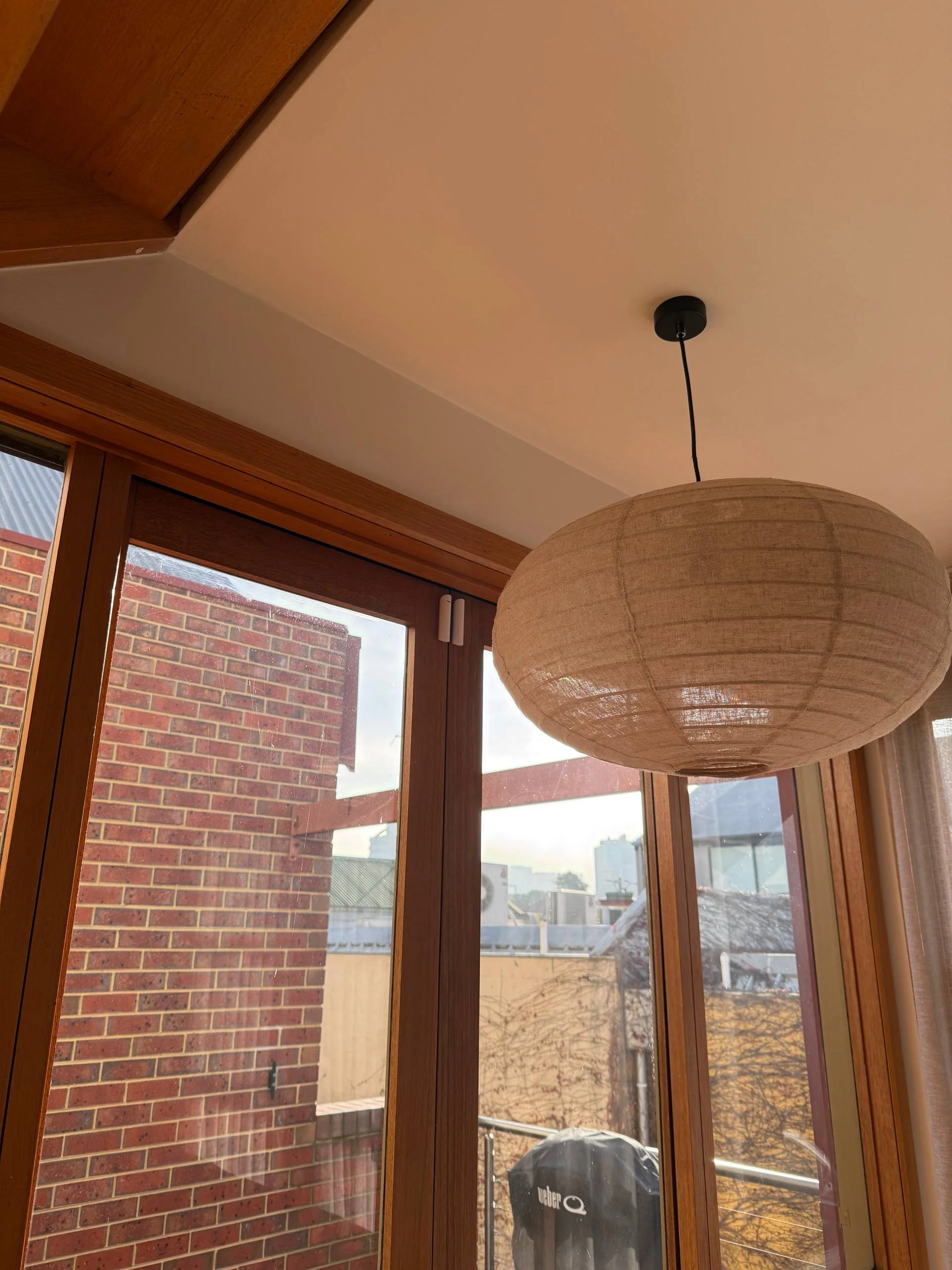
Examples of alarm equipment, detectors, keypads and completed residential security installations.
What Our Clients Say
Feedback from Melbourne homeowners and property managers who have used SIPKO for alarm, CCTV and related residential security work.




Residential Alarm Installation FAQ
Practical answers about pricing, existing systems, planning, licensing and monitoring.
How much does security alarm installation in Melbourne cost?
What’s the difference between home alarm installation and a system upgrade?
How is alarm system installation in Melbourne planned for my property?
Does house alarm installation in Melbourne cover apartments and townhouses, not just standalone homes?
How do I choose between security alarm installers in Melbourne?
Can my existing alarm brand be serviced instead of replaced?
Is professional monitoring included in home security installation in Melbourne?
This page describes SIPKO’s residential alarm installation, panel replacement, detector placement, monitoring connection and system upgrade services across Melbourne.
Cable Registration: T58117
Last reviewed: 31 August 2026
A security alarm’s job isn’t to explain what happened after the fact — it’s to make sure a configured alarm event can raise an alert when nobody at the property is available to respond, whether that’s at 3am, while the house is empty, or during a longer trip. If you’re considering home security installation in Melbourne, SIPKO can assess your property, existing equipment and the situations the system needs to cover, and confirm the installation scope and quotation from there.