
Security Alarm Installation in Hampton for a Baseline That Never Settles
Most homes in Hampton aren't going anywhere. Owner-occupier rates here are among the highest in Bayside, and the household behind a given front gate this year is usually the same one that was there five years ago. What doesn't stay the same is the block around them. You leave for work every morning past a line of tradies' utes parked outside the house next door — and six months later they're gone, and a different crew is setting up across the street instead. The vehicles, deliveries and trades that count as ordinary near a resident's own boundary shift every few months, driven by builds that belong to someone else entirely.
A camera alone doesn't really solve this, because the issue isn't building a visual record of who's coming and going — it's deciding, without anyone at home re-learning the pattern every time a new site opens nearby, what still counts as normal and what doesn't. An alarm system in Hampton needs to hold that call on the household's behalf and update it as the block moves on, then pass the decision to a monitoring team the moment something sits outside it — rather than leaving the family to work out, house by house, whether this month's version of normal still applies.
SIPKO Security provides security alarm installation in Hampton for properties where the household is stable but the street isn't — where the real planning question is less about who might be walking past and more about keeping the system's sense of normal current while the neighbourhood keeps rebuilding around it.

Alarm System Installation in Hampton
Alarm system installation in Hampton starts with a question that doesn't come up the same way in a more settled suburb: how much of the surrounding block is currently mid-build, and how long that's likely to last. A property backing onto a finished, quiet street needs a different starting arrangement from one sitting beside a site that's just gone to slab, because that boundary is going to see a genuinely different amount of unfamiliar vehicles and foot traffic for the next several months.
House alarm installation in Hampton works with settings that are configured in advance, not a call the panel makes on its own. A sensor near a shared side boundary can be given more room to move while the neighbouring build is active, and dialled back in once construction finishes — a change made deliberately at installation or during a check-in, not something the system decides for itself.
What makes Hampton different from a suburb where this kind of adjustment happens once and is done is how often it's needed. Because rebuild activity here is close to continuous across the suburb as a whole — even though any single property's own construction status rarely changes — a configuration that made sense eighteen months ago may not still reflect what's normal near a given fence line today. Home alarm installation in Hampton done properly treats the initial arrangement as a starting point, not a permanent answer.
Home security installation in Hampton for a property in this position isn't primarily about which sensors go where. It's about giving the household a system it can rely on between check-ins, so the point where a genuine event reaches a monitoring team doesn't depend on anyone having kept up with which neighbour is currently under scaffolding.

Security Alarm Systems and Solutions for Hampton Properties
Hampton's residential streets don't look unsettled from a distance — most blocks have a lived-in, established feel, and most households have been there for years. The change is at ground level and mostly temporary: a hoarding fence here, an excavator on the verge there, gone again in six months and replaced by something similar two doors down. A security alarm built for this suburb has to work with that rhythm rather than pretend it isn't happening.
Security alarm installers in Hampton spend real time upfront working out which boundaries are likely to see more activity in the near term and which are genuinely quiet — treating every zone the same way either produces unnecessary triggers near an active site or leaves a quiet boundary under-configured. Getting that split right, and checking it periodically, matters more here than on a street that hasn't changed shape in a decade.
- Alarm systems configured with extra room to move near a boundary next to active construction.
- A check-in when a nearby rebuild has recently finished or a new one has started.
- Zone planning for period homes and newly completed builds sitting on the same street in transition.
- Alarm and CCTV integration for properties where the block changes faster than the household can track.
A property next to an active knockdown-rebuild needs that specific boundary configured for it — not a standard arrangement applied regardless of what's happening next door. That side of the property carries a genuinely different pattern of vehicles and movement for as long as the build runs, and the system should reflect that until the project's done.
Even a property with nothing being built beside it right now usually sits on a street that's shifted in the last few years and will likely shift again. These homes don't need the same wide margin as one beside an active site, but a periodic check-in still pays off — an arrangement left exactly as installed can drift out of date without anyone noticing.
What We Protect in Hampton
The family and the property itself usually don't change in Hampton — what changes is what counts as ordinary just outside the front gate, as different blocks nearby cycle through construction on their own overlapping timelines. The ute that's parked out front this season probably won't be there next year, and something else will be in its place. The system's job is to reflect the current version of that pattern, not the one it was installed around originally.
Unlike a single renovation with a clear start and finish, Hampton's rebuild activity is closer to a rolling condition of the suburb — one project ending rarely means the street goes quiet, because another usually starts nearby soon after. A configuration set for a one-off event doesn't hold up under that kind of overlap; it needs a proper look every so often rather than a single arrangement locked in for good.
Nobody living in a Hampton property can reasonably be expected to know every rebuild on the surrounding blocks well enough to assess, in the moment, whether an event near their fence is expected or not. Professional monitoring takes that call off the family — the system holds the current configuration, and anything outside it goes straight to the response team.
Alarm System Brands Installed and Supported
A Hampton property that needs different settings depending on what's currently happening next door needs a system built for easy, low-fuss reconfiguration — not a panel that's a hassle to adjust once it's in the wall.
SIPKO Security selects alarm systems based on how often a property's surroundings are likely to need a fresh look — homes beside frequently changing building sites benefit from systems where zone settings can be updated without a full reinstall, while more settled properties need less ongoing attention. Whether the job is a new installation or an upgrade to a system put in before the current wave of local rebuilding started, the goal is the same: an arrangement the household doesn't have to manage by hand.
Giving more room to move near a boundary next to an active build doesn't mean nothing gets escalated there — it changes what counts as expected, not whether a genuine event gets picked up. When something does fall outside the configured pattern, the alarm has already made the call to pass it to the monitoring team; a camera at that boundary gives them something to check it against before deciding how to respond.
This matters most on the boundary that's currently most relaxed — next to an active rebuild, where deliveries and trade vehicles are par for the course, but a genuine event still needs a fast, informed response rather than being waved off as probably part of the build.
For Hampton properties going through this more than once as different neighbours build in sequence, the pairing means the household isn't relying on having personally kept track of which project is active this month — the alarm handles the decision, and the camera gives the monitoring team the context to act on it properly. Camera options for local homes are covered on our security camera installation in Hampton page.
Hampton clients typically come to us with a specific situation: a property beside a rebuild that's just started, an arrangement that needs revisiting now a neighbouring project has wrapped up, or an existing alarm installed before the current wave of construction on their street began.
The feedback we receive reflects installations where getting the configuration right — and being willing to check it again as the block changes — mattered as much as the hardware itself.




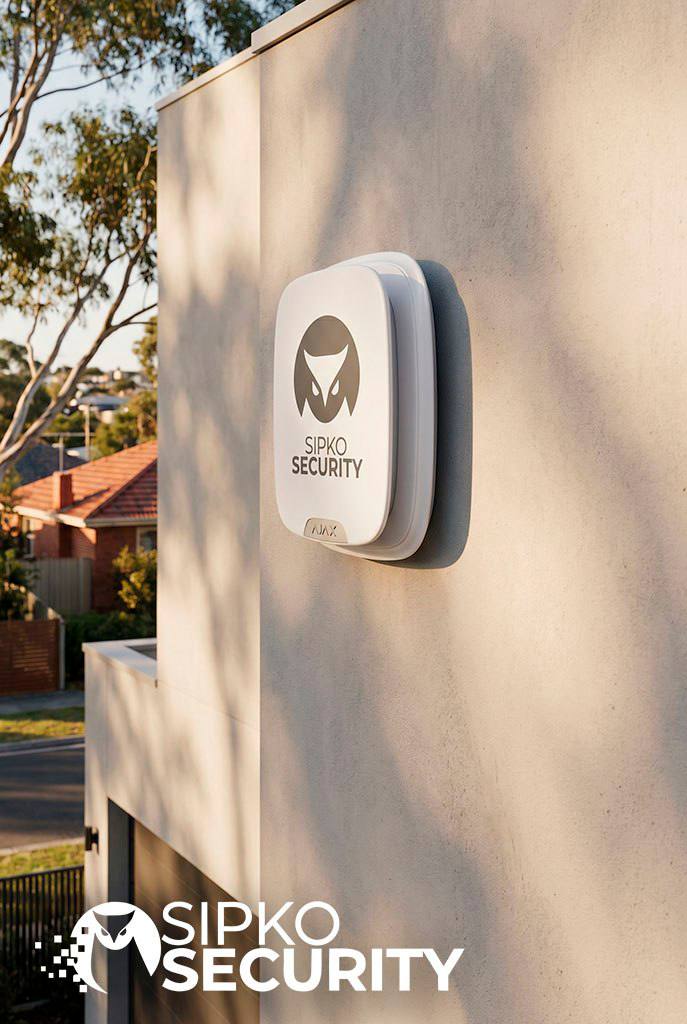
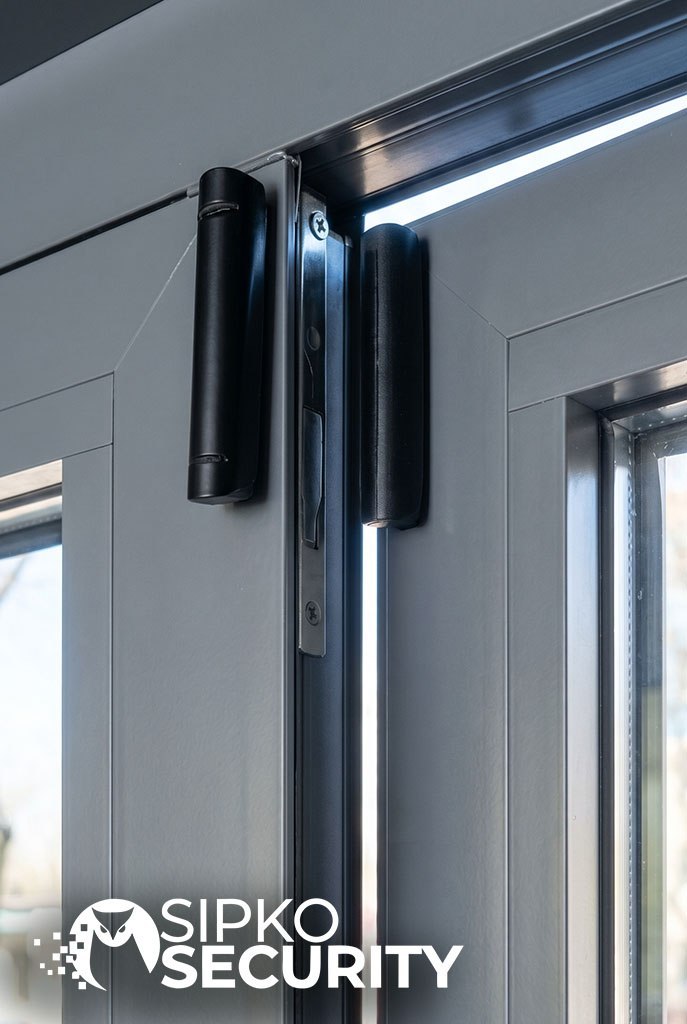
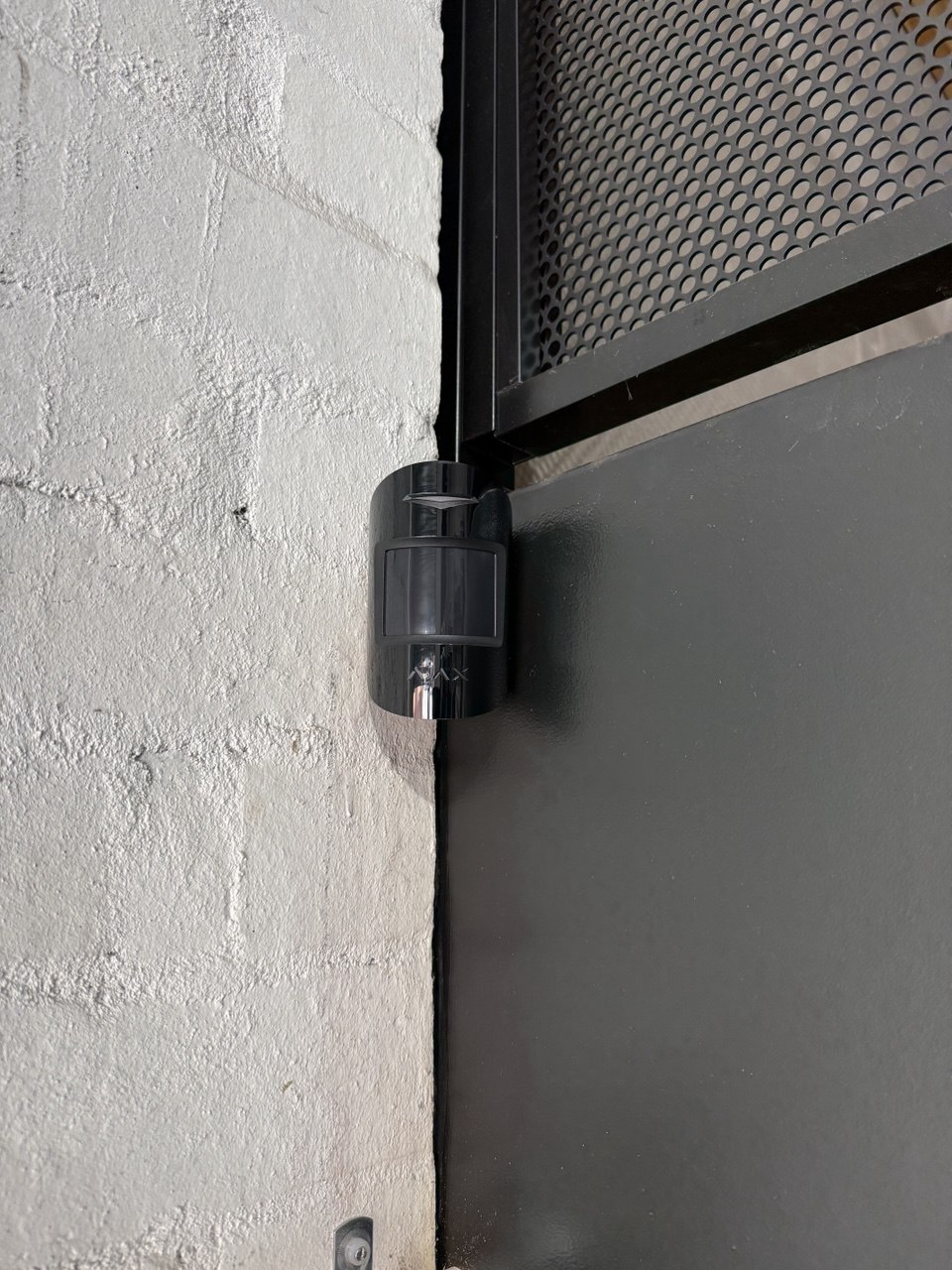
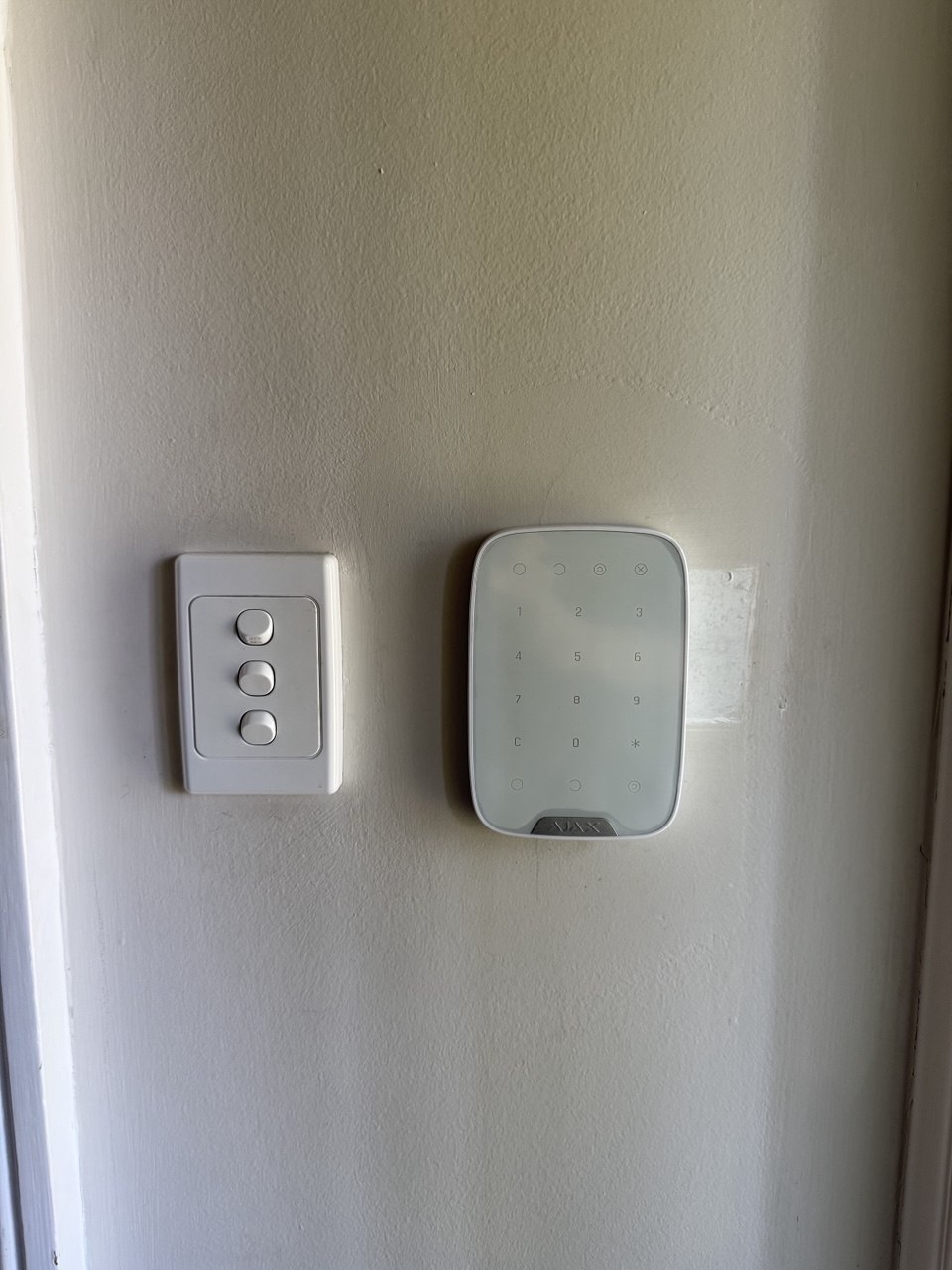
Examples of alarm installation work completed for residential properties across Melbourne, including sensor placement, panel installation and equipment setup.
Areas We Service Around Hampton
SIPKO Security provides security alarm installation, monitoring setup and periodic reviews across Hampton and the surrounding suburbs of the City of Bayside, several of which share Hampton's ongoing rebuild pattern to varying degrees.
Frequently Asked Questions
Common questions about security alarm installation, zone configuration, monitoring and alarm and CCTV integration for Hampton properties.
How much does home alarm installation cost in Hampton?
We've just bought a place beside a construction site — should the alarm be set up differently?
Will nearby construction set off false alarms?
Do renovations next door mean I need to change my existing alarm settings?
Can one side of my property have different alarm settings from the rest?
How does the system tell the difference between a tradie's van and something that actually needs a response?
We travel a fair bit — does this kind of setup still work while we're away?
The trades parked outside your fence line today probably won't be the same ones in six months — a different project will have started, and a different set of utes will have taken their place. The question isn't whether that street changes. It's whether your alarm still reflects the version of it you're actually living next to right now.
Whether the concern is a property currently sharing a fence line with an active rebuild, one where a nearby project has just finished and the settings need a second look, or a home that hasn't been reviewed since the street last changed shape, the underlying question is the same: does the arrangement still match what's actually happening outside, and who picks up the decision when it doesn't.
SIPKO Security provides home alarm installation in Hampton, monitoring setup and alarm and CCTV integration for residential properties across the City of Bayside. Contact us to talk through your property's current situation and how often it's likely to need a check-in.
