
Security Alarm Installation in Port Melbourne for a Building With a Past
Some of Port Melbourne's most sought-after addresses used to be something else entirely. A converted warehouse on Rouse Street or Pickles Street was built to move goods, not to house a family — and when it became a home, not everything from its working life was actually removed. A former loading door that was sealed rather than fully taken out. A side hatch that hasn't been used in twenty years but was simply left in place when the walls were relined. The household living there today knows their own front door, their garage, the gate they use every morning. They don't necessarily think of all of it as part of the property's everyday access pattern, because most of it was never meant to be treated as an entrance at all.
A security camera handles this by giving someone footage to check, framed around whichever point looks like it might matter. An alarm has to work from something more complete than that. It can't be configured only from what the household considers their doors — it has to be configured against what the structure actually is, including the points nobody living there currently treats as an access point, and pass anything that happens at any of them straight to a monitoring service without waiting for someone to think of them as significant.
SIPKO Security provides security alarm installation in Port Melbourne across the suburb's genuinely different housing — converted warehouses carrying their industrial past, Victorian cottages with a boundary that's changed shape as Fishermans Bend has grown beside them, and Beacon Cove properties where the water-facing side answers to different rules than the street-facing one. In each case, the alarm is only as good as the picture it's built from — and for a building with a past, that picture has to come from more than what the current household happens to consider part of its everyday routine.

Alarm System Installation in Port Melbourne
A converted warehouse doesn't arrive at its current owner with a clean slate. It arrives with a structural history — a shell built for deliveries, storage and industrial access, later divided and finished into a home, without every trace of its earlier purpose being taken out along the way. What that means in practice is that the building can carry points along its walls that were never folded into the household's everyday sense of where its doors are, simply because they stopped being used as doors long before the property became a home.
Home alarm installation in Port Melbourne for these properties has to start from the building, not from the household's own habits. A zone configured only around the front entrance, the garage and the obvious side gate can miss whatever else the industrial shell still carries — and a resident who's lived there for years usually wouldn't list those points from memory, because none of them have ever functioned as a door in their everyday experience of the place. The alarm's job is to cover the structure as it actually is, and generate a signal to the monitoring service for anything unusual at any of those points, independently of whether the household considers them part of its everyday access pattern.
This is a different starting point to most of Port Melbourne's Victorian worker's cottages, where the building itself is straightforward and the more relevant question is what's happened on the other side of the back fence. For cottages whose rear boundary now faces Fishermans Bend, the property itself hasn't changed — its immediate surroundings have, as the precinct's construction has moved closer over recent years. Alarm system installation in Port Melbourne for these homes is less about the building's own working history and more about a boundary that didn't used to need much attention and now does.
Security alarm installers in Port Melbourne working on warehouse conversions usually treat the pre-installation walkthrough as more than a formality — going through the building with an eye for what it was built to be, not just what it currently looks like from the inside, because a zone that's only as complete as the household's own everyday sense of their doors ends up with gaps nobody would have thought to mention until something actually happened there.

Security Alarm Systems and Solutions for Port Melbourne Properties
Port Melbourne's housing doesn't share a single starting point. A converted warehouse carries a structural history the household may not fully account for day to day. A Victorian cottage is architecturally straightforward but can sit against a boundary that's changed considerably in recent years. A Beacon Cove property faces a water side governed by different rules to its street side. What determines the right approach isn't the suburb — it's which of these three the specific property actually is.
Security alarm installers in Port Melbourne working on warehouse conversions spend real time establishing what the building actually was before it was a home — because a zone built purely from the current floor plan tends to miss exactly the points that matter most: the ones nobody living there currently thinks of as doors at all.
- Zone configuration for converted warehouses with legacy industrial access points.
- Alarm planning for Victorian cottages with a rear boundary facing Fishermans Bend.
- Beacon Cove and foreshore alarm setups accounting for the water-facing side's shared status.
- Alarm and CCTV integration for extra context on points a floor plan alone wouldn't show.
A building that was never designed to be a home doesn't stop being that building once it's renovated into one. The zone is built from a structural read of the property, not from the household's own list of doors, so a former loading point or side hatch is covered on its own terms rather than left out because nobody currently uses it.
For a cottage whose rear fence now faces an active renewal precinct rather than a quiet street, the building itself hasn't changed — its context has. The zone accounts for a boundary that's seen considerably more activity in recent years than the original layout of the street ever anticipated, without assuming the rest of the property needs the same level of attention.
What We Protect in Port Melbourne
Many Port Melbourne warehouse conversions carry access points from their industrial past — a former loading door, a side hatch — that were never fully folded into the household's everyday sense of the property's doors. The alarm is built from what the structure actually is, not from that everyday assumption.
Configuration starts with a read of the building's actual history and layout, rather than the household's daily routine. This is what covers a point the household would never have thought to mention, simply because it's never functioned as a door in their experience of living there.
When something happens at a point nobody living there currently considers an entrance, the event still generates an alarm signal to the monitoring service — the response doesn't depend on the household recognising the point as significant, because the configuration was never relying on that in the first place.
Alarm System Brands Installed and Supported
A converted warehouse with an incomplete household picture of its own access points needs a system built to cover the structure comprehensively — not a panel that only accounts for the doors a resident would list from memory.
SIPKO Security selects and installs alarm systems in Port Melbourne according to what the property actually is — a converted warehouse with an industrial past, a cottage with a boundary that's changed shape, or a Beacon Cove property with a shared, publicly accessible water side — rather than one default setup. Whether it's a new installation on a warehouse conversion or an upgrade to a system that's only ever covered the points the household happened to think of, the goal is the same: a zone built from the building itself, not from what anyone assumes about it.
When an alarm event happens at a point the household never thought of as a door, the question for the monitoring team is what's actually going on there — and a camera at that point is what answers it, not the alarm itself. For a Port Melbourne warehouse conversion, this sequence matters: an event at a legacy access point falls outside the property's configured pattern and the alarm signal is passed to the response team; the camera gives that team something to check it against, since there's no household familiarity with that specific point to draw on.
For cottages near the Fishermans Bend boundary, the integration works a little differently — an event at that boundary generates the alarm signal, while the camera gives the response team a clearer picture of what actually happened.
The pairing matters most where the alarm signal alone can't tell the response team whether an event at an unfamiliar point is genuinely concerning or entirely explainable. The camera doesn't replace the alarm signal — it gives the response team the context a building's own working history was never going to provide on its own.
Homeowners in Port Melbourne typically contact SIPKO Security with a specific problem: a warehouse conversion where the existing alarm only ever covered the obvious entrances, a cottage where the rear boundary has changed considerably since the system was last configured, or a Beacon Cove property where the water-facing side had never actually been accounted for.
The feedback we receive reflects installations where understanding the building itself mattered as much as the hardware — properties where the household discovered, partway through the walkthrough, an access point they genuinely hadn't thought about in years.




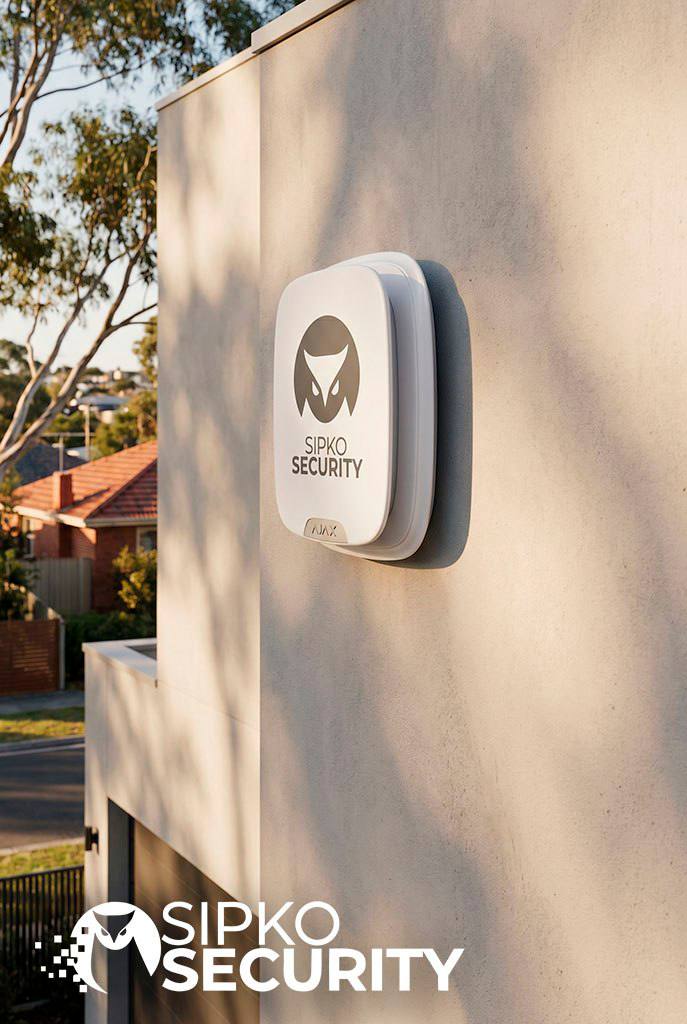
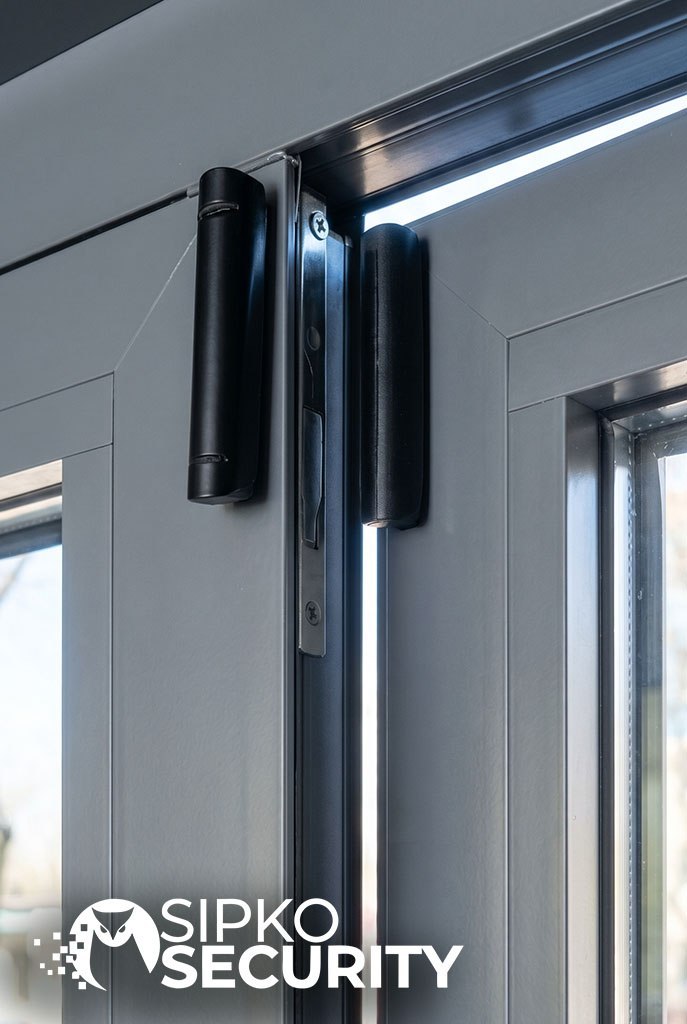
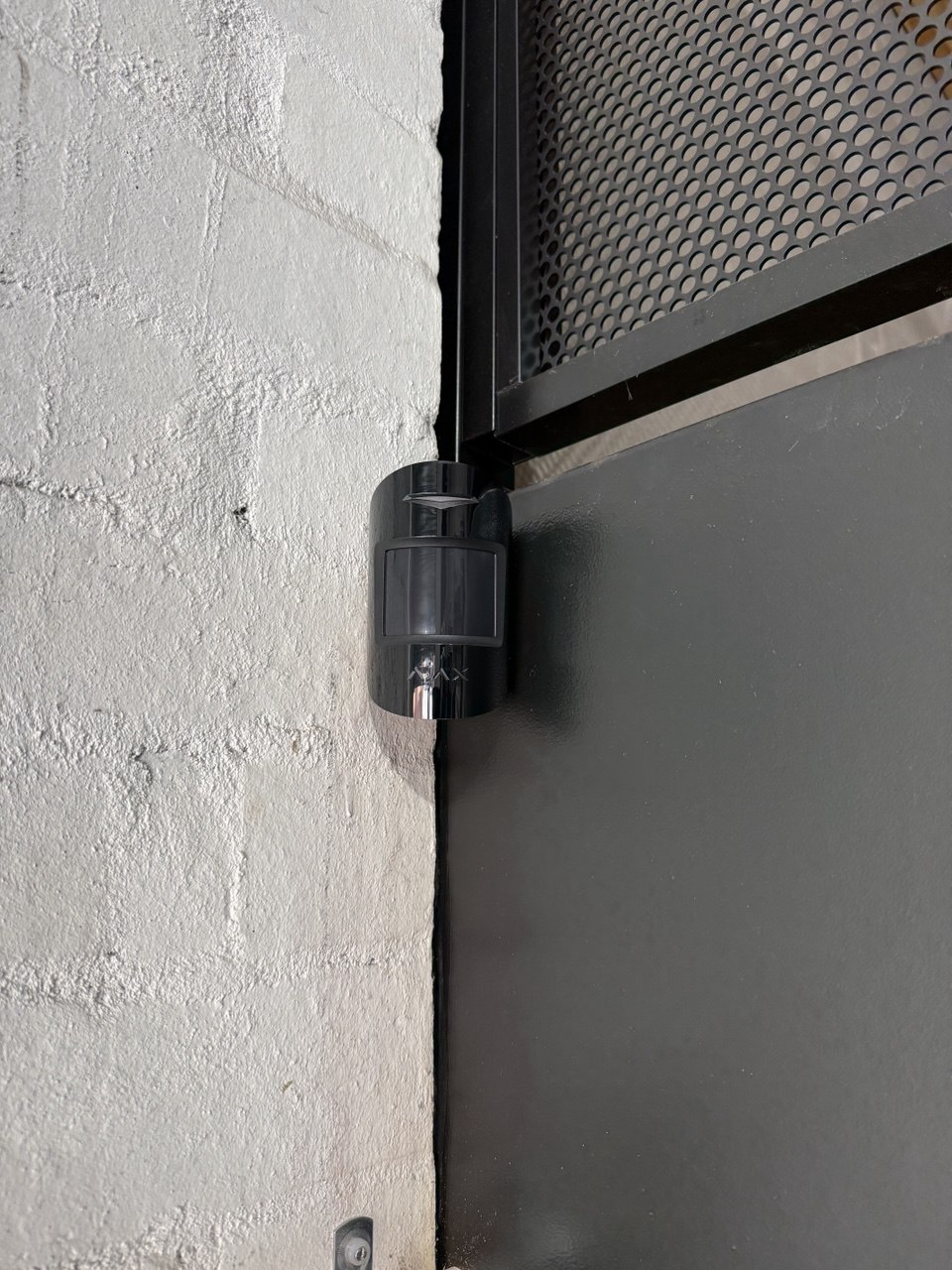
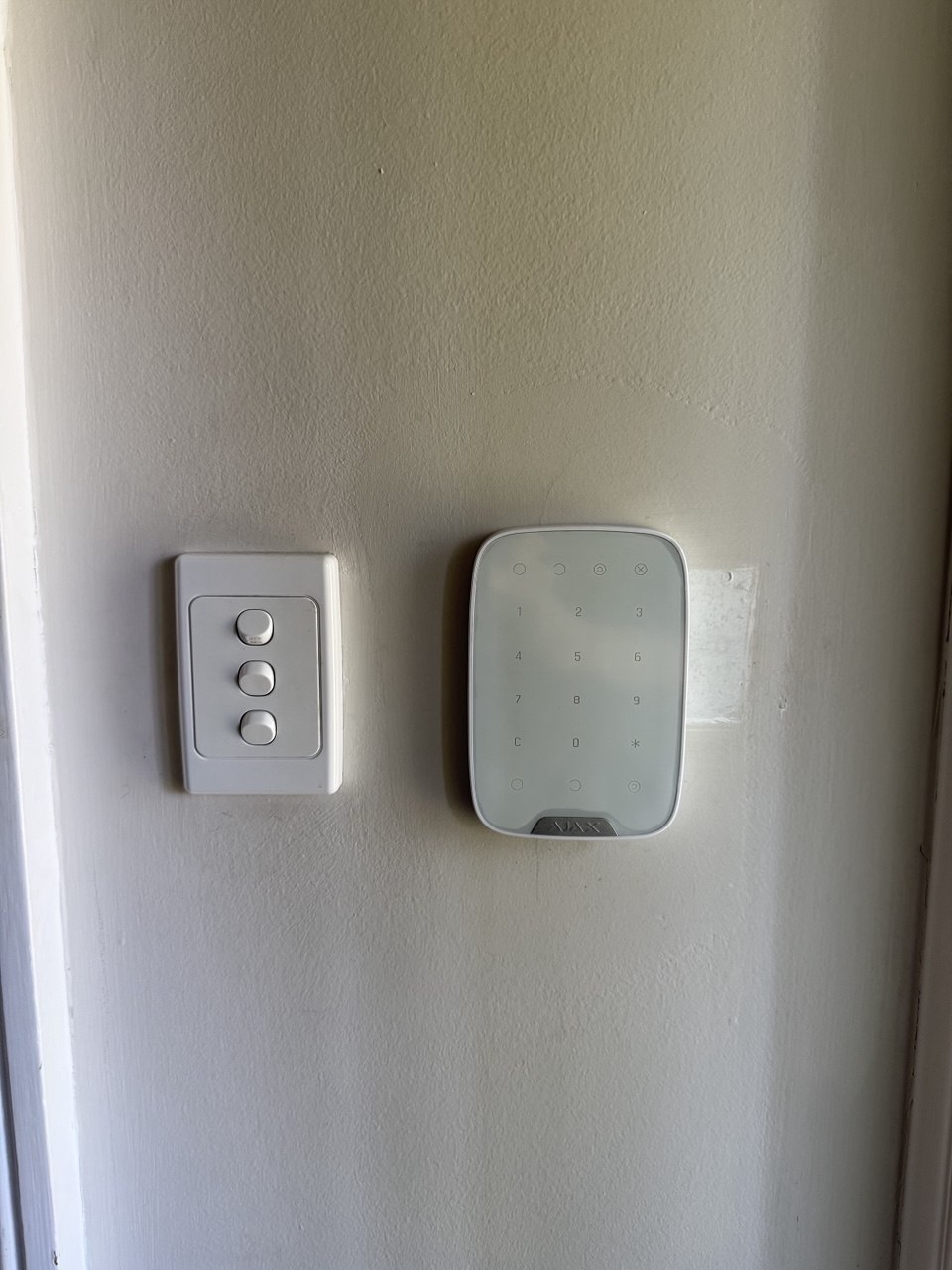
Examples of alarm installation work completed for residential properties across Melbourne, including sensor placement, panel installation and equipment setup.
Areas We Service Around Port Melbourne
SIPKO Security provides security alarm installation, monitoring setup and system upgrades across Port Melbourne and the surrounding suburbs of the City of Port Phillip. Several share some of the same mix of building types and changing boundaries that shapes alarm planning in Port Melbourne itself.
Frequently Asked Questions
Common questions about security alarm installation, zone configuration, monitoring, building type and alarm and CCTV integration for Port Melbourne residential properties.
How much does home alarm installation cost in Port Melbourne?
How does an alarm system cover access points left over from a converted warehouse's industrial past?
Can the alarm zone be built around the building's structure rather than the household's own sense of their access points?
What happens when something occurs at a point the household never considered an entrance?
Can alarm systems be installed on Victorian cottages with a rear boundary facing Fishermans Bend?
Can a home alarm system in Port Melbourne be integrated with CCTV cameras?
Does Beacon Cove require Owners Corporation approval for alarm installation?
A building with a past doesn't stop needing full coverage just because part of that past has faded from the everyday attention of the people living there now.
Whether the property is a converted warehouse carrying access points from its industrial life, a Victorian cottage whose boundary has changed shape as Fishermans Bend has grown beside it, or a Beacon Cove home where the water-facing side answers to different rules than the street, the underlying question is the same: does the alarm configuration match what the building actually is, and how quickly does an event outside that pattern reach a response.
SIPKO Security provides home alarm installation in Port Melbourne, monitoring setup and alarm and CCTV integration for residential properties across the City of Port Phillip. Contact us to discuss your property's structure, its history, and the points that need covering.
