
Security Alarm Installation in Albert Park for a Street That's Already Busy
A property on Kerferd Road or Lakeside Drive doesn't have an ordinary residential street in front of it. Albert Park Reserve draws roughly five million visits a year, and that traffic isn't seasonal — it's there on a quiet Tuesday in July the same as it is on a warm Sunday in January. The household's usual sense of what counts as a busy street is already calibrated well above what a comparable inland property would treat as normal, every single day of the year.
For four days each March, and for stretches through 2026–2028 while the pit building redevelopment continues nearby, that already-elevated baseline gets replaced by something else again — event traffic, temporary parking restrictions, construction access changes. This is a different problem to the one a camera solves. A camera gives someone reviewing footage a record of who passed and when. An alarm on a park-facing boundary has to hold a standing tolerance for a street that's permanently busier than most, and then switch to a separate tolerance again when the Grand Prix or the construction works temporarily replace even that.
SIPKO Security provides security alarm installation in Albert Park for properties where proximity to the Reserve and the foreshore means the front boundary carries more background activity than a typical residential street, all year round. The zone is configured against the property's own access points, with genuine escalations passed to the monitoring team rather than the ordinary park-user flow treated as cause for concern.

Alarm System Installation in Albert Park
A property on a park-facing or foreshore street in Albert Park carries a planning question that an inland home doesn't. On most residential streets, someone lingering near the front fence stands out because the street itself is quiet most of the time. Here, the Reserve's roughly five million annual visits mean that background presence near the boundary is the daily norm, not the exception — and it doesn't ease off in winter the way a seasonal pattern would. Home alarm installation in Albert Park has to start from a baseline that's already higher than most residential streets, all year, rather than trying to bring it down to match a quieter street elsewhere.
On top of that standing baseline, two further layers change the picture at different points in the year. The Formula 1 Australian Grand Prix brings roughly 400,000 visitors to the Reserve over four days each March, with parking restrictions and event traffic that replace the ordinary park-user flow entirely. Separately, the current pit building redevelopment — running through 2026–2028 — adds construction traffic and changed access routes on streets near the circuit for an extended period. Alarm system installation in Albert Park on a park-facing property means accounting for both of these on top of the everyday baseline, not just the baseline alone.
Zoning logic is what makes this workable. The park-facing boundary can be configured with a standing tolerance that reflects its permanently elevated background, while a separate temporary profile covers the Grand Prix week and the construction period specifically — switched in for those weeks and switched back once they pass. House alarm installation in Albert Park on properties like this generally means the system holds more than one baseline at once, rather than a single setting that has to somehow work for an ordinary Tuesday, a Grand Prix Sunday and a week of construction traffic all at the same tolerance.
Security alarm installers in Albert Park working on park-facing and foreshore properties usually start by establishing what the standing daily baseline actually looks like on that specific street, before considering what changes during the Grand Prix and the construction period. Whether the property faces the lake directly on Lakeside Drive or sits a few streets back near Bridport Street, the underlying question is the same: what's genuinely worth escalating on a street that's already busier than most, and busier again for a handful of weeks each year.
Security Alarm Systems and Solutions for Albert Park Properties
Home security installation in Albert Park is shaped as much by a property's relationship to the Reserve as by its layout. A terrace directly on Kerferd Road facing the park perimeter carries a permanently higher background than a heritage home a few blocks inland near Bridport Street, even where the two properties are otherwise comparable.
What most park-facing Albert Park properties share is a need for a system that doesn't treat the Reserve's constant visitor flow as something to flag on its own. A zone that reacts to ordinary nearby activity the same way it would on a quiet inland street would be unusable here — and it would still need a separate answer for the Grand Prix and construction periods, when even the everyday baseline stops applying.
- Zone configuration for park-facing and foreshore boundaries with a permanently elevated visitor baseline.
- A separate temporary profile for the Grand Prix period and the current pit building construction.
- Monitoring setup that escalates genuine events without reacting to the Reserve's ordinary daily flow.
- Alarm and CCTV integration for heritage terraces close to the park perimeter.
On Kerferd Road, Lakeside Drive or Beaconsfield Parade, the front boundary carries the Reserve's full daily visitor baseline. The zone here is configured with a standing tolerance that reflects that permanent background, with a separate temporary profile layered in for the Grand Prix and construction periods.
A few streets back from the park perimeter, near Bridport Street or Victoria Avenue, the standing baseline is lower, so the zone configuration can sit closer to a standard residential pattern, while still accounting for the citywide Grand Prix traffic that reaches even the inland blocks for those four days.
What We Protect in Albert Park
Park-facing and foreshore streets in Albert Park carry a background from the Reserve's roughly five million annual visits that doesn't ease off by season. That volume is a permanent feature of these streets, not an event in itself, and the system's standing tolerance is set to reflect it rather than treat it as something worth flagging.
Four days each March, and stretches through 2026–2028 during the pit building works, replace even this already-elevated baseline with something else again. A separate, temporary profile covers these periods specifically, rather than asking the household to somehow judge activity against two different standards at once.
Whether it's an ordinary Tuesday, a Grand Prix Sunday or a week of construction traffic nearby, the decision about what's genuinely worth a response doesn't fall to the resident working it out in the moment. Anything outside the currently active pattern — standing or temporary — escalates straight to the monitoring team.
Alarm System Brands Installed and Supported
An Albert Park property facing the Reserve or the foreshore needs a system that can hold a permanently elevated standing tolerance and still switch to a separate temporary profile for a handful of weeks each year — not a panel built around a single fixed setting for an ordinary residential street.
SIPKO Security selects and installs alarm systems according to how close a property sits to the park perimeter, how much its daily background genuinely differs from a comparable inland street, and what temporary configuration suits the Grand Prix period and the current construction works. Whether the project is a full installation on a park-facing terrace or an upgrade to a system that's been reacting to the Reserve's ordinary visitor flow, the aim is the same: a standing baseline and a separate event profile that both reflect how the street actually behaves.
An alarm signal on a park-facing boundary tells the monitoring team that something broke the currently active pattern — standing or temporary — not what it actually was, on a street where a meaningful share of daily activity has nothing to do with the household at all.
Pairing the alarm with a camera on the same boundary means the monitoring team isn't working from the signal alone. The alarm has already flagged that the pattern was broken; the footage gives them something to check it against, which matters most on streets where the Reserve's constant visitor flow makes an event harder to isolate from the ordinary background.
This matters even more during the Grand Prix week and the construction period, when the street's usual points of reference stop applying altogether and an alarm signal alone can't distinguish event-related activity from something that actually needs a response. The camera doesn't make the decision — the alarm already passed that to the monitoring team. It makes that decision better informed.
Albert Park homeowners near the Reserve typically get in touch after finding their existing system either misses genuine events on an already-busy street or reacts constantly to the park's ordinary visitor flow — and few systems were ever set up with the Grand Prix or the construction period in mind at all.
The feedback we receive reflects installations where getting the standing tolerance right for a park-facing boundary — and having a separate profile ready for four days in March — mattered as much as the equipment itself, on properties where the street genuinely behaves differently several times a year.




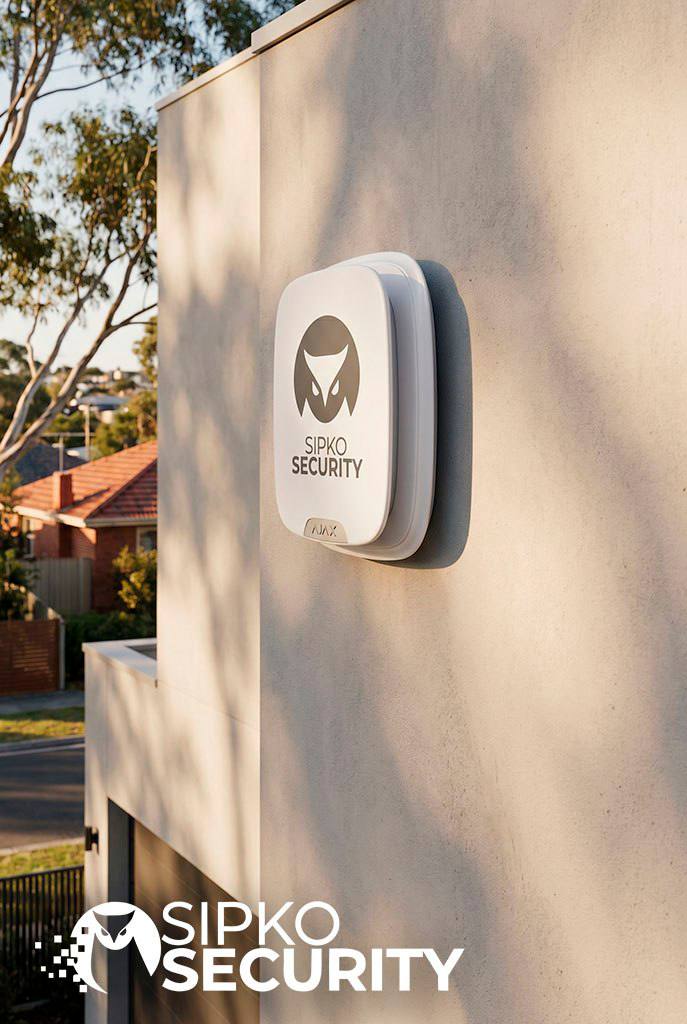
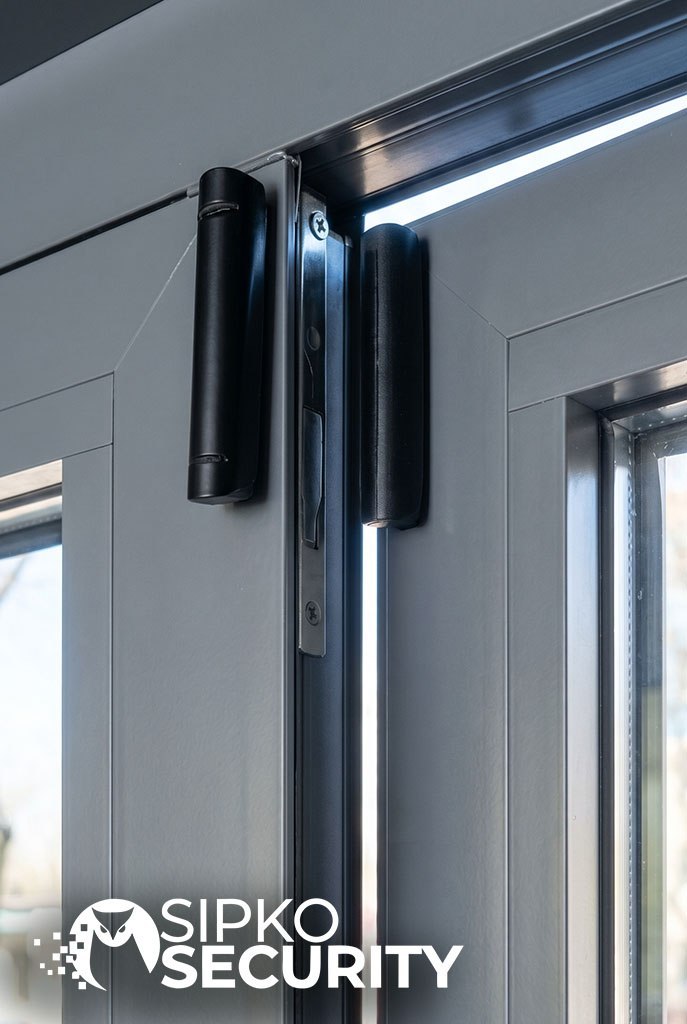
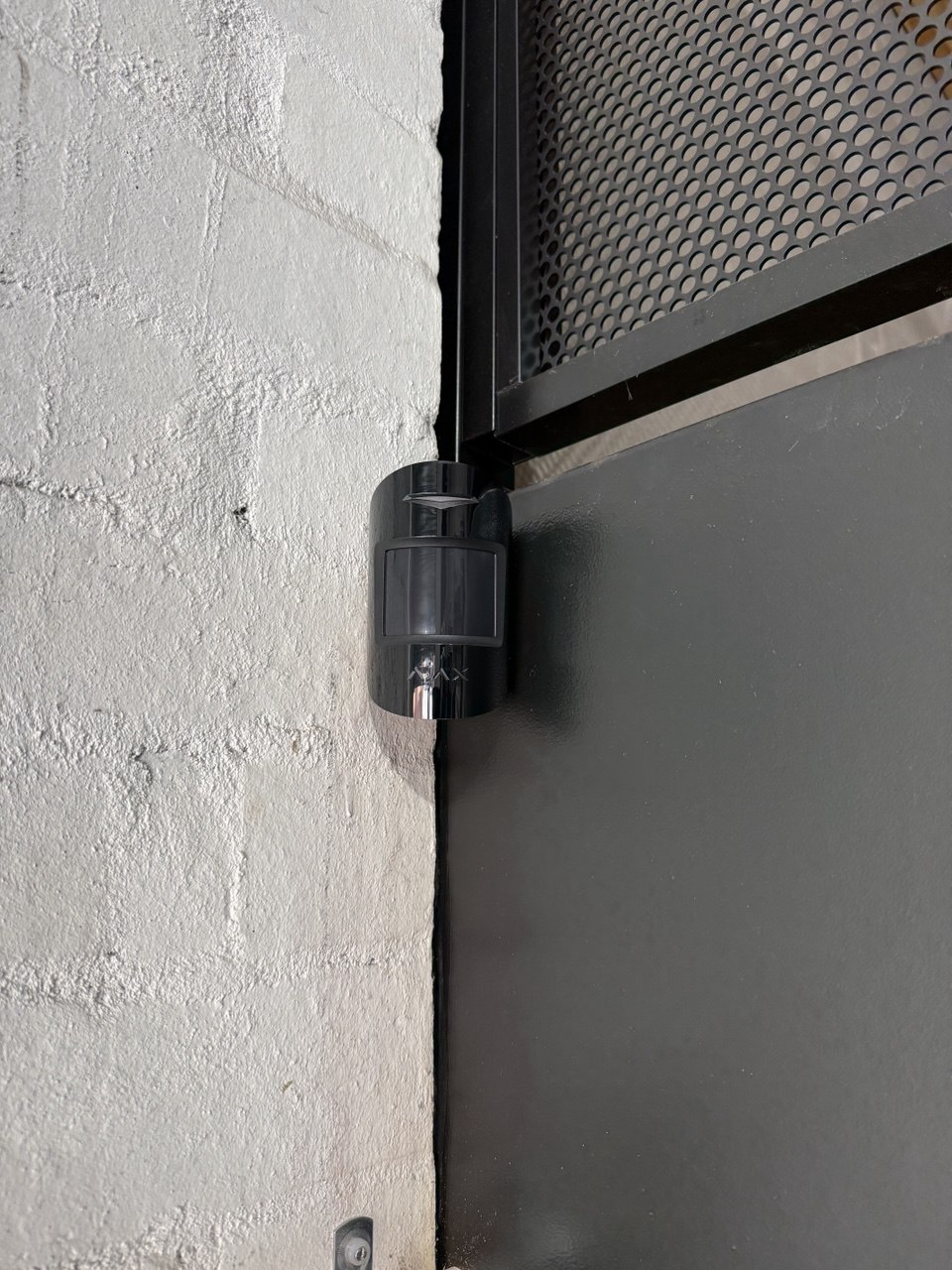
Examples of alarm installation work completed for residential properties across Melbourne, including sensor placement, panel installation and equipment setup.
Areas We Service Across Albert Park
SIPKO Security provides security alarm installation, zone configuration and monitoring setup across Albert Park and the surrounding suburbs of the City of Port Phillip. Several nearby suburbs share Albert Park's proximity to water or parkland, but few carry its specific combination of a permanently elevated daily baseline and an annual event that temporarily replaces it altogether.
Frequently Asked Questions
Common questions about security alarm installation, zone configuration, monitoring, Grand Prix and construction-period planning, and alarm and CCTV integration for Albert Park residential properties.
How much does home alarm installation cost in Albert Park?
How does an alarm system handle a park-facing boundary that's already busy every day of the year?
Can the system switch to a different setting for the four days of the Grand Prix each March?
Does the current pit building construction near the circuit affect how the alarm should be set up?
Can alarm equipment be installed on a Victorian or Edwardian terrace in Albert Park without affecting the heritage façade?
Can the park-facing boundary and other access points be configured as separate zones?
Can a home alarm system be integrated with CCTV in Albert Park?
A property facing Albert Park Reserve or the foreshore doesn't have the same relationship with its own front boundary that an inland home does — the everyday background here is already busier than most streets, all year round.
For four days each March, and for stretches through the current construction period, even that elevated baseline gets replaced by something else again. The underlying question stays the same regardless: what's genuinely worth escalating, and how quickly that escalation reaches someone who can respond.
SIPKO Security provides home alarm installation in Albert Park, zone configuration and alarm and CCTV integration for properties across the City of Port Phillip. Contact us to discuss your property's boundary and how it behaves across the year.
