
CCTV Upgrades & NVR Replacement Melbourne
Why businesses replace old CCTV systems instead of patching them
Many older CCTV systems in Melbourne still record, but that alone does not mean they still protect a site properly. The recorder may be unstable, storage may be too limited, image quality may be too soft for reliable identification, and remote viewing may fail at the moment an owner or manager needs quick access.
That is why an upgrade is often more practical than repeated minor repairs. Instead of keeping an outdated setup alive one fault at a time, it makes more sense to review the system as a whole: recorder condition, camera compatibility, image quality, archive length, blind spots, mobile access, and whether the layout still matches how the site is used today.
Schedule your free site visit now!
Call 0406 432 691 or complete the form and we will contact you.
What usually triggers a CCTV upgrade or recorder replacement
Poor identification quality: the system may still record movement, but that is not the same as producing usable evidence. Faces at the front entry, staff movement near tills, number plates in driveways, loading zones, and side access points may appear soft, overexposed at night, or framed too wide for reliable review after an incident.
In practice, this is one of the clearest upgrade triggers: footage exists, yet it does not answer the questions that matter afterwards — who entered, where they came from, what they were carrying, which vehicle was involved, or whether staff and visitor movement can actually be verified.
Recorder instability: the DVR or NVR may start rebooting, freezing, dropping channels, losing time settings, failing to export properly, or becoming unreliable in remote viewing. These issues do more than create inconvenience — they reduce confidence that the system is recording properly when it is actually needed.
When these faults stop being occasional and start recurring, replacing the recorder is often more sensible than continuing with piecemeal fixes. A recorder that behaves unpredictably also makes staff less likely to review events promptly, which weakens the value of the whole installation.
Archive too short: many older systems overwrite footage faster than the site expects. That becomes a real issue for businesses that discover theft, access problems, stock discrepancies, delivery disputes, or after-hours activity several days later, when the relevant video may already be gone.
Short retention is often caused by a mismatch between resolution, frame rate, number of channels, and available drive capacity. Once the site needs a longer review window, the recorder and storage setup may no longer be suitable in their current form.
System growth and layout change: the property may now operate differently from when the original CCTV was installed. Extra doors may be in use, part of the building may have changed function, staff circulation may have shifted, or more cameras may be needed around entrances, rear lanes, loading areas, shared corridors, or car parks.
At that point, an older limited-channel setup can become restrictive. Moving from a small analogue layout to a more flexible IP platform usually makes it easier to expand the system, manage app access, choose suitable cameras, plan storage properly, and adjust the layout later.
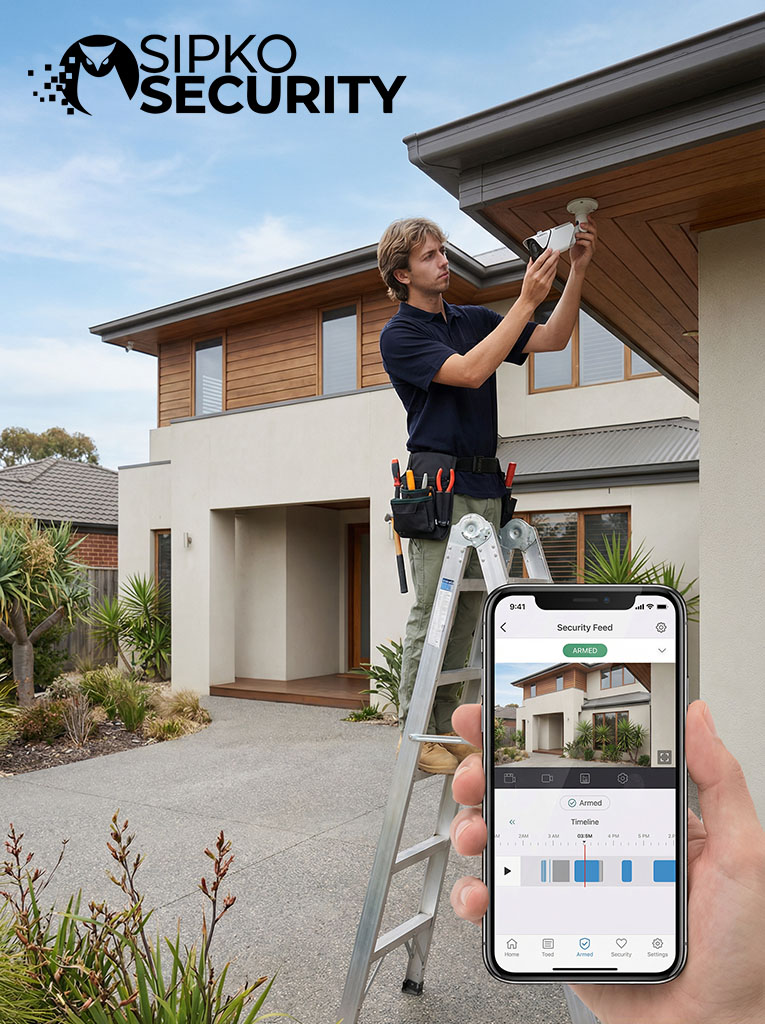
What is reviewed before replacing an NVR or upgrading cameras
- Recorder platform: whether the current unit is only failing, or whether it is also outdated in channel count, playback speed, app support, firmware options, and long-term reliability.
- Camera compatibility: whether existing cameras can stay, whether some can be reused, and whether a staged upgrade makes more sense than replacing everything at once.
- Cabling path: the condition of existing cable runs, connectors, power arrangements, network switching, and whether the site is better suited to a cleaner IP layout.
- Coverage logic: whether the current views still match entrances, corridors, loading points, tills, reception areas, roller doors, car parks, or other places that matter today.
- Storage target: how many days of archive are needed in practice, what resolution is expected, and whether the user needs smoother export and faster event search.
- Remote access: whether owners, managers, or staff need a simpler viewing workflow from phone or desktop without the common frustrations of legacy systems.
When analogue-to-IP migration makes more sense than another repair
Another repair is not always the wrong choice. But once a site has recurring recorder issues, limited resolution, awkward remote access, and short storage retention, it usually makes more sense to move beyond maintenance and plan a proper upgrade path.
For many Melbourne properties, analogue-to-IP migration improves more than image quality alone. It usually brings better flexibility in camera choice, easier expansion, cleaner event search, stronger app support, and a system structure that is easier to manage as the premises change over time.
Flexibility: IP migration opens up broader camera choice, easier scaling, and a cleaner way to match different parts of the site with the type of coverage they actually need.
Storage planning: a modern platform makes it easier to align archive length, camera count, and footage quality without forcing the site to live with a recorder that is already at its limit.
Coverage alignment: once entrances, rear access, shared corridors, loading zones, or parking areas change, IP layouts are usually easier to rework without staying trapped in the logic of an older analogue setup.
System usability: owners and managers usually benefit from smoother playback, cleaner event search, and app access that feels practical day to day rather than awkward and unreliable.
Migration logic in practice: the decision should be based on usability, clarity, storage performance, and future expansion — not only on whether the old recorder can still be restarted one more time. A good upgrade shifts the site from keeping an ageing system alive to using a platform that is easier to review, expand, and rely on after an incident.
What a useful CCTV upgrade should achieve in practice
A useful upgrade should leave the property with footage that is clearer to review, storage that matches the real retention target, and a recorder that behaves predictably in normal daily use. It should also make expansion easier if more cameras are needed later.
Just as importantly, the result should be easier for the owner, manager, or authorised staff to use without constant workarounds. That means smoother playback, simpler export, more stable remote access, and a camera layout that reflects how the site actually operates now rather than how it was set up years ago.
Footage should be easier to interpret after an incident, not just technically recorded.
Storage should match the real archive target instead of overwriting footage too early.
Remote viewing should work reliably for authorised users without the usual legacy frustrations.
The platform should remain practical if the site later needs more channels, coverage, or storage.
Testing, maintenance, and long-term reliability

Commercial alarm reliability is built over time, not proven on the day of installation. A keypad that arms correctly does not automatically confirm that every detector is reporting as expected, that backup power is still holding properly, or that alert delivery will behave the same way during a real after-hours event.
Regular testing should confirm user permissions, zone response, entry and exit timing, communication stability, tamper events, and the way the system behaves after power changes or network disruption. For busy business premises, maintenance is also where false alarms are reduced, weak components are identified early, and confusing operational habits are corrected before they become security gaps.
CCTV upgrades and NVR replacement in Melbourne should improve system performance, not just replace ageing hardware
For sites with ageing recorders, limited archive length, unstable remote viewing, or cameras that no longer provide reliable identification, a proper upgrade is often more effective than repeated minor repairs. The practical goal is clearer footage, more dependable recording, easier playback and export, and a system layout that matches how the property operates now.
- Replace unstable DVR or NVR platforms
- Move beyond analogue limits with a more flexible IP layout
- Improve archive length and storage planning
- Improve image quality where identification matters most














Frequently Asked Questions
Answers to common questions about CCTV upgrades, NVR replacement, analogue-to-IP migration, storage expansion, and practical system improvements for Melbourne properties.
A repair is not always the wrong choice, but an upgrade usually makes more sense when the system has recurring recorder faults, weak image quality, short archive length, unreliable remote viewing, or channel limits that no longer match how the site operates. At that point, replacing isolated parts often costs time without solving the broader system problem.
In many cases, yes. Some upgrades can be staged, with the recorder replaced first and selected cameras retained or changed later. That depends on compatibility, cabling condition, image quality expectations, and whether the existing cameras still provide useful coverage.
Analogue-to-IP migration usually improves more than image resolution alone. It usually provides greater flexibility in camera choice, easier expansion, better app access, cleaner playback and event search, and a more practical platform for future storage planning and layout changes.
Common signs include freezing, random reboots, dropped channels, failed exports, time-setting issues, unstable remote access, and very slow playback. When several of those problems appear together, the recorder is often the limiting point rather than a minor one-off fault.
Yes. Storage can often be improved by changing the recorder platform, expanding drive capacity, reviewing recording settings, and making sure resolution, frame rate, and channel count are aligned with the number of days the site actually needs to retain footage.
Not always. Weak identification can come from a combination of factors, including camera placement, lens choice, night exposure, recorder limits, compression settings, and the simple fact that older systems were designed for general observation rather than reliable identification at key points.
Yes. One of the most common reasons for upgrading is to make remote viewing more dependable and easier to use. A better recorder platform can improve mobile access, playback speed, event review, and day-to-day usability for owners and managers.
Before planning an upgrade, it is worth reviewing recorder condition, existing camera quality, blind spots, cable paths, storage goals, remote access needs, and whether the current layout still reflects entrances, work areas, loading zones, rear access points, and other parts of the site that matter now.
