Security Cameras in the Workplace: What Australian Employers Need to Know
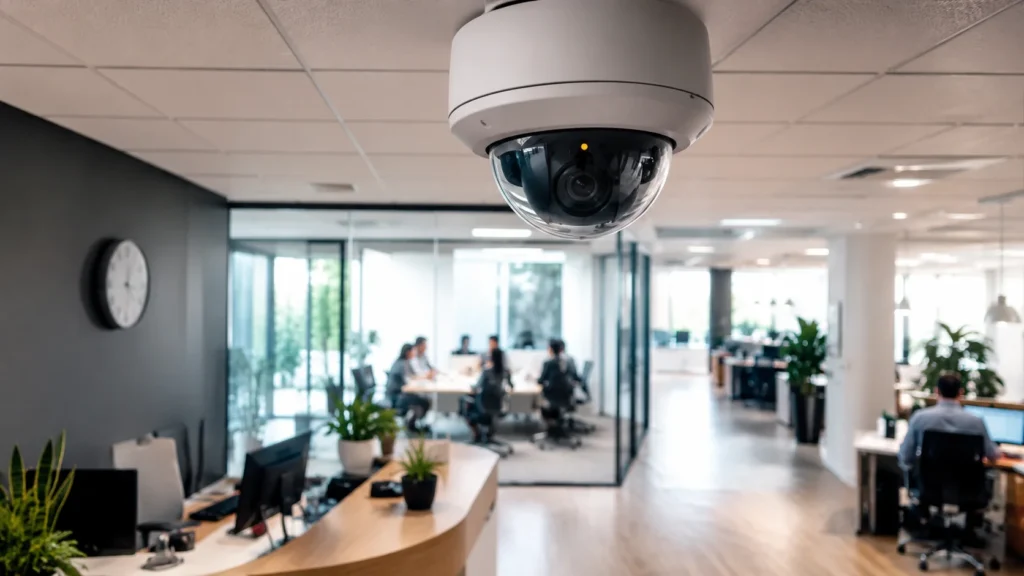
Installing security cameras in the workplace isn’t as simple as buying a kit and mounting it above the door. Cameras at work sit at the intersection of security needs and employee privacy law, and Australia doesn’t have one single rulebook — some states regulate workplace CCTV specifically, others fall back on general surveillance law. Get it wrong and you’re not just risking a compliance headache; you’re risking a workplace relations complaint.
This guide covers why businesses install cameras in the workplace, what’s legal, where employee rights come into it, and how to actually install a CCTV camera system that holds up to scrutiny.
Why Businesses Install Cameras at the Workplace
Workplace security cameras aren’t only about catching theft. The common reasons employers install cameras in a workplace:
- Asset and stock protection — warehouses, stockrooms and equipment stores are common theft targets;
- Staff and visitor safety — entry points, loading docks, car parks and after-hours areas;
- Incident evidence — workplace injuries, disputes and property damage claims;
- Deterring internal theft — till areas, storerooms, cash handling zones;
- Monitoring compliance — safety procedure adherence in high-risk work areas (factories, warehouses);
- Remote oversight — checking multiple sites without being on location.
Not every reason justifies every camera placement — that distinction matters once employee rights and privacy law come into the picture.
Is It Legal to Install CCTV in the Workplace in Australia?
Yes, generally — but the rules differ by state, and a few require formal notice before cameras go in.
| State/Territory | Governing Law | Key Requirement |
|---|---|---|
| NSW | Workplace Surveillance Act 2005 | Written notice to employees before cameras are installed; covert surveillance needs a magistrate’s authorisation |
| ACT | Workplace Privacy Act 2011 | Similar notice obligations to NSW; covert surveillance is tightly restricted |
| Victoria | Surveillance Devices Act 1999 | No workplace-specific notice law, but general consent and “private activity” rules apply |
| Queensland | Invasion of Privacy Act 1971 | General surveillance rules; no dedicated workplace surveillance statute |
| WA | Surveillance Devices Act 1998 | General surveillance rules apply to optical devices in workplaces |
| SA | Surveillance Devices Act 2016 | General consent-based framework, no workplace-specific statute |
| Tasmania | Listening Devices Act 1991 | Primarily covers audio; visual surveillance is less tightly regulated |
| NT | No dedicated surveillance devices act | Common law privacy principles and Fair Work obligations apply |
This is a general overview, not legal advice — if covert surveillance or a dispute is involved, get advice from an employment lawyer before installing anything.
Cameras in the Workplace and Employee Rights
Employee rights around workplace surveillance generally cover four things:
- Right to notice — in NSW and the ACT, employees must be told in writing before cameras are installed, including where they’ll be placed and what they’ll record;
- Right to privacy in specific areas — toilets, change rooms, breastfeeding rooms and similar spaces are off-limits for cameras in every state, without exception;
- Right to know the purpose — surveillance policies should state why cameras are there (security, safety, asset protection) rather than open-ended monitoring;
- Right to raise concerns — employees can raise objections through workplace grievance processes, and unions can be involved in disputes over covert or excessive monitoring.
A written workplace surveillance policy — covering what’s recorded, why, who can access footage, and how long it’s kept — resolves most disputes before they start.
Where You Can and Can’t Install Workplace Security Cameras
| Location | Generally Permitted? | Notes |
|---|---|---|
| Entrances and exits | Yes | Standard placement, low privacy sensitivity |
| Warehouse and stock areas | Yes | Common for shrinkage and safety monitoring |
| Car parks | Yes | Often required for insurance and safety compliance |
| Open-plan work areas | Yes, with notice | Should focus on security purpose, not individual performance monitoring |
| Break rooms / kitchens | Case-by-case | Generally discouraged unless there’s a specific, disclosed reason |
| Toilets and change rooms | No | Prohibited in every Australian jurisdiction |
| Union meeting areas | Restricted | Some states specifically limit surveillance during union activity |
| Individual desks (close-up, ongoing) | Case-by-case | Can raise performance-monitoring concerns separate from security law |
Steps to Install CCTV Camera System at Work
A workplace install that avoids later disputes generally follows this sequence:
- Define the purpose — security, safety, asset protection — write it down before buying equipment;
- Check state requirements — confirm whether written notice is legally required before installation;
- Draft a surveillance policy — camera locations, footage access, retention period, who’s notified;
- Notify staff — in writing, ahead of installation, even in states where it’s not strictly mandated;
- Site assessment — identify entry points, blind spots, high-risk zones and areas that must stay camera-free;
- Install and configure — mounting, cabling, recording schedule, access permissions, remote viewing setup;
- Review periodically — confirm the system still matches its stated purpose as the workplace changes.
Common Uses of CCTV Cameras in the Workplace
Once installed, workplace CCTV systems typically get used for:
- investigating theft or property damage;
- supporting WorkCover or insurance claims after an incident;
- verifying safety procedure compliance in regulated industries;
- providing evidence in workplace disputes or harassment complaints;
- monitoring after-hours access to secure areas;
- deterring unauthorised entry to restricted zones.
Choosing a Workplace Security Camera System
| Feature | Why It Matters at Work | Priority |
|---|---|---|
| Access control by user | Limits who can view footage — critical for privacy compliance | High |
| Audit logging | Records who accessed footage and when | High |
| Defined retention period | Aligns storage with your written policy, avoids indefinite retention | High |
| Motion zones excluding private areas | Keeps cameras from capturing spaces they shouldn’t | High |
| Remote viewing | Useful for multi-site businesses | Medium |
| AI analytics (person/vehicle detection) | Cuts false alerts, useful for large sites | Medium |
| Integration with access control/alarms | Links entry logs with footage for stronger evidence | Medium |
A Practical Example: Installing Workplace Cameras Without Disputes
A mid-size warehouse in Melbourne’s outer suburbs wants cameras across the loading dock, stock aisles and staff entrance after a run of stock discrepancies. Before any equipment goes up, management drafts a short surveillance policy: cameras cover asset protection and safety only, footage is kept for 21 days, and only two managers have viewing access. Staff receive written notice a week before installation, including a floor plan showing exactly where each camera will sit — deliberately excluding the lunchroom and change areas.
The install itself takes a day and a half across twelve cameras tied to a networked recorder with remote access for the two site managers. Because the policy and notice came first, there’s no grievance raised when the system goes live — staff already knew what was coming and why. That sequencing, policy before hardware, is usually the difference between a smooth workplace camera installation and one that ends up in a workplace relations complaint.
Planning a workplace CCTV installation that meets Australian surveillance requirements? SIPKO Security designs and installs commercial systems across Melbourne workplaces, with camera placement and access controls built around your site and your obligations. Go to contacts

FAQ
Do employers need consent to install cameras in the workplace?
It depends on the state. NSW and the ACT require written notice before installation under dedicated workplace surveillance laws. Other states rely on general surveillance device laws, which don’t always mandate formal notice but still restrict covert filming.
Can an employer install covert cameras at work?
Only in limited circumstances, and usually only with a magistrate’s authorisation in NSW and the ACT, typically tied to a suspected offence like theft. Covert surveillance without proper authorisation can expose an employer to legal action.
Are cameras allowed in staff break rooms?
Generally discouraged unless there’s a specific, disclosed security reason — and never in areas like toilets or change rooms, which are off-limits under surveillance law across Australia.
How long can a workplace keep CCTV footage?
There’s no single national rule — retention should match what’s stated in the workplace surveillance policy, commonly somewhere between 14 and 30 days unless footage is needed for an active investigation or claim.
Can employees request access to workplace CCTV footage?
In some circumstances, yes — particularly if the footage relates to an incident involving them, such as a workplace injury or a dispute. Access requests are usually handled under the business’s own policy alongside privacy obligations.
Do unions need to be consulted before installing workplace surveillance cameras?
Not universally, but in some states and under some enterprise agreements, significant changes to workplace conditions — including new surveillance — may trigger consultation obligations. It’s worth checking any applicable enterprise agreement before installation, not after.