
Outdoor & Perimeter Protection with AJAX — Driveways, Fences & Large Blocks in Melbourne
Stop intruders before they reach the door. AJAX outdoor alarm sensors — DualCurtain, MotionProtect Outdoor, StreetSiren, and ReX 2 — supervise driveways, fences, side paths, garages, sheds, and large Melbourne blocks with smart deterrence tuned for local weather, pets, and garden layouts.
Why AJAX perimeter-first for Melbourne driveways & fences?
Most Melbourne break-ins start outdoors — testing a driveway gate, checking a side fence, or scoping a rear lane. AJAX outdoor sensors detect at the boundary so sirens and alerts fire before a door or window is ever reached.
AJAX DualCurtain Outdoor
Narrow-beam curtain detection for Melbourne driveways, side passages, fence lines, and rear lanes.
AJAX MotionProtect Outdoor
Wide-angle PIR for open yards, vehicle aprons, and large Melbourne blocks — with pet immunity.
AJAX StreetSiren Outdoor
Audible + strobe deterrence at the fence line — visible from the street before entry is attempted.
AJAX ReX 2 Range Extender
Extends AJAX wireless to distant sheds, workshops, and rear fence lines on large Melbourne blocks.
AJAX outdoor alarm systems — DualCurtain, MotionProtect Outdoor, StreetSiren, and ReX 2 — stop threats at the driveway, fence line, and boundary. Not the door.
Get Your AJAX Perimeter Plan
Call 0406 432 691 or complete the form and we will contact you.
AJAX DualCurtain & MotionProtect Outdoor:
Accurate Boundary Detection for Melbourne Driveways & Fences
Narrow corridors demand narrow detection. AJAX DualCurtain places two independent “curtain” sensors (left/right) in one body to build a tight detection wall along fences, façade lines, and side paths—keeping pets, trees, and passing traffic out of the slice while focusing on human-height movement.
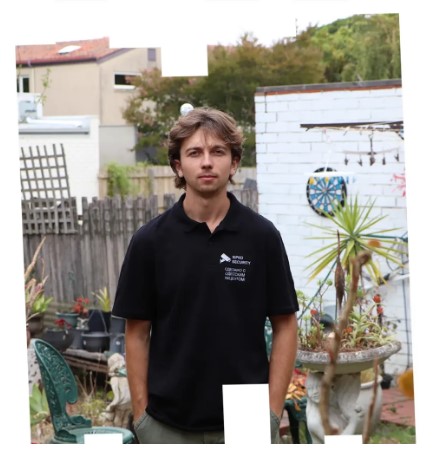 AJAX Outdoor Sensor — Melbourne Install
DualCurtain: Placement Tips
Fence lines, façade windows & side pathsOutdoor PIR: Open-Area Coverage
Front yards, driveways & garagesTuning to Melbourne Conditions
Wind, heat & reflective surfacesAJAX Outdoor Sirens & Visual Deterrence:
Make the Attempt Fail Fast
Outdoor sirens do two things perfectly: they announce the intrusion to neighbours and pressure the intruder to retreat. A bright strobe makes the alert visible even when traffic noise is high, while programmable tones and durations reduce fatigue for nearby residents.
Mount one siren facing the street, another toward the rear yard
Use tamper inputs and anti-masking for physical vandal attempts
Set a shorter night-time duration to reduce nuisance impact
Pair with lights to “flood” the approach vector during alarms
Street-Facing Façade
Mount high on the street-visible wall—high enough to resist reach. Maximum visibility to passers-by and first responders locating the property.
Yard Entry & Rear Lane
Near the yard entry or rear lane to cover side paths. Ensures the intruder hears the alarm regardless of which boundary they crossed.
Garage Interface Door
A mini indoor sounder at the garage-to-house interface door adds a final layer—audible inside the dwelling if the outer perimeter is breached.
When Paired with Perimeter Sensors
Alarms trigger before a door breach, making attempts short and unproductive. The intruder faces a loud siren and bright strobe within seconds of crossing the boundary—long before reaching a window or door.
Visual strobe also helps first responders find the right property quickly in a street of similar homes—a practical benefit that’s easy to overlook until it matters.
Noise Discipline & Neighbours
Balance effectiveness with consideration. Limit maximum on-time at night, and use confirmation delay on fringe sensors to filter weather-driven motion without weakening core corridors like gates and driveways.
Our Packages
Silver
- 1× HUB 4G + Ethernet
- 4× Motion Protect
- 1× Home Siren
- 1× Street Siren
- 2× Space Control Key Fobs
Gold
- 1× HUB 4G + Ethernet
- 1× Keypad
- 2× Door Protect
- 4× Motion Protect
- 1× Motion Cam
- 1× Home Siren
- 1× Street Siren
- 2× Space Control Key Fobs
Platinum
- 1× HUB 4G + Ethernet
- 1× Keypad
- 2× Door Protect
- 2× Motion Protect
- 2× Motion Cam
- 2× Motion Cam Outdoor
- 1× Home Siren
- 1× Street Siren
- 2× Space Control Key Fobs
AJAX ReX 2 Long-Range Topology: Coverage for Large Melbourne Yards, Sheds & Workshops
Large allotments and detached buildings challenge signal paths. ReX 2 repeaters extend AJAX’s long-range wireless to distant fence lines, sheds, workshops, and rear lanes—keeping outdoor alarm sensors responsive even when structures or terrain block direct communication.
- Place ReX 2 midway between hub and far perimeter run
- Avoid metal sheds or water tanks; use offsets to keep line of sight
- Test signal strength at each sensor with doors closed
- Use separate repeaters for rear lane vs side access if needed
- Document each hop so future upgrades remain simple
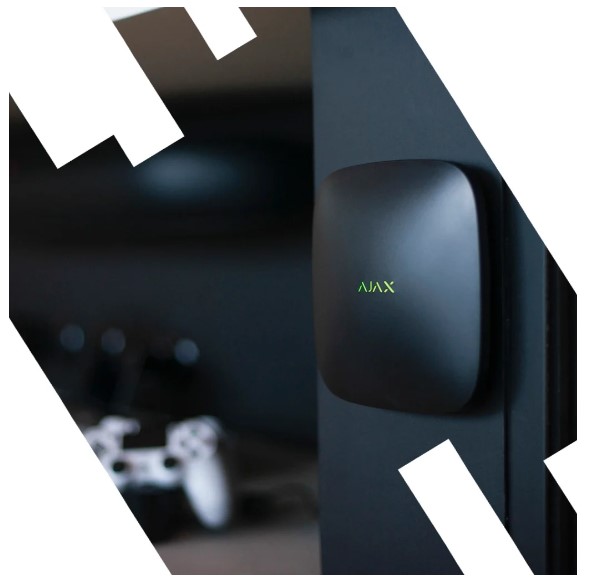 ReX 2 — Extended Wireless Coverage
Power & Resilience
Stable connectivity across the boundaryValidation Routine
Confirm coverage before sign-off AJAX Perimeter — Melbourne Install
Gate, Shed & Workshop Layouts
Front Gate & Driveway
DualCurtain on fence return + wide PIR over vehicle apron; siren/strobe at street-visible façade.
Side Path to Backyard
DualCurtain angled to form a corridor; mask gardens; confirm pet paths are outside beams.
Detached Garage / Workshop
Outdoor PIR on vehicle approach; curtain on pedestrian door; inside mini sounder.
Rear Lane Boundary
DualCurtain in staggered pair to remove gaps; ReX 2 hop if hub is front-loaded.
Acreage Corner
Staged layers—outer curtain at fence, inner PIR closer to buildings; independent alerts per zone.
Short Video Cases
Real approach vectors and alarm responses — demonstrating detection geometry in action.
Fence Hop at Dusk
DualCurtain fires on human-height crossing → strobes + siren activate within seconds.
DualCurtainSide Path Scout
Masked garden ignored → corridor trip alerts as intruder enters the supervised beam slice.
Masking LogicRear Lane Probe
Staggered curtains remove “shadow” gaps → no blind spot across the full lane width.
Staggered PairGarage Check
PIR + inside sounder triggers → retreat within seconds before interior access is attempted.
PIR + SounderWhich Melbourne Blocks Need a Perimeter-First AJAX Alarm?
Melbourne’s residential fabric ranges from narrow inner-city terrace rows to multi-hectare rural allotments. Block geometry, fence type, lane access, and local crime patterns all shape which AJAX outdoor sensors belong where. Below are four real Melbourne contexts mapped to specific perimeter configurations.
Brighton, Sandringham & Hampton Narrow side paths · heritage fences · street-facing sirens
Bayside properties typically sit on 500–700 m² lots with narrow side passages between dwellings—a common entry vector for opportunistic break-ins. Heritage overlays limit visible hardware, making discreet AJAX wireless sensors the practical choice over cabled alternatives. Street-facing façades benefit from a visible siren/strobe to deter attempts before the side path is reached.
Ringwood, Croydon & Lilydale Large corner blocks · acreage · rear lane exposure
Outer-eastern Melbourne is characterised by larger residential lots—many exceeding 800 m²—and a higher proportion of corner allotments with dual street frontages. Corner blocks present two exposed fence lines and often a rear or side lane, multiplying potential entry points. Long wireless runs to detached garages and workshops make ReX 2 repeaters a practical necessity rather than an optional upgrade.
Northcote, Preston & Thornbury Terrace rows · shared driveways · laneway access
Inner-north Melbourne’s Victorian and Edwardian terrace stock sits on narrow lots—often 150–250 m² with shared or semi-shared driveways and rear lane access. Laneways are a documented entry vector in high-density residential precincts. The challenge is detecting movement in a tight corridor without triggering on neighbouring foot traffic or bin-night activity—exactly the use case DualCurtain’s narrow beam geometry addresses.
Dandenong, Berwick & Narre Warren New estates · detached garages · high vehicle traffic
South-east growth corridor estates feature double-garage frontages, wide driveways, and detached alfresco structures. Vehicle approaches are the primary exposure—wide-angle outdoor PIR over the vehicle apron catches movement before the garage door is tested. New-build construction also means clean cable runs are possible during build stage, but AJAX’s wireless-first design suits retrofits equally well.
Mornington, Rosebud & Rural Lots Rural sheds · long fence runs · wildlife false-alarm tuning
Peninsula properties range from coastal holiday homes on 600 m² lots to rural-residential allotments exceeding 2 hectares. Long fence runs to horse paddocks, machinery sheds, and hay storage create signal challenges that ReX 2 repeaters resolve. The Peninsula’s native wildlife—wallabies, possums, and large birds—is the primary source of false alarms on poorly tuned outdoor PIR sensors. Pet-immune calibration, dual-tech verification, and conservative sensitivity settings are essential before connecting to a monitoring centre.
Wallabies and large possums generate heat signatures comparable to a crouching adult. On Peninsula properties, start outdoor PIR sensitivity at the lowest effective setting, enable dual-tech mode where available, and log a full week of events before connecting to a monitoring centre. Adjust masking zones to exclude known wildlife corridors—creek lines, fence gaps, and tree canopy edges—without removing coverage of gates and pedestrian paths.
AJAX Driveway Alarm Sensors Melbourne: Detecting Vehicles vs Pedestrians on the Apron
The driveway is the primary entry point on most Melbourne residential blocks. The detection challenge is specific: a wide PIR that catches every car will also catch every pedestrian — but a sensor tuned only for pedestrians misses a vehicle being used to block camera lines or load stolen goods. The correct answer is two sensors with different geometry working together.
The Vehicle Problem
A car reversing onto the apron at 11 pm generates a large, slow heat mass — very different from a person walking. A PIR set to catch vehicles will trigger on every delivery, every neighbour’s headlights sweeping the fence, and every hot engine idling near the boundary.
The Pedestrian Problem
A person walking the apron at night moves quickly across a wide-angle PIR’s field — often triggering only one or two detection zones. Mounting angle, height, and masking of the footpath all determine whether the sensor catches the approach or misses it entirely.
Why Driveways Are High-Risk
Driveways provide direct access to garages, side gates, and often the main entry door. They are typically the widest unmonitored gap in a residential perimeter — and the one most likely to be tested first by an opportunistic intruder scoping the property.
AJAX MotionProtect Outdoor
Wide PIR — vehicle apron coverageCovers the full width of the driveway apron with a wide detection arc. Mount at 2.2–2.5 m on the garage pier or fence post, angled to sweep the apron from the street edge to the garage door. Mask the lower wedge if a vehicle regularly idles near the sensor, and mask the footpath edge to exclude pedestrian traffic on the public path.
- Mount height: 2.2–2.5 m on brick pier or timber post
- Angle: sweep apron from street edge to garage door
- Mask footpath and road to eliminate public-traffic triggers
- Pet immunity: set lower beams above pet height if dogs roam
- Avoid pointing toward hot roof surfaces or exhaust vents
AJAX DualCurtain Outdoor
Narrow curtain — pedestrian gate detectionPlaced on the fence return beside the pedestrian gate, DualCurtain builds a tight detection wall across the gate opening. Its narrow left/right beam geometry ignores the wide apron and focuses exclusively on the gate corridor — catching a person passing through while ignoring a car on the apron two metres away.
- Mount parallel to fence return, 0.8–1.2 m high
- Angle curtains to form a tight “hallway” across the gate
- Mask garden beds or neighbour’s driveway if visible
- Start medium sensitivity; increase only after a clean 7-day log
- Enable anti-masking to detect deliberate sensor cover attempts
Mounting Surface Guide: Brick Pier vs Timber Post vs Colorbond
Solid, stable, ideal
Brick piers are the most stable mounting surface for driveway sensors. No flex in wind, no vibration from vehicles. Use a surface-mount bracket at 2.2–2.4 m. Drill into mortar joints rather than brick faces to preserve the pier. Cable can be chased into the pier or run in conduit down the back face.
Common, needs checking
Timber posts flex slightly in strong Melbourne southerlies — enough to shift a curtain sensor’s beam angle by several degrees. Check post stability before mounting. Use a rigid bracket that clamps the post rather than screwing directly into weathered timber. Re-check alignment after the first winter storm season.
Heat-reflective — needs offset
Colorbond fence panels absorb and re-radiate heat on Melbourne summer afternoons, raising the background thermal noise near a PIR sensor. Mount the sensor on a bracket that offsets it 80–100 mm from the panel face. Avoid mounting on west-facing Colorbond panels that receive direct afternoon sun from October to March.
Masking the Road: Eliminating Public-Traffic False Alarms
Melbourne residential driveways typically sit 3–8 m from the kerb. Without masking, a wide-angle PIR will trigger on every car passing at night, every pedestrian on the footpath, and every cyclist. Mask the lower detection wedge to exclude the footpath and road surface, keeping the active detection zone on the apron itself.
For corner blocks with two street frontages — common in outer-eastern and south-eastern Melbourne growth corridors — each frontage needs its own masked sensor. A single unmasked PIR covering both frontages will generate continuous false alarms from passing traffic on both streets.
Confirmation delay (1–2 seconds) on the apron PIR filters brief animal crossings and windblown debris without weakening detection of a person walking the full apron length.
Why Driveways Are the Primary Entry Vector
Victorian crime data shows residential burglary remains a significant property offence category across Melbourne LGAs. Driveways and garages represent the most common unmonitored access point on standard residential lots — a gap that perimeter-first AJAX sensor placement directly addresses.
Crime Statistics Agency Victoria — Recorded Offences by LGA Australian Institute of Criminology — Residential Burglary PatternsTimber Paling, Colorbond & Brick — AJAX Fence Alarm Sensors: What Mounts Where in Melbourne
Melbourne’s three dominant residential fence types each create different mounting constraints, thermal behaviour, and detection geometry for outdoor AJAX alarm sensors. Getting the pairing right eliminates the most common sources of false alarms and missed detections on fence-line perimeters.
Timber Paling
Most common in inner & middle MelbourneThe Problem
Timber paling fences flex in Melbourne’s southerly wind bursts — a strong gust can shift a fence-mounted sensor’s beam angle enough to sweep a previously masked garden bed into the active detection zone and trigger a false alarm.
Weathered timber also degrades mounting stability over time. Screws loosen in wet-dry cycles and the fence may lean or bow, gradually rotating the sensor off its calibrated angle.
Key risk: vibration-induced false alarms and gradual beam drift.
AJAX Solution & Mounting
Mount AJAX DualCurtain or MotionProtect Outdoor on a rigid post or wall bracket adjacent to the fence rather than directly on the paling. A standoff bracket fixed to a concrete footing or brick pier eliminates flex transfer entirely.
If direct fence mounting is unavoidable, use a heavy-duty bracket spanning at least three palings to distribute load. Re-check beam alignment after the first winter storm season.
Colorbond Steel
Dominant in outer suburbs & new estatesThe Problem
Colorbond panels absorb solar radiation and re-radiate heat throughout the afternoon and into the evening. West-facing Colorbond in Melbourne’s outer suburbs can reach surface temperatures well above ambient air temperature on summer afternoons, raising the thermal contrast threshold a PIR must overcome to detect a human body.
Key risk: elevated background heat reducing PIR sensitivity; heat shimmer causing false triggers.
AJAX Solution & Mounting
Mount sensors on an 80–100 mm offset bracket away from the Colorbond face to create an air gap preventing direct heat conduction into the sensor housing. Avoid mounting on west-facing panels that receive direct afternoon sun from October through March.
For long Colorbond fence runs, AJAX DualCurtain is preferred over wide-angle PIR — its narrow beam geometry reduces the amount of heated panel surface in the detection field. Enable anti-masking to detect deliberate cover attempts.
Brick & Rendered Masonry
Common in Bayside, inner east & heritage precinctsThe Problem
Brick boundary walls are structurally stable but their height and return geometry creates blind corners. A sensor on a long brick run will have its detection field cut off at the return corner, leaving a shadow zone an intruder can use to approach the gate undetected.
Rendered masonry also presents a drilling challenge: brackets must be fixed into mortar joints to avoid cracking render, particularly on heritage-listed properties common in Bayside and inner-east Melbourne.
Key risk: blind corners at returns; heritage drilling constraints.
AJAX Solution & Mounting
Address blind corners with a second sensor on the return wall, angled to cover the shadow zone. A DualCurtain on the main run plus a MotionProtect Outdoor on the return creates overlapping coverage with no gap at the corner.
AJAX’s wireless-first design means no cable chasing through heritage masonry; sensors run on battery with encrypted wireless communication back to the hub. Fix brackets into mortar joints only — never into face brick or render.
Always Test After Installation
Walk the full fence line at typical approach speeds — straight-on, diagonal, and parallel — before signing off. Beam geometry on paper rarely matches real-world terrain exactly.
Log a 7-Day Event Record
Before connecting to a monitoring centre, log all sensor events for a full week. Recurring nuisance triggers at the same time of day point to a specific environmental cause — adjust masking or angle rather than reducing sensitivity.
Enable Anti-Masking on All Outdoor Sensors
Anti-masking detects deliberate attempts to cover or obstruct the sensor lens — a known tactic used before a break-in attempt. Enable it on every outdoor AJAX sensor regardless of fence type.
Re-Check Alignment Seasonally
Melbourne’s temperature range — from below 5°C in winter to above 40°C in summer — causes bracket materials to expand and contract. A sensor perfectly aligned in April may have drifted by February. Seasonal re-checks take minutes and prevent months of nuisance alarms.
Why Fence Type Matters for AJAX Alarm Sensor Selection in Melbourne
Outdoor AJAX alarm sensors — DualCurtain Outdoor, MotionProtect Outdoor, and MotionProtect Outdoor Fibra — are designed for perimeter deployment, but their performance depends heavily on what they are mounted to. A sensor correctly configured for a brick wall will generate false alarms if relocated to a Colorbond fence without recalibration.
Melbourne’s climate amplifies these differences. The city’s wide daily temperature range, strong southerly wind events, and high UV exposure all affect sensor housing integrity, bracket stability, and PIR thermal baseline over time. Fence-type-aware installation is not a refinement — it is the baseline for a reliable outdoor perimeter alarm system.
For properties with mixed fence types — a common situation on corner blocks and large allotments — each fence section should be treated as a separate detection zone with its own sensor selection, mounting method, and sensitivity setting.
Melbourne Climate & Fence Context
Melbourne’s variable climate — including temperature extremes, strong wind events, and high UV — directly affects outdoor sensor performance and bracket longevity. Bureau of Meteorology climate data for Melbourne is publicly available.
Bureau of Meteorology — Melbourne Climate AveragesVictorian residential fence regulations and standard fence types by region are documented by Consumer Affairs Victoria.
Consumer Affairs Victoria — Fences & BoundariesAJAX Side Gate & Rear Lane Security Melbourne: The Two Entry Points Most Alarms Miss
Standard indoor alarm systems protect doors and windows — but side gates and rear lanes sit entirely outside their detection range. On most Melbourne residential blocks, these two access points are the widest unmonitored gaps in the perimeter, and the ones most likely to be tested first.
Side Gate & Side Path
Narrow corridor — DualCurtain geometryThe side path between a Melbourne house and its boundary fence is typically 900 mm–1.2 m wide — exactly the geometry AJAX DualCurtain Outdoor was designed for. Its two independent curtain beams form a tight detection wall across the path width, catching a person moving through the corridor while ignoring the garden bed on the other side of the fence.
The key placement rule: mount DualCurtain parallel to the fence return at the gate opening, not at the far end of the path. Detection at the gate means the alarm triggers the moment the gate is passed — before the intruder reaches the building.
- Mount at gate opening, parallel to fence return, 0.8–1.2 m high
- Angle left/right curtains to form a wall across the full path width
- Mask garden beds and neighbour’s fence if visible through the beams
- Add AJAX Door Protect on the gate itself for a second confirmation layer
- Enable anti-masking — side gates are a common target for sensor obstruction
Rear Lane Boundary
Staggered pair — removing shadow gapsRear lanes in Melbourne’s inner and middle suburbs — common in Northcote, Preston, Fitzroy North, Thornbury, and similar terrace-row precincts — run behind a continuous row of properties. A single DualCurtain covering a 6 m rear boundary will leave shadow gaps at the corners where the beam geometry cannot reach.
The staggered pair solution: two DualCurtain sensors offset along the rear fence, each angled to cover the other’s shadow zone, create continuous detection across the full rear boundary width with no exploitable gap.
- Use two DualCurtain sensors staggered along the rear fence line
- Angle each to cover the other’s corner shadow zone
- If hub is front-loaded, use ReX 2 repeater for reliable rear-lane signal
- Assign rear lane as a separate AJAX zone for independent alert routing
- Walk-test at dusk — lane lighting conditions affect sensor baseline
What Gets Missed
What Gets Covered
Side Gates & Rear Lanes in Melbourne’s Residential Fabric
Melbourne’s residential street grid — particularly in inner and middle suburbs built before 1970 — was designed with rear lane access for rubbish collection and service vehicles. These lanes remain in active use and provide unobserved rear access to properties that front-facing security systems cannot address.
In newer outer-suburban estates, side gates between double-garage frontages serve the same function: they provide a path from the street to the rear yard that bypasses the main entry entirely. A perimeter-first AJAX alarm system treats the gate as the entry point — not the door behind it.
Assigning side gates and rear lanes as independent AJAX zones also improves monitoring centre response: an alert from the rear lane zone carries different context than a front-door alert, allowing faster and more accurate dispatch decisions.
Entry Point Research & Victorian Crime Data
The Australian Institute of Criminology has published research on residential burglary entry methods. Victorian suburb-level property offence data is available via the Crime Statistics Agency.
AIC — Residential Burglary Entry Methods Crime Statistics Agency Victoria — Property Offences by SuburbAJAX Outdoor & Perimeter Alarm Melbourne — Driveways, Fences & Large Blocks FAQs
Common questions about AJAX outdoor alarm sensors, perimeter detection, and large-block security in Melbourne.
Ready to Secure Your Melbourne Driveway, Fence & Large Block with AJAX?
Share your suburb, block size, fence type, and access points. We’ll propose a perimeter-first AJAX sensor layout with mounting heights, zone assignments, and siren positions tailored to your property.
Related AJAX Security Pages
Advanced AJAX Perimeter Security in Melbourne
Full perimeter system design for Melbourne residential and commercial properties.
→ OutdoorAJAX Outdoor Security for Melbourne Homes
Outdoor sensor selection and placement for Melbourne residential blocks.
→ Sheds & GaragesAJAX Security for Garages, Sheds & Storage
Protecting detached structures on large Melbourne blocks with AJAX wireless sensors.
→ InstallationAJAX Alarm System Installation Melbourne
Professional AJAX alarm installation across Melbourne — residential and commercial.
→ Mornington PeninsulaAJAX Security Systems — Mornington Peninsula
Large rural blocks, long fence runs, and wildlife tuning on the Peninsula.
→ Large BlocksFarm & Large Block Security with AJAX Melbourne
Multi-zone AJAX layouts for acreage, paddocks, and rural Melbourne properties.
→ BaysideBayside Alarm Installation & Monitoring
Coastal-ready AJAX systems for Brighton, Sandringham, Hampton and surrounds.
→ ReX 2AJAX ReX 2 Range Extender — Melbourne
Extend wireless coverage to distant sheds, workshops, and rear fence lines.
→ DualCurtainAJAX MotionProtect Curtain — Melbourne Install
Narrow-beam curtain sensor for side paths, gates, and fence-line corridors.
→ Pet ImmunityPet-Friendly AJAX Security for Melbourne Homes
Sensor calibration and placement to eliminate pet-triggered false alarms outdoors.
→





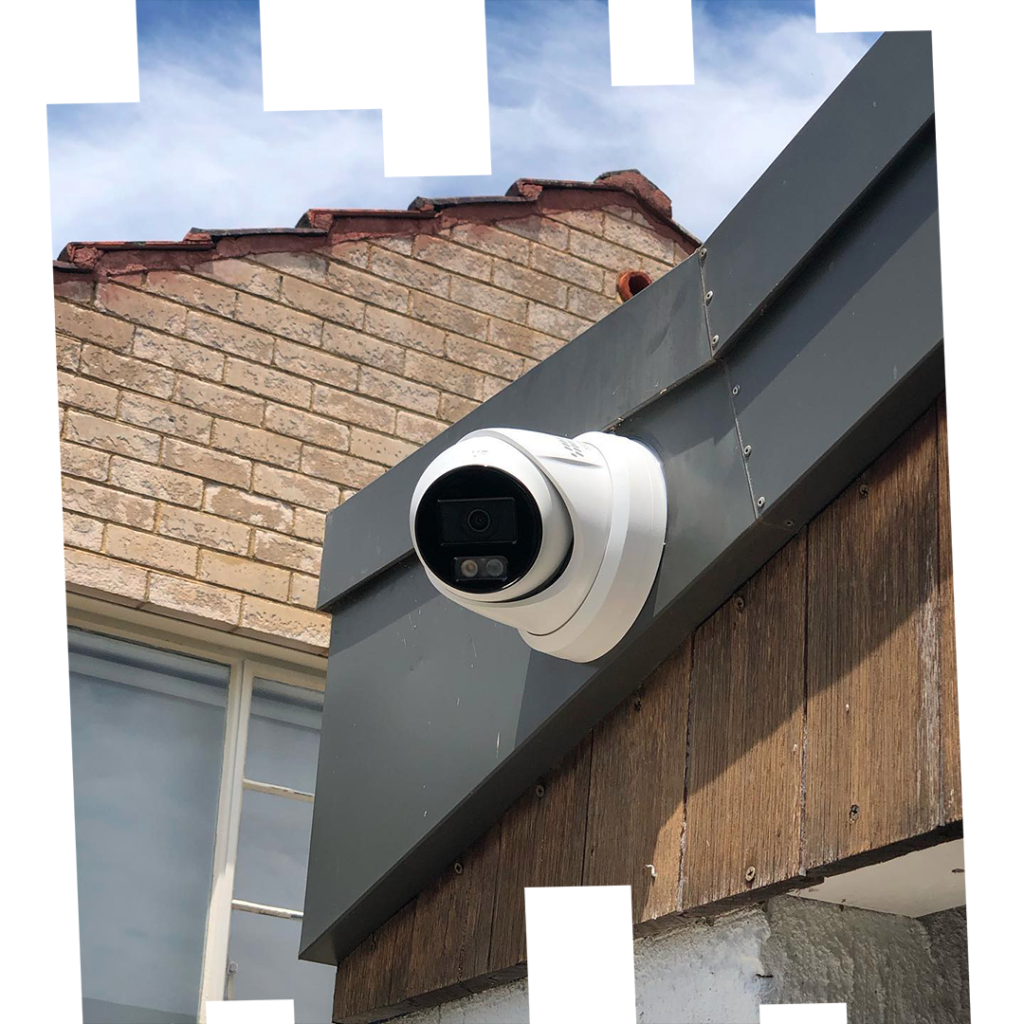



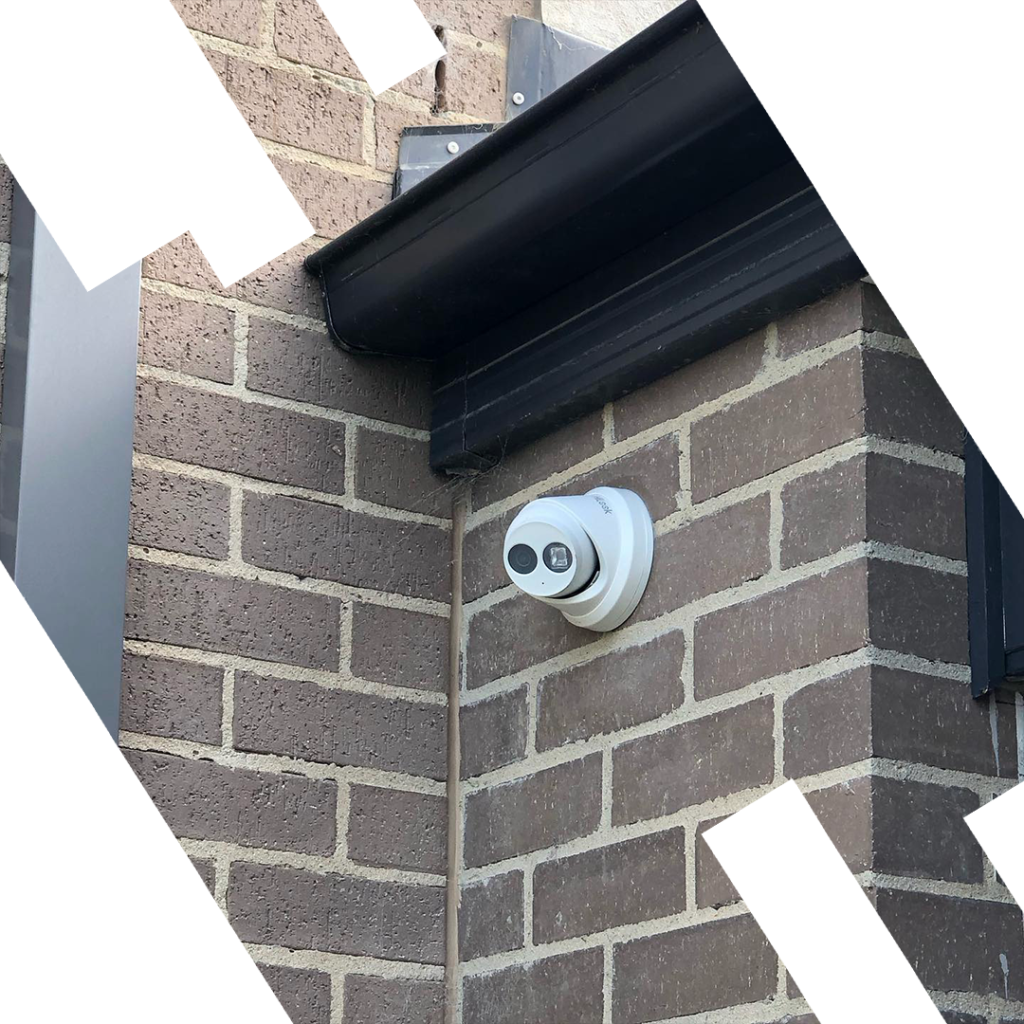

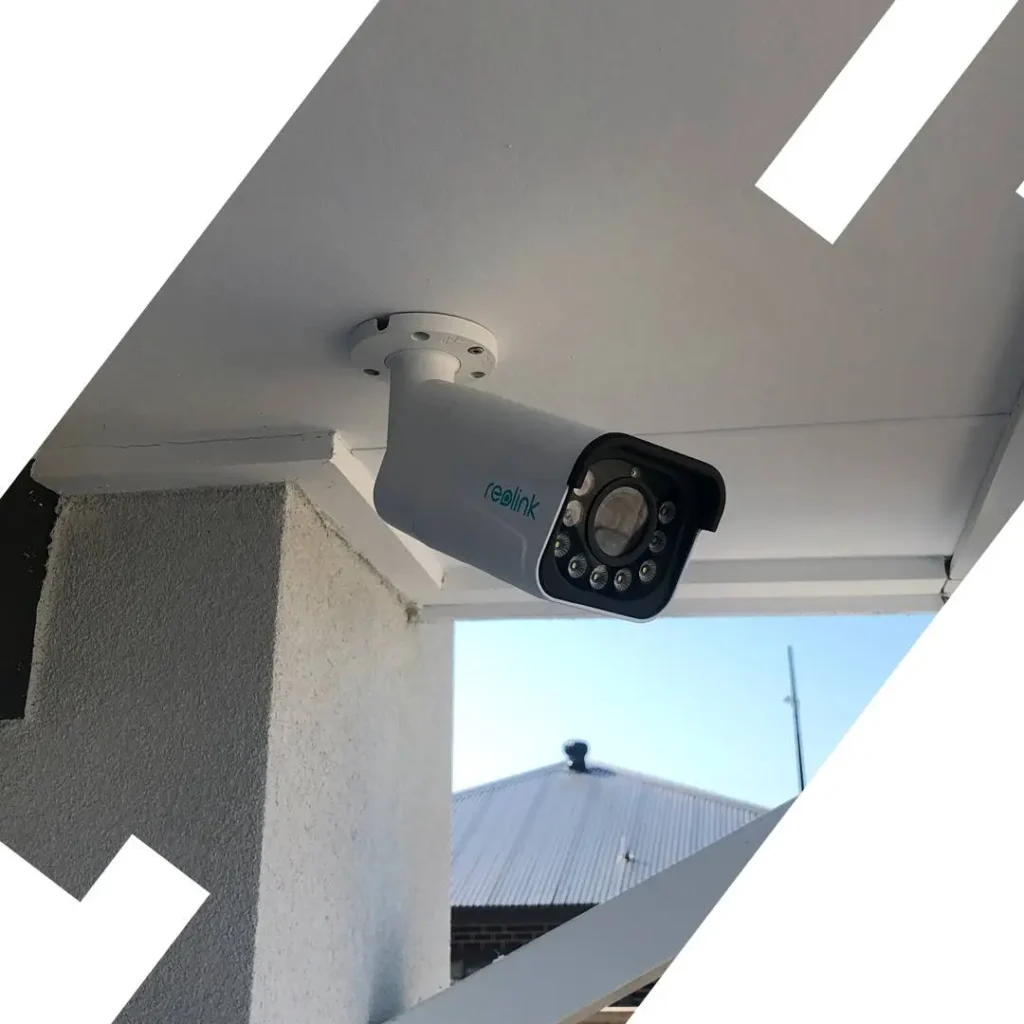





Most homes with fences/driveways/side paths are completed in 2–4 hours. Larger blocks with rear lanes or detached sheds can take half a day depending on DualCurtain/PIR count and heights/masking.
Yes. Outdoor AJAX devices are built for rain, wind, and temperature swings. We still avoid direct sunrise/sunset into the lens and mount with shields where needed to minimise thermal glare and reflections.
We use narrow “curtain” geometry, masking zones, and conservative sensitivity. Pet-friendly angles keep lower beams above pet height; we also avoid moving foliage in-beam and exclude hot exhaust areas.
DualCurtain houses two opposite “curtain” sensors that form a tight corridor along fences, façades, and side access paths—perfect for boundary lines and gate approaches where you want precise detection.
Use ReX 2 when you have distant runs (rear lane, far corner, detached garage/workshop) or thick structures that attenuate signal. We place it mid-path to maintain strong margins instead of one long hop.
Sirens are configurable. We set day/night profiles with capped durations and use strobe emphasis after hours. Street-facing placement helps alert the right people without prolonged noise.
Yes. We create partitions (zones) so your fence lines, driveway, and gates can be armed while interiors remain disarmed—ideal for evenings or when you’re working in the garage or backyard.
The hub has backup battery power. Alerts can use Ethernet/Wi-Fi with optional cellular as a fallback, so perimeter events still notify you during outages.
Expect multi-year battery life. We recommend seasonal walk-tests, quick lens cleaning, and a yearly review of masking/zones—especially if landscaping changes or new pets/vehicles are introduced.