
Security Camera Installation in Beaumaris for a Suburb Built Around Its Architecture
Beaumaris was described in 1956 as having "the greatest concentration of interesting houses in the metropolitan area." That description came from the Royal Institute of Architects, and it still holds. In the decade after the Second World War, architects including Robin Boyd, Peter McIntyre, Chancellor and Patrick and Anatol Kagan came to Beaumaris because the suburb offered undeveloped bushy blocks close to the water — blocks where they could experiment with flat roofs, floor-to-ceiling glazing, passive solar planning and materials that weren't being used anywhere else in Melbourne. More than fifty architects were living in Beaumaris in the 1950s, in houses they designed themselves. The result is a suburb whose residential character is genuinely unlike anything else in Bayside.
Most of those houses have no formal heritage protection. Bayside Council's opt-in approach to heritage listing — introduced after a broader study was abandoned in 2018 — has resulted in only a handful of Beaumaris properties receiving heritage overlay. Dozens of significant mid-century homes identified as architecturally important in council-commissioned studies remain unprotected. When one is demolished and replaced, the change to the streetscape is immediate and permanent. For a resident who chose Beaumaris precisely because of its architectural character, the house that disappears next door is part of what they paid to live beside.
SIPKO Security provides security camera installation in Beaumaris for properties across the suburb's housing range — from original mid-century modernist homes with flat roofs and glazed facades to foreshore properties along Beach Road — with camera planning that accounts for the specific construction of each building and the current state of its block.
CCTV Installation in Beaumaris
Home security camera installation in Beaumaris starts with a property type that most residential camera templates weren't designed for. A mid-century modernist home — the kind designed in the 1950s or 60s by an architect experimenting with a flat roof, large glass panels and a layout oriented around natural light and the surrounding vegetation — often has no eaves, no standard mounting points and no external cable routing that was ever planned for camera hardware. Adapting a standard residential install to a Beauy Classic requires working around the actual structure rather than defaulting to positions that assume Edwardian or Federation construction.
Security camera system installation in Beaumaris also looks different depending on where the property sits within the suburb. For an inland property on a street where the surrounding homes are all mid-century originals in reasonable condition, the primary consideration is the building itself. For a property adjacent to a recently demolished or actively rebuilt block, the context shifts: the street baseline changes when a neighbour's original home disappears and a construction site opens up in its place. The period when an adjacent site is being cleared and rebuilt is precisely the period when the familiar visual logic of a settled street stops working as a security filter.
For properties along Beach Road and the foreshore-facing streets near Ricketts Point and Table Rock Point, the considerations extend further. The Beaumaris foreshore corridor attracts consistent foot traffic year-round — the Marine Sanctuary, the coastal walking trail and the cliff-top access points all generate movement along Beach Road and the connecting paths. The coastal environment also introduces practical camera planning requirements: salt air and the proximity to Port Phillip Bay affect hardware selection in ways that a standard Melbourne suburban install doesn't need to account for.
What each of these situations has in common is a property whose camera planning needs to begin with an understanding of the building and its surroundings — not a generic residential formula applied to a suburb where most of the housing was individually designed by a named architect. CCTV installation in Beaumaris planned around the actual construction, the current state of the surrounding block and the coastal exposure of the property tends to produce a system that remains useful over time, rather than one designed for a suburb it isn't.
Security Camera Systems & CCTV Solutions for Beaumaris Properties
Beaumaris is unlike most suburbs in Melbourne's inner south in a specific way: a significant proportion of its residential housing was individually designed by named architects working in a period of genuine experimentation. The flat-roof modernist homes that define the suburb's character — the Beauy Classics, as locals call them — weren't built to a developer's standard plan. They were designed around specific blocks, specific light conditions and specific materials. A camera system that accounts for this is different from one designed for a suburb of Edwardian terraces or post-war brick veneer.
What most Beaumaris properties share is an owner who bought into this suburb deliberately — for the architectural character, the foreshore access and the established, stable community of people who share an appreciation for what makes Beaumaris different. A security camera system installation in Beaumaris that works within the specific construction of the property, rather than against it, and that holds up in a coastal environment, is worth planning properly from the start.
- Mid-century modernist homes with flat roofs, glazed facades and no standard eave-mounting positions.
- Properties adjacent to recently demolished or rebuilt blocks where the street's visual baseline has changed.
- Heritage-listed properties requiring camera placement that preserves original facade elements.
- Beach Road and foreshore-facing properties with coastal hardware requirements and trail foot traffic.
A Beaumaris mid-century home presents camera planning conditions that most residential templates don't anticipate. Wide glass panels replacing solid walls, flat or near-flat rooflines without eaves, timber or steel framing and experimental cladding all affect where cameras can be placed and how cables can be routed without compromising the building's character. These homes were designed as complete architectural statements — a camera installation that works with that design rather than cutting through it is both more effective and more appropriate for the property.
When a neighbouring mid-century property is demolished and replaced — a process that happens in Beaumaris with some regularity, given the absence of formal protection on most of the suburb's significant homes — the adjacent block shifts into a different mode. For foreshore and Beach Road properties, the coastal trail and the consistent draw of Ricketts Point Marine Sanctuary mean that camera coverage of the foreshore-facing side is often more relevant than the quiet residential street at the rear.
What We Protect in Beaumaris
The post-war modernist homes of Beaumaris — Beauy Classics, as they're known locally — represent one of the most significant concentrations of architect-designed residential housing in Australia. Flat roofs, floor-to-ceiling glazing, integrated landscaping, experimental use of materials: these houses were built to be different, and they have been lived in and cared for by people who understand what makes them significant. Camera planning for a Beauy Classic starts with the building itself — how to cover it effectively without working against the design that makes it worth protecting.
A small number of Beaumaris homes have received heritage overlay status through Amendment C178bays and the proposed C192bays — which means alterations visible from the street require a planning permit. For these properties, camera mounting positions and cabling approaches need to be chosen with the heritage condition in mind. Placement that avoids original facade details, discreet cabling and low-impact mounting hardware all matter more when the Council can require that any visible change be assessed before it goes ahead.
The Beaumaris foreshore is not a seasonal amenity — Ricketts Point Marine Sanctuary, the coastal walking and cycling trail and the cliff-top access at Table Rock Point draw consistent year-round use. Properties along Beach Road and the foreshore-connecting streets see considerably more external movement than inland Beaumaris, and many of them are among the suburb's most architecturally significant mid-century homes, designed specifically to face the bay. Camera coverage of the foreshore-facing side of these properties accounts for movement that the quiet residential street at the rear doesn't reflect.
CCTV Systems We Install and Support
Our security camera installers in Beaumaris work across the suburb's distinctive housing — from original mid-century modernist homes with flat roofs and glazed facades to foreshore properties along Beach Road — recommending systems based on the specific construction, the coastal exposure and the current condition of each property's block.
A camera system covering a mid-century home or a foreshore-facing property in Beaumaris answers one question well: what has happened near the property, and when. For a homeowner who travels regularly, or whose property sits beside one that's in the process of being demolished and rebuilt, a second question matters as much: what to do when something needs an immediate response.
Our CCTV installers in Beaumaris often combine camera coverage with alarm integration so that an event at a property boundary or entry point — particularly during a period when the surrounding block is in an active construction phase — triggers an alert that can be verified immediately using footage. This pairing is useful precisely when the visual context of the street has changed enough that a neighbour's awareness can no longer be relied upon to fill the gap.
For Beaumaris homeowners who travel internationally — a common situation in a suburb with a high owner-occupier rate and an affluent demographic — the combination of cameras and alarm notification means the property isn't depending on a neighbour to notice something during a weeks-long absence. That matters especially when the neighbour's own property is currently a construction site.
Beaumaris clients tend to reach us with a specific situation in mind — a mid-century home whose flat roof and glazed facade don't suit standard residential camera positions, a property adjacent to a recently cleared and rebuilt block, or a Beach Road foreshore property that needs coastal-rated coverage facing Ricketts Point.
The reviews below reflect installations across Beaumaris's range — original modernist homes, foreshore-facing properties and a small number of heritage-listed buildings — each planned around the specific construction and context of the property rather than a standard template.




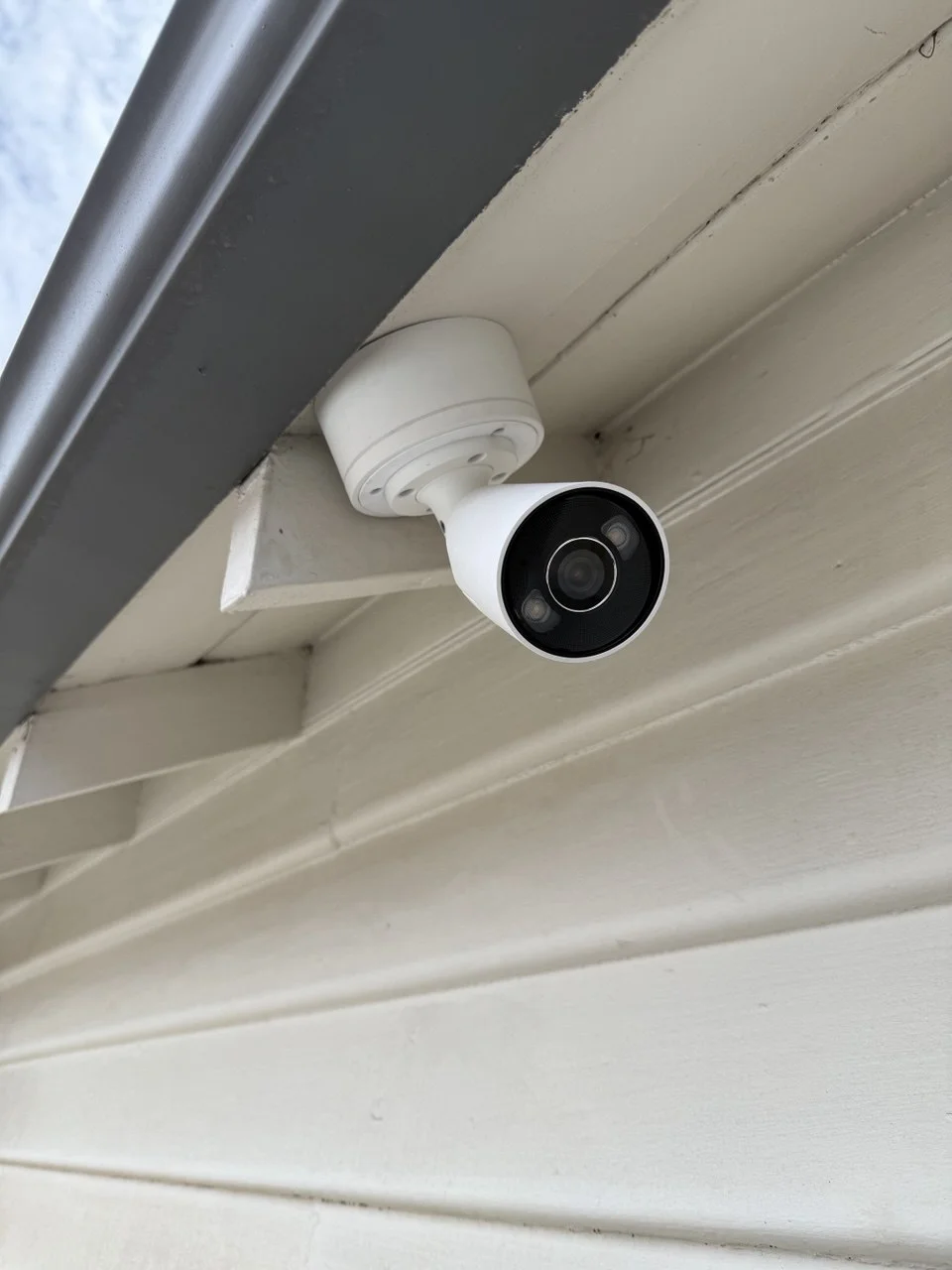
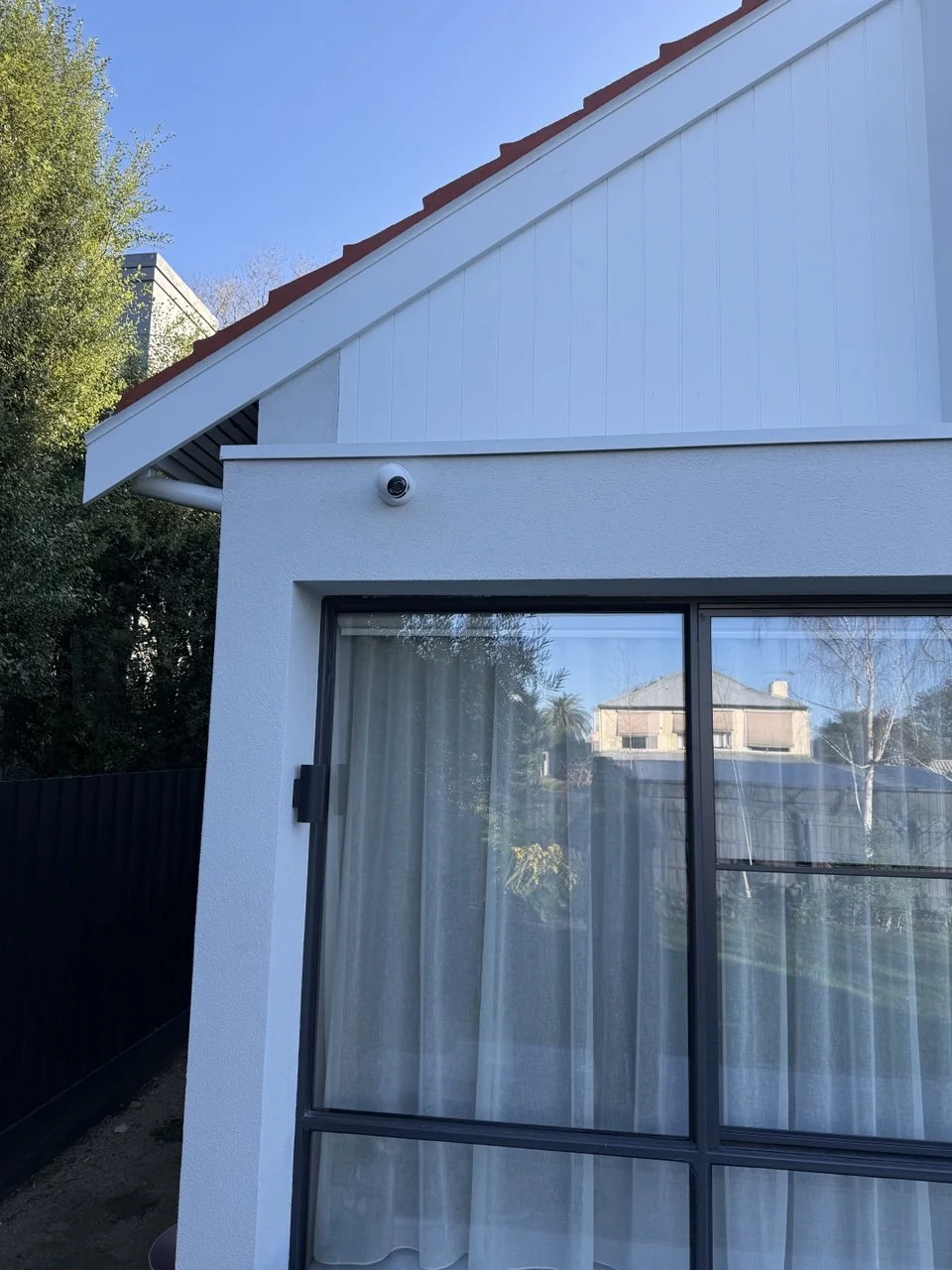
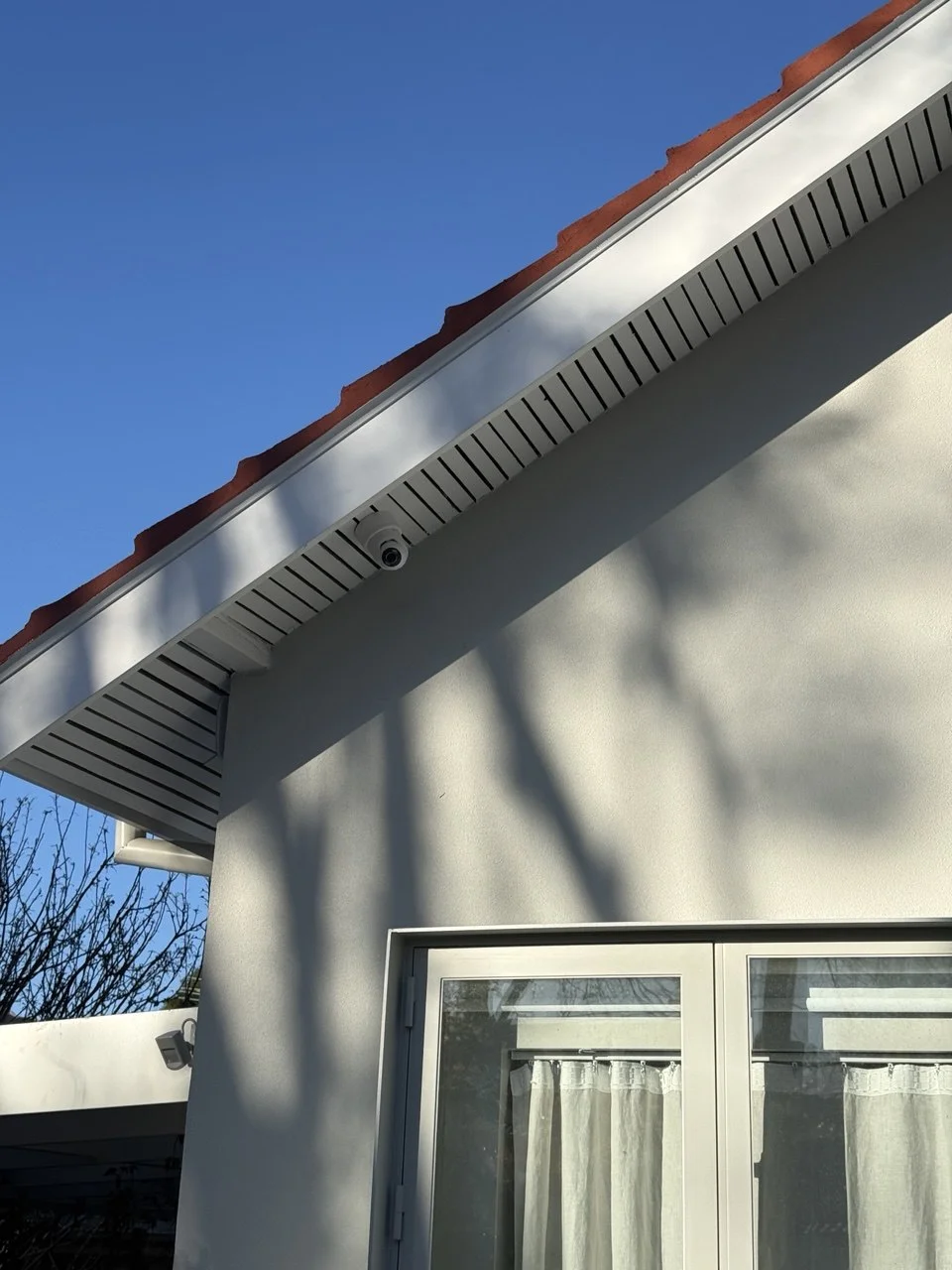
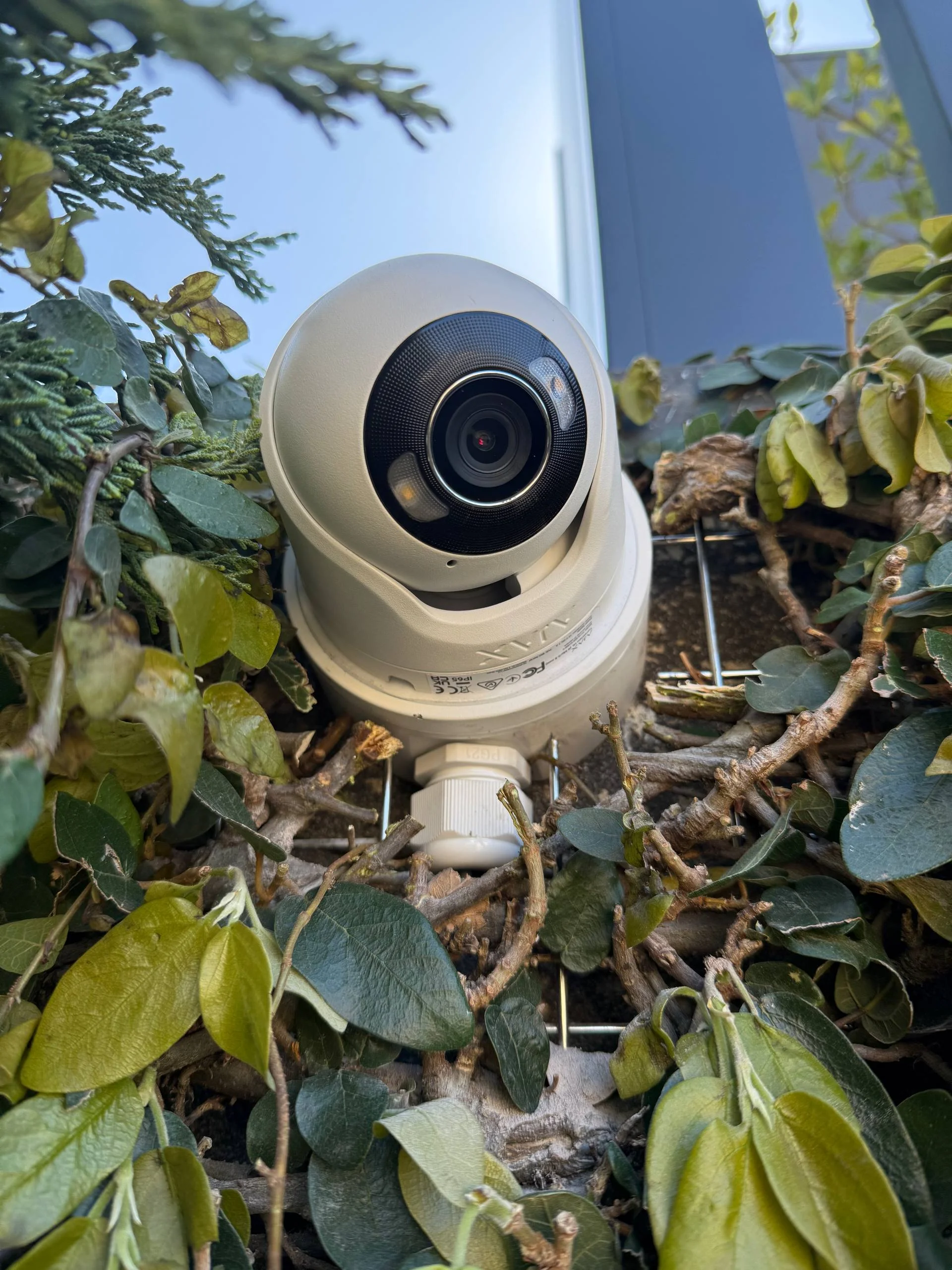
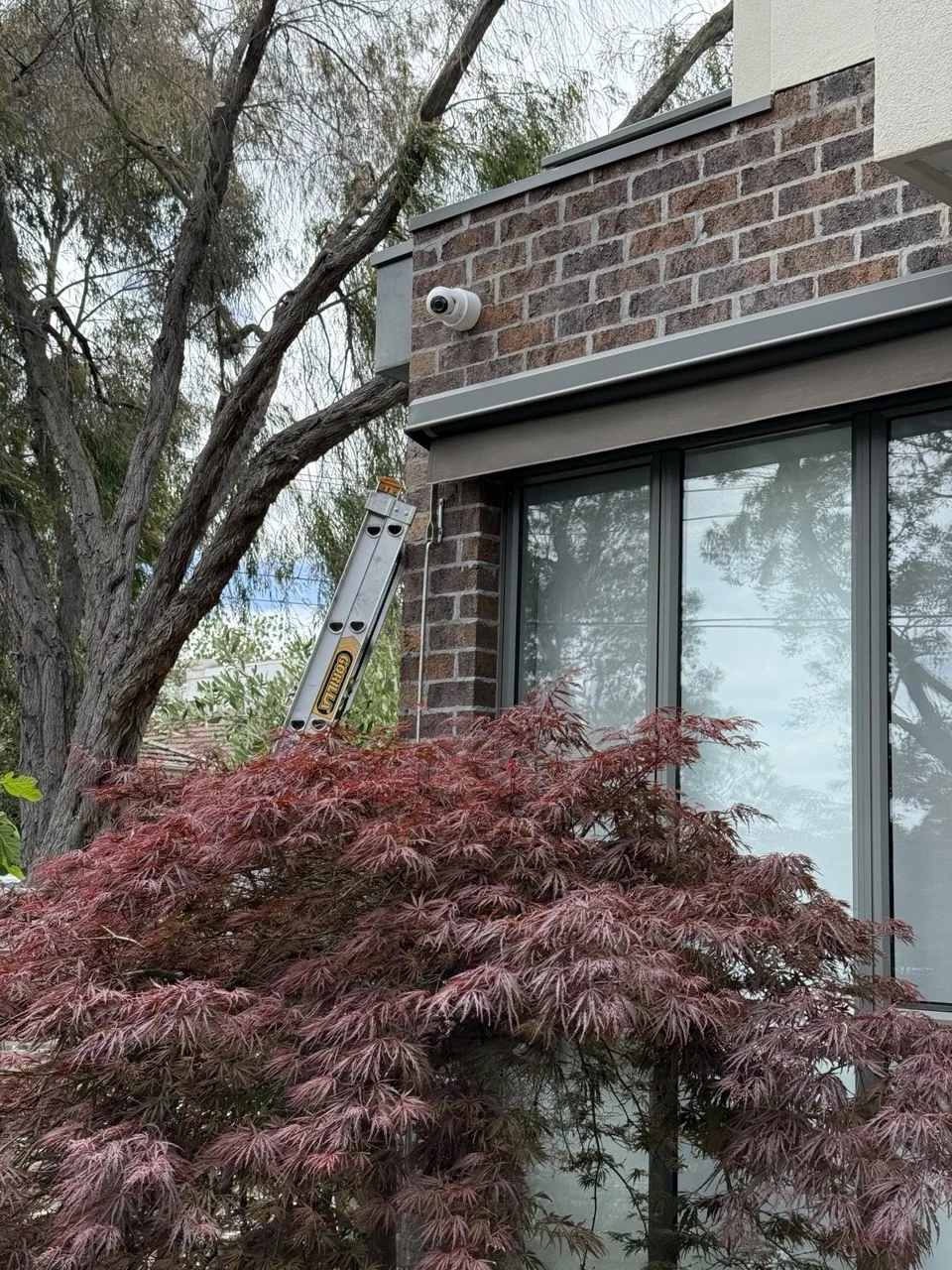
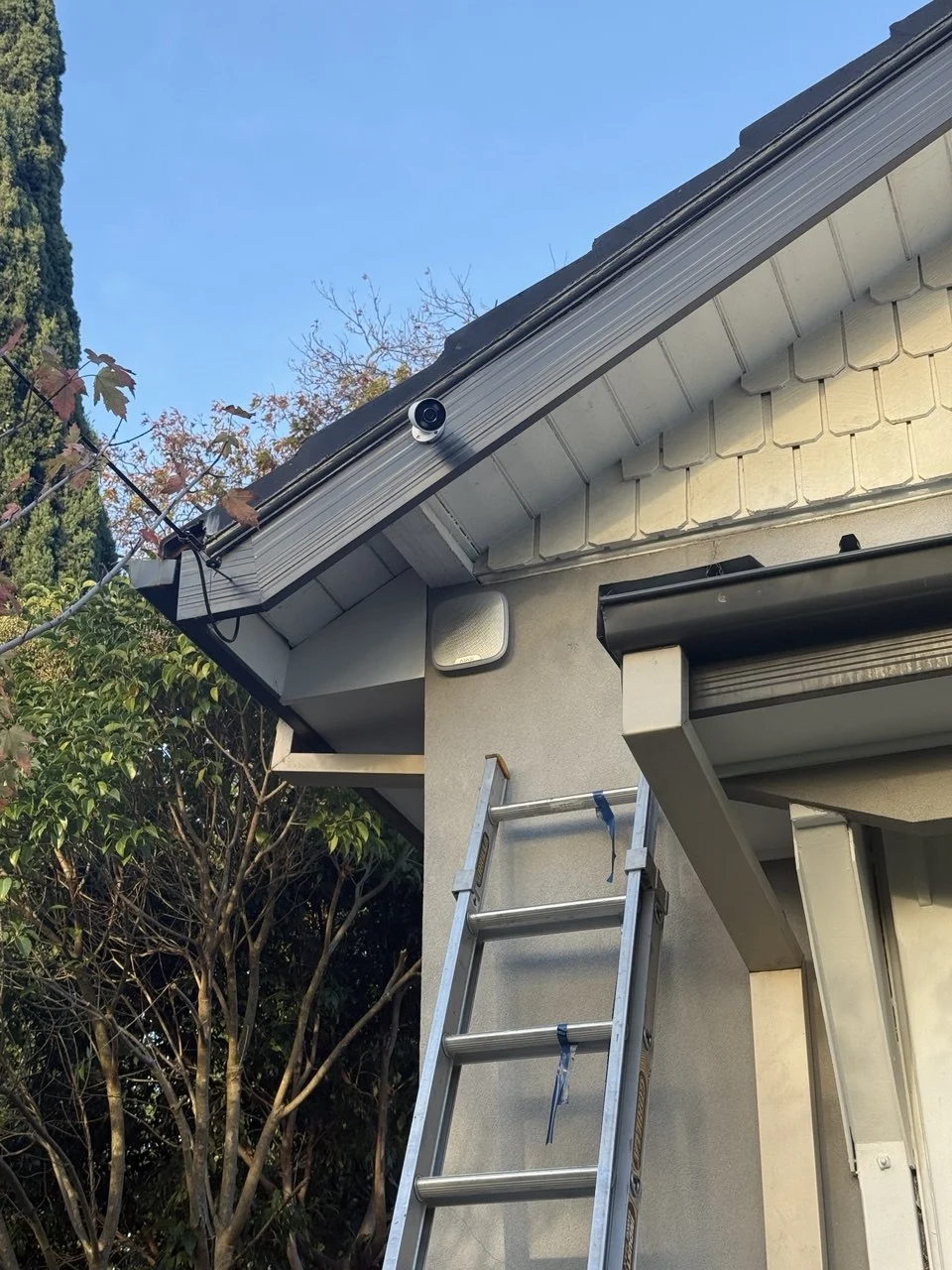
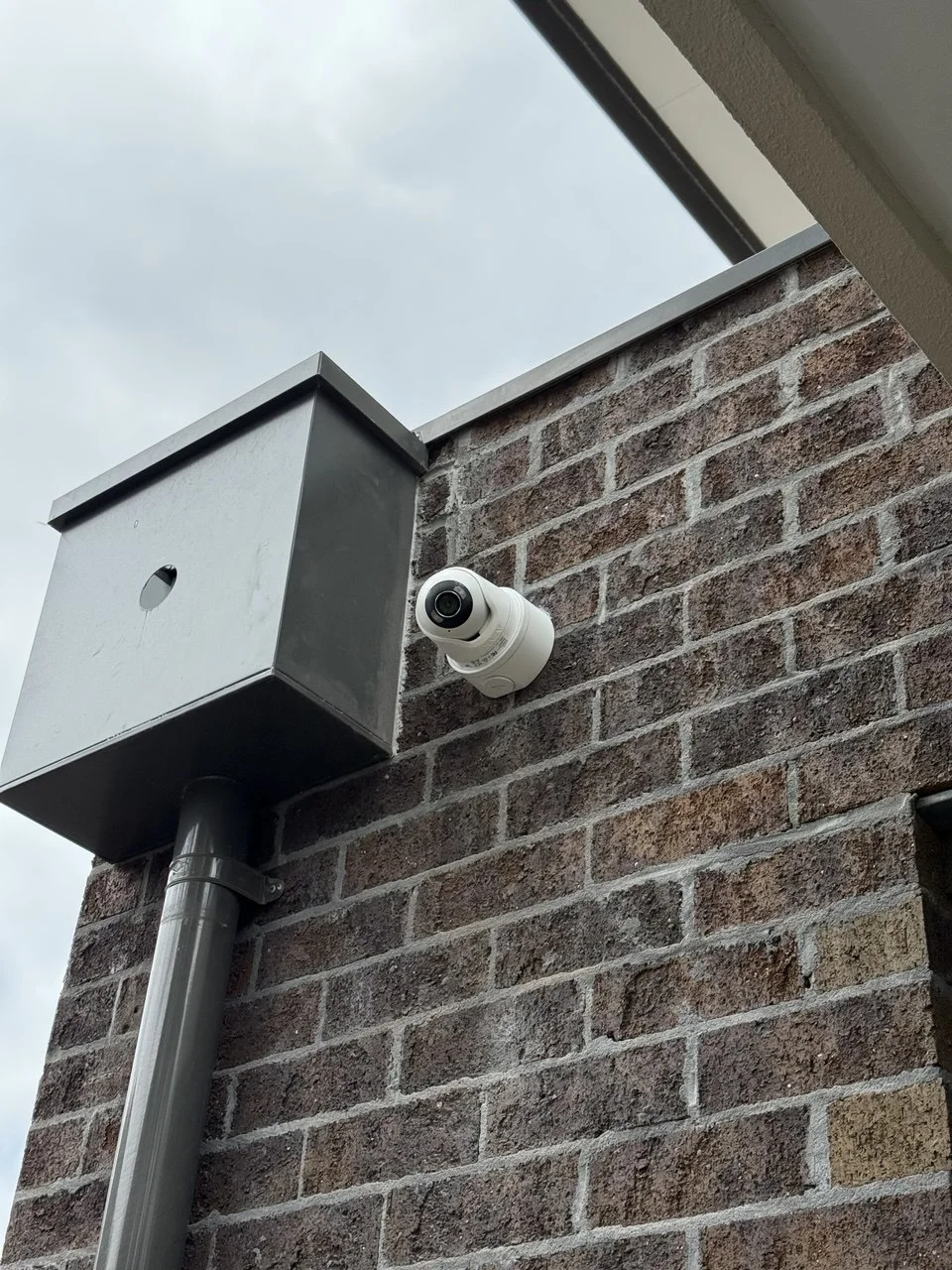
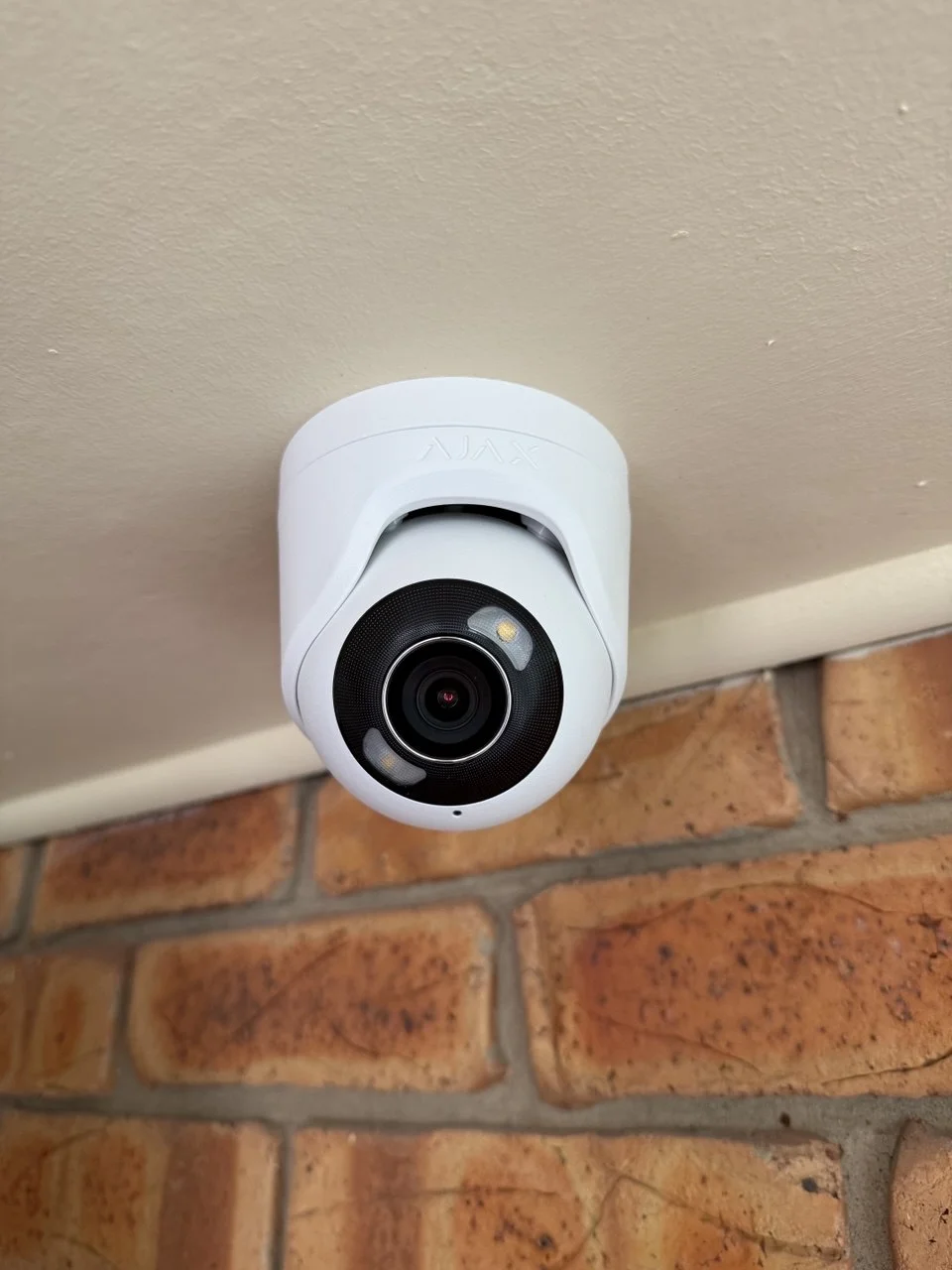
Two Beaumaris properties on the same street can represent entirely different installation projects — a 1962 Chancellor and Patrick flat-roof home with floor-to-ceiling glazing and no eave mounting options, and a contemporary new build on the block where a mid-century original was recently demolished. The projects below reflect both ends of that range.
Areas We Service Around Beaumaris
SIPKO Security provides CCTV and security camera installation across Beaumaris and the surrounding bayside suburbs, where the combination of post-war architectural heritage, foreshore access and coastal conditions often calls for different approaches to camera planning from one property to the next.
Frequently Asked Questions
Common questions about security camera installation, CCTV system costs, camera placement and alarm integration for Beaumaris properties.
How much does security camera installation cost in Beaumaris?
Are there special considerations for mounting cameras on a mid-century modernist home in Beaumaris?
Do properties with heritage overlay in Beaumaris need planning approval for CCTV installation?
How does the demolition of a nearby mid-century home affect security camera planning?
Do Beach Road and foreshore-facing properties need a different approach to CCTV?
Does the coastal environment in Beaumaris affect which cameras are suitable?
Can CCTV be combined with an alarm system in Beaumaris?
Beaumaris is a suburb where the house itself is part of what people bought. Not just a well-located property in a pleasant suburb — but a specific building, on a specific street, that looks the way it does because an architect designed it that way in 1958 or 1963. For many Beaumaris homeowners, the character of the surrounding block is as much a part of the investment as the property title.
Most of that character has no formal protection. When a neighbouring mid-century home is demolished and replaced, the change is visible from the front step and irreversible. A security camera system covers what a heritage overlay cannot — a record of what's happening at the property's boundary during the period when the familiar street is in a different state from the one the owner moved into.
If you're considering security camera installation in Beaumaris, SIPKO Security can assess the property and plan coverage that works with its specific architecture — whether that's a flat-roof modernist home with glazed facades, a foreshore property along Beach Road, or a building sitting beside a block that's currently in transition.