
Security Camera Installation in Balaclava for Homes on Both Sides of the Same Fence
Balaclava is small enough to walk end to end in under fifteen minutes, but few suburbs its size pack in this much variation from one property to the next. A Victorian cottage on a quiet side street might share one fence with another single-family home that's looked much the same for decades — and the opposite fence with a 1960s flat block housing a dozen or more separate households, each with their own comings and goings. It's not unusual for a resident to know almost everything about the neighbours on one side and almost nothing about the ones on the other, simply because "next door" means something different depending on which direction you're facing.
That mix runs through nearly every street in the suburb rather than being confined to one part of it. Interwar flats from the 1920s and '30s, postwar blocks from the 1960s, and small pockets of heritage-protected apartment buildings sit interleaved with detached cottages and villas, often on the same block. Carlisle Street runs through the middle of it all as a constant, busy commercial strip — cafés, bakeries and independent shops with steady foot traffic well into the evening — while the residential streets just behind it stay comparatively quiet. What a property actually needs from a camera system in Balaclava depends less on which street it's on and more on exactly what sits on either side of it.
SIPKO Security provides security camera installation in Balaclava with systems planned around standalone cottages, properties bordering flat blocks, and homes facing Carlisle Street's foot traffic — not a single approach applied regardless of what actually surrounds a given property.
CCTV Installation in Balaclava
A common assumption behind residential CCTV planning is that a property's surroundings are reasonably consistent — that whatever sits on one side of a home tends to resemble what sits on the other. In Balaclava, that assumption often doesn't hold. The suburb's small footprint packs standalone Victorian and Edwardian cottages directly against interwar and post-war flat blocks, sometimes on the very same street. A property can have a single, stable neighbour on one boundary and a building with fifteen or twenty separate households on the other.
This matters for how coverage is actually planned. A boundary shared with another standalone home usually needs straightforward coverage — a side gate, a shared driveway, a fence line that rarely sees unfamiliar activity. A boundary shared with a flat block is a different situation entirely: more people pass along that side of the property on any given day, simply because more households live behind it. Camera placement that treats both sides of a property the same way tends to under-cover the busier boundary and over-specify the quieter one.
Home security camera installation in Balaclava also has to account for Carlisle Street itself. Properties facing or close to the strip see steady foot traffic for much of the day and evening, thanks to the cafés, bakeries and shops that line it — a different consideration again from a quiet residential street a block or two back. Flat blocks bring their own factor: many are older buildings, some under local heritage overlays, where coverage typically centres on a shared entry, stairwell or car park rather than individual boundaries.
Cable runs, mounting positions and camera angles all look different across a standalone cottage, a flat block entry and a Carlisle Street frontage, so cctv installation in Balaclava generally starts with identifying what actually surrounds a property — not just its own boundaries, but what's on either side of them — before any equipment is chosen.

Security Camera Systems & CCTV Solutions for Balaclava Properties
Security camera system installation in Balaclava is shaped less by personal preference than by what's actually next door. A cottage bordered by another standalone home on one side and a flat block on the other has almost nothing in common, practically speaking, with a cottage sitting between two similar houses — even though both might be a two-minute walk from each other.
What most Balaclava properties share is a need for footage that's easy to make sense of quickly. A busier boundary next to a flat block sees more day-to-day activity than a quiet fence line, so coverage there benefits from clear, well-angled footage rather than sheer camera count. Properties near Carlisle Street have an added reason to want dependable coverage, given the volume of people passing by most days.
- Side and rear boundaries shared with neighbouring flat blocks.
- Standard fence line and driveway coverage between two standalone homes.
- Shared entries and stairwells for interwar and post-war flat buildings.
- Front coverage for properties facing or close to Carlisle Street.
Coverage on the side facing a flat block is planned around the higher volume of day-to-day activity that comes with more households sharing that boundary, while the opposite side, facing another standalone home, usually needs a more standard setup.
For flats themselves, coverage typically centres on a shared entry, stairwell or car park rather than individual property boundaries, with heritage-sensitive mounting considered for buildings under local overlays.
What We Protect in Balaclava
Many of Balaclava's Victorian and Edwardian cottages sit directly against interwar or post-war flat blocks, meaning one side of a property faces a single, familiar neighbour while the other faces a building with many separate households. Camera coverage is planned to reflect that difference, with more attention given to the boundary that actually sees more activity.
A significant share of Balaclava's housing sits inside flat buildings from the 1920s through the 1960s, some protected under local heritage overlays. Coverage for these properties usually focuses on shared entries, stairwells and car park areas, with mounting chosen to suit older building fabric where heritage controls apply.
Homes and shopfronts along or close to Carlisle Street sit next to one of the busiest local strips in the area, with steady foot traffic through much of the day and evening. Camera coverage here is planned with that constant activity in mind, rather than the quieter pace of Balaclava's residential side streets.
CCTV Systems We Install and Support
Choosing a CCTV platform matters less than whether it actually suits what surrounds a Balaclava property. Next to a standalone home, that usually means a straightforward setup. Next to a flat block, it means paying closer attention to the busier boundary. Facing Carlisle Street, it means coverage that stays clear even with constant foot traffic passing by. Our security camera installers in Balaclava work across all of these, recommending platforms that stay simple to check remotely regardless of what's actually next door.
A question that comes up once camera coverage has been discussed is what should happen if someone tries a gate or door that isn't theirs to try. On a boundary shared with a flat block, a certain amount of passing activity is normal — but a forced or repeated attempt at an entry point is a different matter.
Cameras provide the record. Alarms provide the moment of awareness. Our CCTV installers in Balaclava often combine the two so an alert at a boundary, gate or front door can be verified immediately using footage, rather than discovered later.
This pairing matters particularly for properties bordering flat blocks, where more day-to-day activity nearby can make it harder to notice a genuine issue without a system doing some of that noticing on the owner's behalf.
Balaclava clients tend to reach out for fairly specific reasons — a boundary shared with a busy flat block, or a shared entry in a heritage-listed apartment building. It's rarely a generic request for "a camera system."
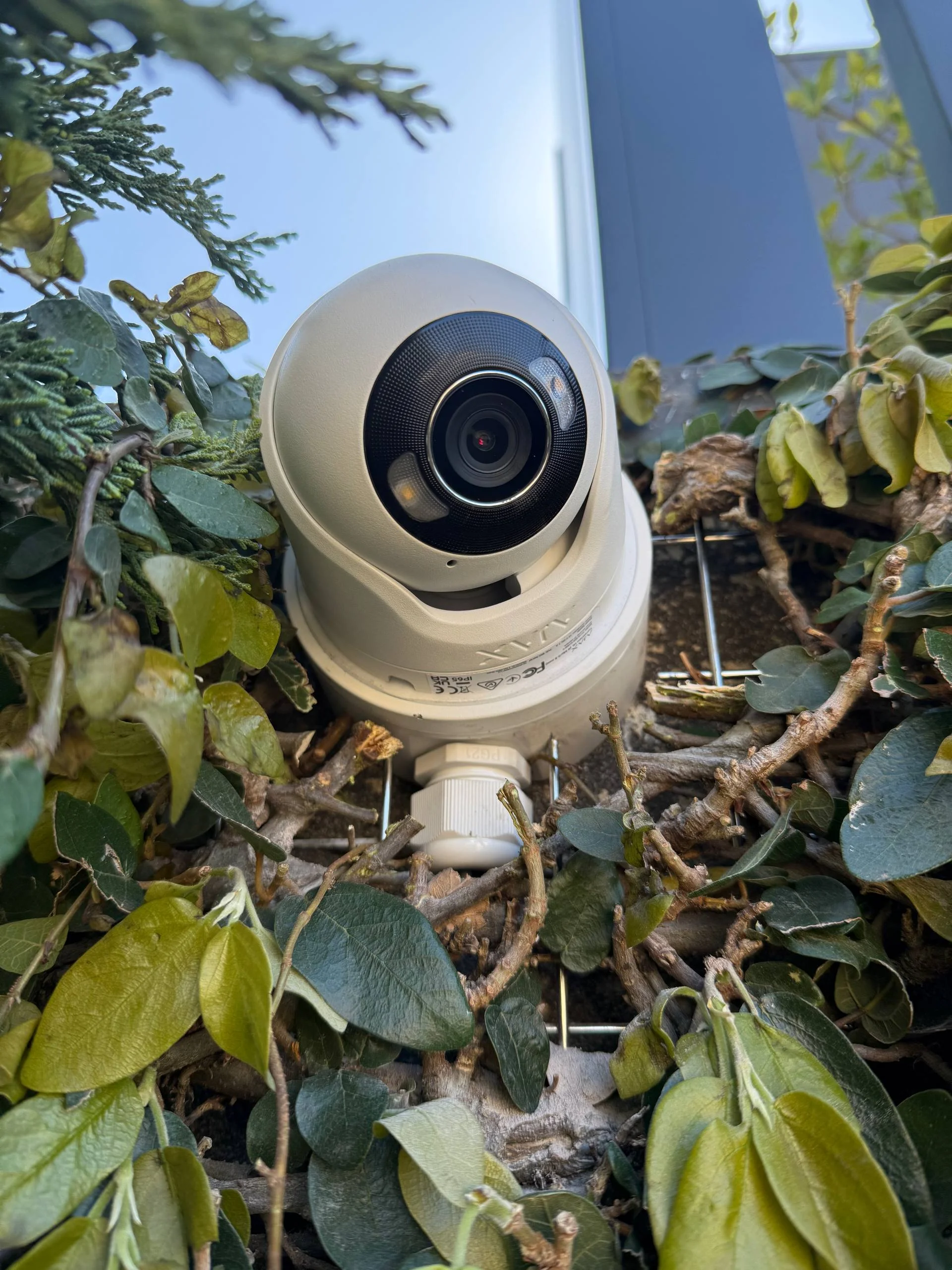
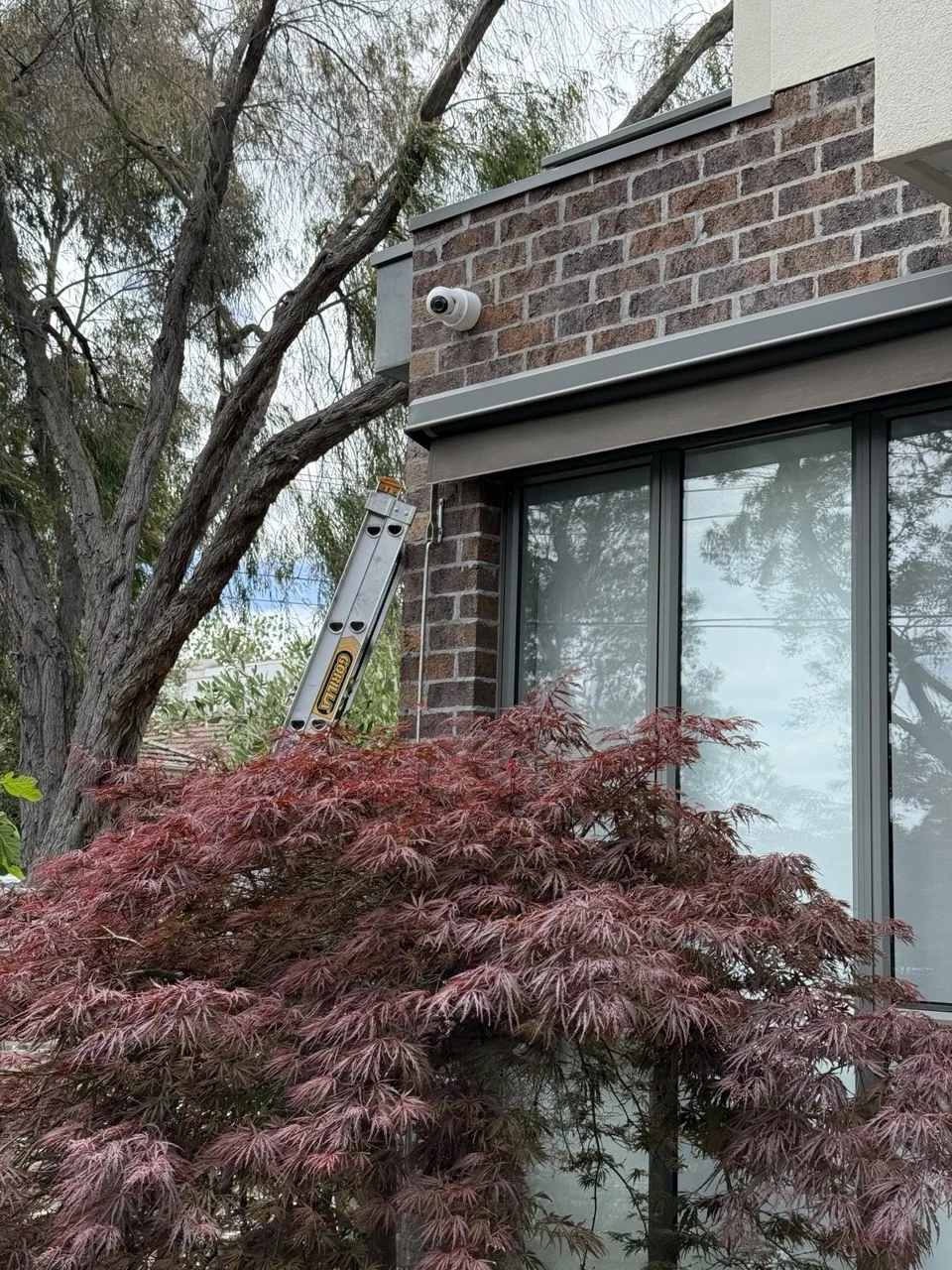
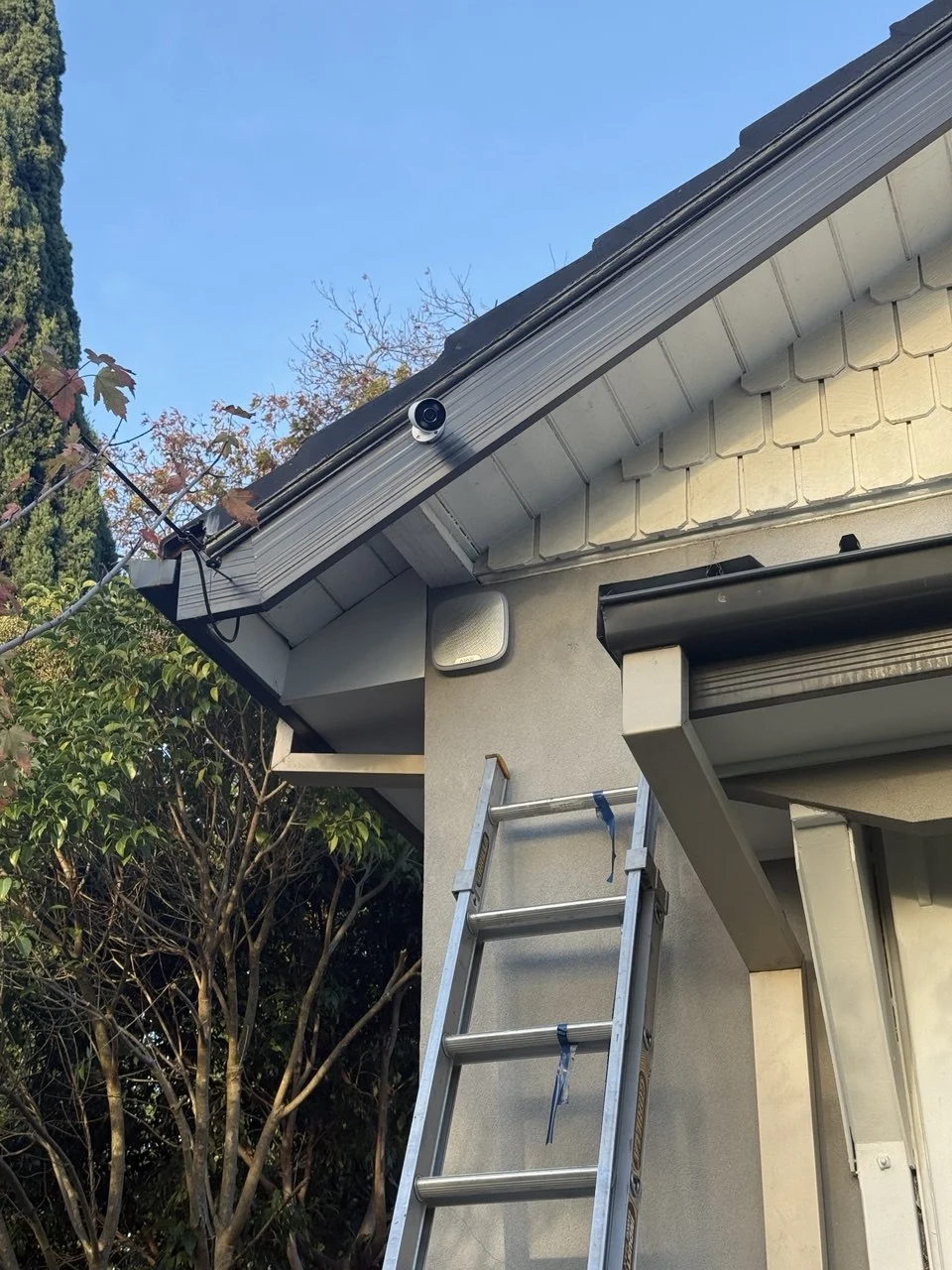
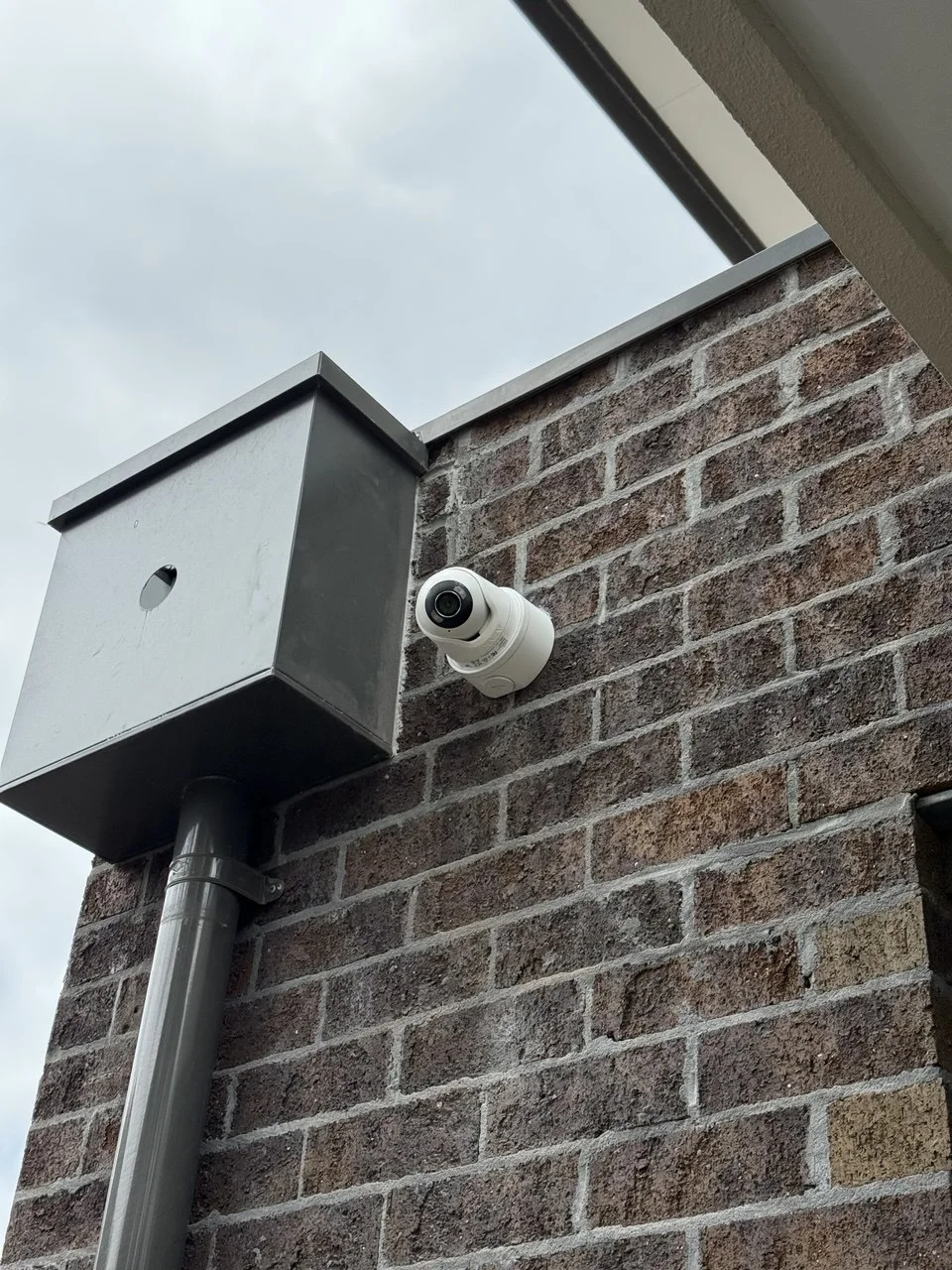
The reviews below reflect installations across that range, from standalone cottages to flat block entries near Carlisle Street.




Comparing two Balaclava properties a few doors apart can mean comparing a quiet fence line between two cottages with a busy boundary next to a fifteen-unit flat block — which is part of why CCTV planning here rarely follows a single template.
Areas We Service Around Balaclava
SIPKO Security provides CCTV and security camera installation across Balaclava and neighbouring Port Phillip and Glen Eira suburbs, where standalone homes, flat blocks and busy commercial strips often call for different approaches to camera planning.
Frequently Asked Questions
Common questions about security camera installation, CCTV system costs, camera placement and alarm integration for Balaclava properties.
How much does security camera installation cost in Balaclava?
What affects the cost of CCTV installation in Balaclava?
How many cameras do most Balaclava properties need?
Can CCTV be installed on a property next to a large block of flats?
Can CCTV be installed on a heritage-listed flat block in Balaclava without affecting its character?
Does CCTV placement account for foot traffic on Carlisle Street?
Can CCTV be integrated with alarm systems?
A typical Balaclava property depends heavily on exactly what sits on either side of it.
For some owners, that means a cottage bordered by another standalone home on one side and a flat block on the other. For others, it's a unit inside one of the suburb's interwar or post-war flat buildings, some under heritage protection. For a smaller group, it means a property facing Carlisle Street's constant foot traffic. The right camera setup depends on which of these actually describes the property in question.
If you're considering security camera installation in Balaclava, SIPKO Security can assess the property — cottage, flat block boundary, or Carlisle Street frontage — and recommend coverage that actually fits what surrounds it.