
Warehouse CCTV Installation in Melbourne
A warehouse camera system has to cover more than doors and aisles. People, forklifts, deliveries and stock move through the same facility in different ways, while loading bays, roller doors and external yards create different visibility requirements.
SIPKO designs each warehouse security camera system in Melbourne around the facility layout, movement patterns, recording requirements and manager access — with alarms, access control or monitoring added where the site requires additional security layers.
- Warehouse-specific camera design
- Loading bay & roller-door coverage
- Commercial NVR recording
- Remote manager access
- Existing-system upgrades
- Melbourne installation & support
Service area: SIPKO installs warehouse and industrial CCTV systems across Melbourne and the Mornington Peninsula.

What warehouse CCTV needs to see
Warehouses contain multiple zones with very different CCTV requirements, so each area needs a different type of coverage.
- Entrances & exits
- Identification of arrivals and departures.
- Loading bays
- Deliveries, vehicle movement, loading and unloading activity.
- Roller doors
- Opening/closing areas, people and vehicle movement.
- Storage aisles
- Movement through stock areas and incident reconstruction.
- High-value inventory
- More focused coverage.
- Dispatch areas
- Outgoing goods and handover activity.
- External yards & gates
- Vehicles, approaches, after-hours activity.
- Plant/equipment areas
- Where relevant to the facility.
CCTV planning around warehouse movement
A camera should answer a specific question — not just whether an area is visible, but whether footage can later show who or what moved, from where, to where.
People
Staff, contractors, visitors.
Goods
Receiving → storage → picking → dispatch.
Vehicles
Trucks, vans, forklifts, yard movement.
Access
Gates, pedestrian entrances, roller doors, loading docks.
Good warehouse CCTV is designed around movement, not just floor area.
Camera placement by warehouse zone
| Zone | CCTV objective |
|---|---|
| Main entrance | Person identification |
| Loading bay | Delivery/loading activity |
| Roller door | Entry/exit events |
| Warehouse aisle | Movement and incident review |
| High-value storage | Focused evidence |
| Dispatch | Outgoing goods |
| Yard/gate | Vehicle and perimeter activity |
| Office/staff entrance | Access activity |
Choosing cameras for warehouse conditions
More megapixels doesn’t fix poor placement. Warehouse-specific factors that actually matter:
- Mounting height
- Distance to subject
- Indoor vs outdoor
- Lighting variation and backlighting at doors
- Night conditions
- Wide-area overview vs more detailed views at key points
- Vehicle areas
- Cable routes
Warehouse CCTV recording and storage planning
A warehouse surveillance system is only useful if recorded footage can be found and reviewed when an incident needs to be checked. NVR and storage capacity is calculated around the actual system rather than a universal figure:
- Number of cameras
- Resolution
- Frame rate
- Recording mode
- Required retention period
- Future expansion
SIPKO sizes recording capacity around the actual system, required retention period and any known future expansion requirements.
For a deeper explanation of retention periods and recorder capacity, see our guide to how much CCTV storage you need.
Remote CCTV access for warehouse managers
Authorised managers can view live footage and review recorded playback from supported systems, without needing to be on site to check a specific event. For warehouses that need centralised cloud-managed video or administration across multiple sites, see Verkada security camera installation in Melbourne.
Upgrading an existing warehouse CCTV system
A warehouse CCTV system may need upgrading when coverage is no longer sufficient, cameras have failed, recording quality is poor, retention is inadequate, the facility has expanded, a new loading or dispatch area needs coverage, or remote viewing isn’t supported by the current system.
Before recommending replacement or expansion, SIPKO assesses which existing cameras, recording equipment and cabling remain suitable — an upgrade doesn’t have to mean starting over.
CCTV as part of a wider warehouse security system
CCTV covers visibility and evidence. Alarm and intrusion detection cover the event itself. Access control covers restricted entry. Monitoring is an off-site response layer. Where a site needs these additional layers, SIPKO can design them alongside the CCTV system.
For alarm, perimeter and access-control detail specific to warehouses, see our Ajax warehouse and industrial security page. For broader intrusion-detection options, see our commercial alarm installation service.
An indicative starting reference for a straightforward installation with suitable site conditions and limited scope. Projects requiring broader coverage, additional cameras, longer cable runs, higher mounting points or more recording capacity are quoted individually.
What affects the cost of warehouse CCTV installation?
Warehouse CCTV installation is quoted around the actual facility and required coverage rather than a fixed camera package. SIPKO provides a project quote after the site assessment and system design.
- Warehouse size & layout
- Number and type of cameras
- Mounting heights
- Indoor/outdoor coverage
- Cable routes
- NVR/storage requirements
- High-level installation access requirements
- Existing infrastructure that can be reused
- After-hours installation access
- Integration requirements, where alarm, access control or monitoring is also needed
How SIPKO plans warehouse CCTV installation
Site assessment
Layout, entrances, loading bays, roller doors, stock areas, yard, existing system.
Coverage & movement planning
People, goods, vehicles, critical zones.
Camera & recording design
Placement, camera type, NVR/storage, network.
Quote & installation plan
Confirmed scope and pricing before work begins.
Installation
Planned around warehouse operations.
Configuration
Recording, users, remote access.
Testing
Actual views, playback, night/lighting conditions where relevant.
Handover
Manager access, playback, basic operation.
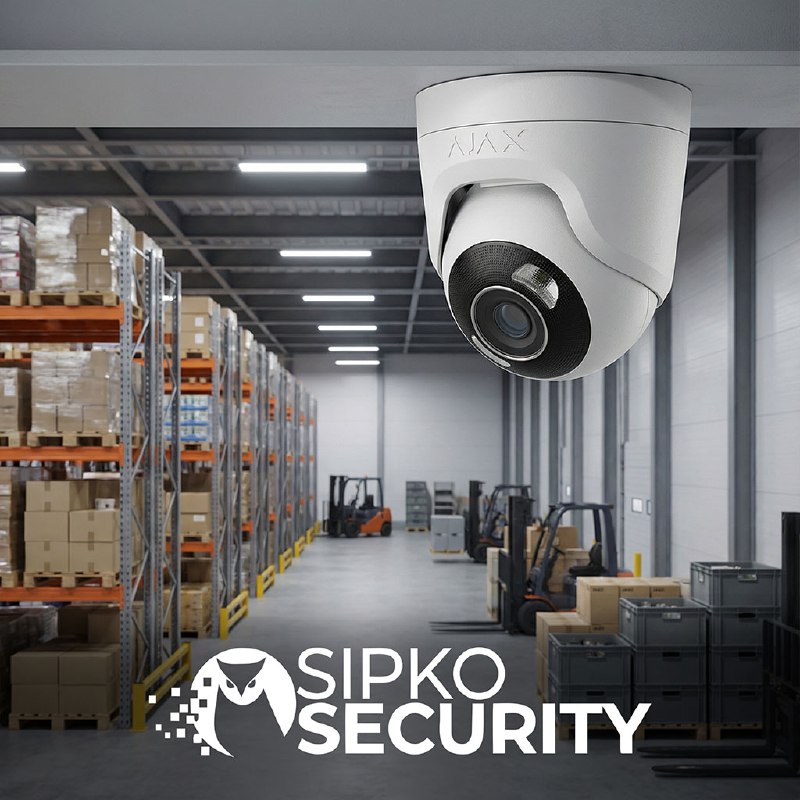
CCTV for different warehouse and industrial environments
Warehouse CCTV requirements also vary depending on how the facility is used.
Distribution & logistics warehouses
Loading, dispatch, vehicle flow.
Storage warehouses
Stock areas, access, aisles.
Manufacturing & industrial facilities
Production/warehouse interfaces, equipment areas, external access.
Trade & equipment warehouses
Tools, materials, storage and dispatch areas.
Multi-tenant industrial units
Shared and exclusive access zones where relevant.
Why choose SIPKO for warehouse CCTV installation
Warehouse-specific planning
Not a generic camera count.
Camera + recording design together
Placement and NVR sizing considered as one system.
Commercial installation planning
Warehouse CCTV requires site-specific planning for cabling, mounting positions, recording and installation access. See our commercial CCTV installation service for the broader Melbourne CCTV offering.
Existing-system assessment
Usable cameras, recording equipment and cabling are assessed before replacement or expansion is recommended.
Licensed Victorian security installer
Security Adviser & Equipment Installer Licence No. Z47-808-30S, Cable Registration T58117.
Local Melbourne support
Melbourne and the Mornington Peninsula.
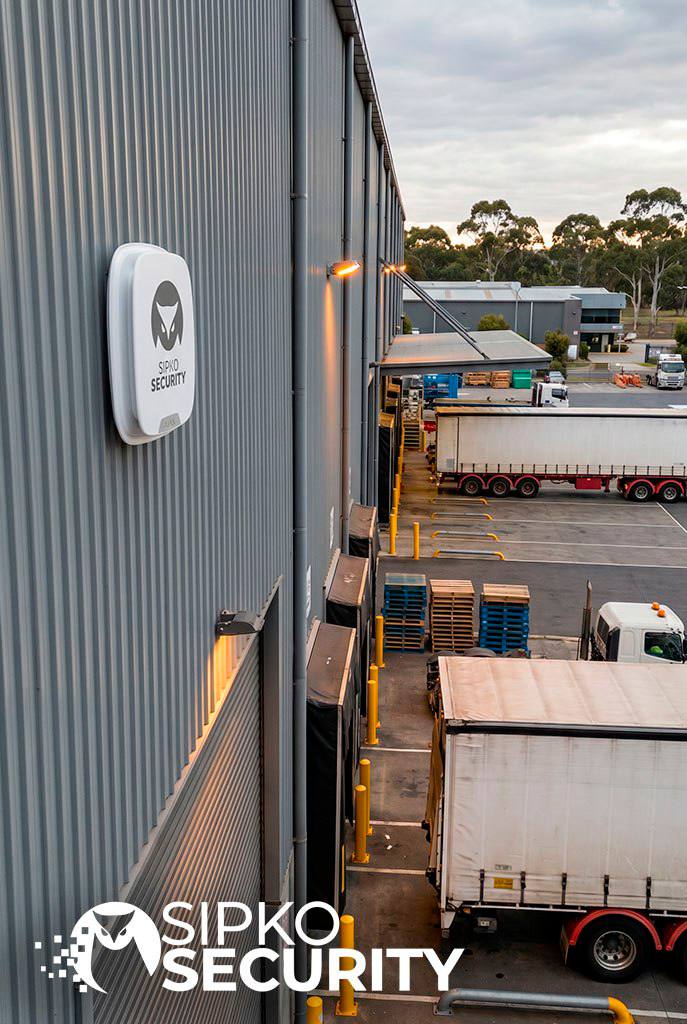
Warehouse CCTV installation across Melbourne
SIPKO installs warehouse and industrial CCTV systems across Melbourne and the Mornington Peninsula.
Recent warehouse security installations
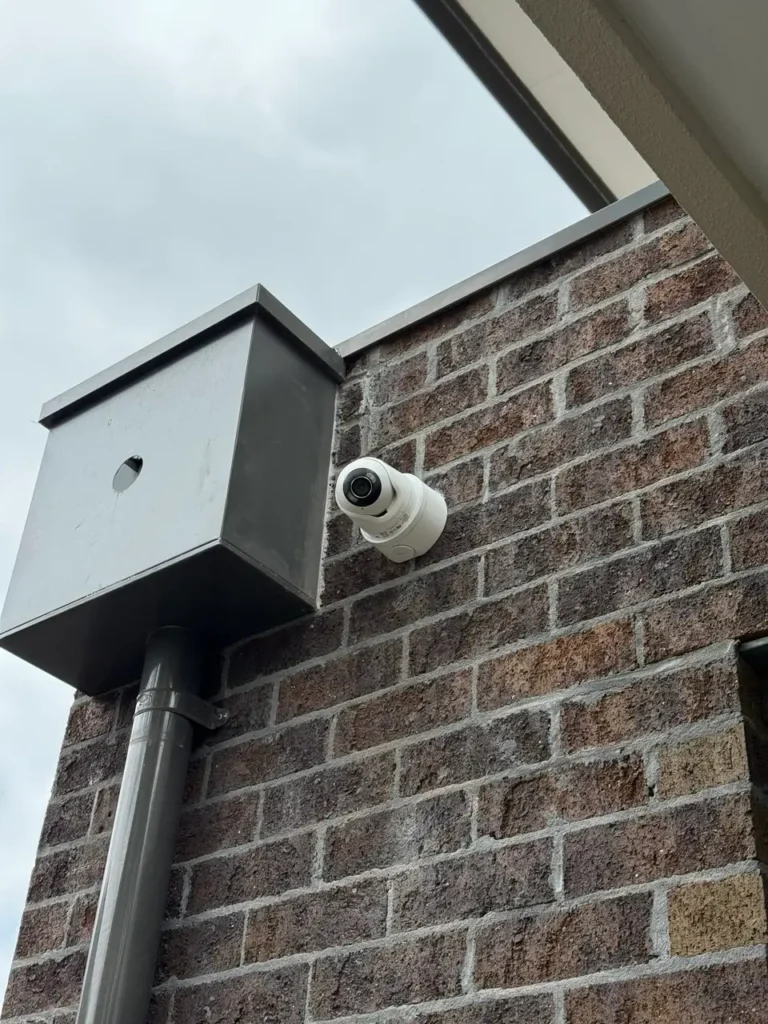
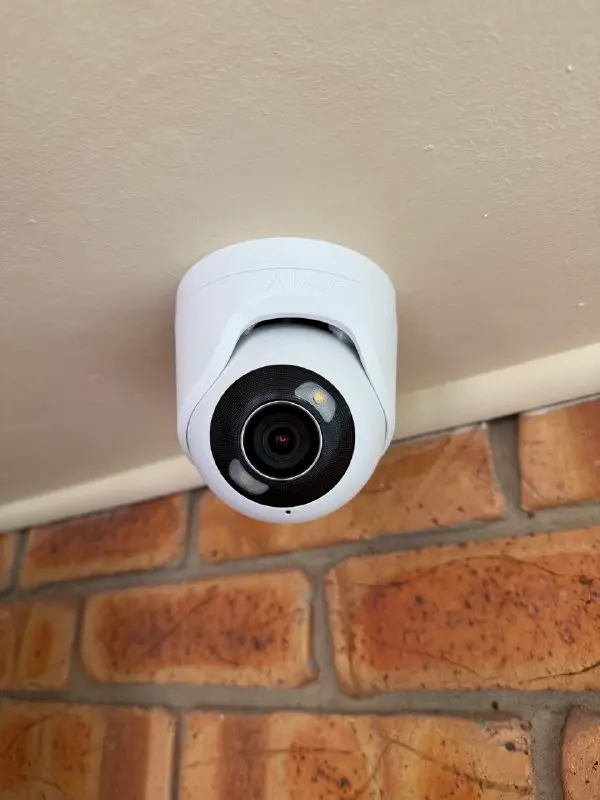
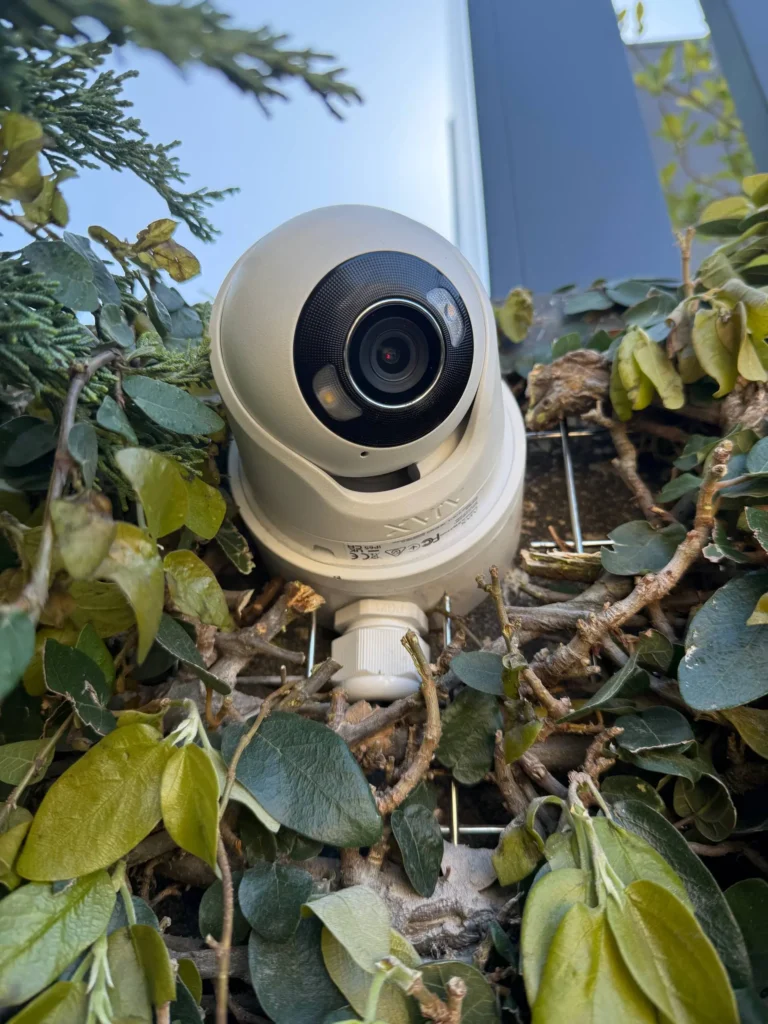
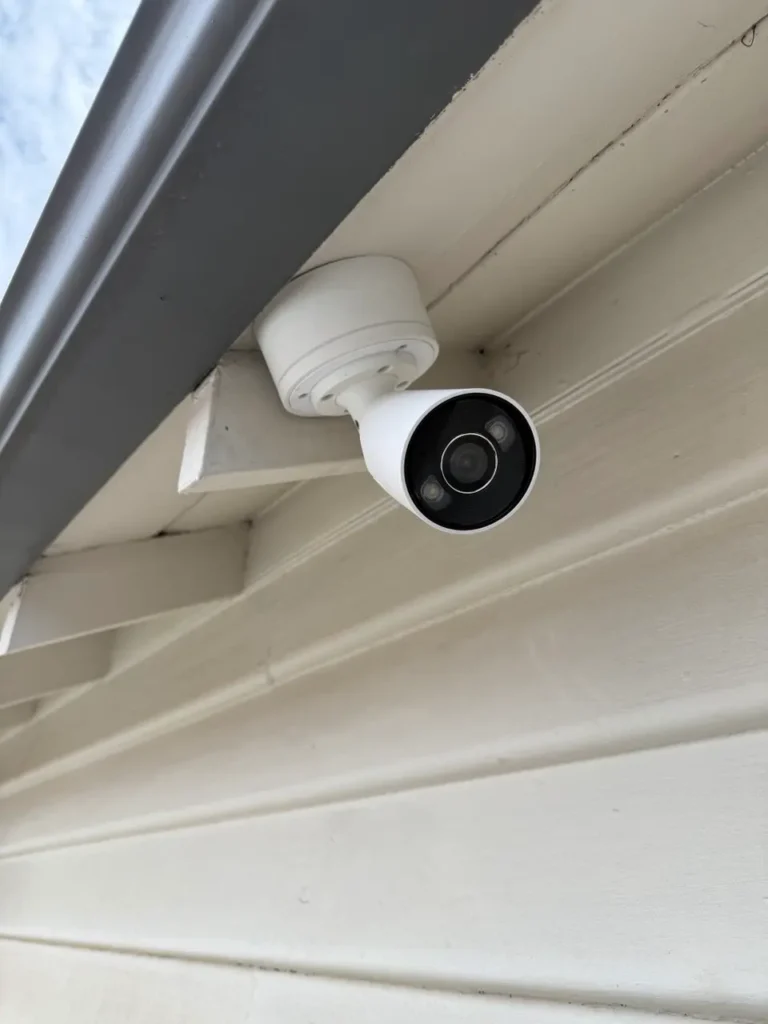
Examples of warehouse CCTV equipment and completed installations.
What our clients say
Real feedback from SIPKO Security clients across Melbourne.




Warehouse CCTV Installation Melbourne FAQs
Practical answers about warehouse camera coverage, storage and remote access.
How much does warehouse CCTV installation cost in Melbourne?
How many CCTV cameras does a warehouse need?
Where should security cameras be installed in a warehouse?
Can warehouse managers view CCTV remotely?
How much CCTV recording storage does a warehouse need?
Can SIPKO upgrade an existing warehouse CCTV system?
Can warehouse CCTV cover loading bays and external yards?
Can CCTV work with warehouse alarms and access control?
How long does warehouse CCTV installation take?
Tell SIPKO about the facility layout, loading bays, stock areas, yard and existing system. SIPKO designs and installs warehouse CCTV systems for commercial and industrial facilities across Melbourne.