
Security Camera Installation in Carnegie for Homes One Street Back from Koornang Road
Koornang Road draws people to Carnegie from across the south-east — for the restaurants, the cafés, the Saturday morning routine. But the residential streets that run off it, half a minute's walk in either direction, belong almost entirely to the people who live there. Turn off Koornang onto Grange Road, Morgan Street or any of the streets running east toward Packer Park, and the foot traffic drops away almost immediately. There's no reason to be on those streets unless you're heading to a specific address.
This is the context a security camera in Carnegie is actually working in. Not Koornang Road itself — that's a public strip and nobody expects it to be quiet. The home a few doors back is a different matter. The housing here is predominantly detached — Art Deco bungalows, Edwardian period homes, interwar brick — on blocks that have a front approach, a side passage and a rear yard worth covering individually. The background on a typical residential street is predictable enough that movement which doesn't belong to a nearby address tends to read differently from the usual pattern.
SIPKO Security provides security camera installation in Carnegie with systems planned around that specific context — detached homes on quiet streets where the busy strip is close enough to hear from, but where the street itself runs on its own quieter logic. That means coverage designed for a residential perimeter, not for the noise level two streets over.
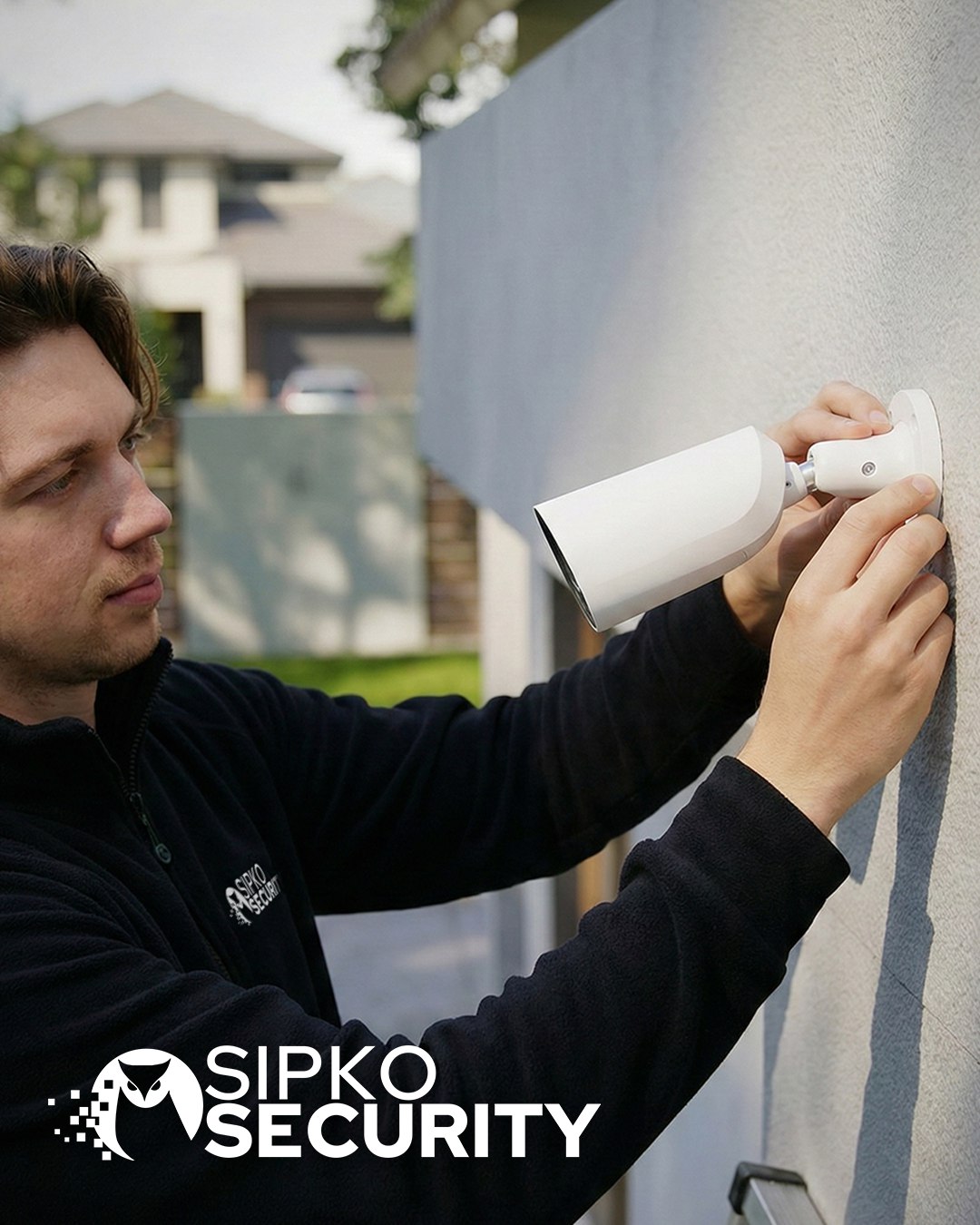
CCTV Installation in Carnegie
A security camera system installation in Carnegie starts with a specific observation about how the suburb is actually structured. Koornang Road is one of Melbourne's better-known suburban dining strips — consistently busy, particularly in the evenings — but the residential streets that run off it are a different environment entirely. A house on Grange Road or Seymour Avenue is three minutes' walk from the strip, but it's not part of it. The street it sits on operates with a much lower level of background activity.
That distinction matters for camera planning. The residential blocks east and west of Koornang Road, and those south of Neerim Road toward North Road, are made up almost entirely of detached homes on established, tree-lined streets. The people moving along them on any given afternoon are, overwhelmingly, residents and their expected visitors. Someone who clearly isn't heading to a nearby address stands out against that background — because Carnegie's residential layer and its public layer occupy different physical spaces, and the boundary between them is sharp.
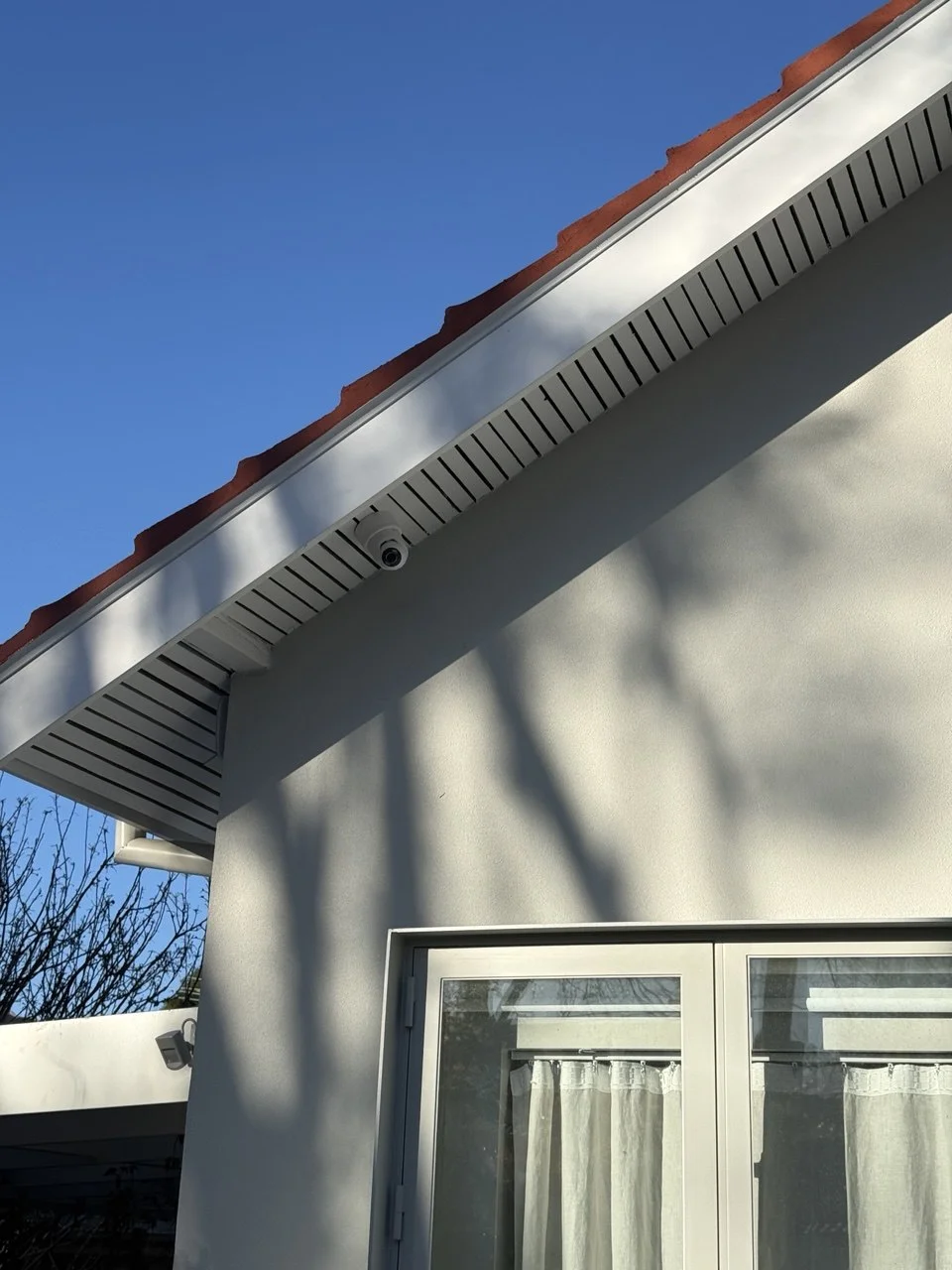
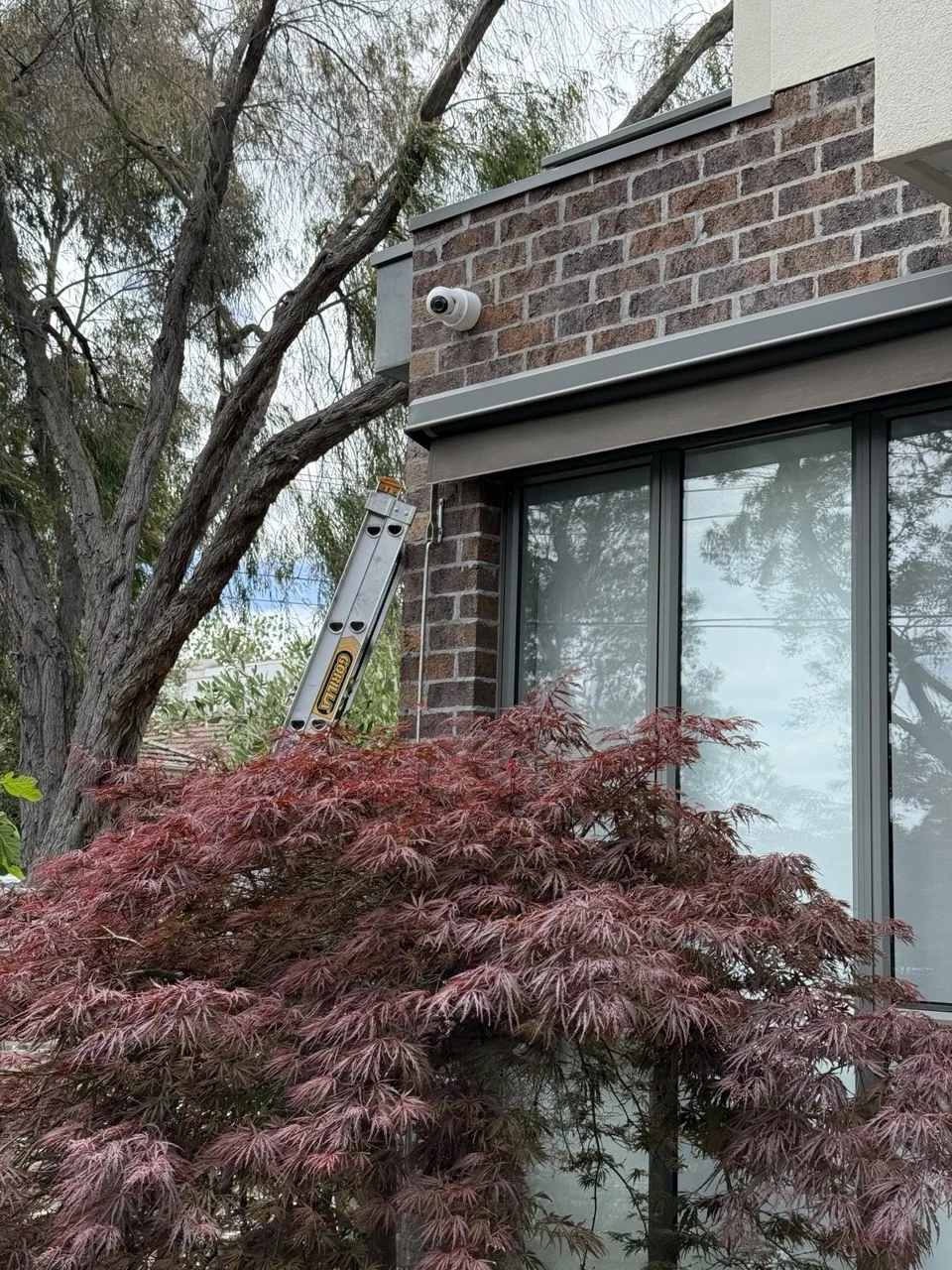
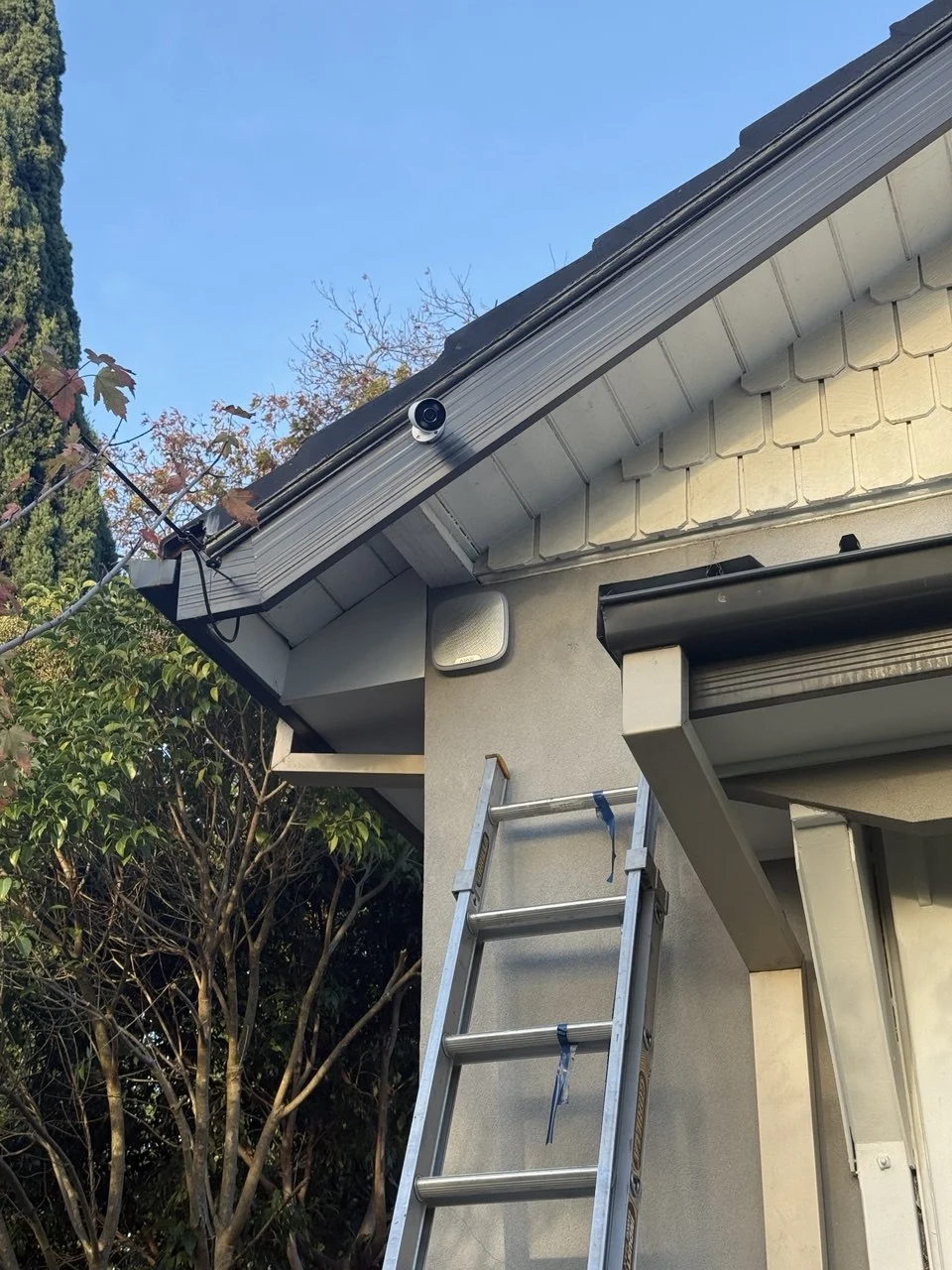
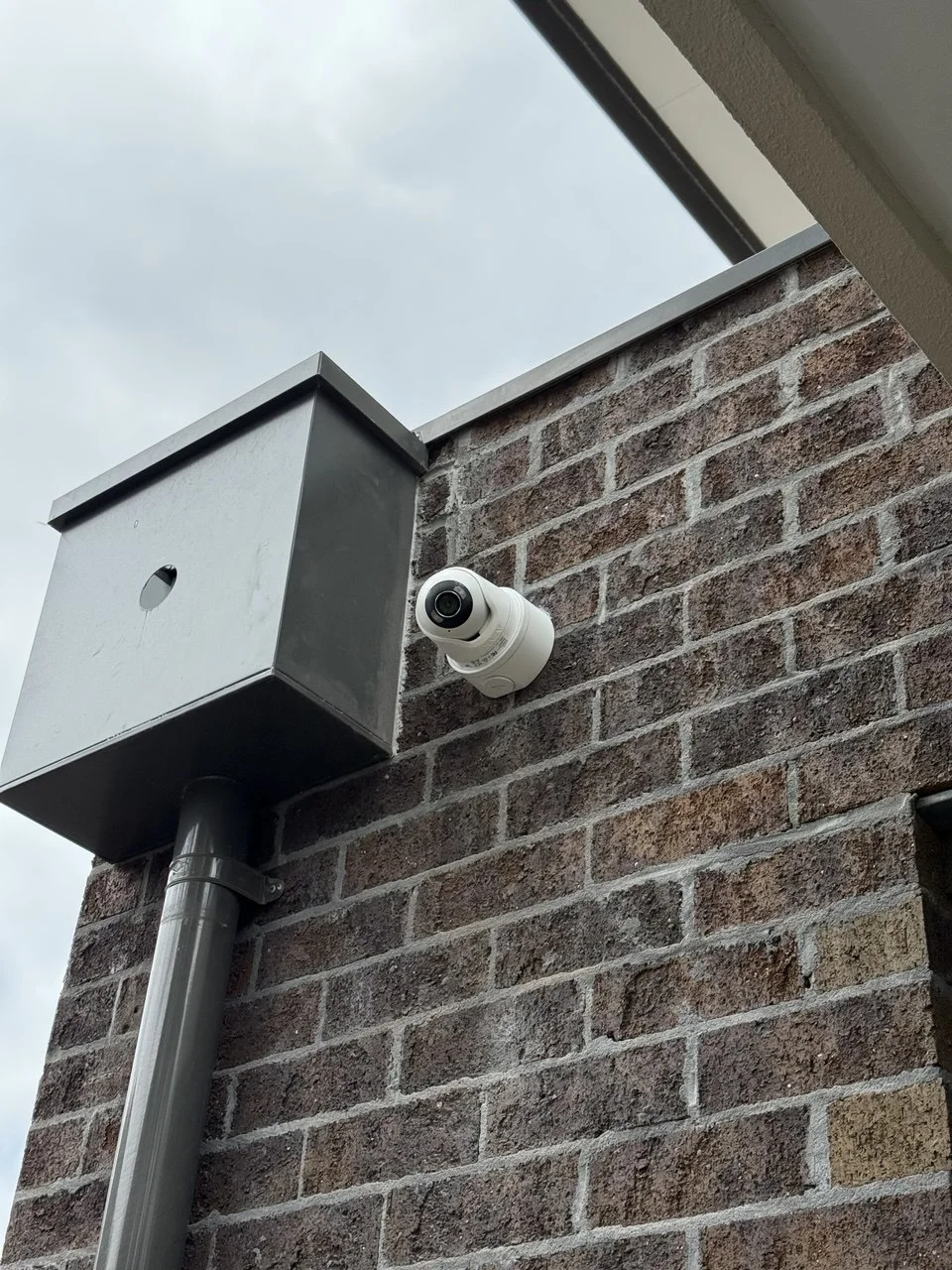
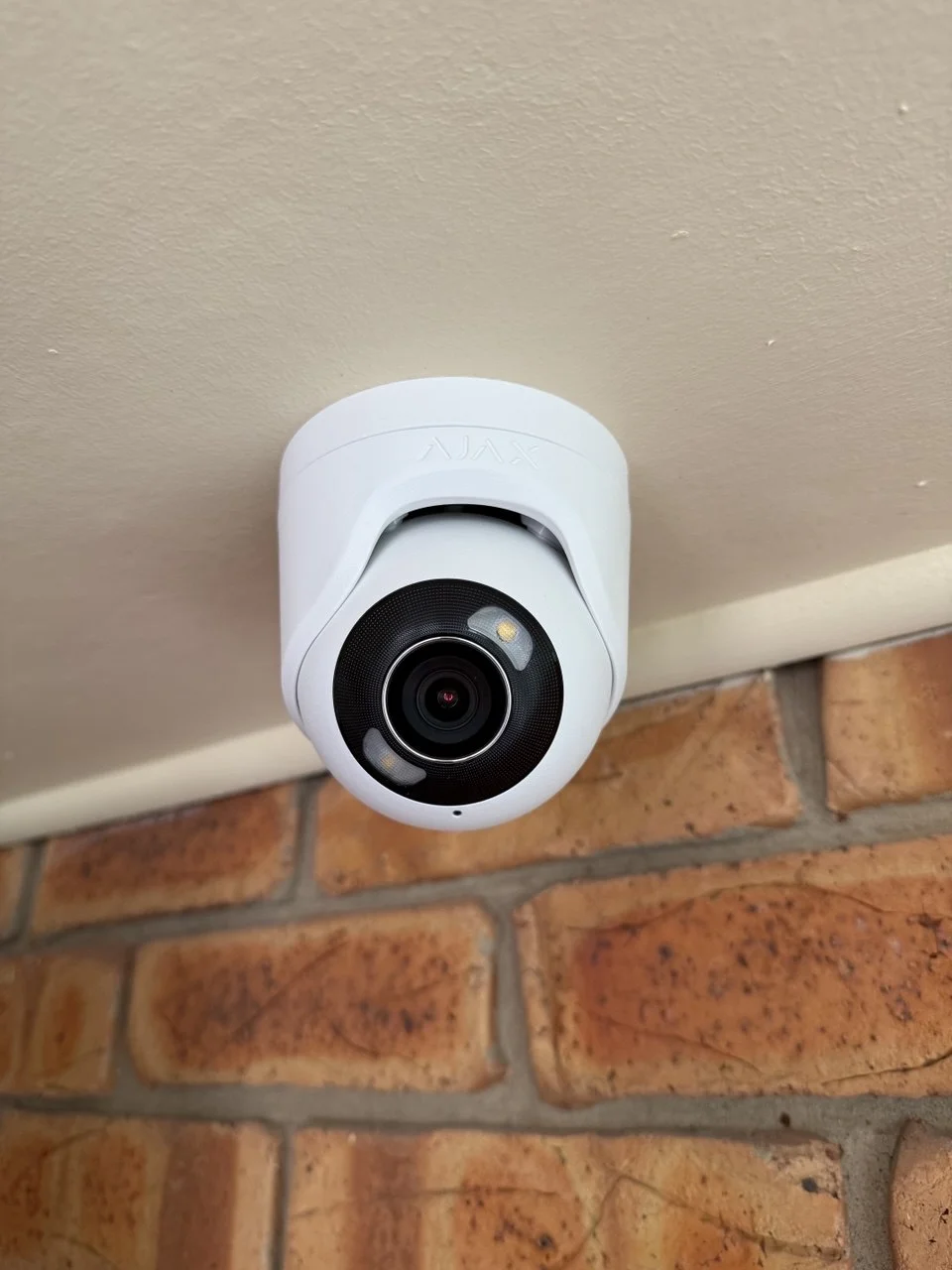
Home security camera installation in Carnegie typically covers three access points on a detached property: the front of the house, the side passage and the rear. Carnegie has a high proportion of period homes — California bungalows, Edwardian, Art Deco — often on larger blocks where the side passage is a distinct and separate part of the property. Cable routing needs to work with original roof structures and period fabric rather than across them. Properties near Carnegie station and the northern end of Koornang Road see more commuter foot traffic on the Pakenham and Cranbourne lines — worth accounting for in how detection zones are set.
The rental component in Carnegie is also meaningful — roughly four in ten properties are rented, with students from the nearby Monash Caulfield campus forming part of that mix. For investment properties managed at a distance, a cctv installation in Carnegie that includes straightforward remote access isn't an add-on; it's the part that makes the system practical to actually use.
Security Camera Systems & CCTV Solutions for Carnegie Properties
Security camera system installation in Carnegie is shaped by the suburb's particular combination of a high-activity public strip and a residential grid that sits immediately behind it. Most properties here are detached homes on streets where the expected level of pedestrian activity is low — even though Koornang Road, two or three streets over, is one of Melbourne's busiest local dining destinations.
What that means in practice is that coverage planning here is focused on the individual property's perimeter rather than on managing a high-traffic environment. The question isn't how to filter a busy background — it's how to cover the front, side and rear of a detached home on a street where movement that doesn't fit the residential pattern is already relatively easy to identify.
- Detached period homes where front approach, side passage and rear access each need individual consideration.
- Properties near Carnegie station where commuter foot traffic creates a distinct morning and evening rhythm.
- Investment properties managed remotely, where remote viewing and app access are as important as camera placement.
- Homes on streets closer to Koornang Road where the boundary between public and residential activity is most apparent.
Carnegie's residential streets have a high density of period properties — bungalows, Art Deco and Edwardian homes — often on blocks of 600 square metres or more, with a well-defined side passage and rear yard. Coverage for these homes is planned around each of those access points, with cable routing that respects original building fabric rather than cutting across heritage features.
The streets around Carnegie station and the northern section of Koornang Road see more movement during commute windows on the Pakenham and Cranbourne lines. For homes in this pocket, camera planning accounts for that daily rhythm — a predictable peak in the morning and evening that differs from the quieter baseline of Carnegie's residential streets further south.
What We Protect in Carnegie
The residential streets running east and west off Koornang Road are quiet by any measure — even though one of Melbourne's busiest dining strips is audible from some front gardens. A camera on one of these properties is recording against a low-activity baseline. Movement that doesn't fit a residential street — someone who clearly isn't heading to a nearby address — reads differently here than it would on Koornang Road itself.
The northern pocket around Carnegie station has a different daily rhythm from the streets further south. Pakenham and Cranbourne line services bring commuter foot traffic in the morning and draw it back in the evening. For homes in this area, coverage needs to be calibrated for that predictable peak rather than treating the street as uniformly quiet throughout the day — which, at 8am and 6pm, it isn't.
A significant share of Carnegie's housing stock is period homes — bungalows, Edwardian weatherboards and interwar brick — on blocks that are larger on average than many comparable inner-southeastern suburbs. These properties have side passages and rear yards that are genuinely separate from the street, and often less visible from it. Getting coverage to those spaces without exposed cabling across heritage-sensitive facades is a planning consideration specific to this type of housing.
CCTV Systems We Install and Support
In Carnegie, where most properties are detached period homes on streets that sit immediately behind a well-known public strip, the choice of CCTV platform matters less than whether the system is configured for the specific street and property type. Our security camera installers in Carnegie work across both platforms below, recommending whichever suits the block layout and how the owner wants to stay connected to the property.
Once camera coverage is in place for a Carnegie property, a question that often follows is what happens if something triggers an alert while the owner isn't on site. On a residential street one block from Koornang Road, that alert already carries more information than it would on a busier street — the low-activity baseline means there's less to filter out before an alert becomes meaningful.
CCTV installers in Carnegie often combine cameras with alarm systems so that a motion alert can be checked immediately using footage. For a property managed remotely — or one where the owner travels regularly — being able to verify an alert without returning to Carnegie is the practical outcome that matters most.
This combination is particularly relevant for Carnegie's investment properties, where the owner may be managing tenancy at a distance and needs to be able to respond to an alert quickly, without relying on being nearby to assess what triggered it.
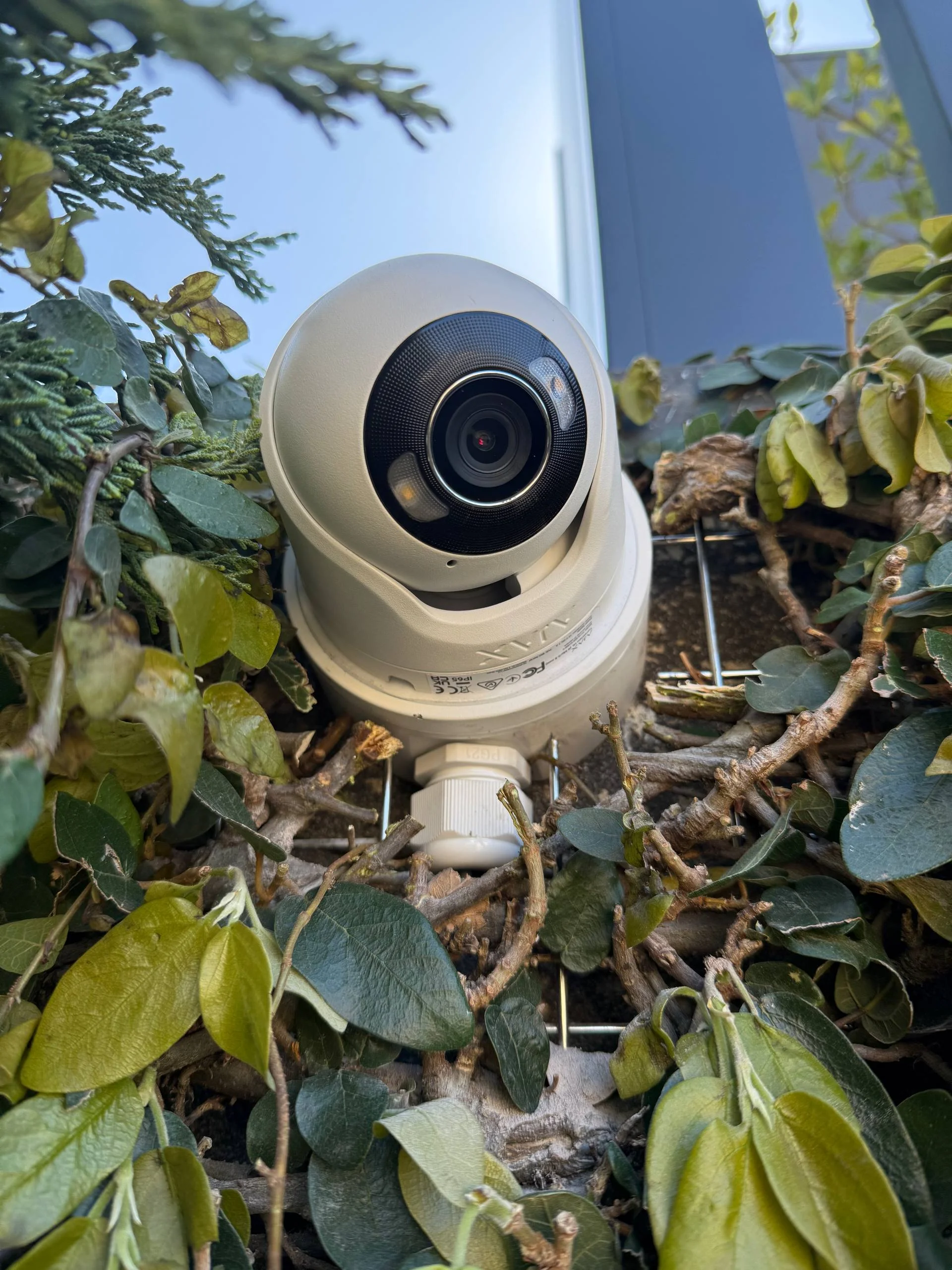
Carnegie clients who've left reviews tend to describe specific starting points — a side passage that wasn't covered, a rear gate that needed its own camera, a system that had to be reconfigured for remote access after a tenancy change. The requests reflect what the housing stock actually looks like: detached period homes where the perimeter has more than one access point worth thinking about.
The reviews below cover installations across Carnegie's residential streets, from properties close to the Koornang Road strip to those in the quieter southern blocks near Neerim Road and North Road.




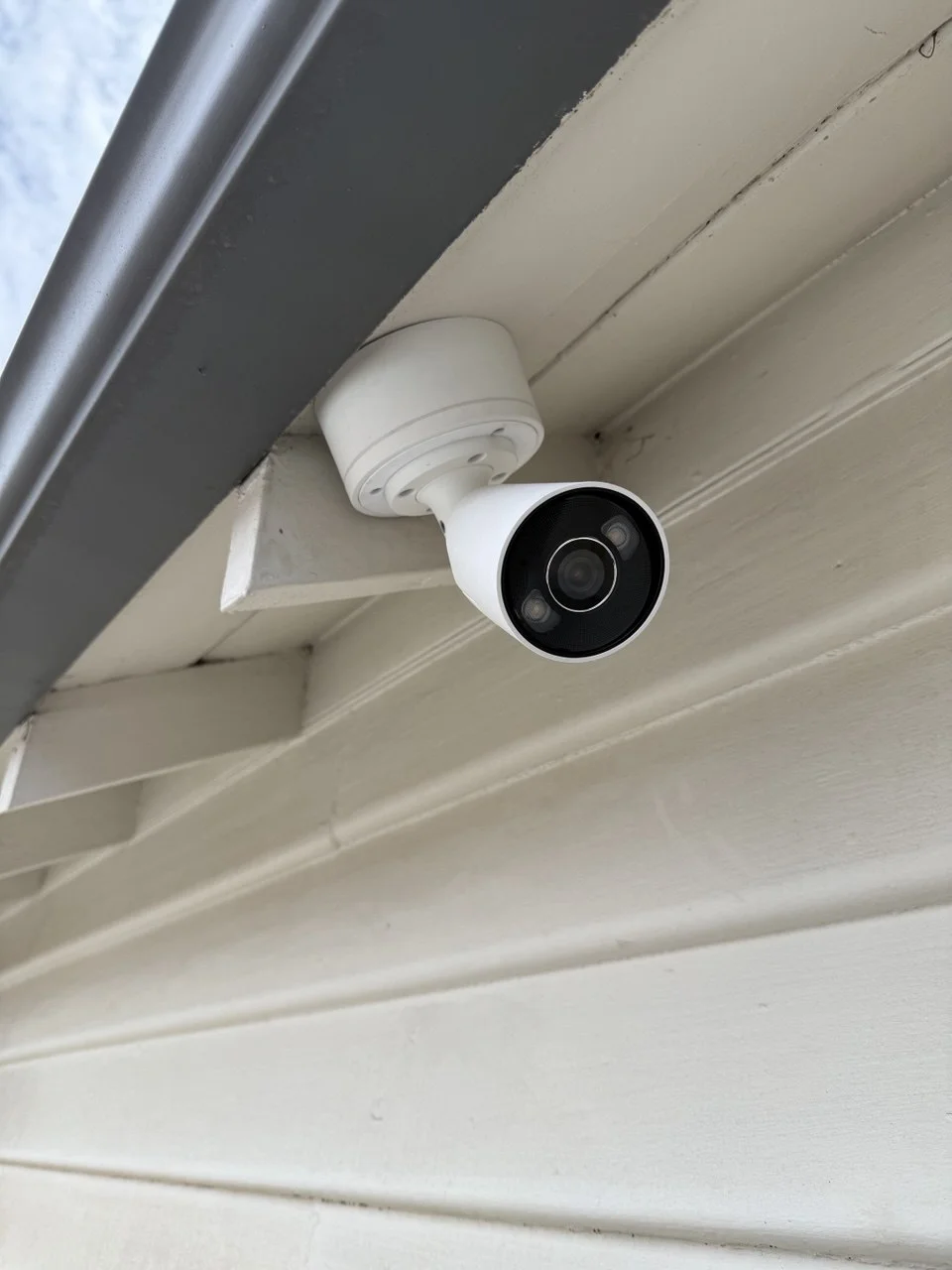
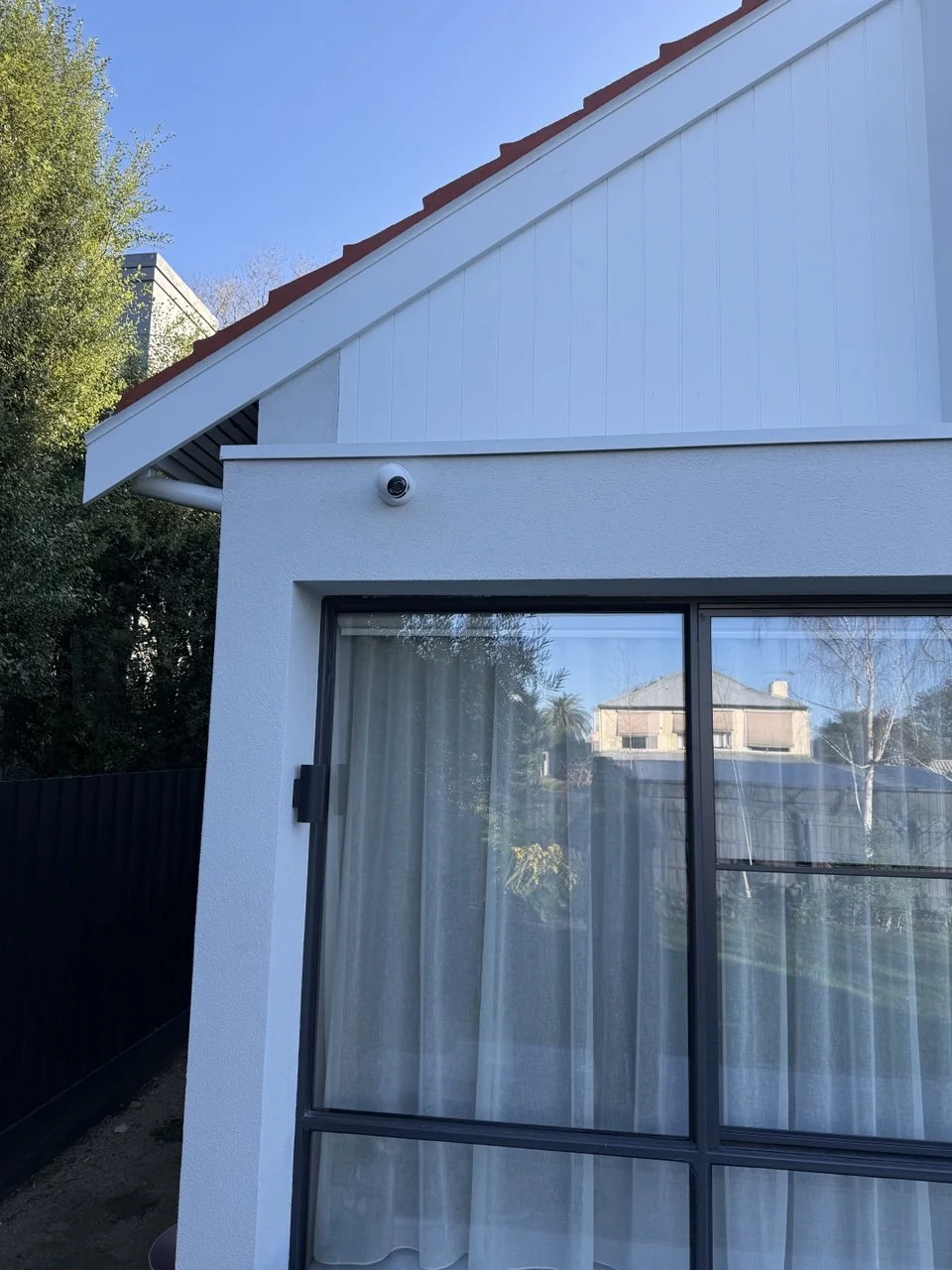
Two Carnegie properties on the same street can have quite different coverage requirements — depending on block orientation, whether the side passage is open or gated, and how visible the rear yard is from the street. The period housing stock here adds another variable: how cable runs interact with original roof structures and facade elements that owners often want to preserve.
Areas We Service Around Carnegie
SIPKO Security provides CCTV and security camera installation across Carnegie and the surrounding suburbs in Glen Eira and neighbouring municipalities, where the mix of period homes, apartment buildings and active commercial strips calls for different approaches to camera planning.
Frequently Asked Questions
Common questions about security camera installation, CCTV system costs, camera placement and alarm integration for Carnegie properties.
How much does security camera installation cost in Carnegie?
What affects the cost of CCTV installation in Carnegie?
How many cameras do most Carnegie properties need?
Does being close to Koornang Road affect how cameras are configured?
Can CCTV be set up for remote monitoring in Carnegie?
Are there any specific considerations for installing CCTV on a period home in Carnegie?
Can CCTV be integrated with alarm systems in Carnegie?
Most Carnegie properties are detached homes on residential streets where the activity of Koornang Road stays on Koornang Road — it doesn't follow visitors around the corner.
The access points worth thinking about are the front approach, the side passage and whatever rear access exists. How those connect, how detection is calibrated for a low-activity residential street, and how footage is accessed remotely all depend on the specific property — and getting those details right from the start is what makes a system genuinely useful rather than something that generates false alerts and gets ignored.
If you're considering security camera installation in Carnegie, SIPKO Security can assess the property and recommend coverage that fits how the home sits on its block and how the surrounding streets actually behave — one turn off one of Melbourne's busiest local strips.