Temporary site security for builders in Melbourne
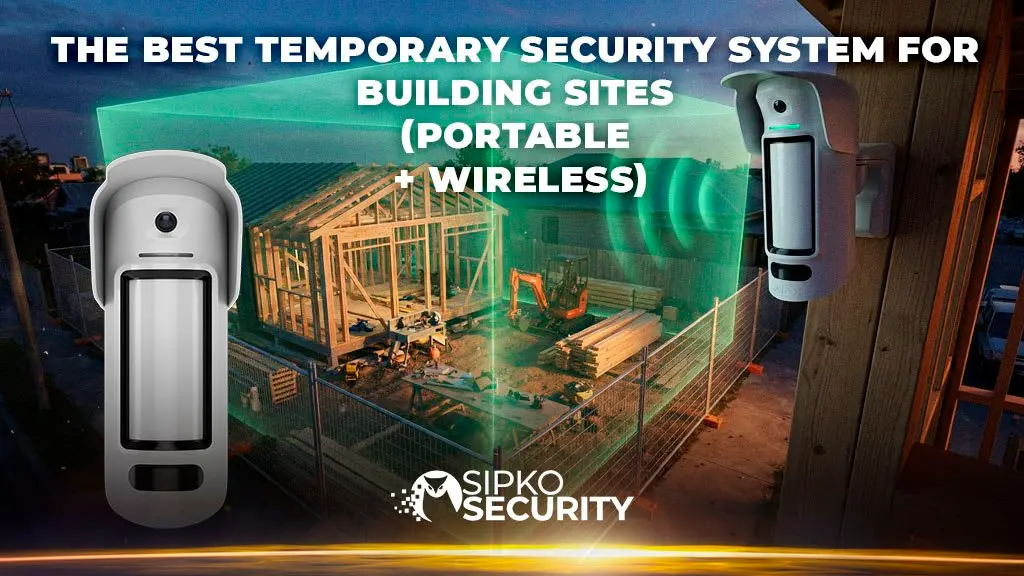
Temporary security for building sites, staged projects and fit-outs before permanent infrastructure is ready.
What Problems Temporary Site Security Solves
Temporary site security covers active, exposed or unfinished jobs before a permanent alarm and CCTV design is ready.
No NBN
Many sites need protection before a fixed internet service is active. 4G connectivity keeps cameras or alarms online while the project is still developing.
Changing site layout
Fencing, sheds, material storage and access points change during the build. Temporary equipment moves with the site instead of being locked into an early layout.
Weekend vulnerability
After-hours, weekends and shutdown periods leave fewer people on-site and require clear visibility across exposed areas.
Staged builds
Early works, lockup, fit-out and handover each create different security needs. Temporary systems adjust as the project moves between stages.
Fit-outs
Fit-out sites often contain finishes, equipment and installed items before permanent access control, CCTV or alarm systems are fully operational.
Vacant periods
Sites waiting for the next trade, inspection, client access or handover remain exposed even when major work has slowed down.
What’s Included
Temporary setups are selected around the site stage, available infrastructure and current coverage areas.
4G cameras
Camera options operate without relying on finished site internet, subject to signal, power and placement conditions.
Wireless alarms
Wireless alarm devices cover temporary sheds, access points, internal areas or selected zones without waiting for permanent cabling.
Temporary power constraints
The layout is planned around available power, battery-backed options and site power limitations.
Relocatable setup
Devices move as the site changes, keeping coverage aligned with new entry points, protected zones and material locations.
Best Fit by Site Stage
Each stage needs a different security layout. SIPKO assesses current coverage needs and identifies what belongs in the permanent system.
Demolition
Temporary coverage maintains visibility while access, fencing and site conditions change quickly.
Framing
For forming structures, moving materials, temporary storage and changing access points.
Fit-out
For installed items, finishes, tools and equipment before permanent systems are fully active.
Nearing handover
Bridges the gap between construction security and the final permanent system where the site is partly complete but still exposed.
Monitoring & Response Options
Monitoring and response are selected around site risk, available verification and the builder’s escalation process.
App alerts and nominated contacts
Alerts go to supervisors, owners or nominated contacts when after-hours activity is detected.
Alarm monitoring pathways
Where monitoring is required, the system supports event handling and verification beyond a basic standalone alarm.
Camera verification
Cameras provide visual context for nominated contacts or monitoring workflows before escalation.
Response planning depends on the service arrangement. Guard, police or monitoring outcomes depend on the chosen provider and the verification available at the time of the event.
When Temporary Is Enough and When Hybrid Is Better
The choice depends on project duration, site stage, infrastructure readiness and permanent system planning.
Temporary only
For short-term jobs, early-stage works, changing layouts or sites where power and communications are not stable enough for a permanent-first approach.
- No fixed internet requirement
- Easier to move as the site changes
- Useful for temporary sheds, access points and exposed storage
Hybrid
For sites that need temporary protection now while preparing the final CCTV, alarm or access control layout.
- Temporary alarms with longer-term CCTV planning
- Useful when some parts of the site are becoming stable
- Reduces unnecessary rework near handover
When to pre-wire for permanent system
Pre-wiring fits projects where the building layout, cable routes, power, comms and final camera positions are unlikely to change again.
- Final layout is clear
- Power and comms are becoming reliable
- Permanent system planning matters more than portability
Request a Site Plan Review
Send SIPKO your site plan, stage details and current site conditions. Get a temporary-only, hybrid or permanent-first recommendation for the project.