

Security Camera Installation in Melbourne CBD for Apartments, Offices & Shops
In the city centre, most properties share walls, floors, entrances and building services with someone else. An apartment sits behind a lobby, a corridor and a lift. An office or shop is usually leased, inside a building run by an owners corporation or a landlord. That shapes where a camera can be mounted, which way it can face and how its cable gets to the recorder.
SIPKO Security provides security camera installation in Melbourne CBD for apartments, small offices and shops. Each system is planned around the entry points you are responsible for, the building's rules and the space available for cabling and recording, then tested before handover.
Whether you need a single camera inside an apartment, coverage for an office reception and staff door, or a counter-and-entry setup for a shop, we start with a site visit and a plan that suits the property as it actually is.
CCTV Installation in Melbourne CBD: Where the Equipment Can Go
Before choosing cameras, it helps to work out which parts of the property you control. In the CBD this is rarely as simple as "inside the front door" — it depends on where the camera is mounted, what falls within its view, the building's rules and, for leased premises, the terms of the lease.
Inside your own apartment or lot. A camera mounted inside and facing into your own space is usually the most straightforward option. Even so, its position matters: a camera aimed at a window or glass door may also capture neighbouring balconies or another building, so the angle is planned with that in mind.
At the front door. A camera at an apartment entry often looks straight into a shared corridor, and its bracket or cable may sit on common property. Depending on the building's rules and the work involved, owners corporation approval may be needed before it is installed. Where approval isn't practical, a camera inside the apartment facing the door can be an alternative.
In a leased office or shop. For tenants, the lease usually says what can be fixed to walls, ceilings or the shopfront, and whether the landlord's consent is needed. Some buildings also have their own requirements for cabling through ceilings or risers.
At the site visit we look at these points with you and plan the system so that the paperwork, if any is needed, is clear before installation day. We don't give legal advice, but we can identify installation points that may need to be discussed with the building manager, owners corporation or landlord before work begins.
Security Cameras for CBD Apartments, Offices and Shops
City properties tend to have less ceiling space, more concrete and fewer places to hide a recorder than a suburban house. The equipment and cable routes are chosen to suit that, rather than starting from a standard kit.
- A discreet camera inside an apartment, covering the entry and main living area.
- Cameras for an office reception, staff entrance and storeroom.
- Counter, entry and rear-door coverage for a shop or café.
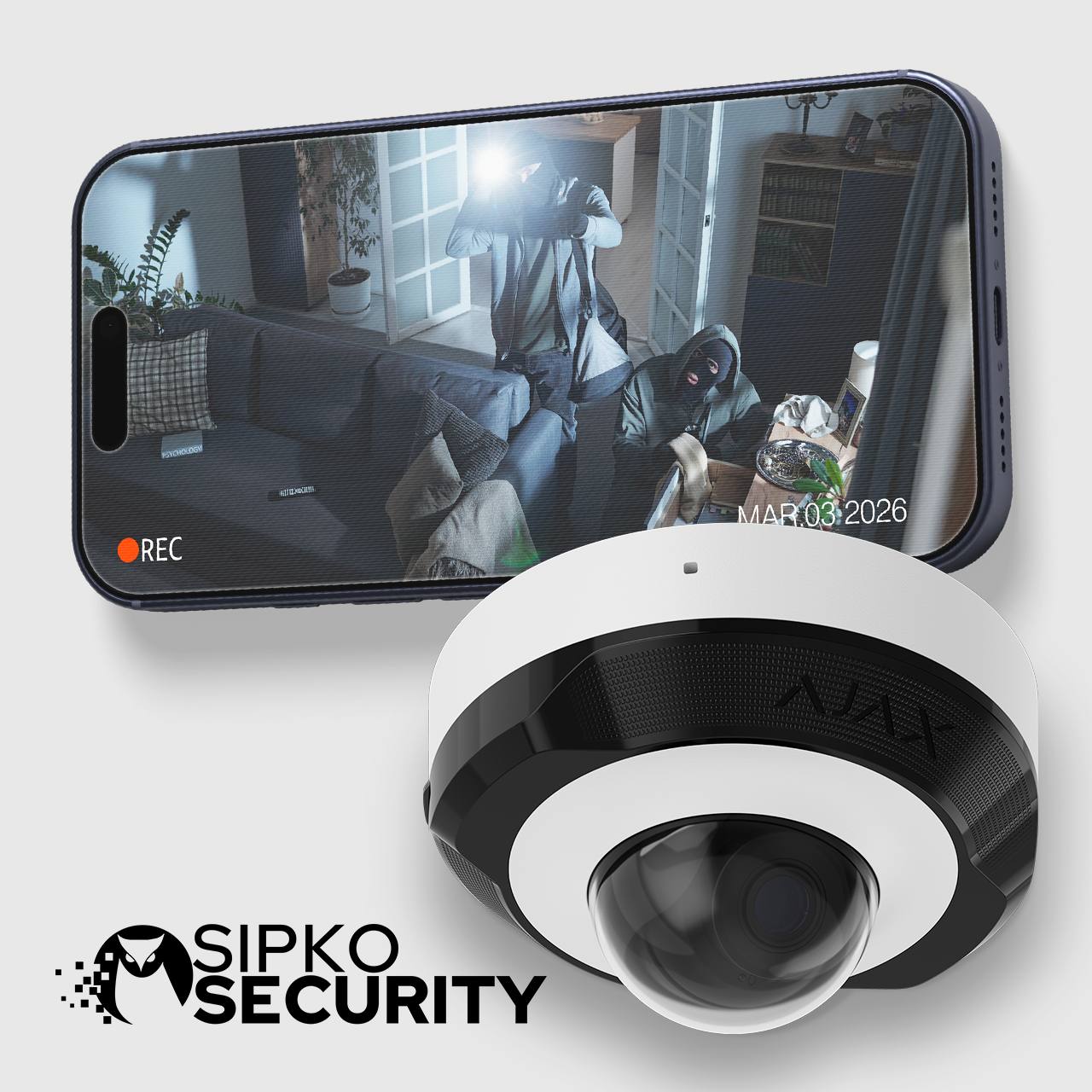
- Remote viewing on a phone for owners who aren't on site every day.
- Taking over or replacing a system left by a previous tenant.
Apartment security cameras are usually compact and few in number: one covering the entry from inside, perhaps another for the main living area. Where a camera needs mains power or a network cable, we look for the least intrusive route. Where running a network cable is difficult, we can assess whether a suitable wireless option would work reliably in that location.
CCTV installation for CBD offices and shops usually centres on entries, the reception or counter, and storage areas, while ordinary workspaces are generally left out of the plan. Street-facing entries are often bright during the day and dark at night, so camera position and model are chosen with the lighting in mind.
Cable routes in concrete buildings often follow existing conduits, ceiling spaces or surface trunking where the building allows it. The recorder can sit in a cupboard, comms rack or back office, as long as it has power, ventilation and a network connection. Remote viewing is set up on your own internet service and tested on mobile data before we leave, so you know it works away from the building's Wi-Fi.
What We Protect in Melbourne CBD
A camera inside the apartment, facing the front door, shows who enters and when. Coverage of the corridor outside is only added where the building's rules allow it.
Cameras at the reception, the staff or service entrance and any storeroom help review incidents and after-hours access, without recording ordinary desk areas.
For a shop or café, the counter, the front entry and a rear door onto a laneway are the usual priorities. Cameras on the shopfront or facade depend on the building and lease conditions, so they are confirmed at the site visit.
CCTV Services for Melbourne CBD Properties
Cameras record what happens at an entry; an alarm tells you when an armed area is entered. For an apartment that is empty during the day, or an office or shop after closing time, the two can be planned together where the selected equipment supports it.
Alarm options for apartments, offices and shops in the city are covered on our alarm installation in Melbourne CBD page.
Read feedback from SIPKO clients across Melbourne about their security system installations and service experience.


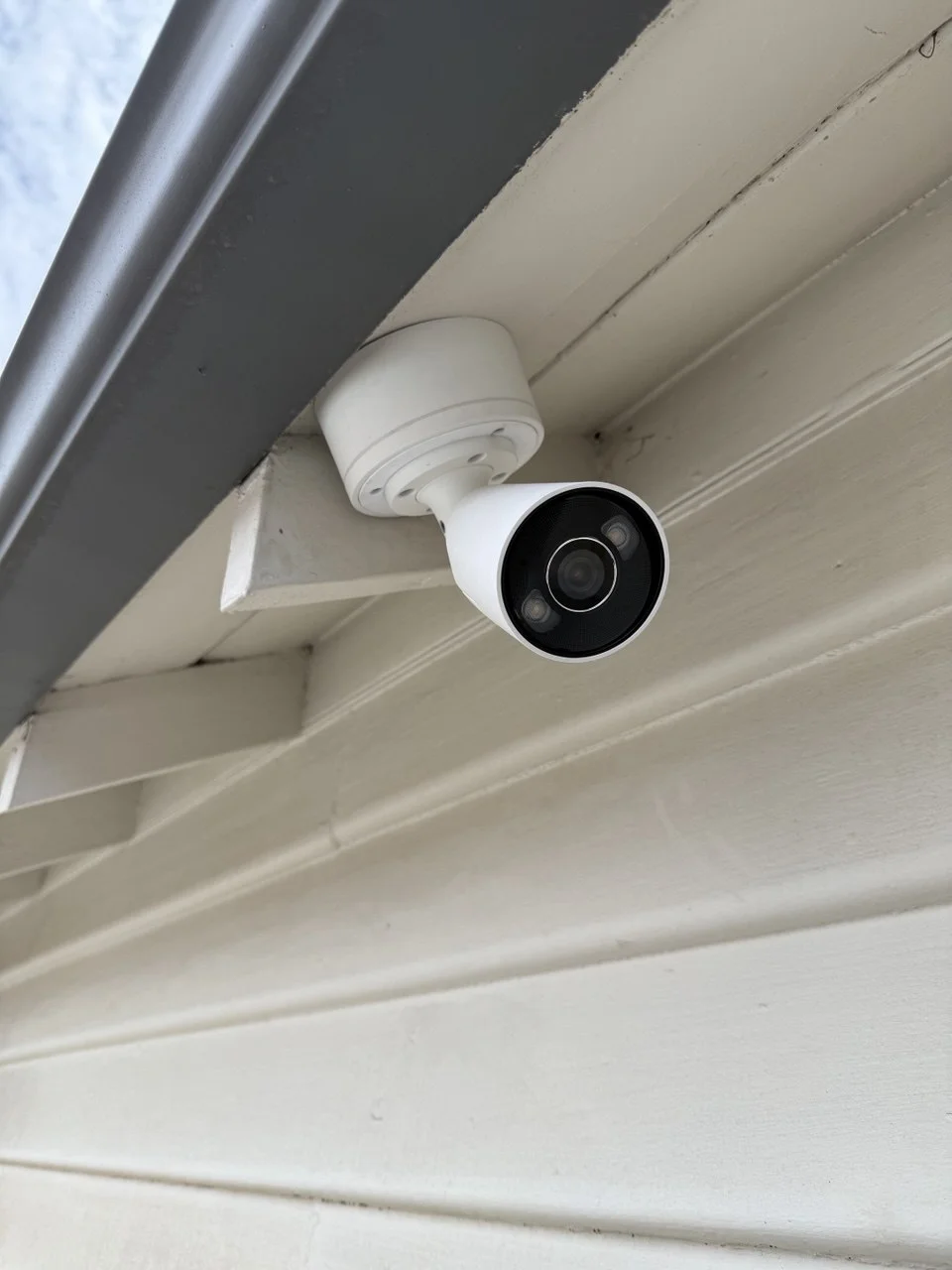
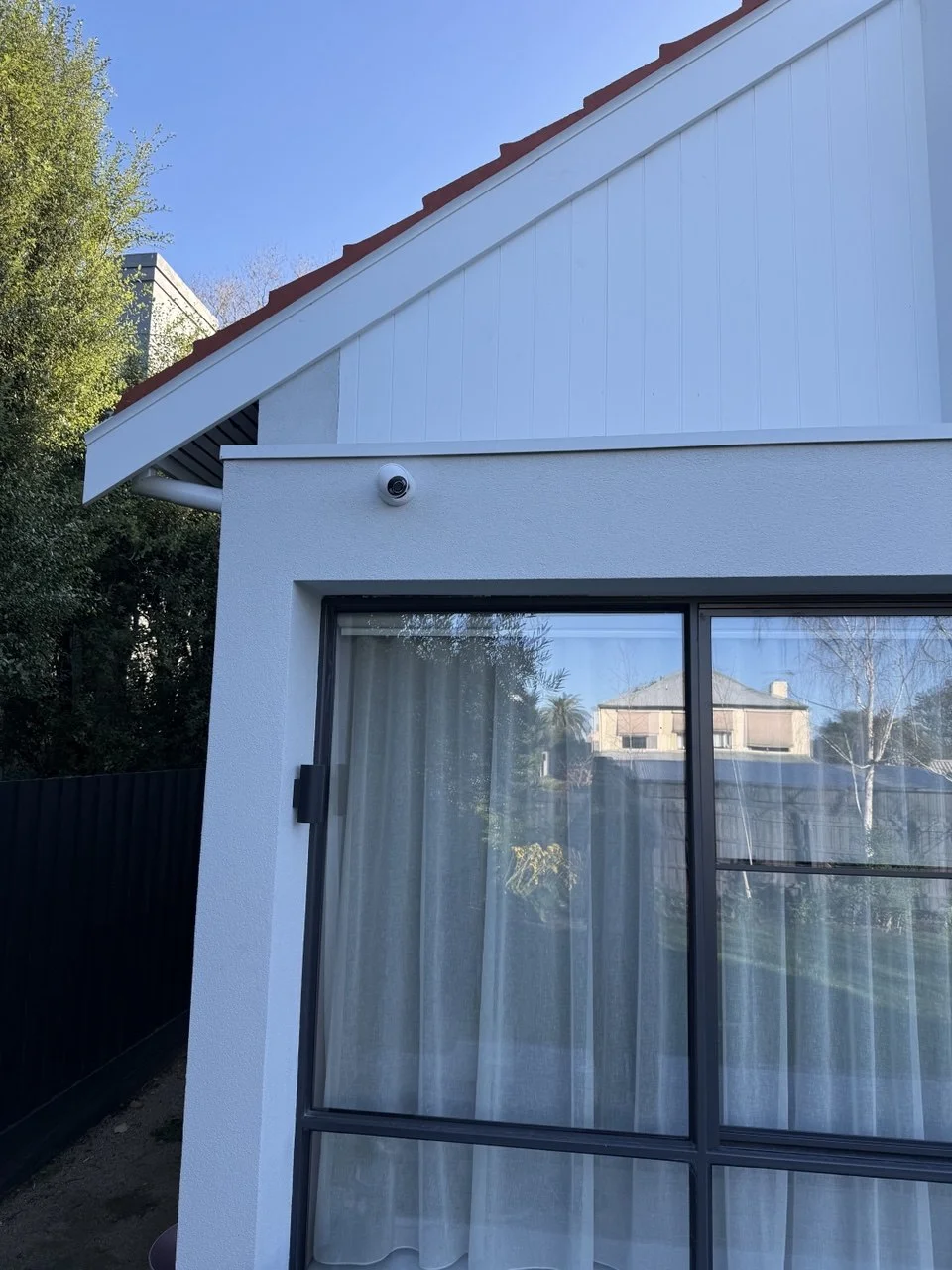
Camera mounting, cabling and completed installations from SIPKO projects.
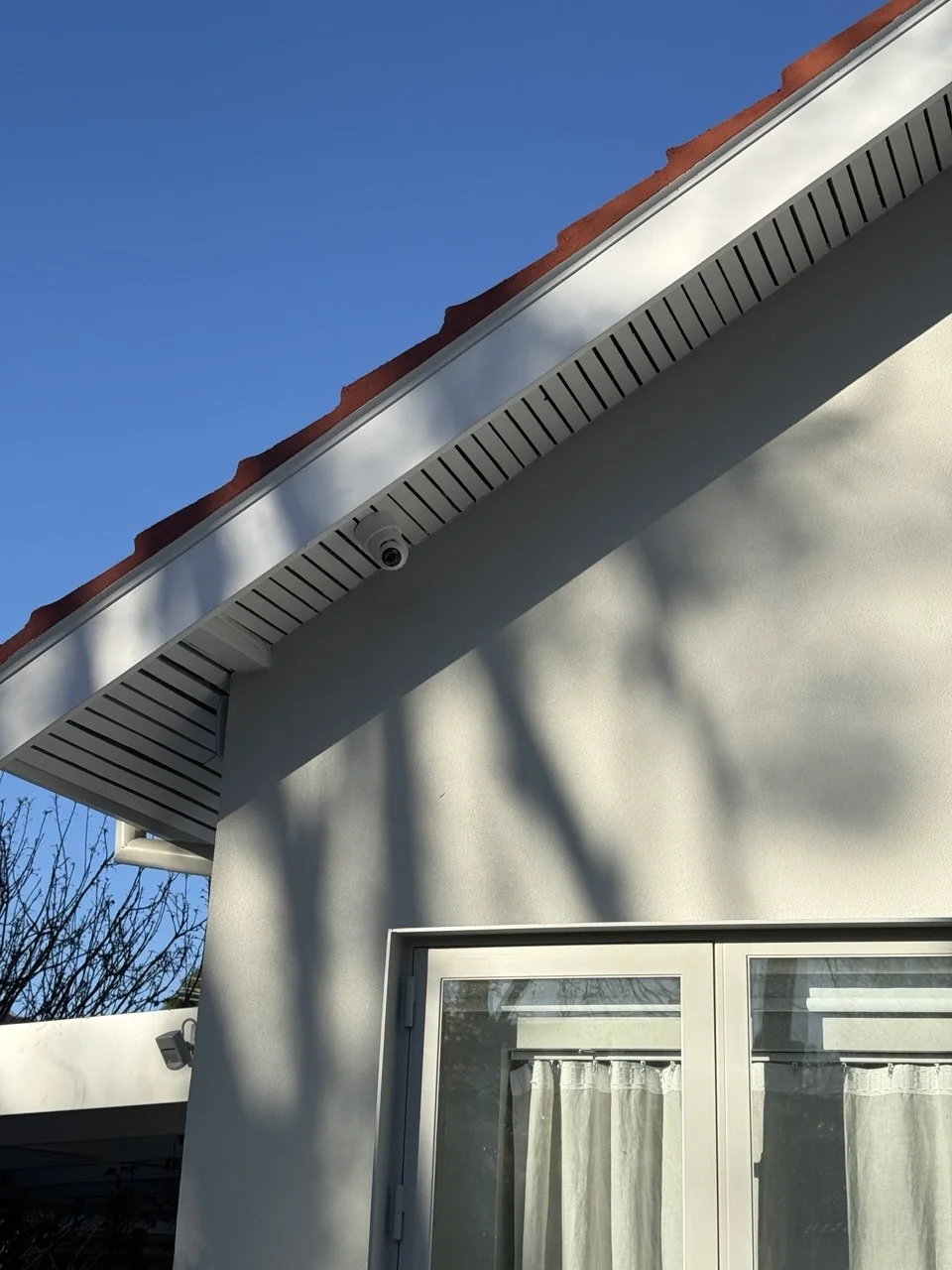
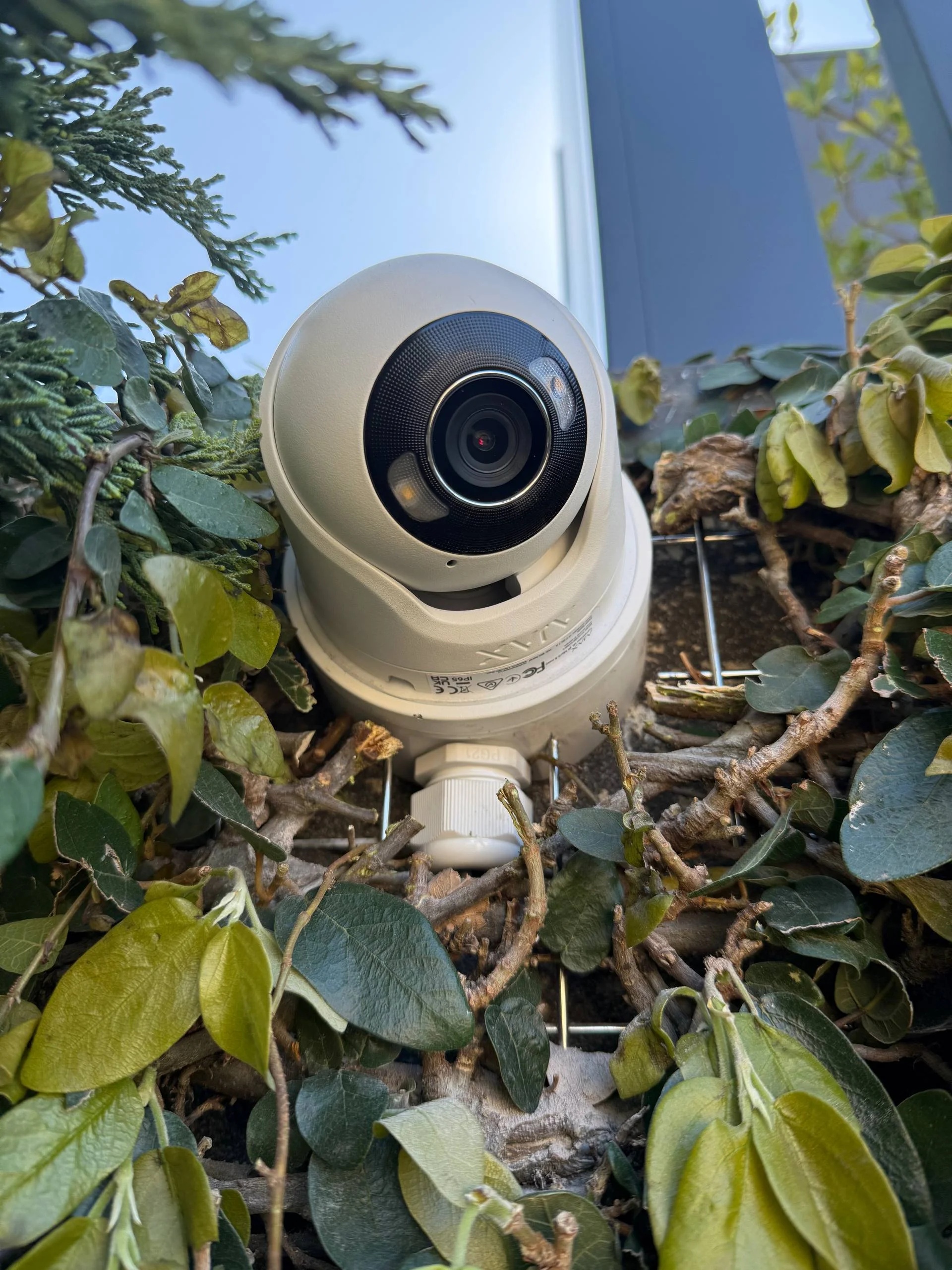
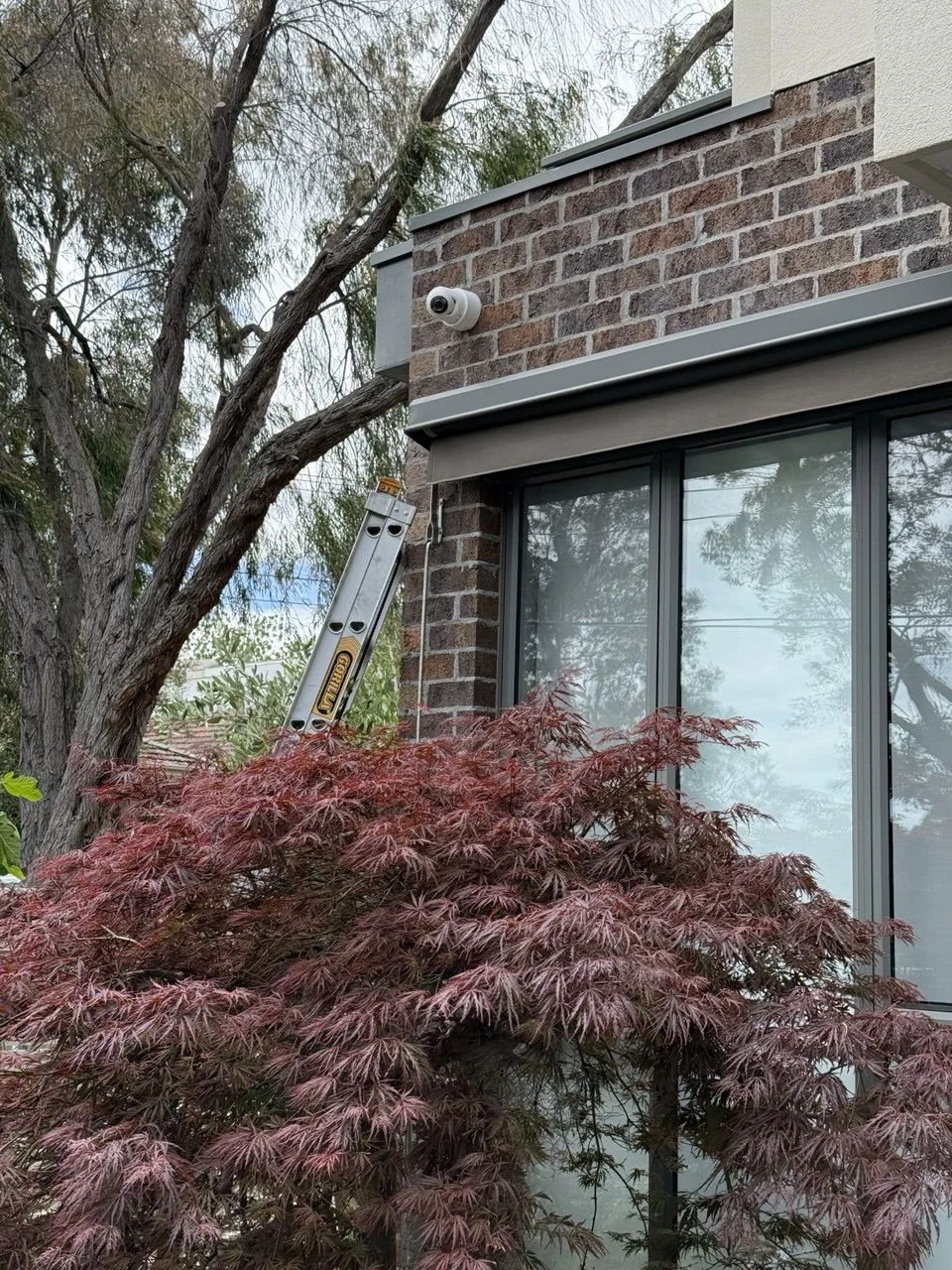
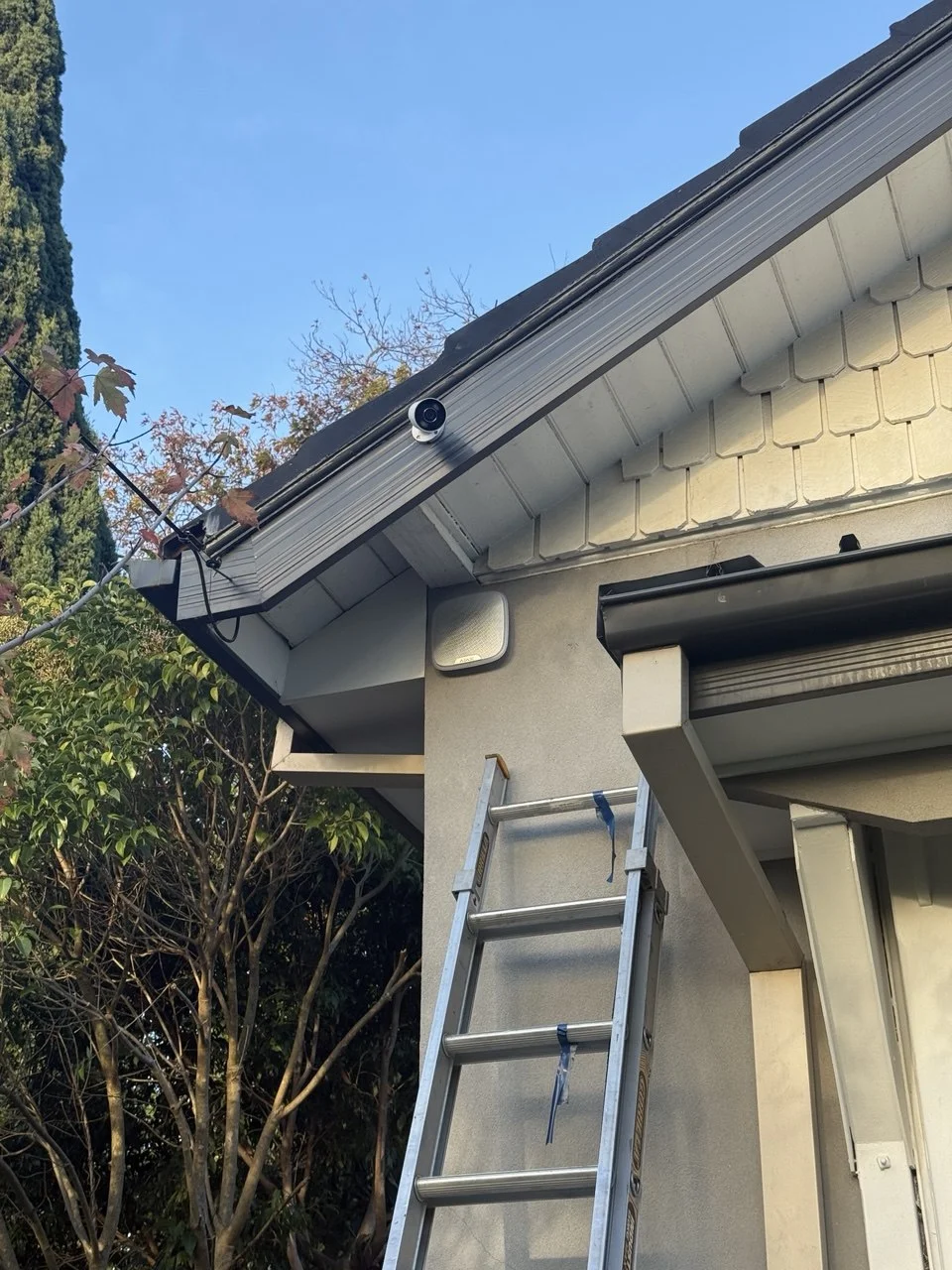
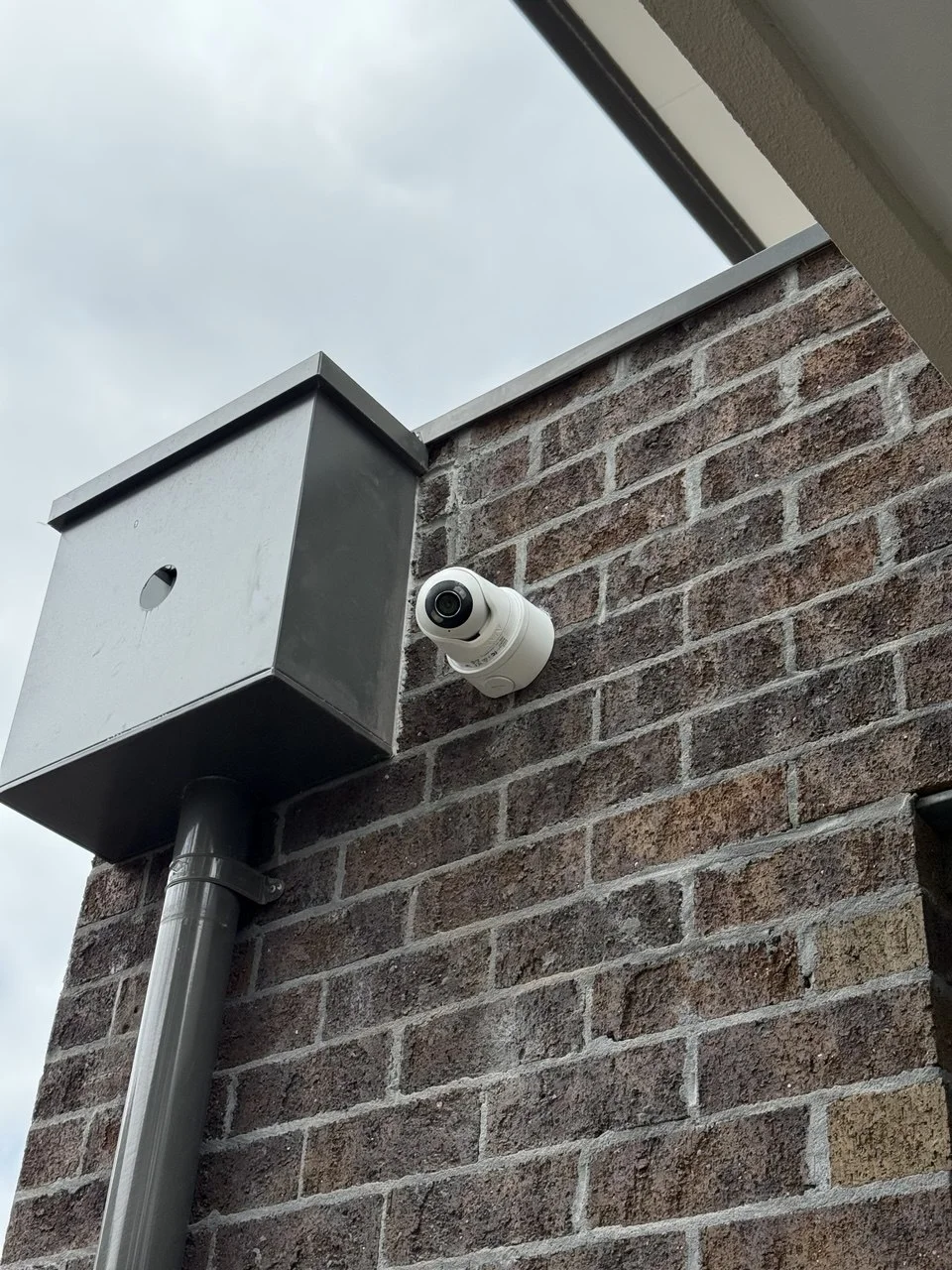
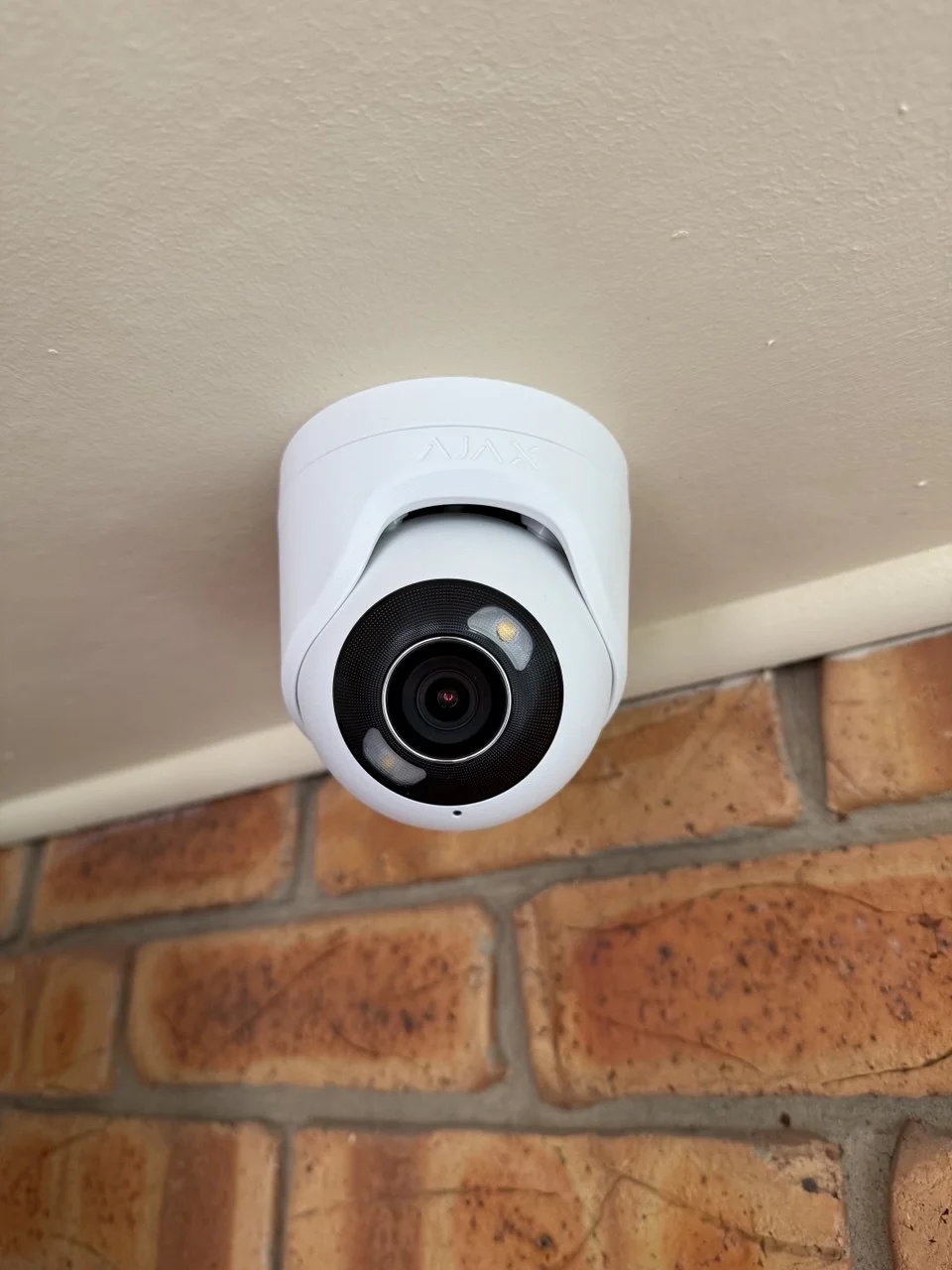
CCTV Installation Around the CBD
Frequently Asked Questions
Questions about cost, apartment doors, building approval, leased premises, recording and remote viewing.
How much does security camera installation in Melbourne CBD cost?
Can I install a camera at my apartment door?
Do I need owners corporation approval for CCTV?
Can a tenant install CCTV in a CBD office or shop?
Where does the recorder go in a small apartment or office?
Can I view the cameras remotely?
Can CCTV work together with an alarm system?
An apartment, an office and a shop in the same street can each need a different camera plan. Request a site visit and we'll check the mounting points, cable routes and recording space, and plan a system that works within your building.
