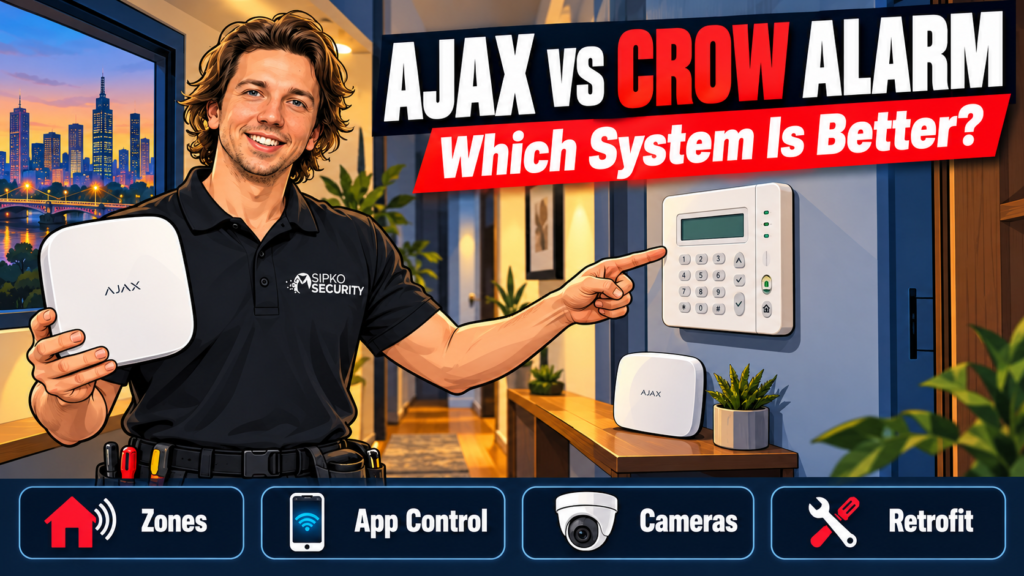
Short answer: pick Crow Runner if you’re keeping an existing wired Crow system and want a straightforward panel with no monthly app fee. Pick Ajax if you want a wireless-first system that gives you app control and photo-verified alerts the moment it’s switched on, with room to add cameras later. We install Ajax across Melbourne and we repair and service Crow systems already on site, so this comparison is written from both sides of that job.
This comparison is our professional opinion as a working installer, not an independent lab test or a ranking from either manufacturer. Ajax and Crow are both established security brands and nothing below is meant to talk either one down. We’re telling you how they actually behave on a job site so you can pick the right one for your property. Specs are sourced from each manufacturer’s own documentation, current as of 2 October 2026, and reviewed quarterly.
- Ajax vs Crow Runner alarm: quick comparison
- How are the two actually built?
- How many zones and devices can each handle?
- App control: what do you actually get on your phone?
- Does either system work with security cameras?
- Retrofit: can you keep what's already in the walls?
- What does each cost to run over time?
- What happens if a part fails or the panel needs replacing?
- Who should buy Crow Runner
- Who should buy Ajax
- What we'd install instead for a business
- FAQ
Ajax vs Crow Runner alarm: quick comparison
| Factor | Crow Runner | Ajax |
|---|---|---|
| Panel | Runner 4/8 or Runner 8/16 | Hub 2 Plus (Jeweller) |
| Design | Hybrid: wired zones, wireless zones via an add-on receiver | Wireless-first, radio and connectivity built into the hub |
| Zones / devices | 4 to 16 zones depending on the model | Up to 100 wireless devices |
| Partitions | 2 | Multiple, by permission level |
| App control | Free app; needs an added IP/GSM communicator module | One Ajax app, built into the hub |
| Photo verification | Not available | Yes, via Wings cameras |
| Camera integration | None native | Up to 25 cameras/DVRs (Dahua, Hikvision, Safire, EZVIZ, Uniview) |
| Monitoring protocol | SIA, Contact ID 4+2 | SIA-IP, native to the hub |
| Published security grade | Not published to EN 50131 | EN 50131 Grade 2 standard; Grade 3 on the Superior line |
| Best fit | Retrofitting an existing wired Crow install, budget residential | New install, mixed-brand camera sites, anything that might outgrow 16 zones |
Caption: Specs sourced from Crow and Ajax’s own product documentation, current 2 October 2026.
How are the two actually built?
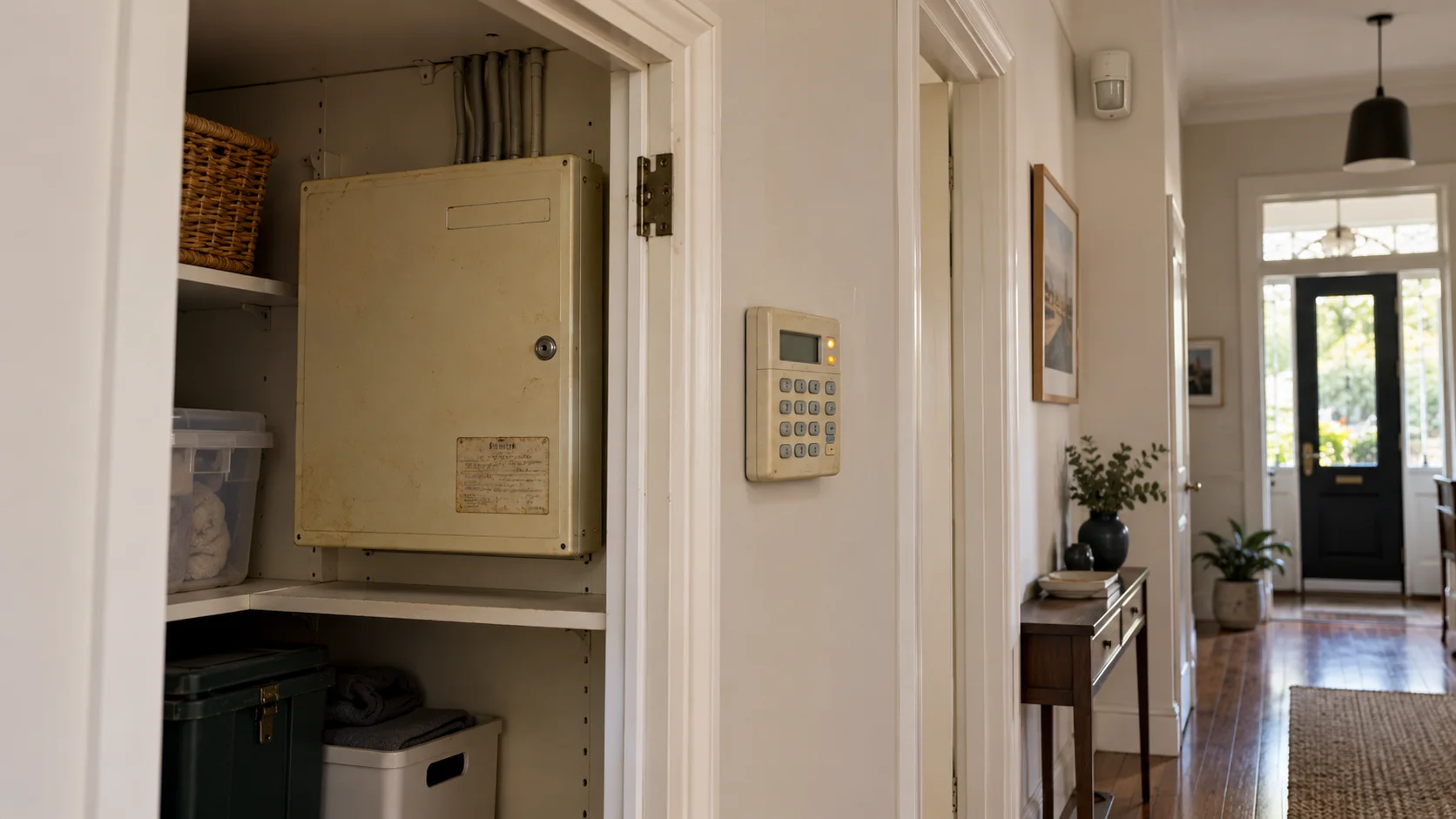
Crow Runner is a hybrid panel: it starts from wired zones with end-of-line resistors, and you add wireless zones by fitting a separate receiver. That design comes straight out of the standard Australian wired-alarm playbook. It’s why Runner still turns up in homes built or renovated over the last couple of decades, usually alongside a keypad the household already knows how to use.
Ajax works the other way around. The Ajax Hub 2 Plus talks to every detector over its own Jeweller radio protocol out of the box, with cellular and Wi-Fi connectivity built into the hub itself. Nothing needs to be wired back to the panel unless you specifically want a wired input, which makes it the faster install on a site with no existing cable runs: a rental, a shopfit, a weatherboard with no roof access.
Winner: depends on the wall. Crow if you’ve already got cable runs worth keeping; Ajax if you’re starting from nothing.
How many zones and devices can each handle?
Runner comes in two sizes: 4/8 covers four to eight zones, and 8/16 covers eight to sixteen. You pick the model that matches the property, and that’s roughly the ceiling. Ajax’s Hub 2 Plus takes up to 100 wireless devices on one hub, which covers detectors, keypads, sirens and cameras combined rather than a fixed zone count.
For a standard three or four bedroom house, both numbers are more than enough and this factor won’t decide anything. It starts to matter on a larger commercial site, or a home that keeps growing: a granny flat this year, a pool area next year.
Winner: Ajax for anything that might keep expanding; Runner is simpler to budget for a fixed, known zone count.
App control: what do you actually get on your phone?
This is the factor most people searching ajax vs crow alarm actually care about. Runner ships with a free app and no ongoing subscription fee, which is a genuine point in its favour, but turning that into real remote arm, disarm and push notifications needs an IP or GSM communicator module added at installation. It’s not automatic, and it’s worth asking your installer whether that module is already in the quote before you assume app control is included.
Ajax’s connectivity is built into the Hub 2 Plus from the factory, so app control, zone status and push alerts work the moment the system is commissioned, with no separate module to add or forget.
Winner: Ajax, for app control that works without extra hardware. Runner closes most of that gap once the communicator module is fitted; it just isn’t there by default.
Does either system work with security cameras?
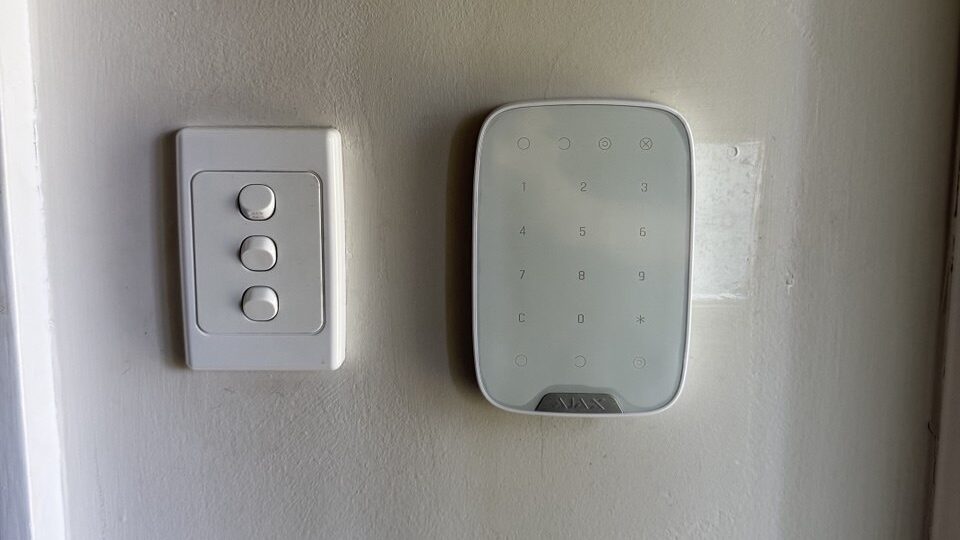
Ajax integrates natively with up to 25 cameras or DVRs across Dahua, Hikvision, Safire, EZVIZ and Uniview, and its own Wings cameras add photo verification. An alarm event arrives with a photo attached, not just a signal, which cuts down false-alarm callouts for both you and the monitoring station.
Crow Runner has no native camera integration. CCTV on a Runner site runs as its own separate system, which is perfectly normal (most alarm panels of this generation were never designed to talk to cameras), but it means the alarm and the cameras live in two different apps rather than one.
Winner: Ajax, if photo verification or a single app for alarm and cameras matters to you.
Retrofit: can you keep what’s already in the walls?
If a Melbourne home already has a wired Crow panel and PIRs from a previous build, Runner is the option that reuses that cabling rather than pulling new cable through finished walls. That’s exactly the call we’re making on the older PowerWave and Runner systems we repair and modernise across Melbourne: see Is Your Old Crow Alarm Still Worth Repairing? and our notes on Crow PowerWave problems for what we actually find on site.
Moving to Ajax instead doesn’t mean the old wiring has to go to waste. Ajax’s wired input modules can bring existing PIRs and reed switches onto the Jeweller network, so a switch in brand doesn’t always mean a switch in sensors. The install itself is usually faster too, since there’s no cable-pulling for the new zones.
What does each cost to run over time?
Neither system charges a mandatory monthly fee just to operate the panel and app. What most owners actually end up paying for is 24/7 monitoring, which with us starts from $49/month AUD (+GST), no lock-in contract, and applies the same way whichever panel sits behind it. That figure is current as of October 2026 and reviewed quarterly; your fixed quote is confirmed at a free site walk-through. See 24/7 Ajax monitoring with video verification for how that works on a photo-verified system.
Installed price for either panel comes down to zone count, number of detectors and labour on the day, so we don’t publish a single flat figure online. We confirm the real number against your floorplan at a free walk-through.
What happens if a part fails or the panel needs replacing?
This is where the Runner versus PowerWave distinction actually matters, and it’s worth knowing before you commit to either brand. Runner is still part of Crow’s current global product range, so replacement keypads, receivers and expansion boards are available new, and a fault on one zone doesn’t usually mean replacing the whole panel. PowerWave, the model Runner replaced, has been phased out of Crow’s catalogue; we still repair PowerWave systems on site, but parts increasingly come from existing stock rather than new production, which is the main reason we point ageing PowerWave owners toward a Runner or Ajax upgrade rather than a like-for-like repair.
Ajax support runs the other way: because the Hub 2 Plus is the current flagship, firmware updates and new detector models land on it first, and a fault is more often a single wireless device swap than a wiring job, since there’s no cable run to fault-find along the way.
Who should buy Crow Runner
- You already have a wired Crow panel and want to keep the existing cabling
- You want a set-and-forget system with no pressure to pay for app features
- Your site is a straightforward 4 to 16 zone residential or small commercial job
- Budget is the deciding factor over app polish or camera integration
Who should buy Ajax
- You’re starting with no existing alarm cabling to reuse
- You want app control and photo-verified alerts working from day one
- You already run Dahua, Hikvision or other IP cameras you’d like on the same app
- Your site might outgrow 16 zones, or could need EN 50131 Grade 3 down the track
What we’d install instead for a business
For a shop, office or warehouse we usually steer owners toward Ajax TurretCam HL 8MP cameras on the same Ajax hub as the alarm, rather than either alarm sitting on its own. A commercial site gets more out of a photo-verified alarm plus cameras on one app than the alarm alone, and it’s the setup we lean on for duress alarm systems for Melbourne businesses too. If your site is small and the budget is tight, a Runner-based retrofit can still be the right call, and we’ll say so at the walk-through rather than push the bigger system by default.

FAQ
Can I convert my existing Crow wired zones to a new Ajax system?
Yes. Ajax’s wired input modules let us bring existing wired PIRs and reed switches onto the Jeweller network, so switching panel brands doesn’t automatically mean replacing every sensor. We check each zone at the walk-through to confirm it’s compatible before quoting.
Is Crow Runner still sold new in Australia?
Yes. Runner is part of Crow’s current global product range. The older PowerWave panels Crow previously sold have been phased out of the catalogue, so if you’re quoting a brand-new Crow install today, Runner is what gets fitted.
Does the Crow Runner app need extra hardware?
In most cases, yes. The panel ships with a free app, but remote arm/disarm and push notifications need an IP or GSM communicator module added at install. Ask your installer to confirm it’s included in the quote rather than assuming it is.
Which one is cheaper to run month to month?
Neither charges a mandatory app subscription. The ongoing cost most owners actually pay is 24/7 monitoring, and that cost applies the same way regardless of which panel sits behind it.
Can I get photo verification with a Crow alarm?
Not natively. Crow Runner sends a signal to the monitoring station, not a photo. If photo-verified alerts matter to you, Ajax’s Wings cameras are built for exactly that; running a separate CCTV system alongside a Crow panel gives you vision but not the same linked photo-on-alarm workflow.
Whichever system suits your property, we’ll tell you straight at the walk-through rather than steer you toward the bigger sale — book a free Ajax alarm assessment in Melbourne and we’ll quote both options against your actual walls.