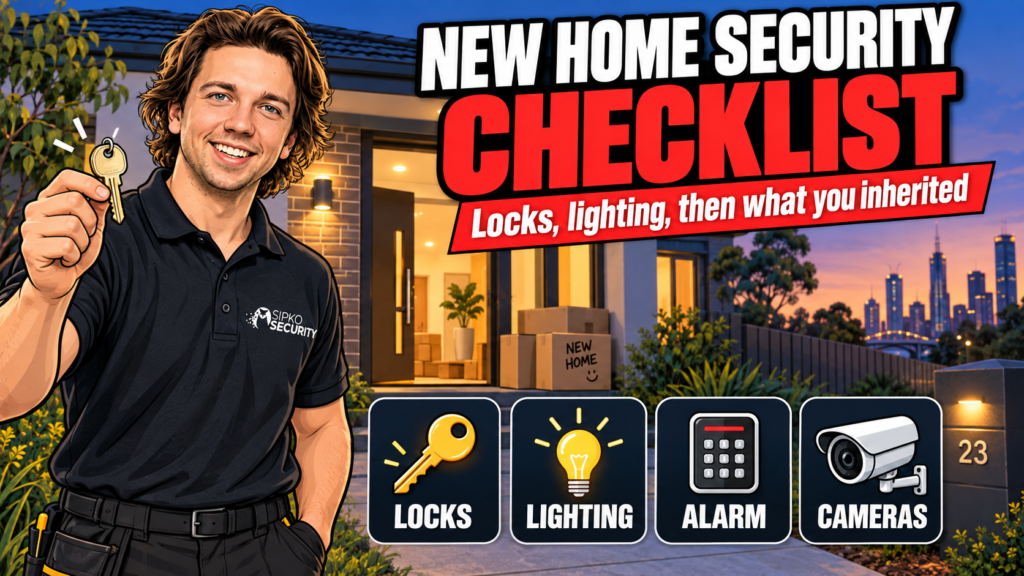
Moving day swallows a full to-do list, but security only needs one rule: fix what nobody else has a copy of before you fix what looks nice. That means locks first, then lighting, then whatever alarm or cameras came with the house. In Victoria, up to 80% of burglaries happen through an unlocked door or window, or the offender gives up once they find the home secured — so the boring stuff at the top of this list is doing most of the actual work.
What to do before you sleep there
Work through this in order, not by whatever’s easiest to reach first. Locks and access points are the only thing on this list where someone else might already have a working copy — everything after that (lighting, an inherited alarm, inherited cameras) is a system you can audit at your own pace once the doors are actually yours alone.
- Rekey or replace every exterior lock, including the garage.
- Check every window and sliding door actually locks, not just closes.
- Get exterior lighting covering the doors and any blind approach.
- Work out what the inherited alarm is and whether it’s still reporting anywhere.
- Work out what the inherited cameras are and who else might still have app access.
Rekey or replace the locks — and work out who else has a key
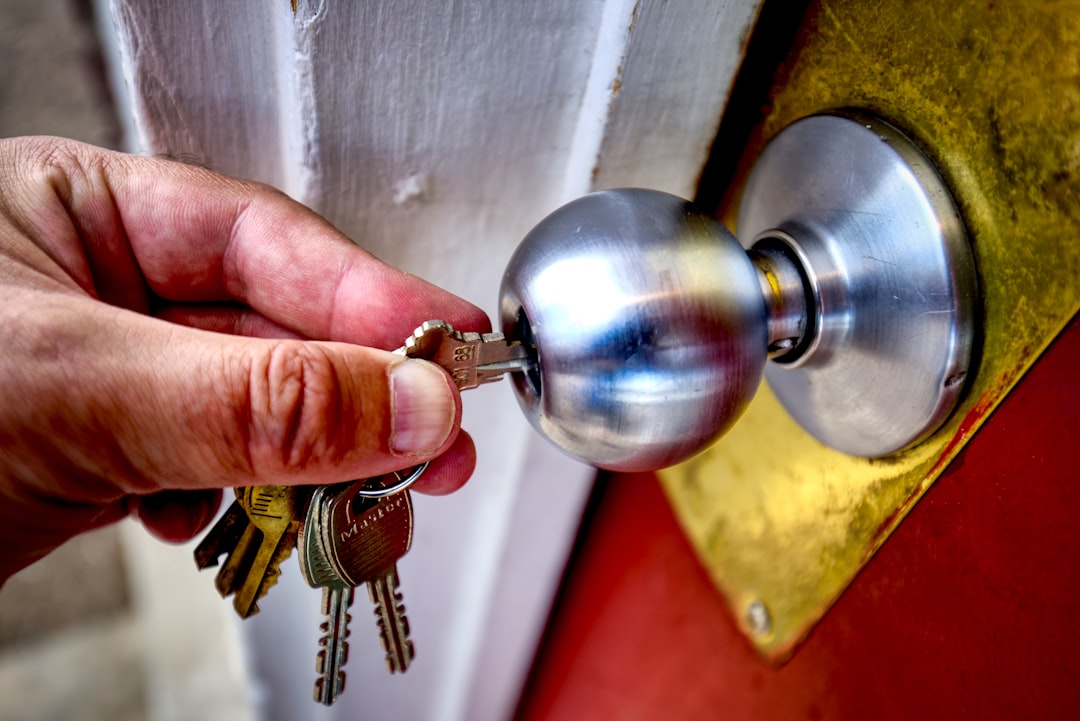
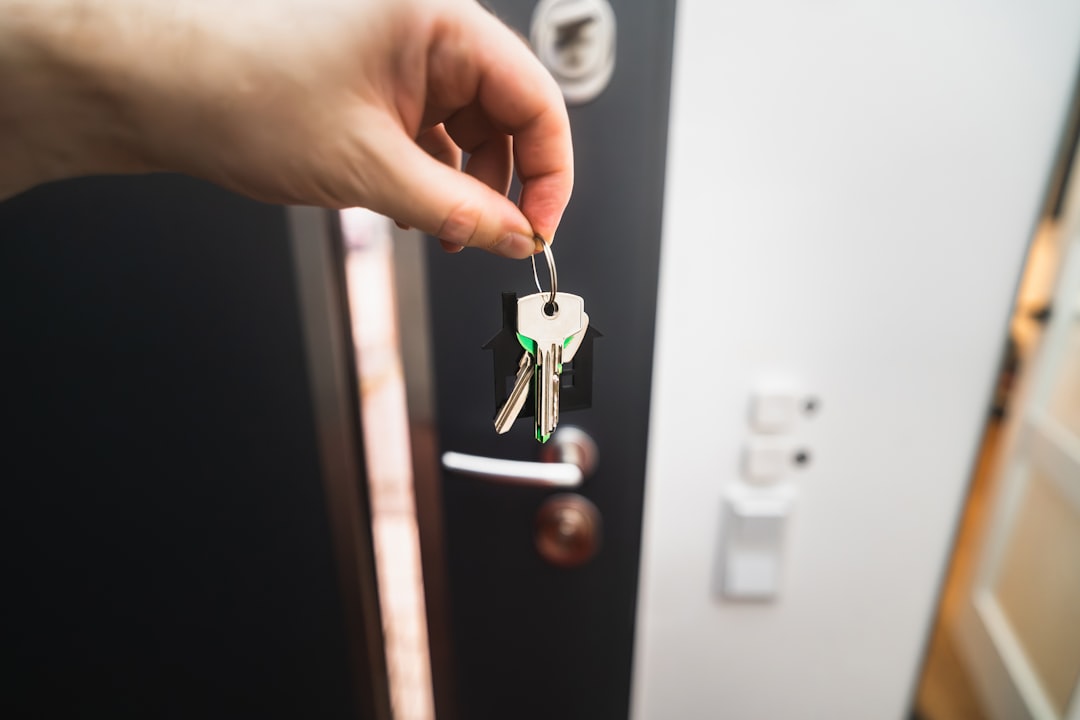
This is the one job on the list that’s genuinely urgent, because it’s the only one where a stranger might already have a working copy. Real estate agents keep lockbox keys. Tradies who did pre-settlement work often get one cut. Cleaners, the previous owner’s family, a neighbour who used to feed the cat while they were away — any of them could be holding a key that still works on your front door.
Rekeying (a locksmith changes the pins so the existing lock takes a new key) is cheaper than replacing the whole lock body and works fine if the hardware itself is in good condition. Full replacement makes more sense if the locks are old, don’t match across doors, or you want to move to a keyed-alike system where one key does every external door. Get a locksmith quote for either — that’s not something we price, since it depends on the lock brand and how many doors you’re covering.
Don’t stop at the front door. We see it constantly: a family rekeys the front and back doors, feels done, and forgets the garage side door, the laundry external door, and the roller door remote that’s still paired from the last owner’s opener. Reset or reprogram any garage remote and keypad code too — those are usually left on factory or previous-owner settings and nobody thinks to touch them.
Windows, sliding doors, and the garage side door
A locked front door doesn’t help if a ground-floor window only closes and never actually latches. Walk every window and confirm the lock engages, not just that the sash sits shut — older sash windows especially will look closed while the latch is disengaged. Sliding doors need two checks: the main lock, and whether the door can be lifted off its track from outside. A cheap dowel or security bar in the track stops that second one and costs almost nothing.
The garage side door is the one people forget because it doesn’t feel like a “real” entry point. It usually has a cheaper lock than the front door, sits around the side of the house out of street view, and opens straight into the house in most Melbourne floor plans. Treat it like a front door, not an afterthought.
Lighting and sightlines
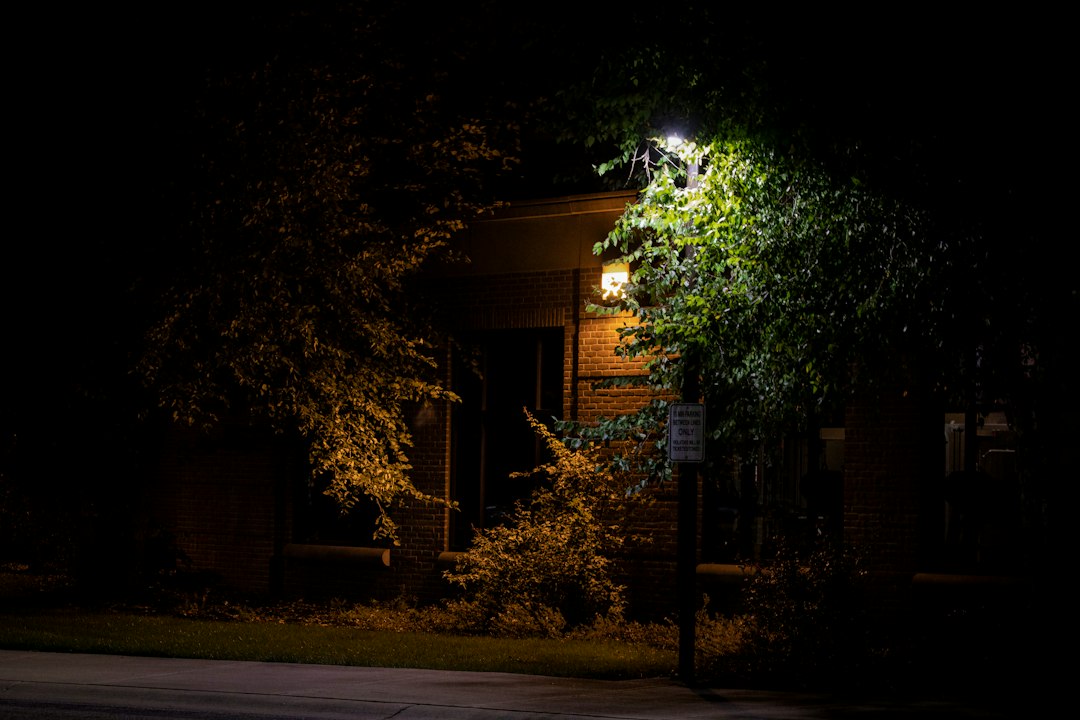
Motion-sensor lighting at every entry point is one of the cheapest, highest-return jobs on this whole list. Victoria Police recommends installing sensor lighting and keeping entry points visible from the street — a dark side gate or a garage door tucked out of sightline is exactly where someone tries a lock they wouldn’t try under a streetlight. Trim back anything overgrown near windows and the garage, and make sure your house number is actually legible from the street at night; it sounds trivial until you’ve watched an ambulance or a patrol car slow down at three houses in a row because none of them are numbered.
We wouldn’t put alarm sensors ahead of lighting on a tight budget — a sensor light is a deterrent every night of the year, an alarm only helps once someone’s already inside.
The alarm you inherited
If there’s a keypad on the wall, don’t trust it until you’ve worked out what it is and whether the old codes still get someone other than you into the system. We’ve written a full walkthrough of exactly what to check and in what order: Just Bought a House with an Unknown Alarm System? Do These 5 Things Immediately.
The cameras you inherited
Same principle as the alarm: an app-connected camera system is only yours once the previous owner’s account is off it. If there’s existing CCTV on the property — Dahua, Hikvision, a generic brand, or a video doorbell — check who still has login access before you rely on it for anything. We cover camera brands and installs in more depth in our residential CCTV installation guide, and our CCTV blind spots piece is worth a read before you assume the existing coverage is actually enough.
What to add in week one vs month one
Not everything needs doing the day you get the keys. Split it so the urgent stuff doesn’t get lost among boxes.
| Week one | Month one |
|---|---|
| Rekey/replace locks, including garage | Full alarm audit or upgrade decision — see our upgrade vs replace guide |
| Test every window and sliding door lock | Add exterior cameras to cover blind spots |
| Basic sensor lighting at entry points | Monitoring plan if you want a response service, not just an app alert |
| Confirm inherited alarm/camera account access | Signage, engraving valuables, property inventory photos |
Monitoring plans through us start from $49/month AUD (current as of September 2026), no lock-in contract, if you decide the alarm’s worth connecting to a response service rather than just an app notification — details on our monitoring page.
What to document for your insurer
Take dated photos of your final lock setup, any alarm keypad and panel details, and camera coverage once it’s in place — most insurers ask for this if you ever need to make a claim, and it’s far easier to do it now than to reconstruct it after a break-in. Keep the receipt or invoice from your locksmith and any alarm/camera work as proof of what was actually installed and when. If you upgrade the alarm later, ask us for a certificate of installation — some insurers apply a discount for a monitored system, though the amount and eligibility vary by provider, so check with them directly rather than assume.
Should I rekey or fully replace the locks in a new home?
Rekeying is cheaper and works if the lock hardware is in good condition — a locksmith changes the internals so old keys stop working. Full replacement makes sense if the locks are old, mismatched, or you want every external door keyed alike. Either way, get it done before your first night, not after.
Who else might still have a key to my new house?
Real estate agents, tradies who worked on the property before settlement, cleaners, and sometimes neighbours who helped the previous owner are the usual answers. You can’t know for certain who has a copy, which is exactly why rekeying or replacing is the priority over anything else on this list.
Do I need a new alarm code if the house already has a system?
Yes, treat any inherited alarm as compromised until you’ve changed the master and installer codes yourself. The previous owner, their family, and anyone they gave the code to could still disarm it. Our inherited alarm guide covers the exact steps.
How soon should I set up security cameras after moving in?
If cameras already exist, check account access in week one — that costs nothing and closes an obvious gap. Adding new coverage for blind spots is more of a month-one job once you’ve lived in the house long enough to know which approaches actually need watching.
What should I keep for my home insurance after a security upgrade?
Dated photos of locks, alarm panel details, and camera coverage, plus the invoice from whoever did the work. Some insurers offer a discount for a monitored alarm system with a certificate of installation — the specifics vary by insurer, so confirm directly with yours.
Want a second set of eyes on what you’ve inherited? Book a free site walk-through and we’ll tell you honestly what’s worth keeping and what isn’t.