
Dahua 6MP vs 8MP: which is actually better? For most homes and small shops, 6MP is genuinely enough. The real difference mainly affects detail at distance and file storage, not everyday picture quality. We default to 8MP on most jobs anyway, but that’s a standardisation call, not a verdict that 6MP is worse.
Most write-ups on this topic either recycle marketing copy or quote old forum threads about cameras Dahua stopped making years ago. We pulled the current spec sheets straight off Dahua’s own site and lined up two cameras from the same current WizSense TiOC Pro family, so you can see exactly what changes between 6MP and 8MP, and just as importantly, what doesn’t.
This is our opinion as a working CCTV installer, based on hands-on install experience and the manufacturer’s published specifications, not an independent lab test. Every property is different. If resolution genuinely matters for your site, we’ll talk it through properly at your free walk-through.
- What "6MP" and "8MP" actually mean on a camera
- Dahua's own spec sheet, side by side
- The night-vision myth we can actually put to rest
- Where the difference actually shows up
- What actually determines picture quality (and has nothing to do with megapixels)
- When 6MP is honestly the right call
- When 8MP earns its keep
- Why we still default to 8MP anyway
What “6MP” and “8MP” actually mean on a camera
Megapixels just count how many pixels the sensor captures in one frame. Nothing more mystical than that. A 6MP Dahua camera captures 3288 × 1850 pixels, about 6.1 million. An 8MP camera captures 3840 × 2160, the same resolution as 4K UHD TVs, about 8.3 million.
More pixels can mean more fine detail, but only if the lens, the sensor and the lighting on site can actually back it up. Past a certain point, extra megapixels just mean bigger video files of the same picture, not a noticeably sharper one. That’s the bit the spec sheet on a shop shelf never explains.
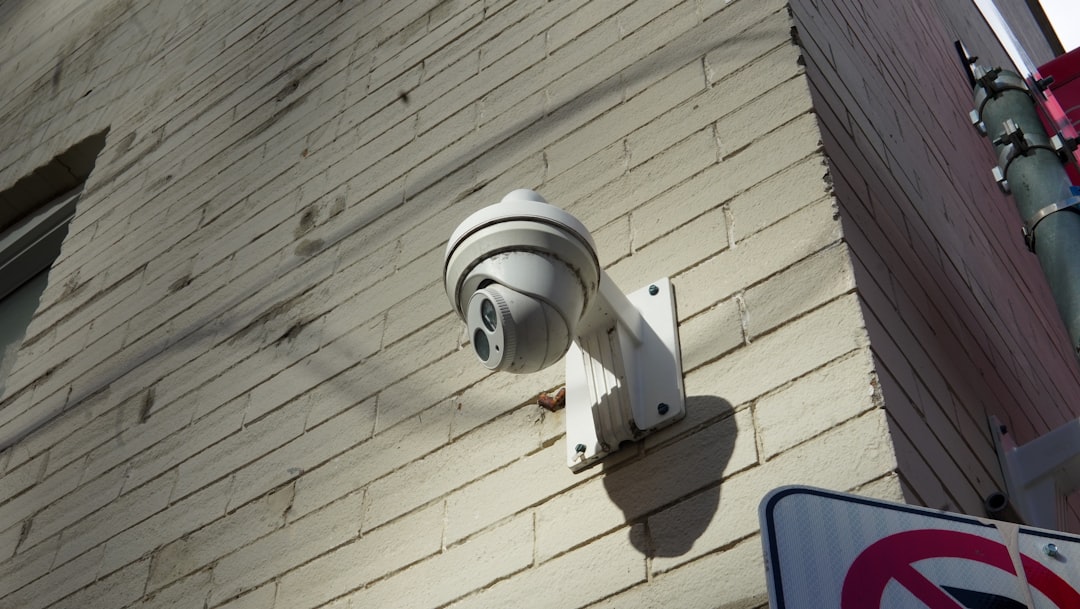
Dahua’s own spec sheet, side by side
Rather than comparing two random models, we lined up two cameras from Dahua’s current TiOC Pro range that share the same body, the same sensor size and the same features. The only real difference is resolution, which makes this a genuinely fair comparison, not an apples-to-oranges one.
| Spec | 6MP TiOC Pro | 8MP TiOC Pro |
|---|---|---|
| Model | DH-IPC-HDW3649H-AS-PV-PRO | DH-IPC-HDW3849H-AS-PV-PRO |
| Sensor | 1/1.8″ CMOS | 1/1.8″ CMOS |
| Max. resolution | 3288 × 1850 (~6.1MP) | 3840 × 2160 / 4K UHD (~8.3MP) |
| Min. illumination (colour) | 0.0005 lux @F1.0 | 0.0004 lux @F1.0 |
| IR / warm light range | Up to 30 m | Up to 30 m |
| Frame rate | 25/30 fps | 25/30 fps |
The night-vision myth we can actually put to rest
You’ll often hear that packing more megapixels onto the same size sensor makes low-light performance worse, because each individual pixel is smaller and gathers less light. That’s a real effect on some cameras, and it’s where a lot of the old “6MP is better at night” forum wisdom comes from.
It doesn’t hold up on this particular pair. Dahua rates the 6MP TiOC Pro at 0.0005 lux and the 8MP TiOC Pro at 0.0004 lux, close enough to call it a wash, and both share the same 30 m IR and warm-light range. We wouldn’t tell a client to buy 8MP for better night vision, because on this generation of camera, that’s simply not where the real difference sits.
Where the difference actually shows up
Two places, and neither of them is “sharpness” in the way most people picture it.
Detail at distance. More pixels spread across the same field of view means more of them land on a face, a number plate or a delivery van the further away it is. Widen the area one camera has to cover, and the 8MP model’s extra pixels give you more to crop into before the image turns to mush; the 6MP model runs out of that headroom sooner over the same width. It matters far less right next to the lens, on a front door or a till point, where 6MP is already more detail than most people will ever zoom in on.
File size and storage. The 8MP camera captures roughly 36% more pixels per frame than the 6MP one (8.3 million versus 6.1 million). H.265 compression narrows that gap, but it doesn’t erase it. An 8MP system generally needs a bit more storage or bandwidth for the same number of recording days. We size the NVR around whichever resolution you land on; if you want the exact day-by-day storage maths, our CCTV storage guide walks through it.
What actually determines picture quality (and has nothing to do with megapixels)
This is the part that gets skipped in most “vs” articles, and it’s arguably more important than the resolution decision. Three things affect what you actually see on playback more than 6MP versus 8MP does:
- Lens and field of view. A wide-angle lens spreads the same pixel count over a bigger area, so a wide fixed lens on an 8MP camera can end up with similar per-metre detail to a narrower lens on a 6MP one. The megapixel number on the box doesn’t tell you this; the focal length does.
- Mounting height and angle. A camera mounted too high, aimed down too steeply, mostly captures the tops of people’s heads. No resolution fixes that; it’s a placement problem, and it’s one we regularly find and correct on takeover jobs.
- IR washout at night. Cameras mounted too close to a white wall or a reflective surface can bounce their own infrared light straight back into the lens, blowing out anything closer than a few metres. This has nothing to do with sensor resolution and everything to do with mounting position.
Get these three right and a 6MP camera can easily out-perform a poorly mounted 8MP one. It’s why we walk every site in person rather than quoting resolution off a floor plan.
When 6MP is honestly the right call
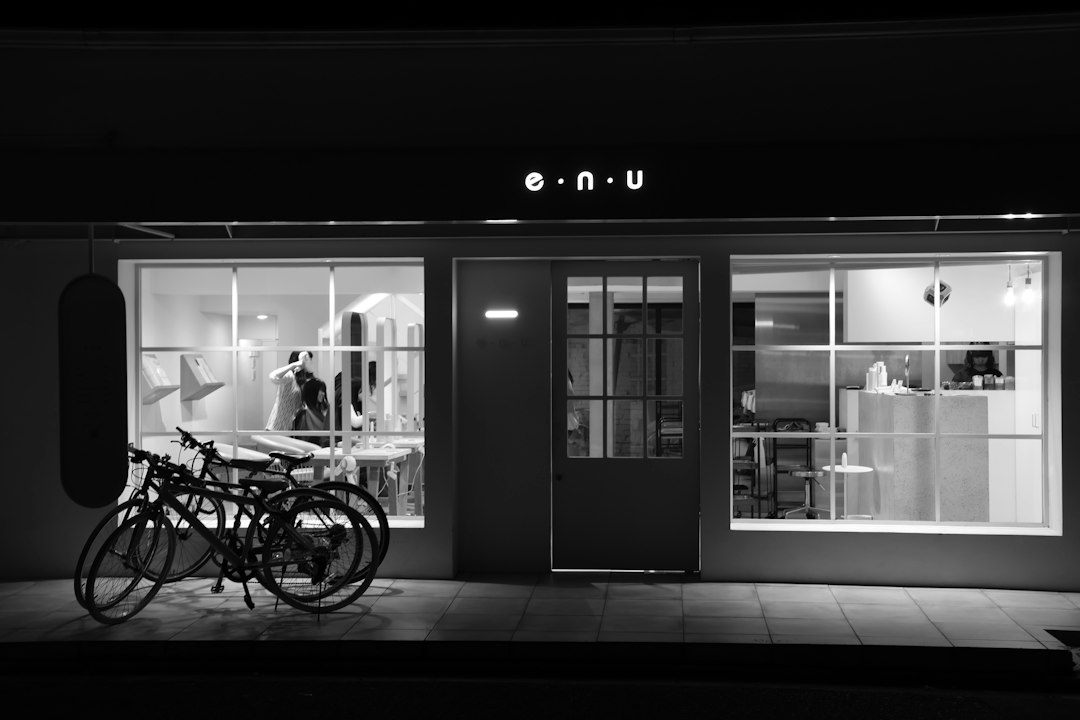
- A front door, hallway or small shop interior where the camera sits a few metres from what it’s watching
- A budget-conscious residential job where four or five cameras covering close range matter more than 4K detail on any one of them
- Good, consistent lighting where you’re not relying on extra resolution to compensate for anything
When 8MP earns its keep
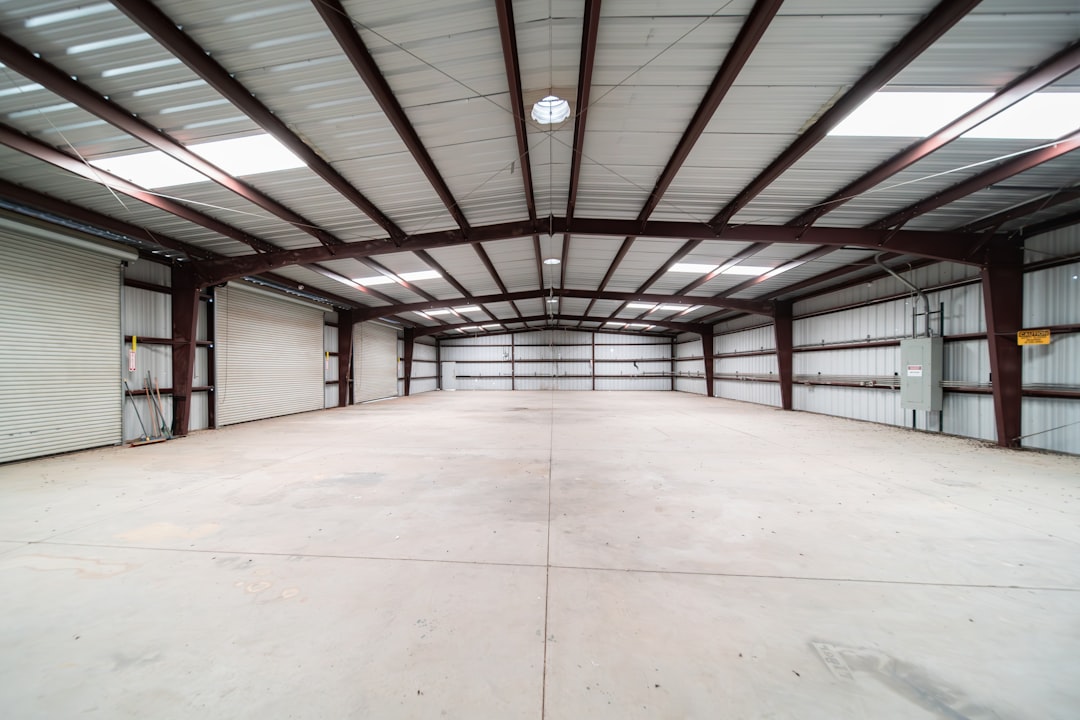
- Warehouse floors, loading docks and car parks, where one camera needs to cover a wide area and still hold detail at the far edge
- Long driveways or laneways where you want to read a number plate, not just confirm a car drove past
- Jobs where fewer, higher-resolution cameras genuinely replace what would otherwise take two or three lower-resolution ones
Why we still default to 8MP anyway
Here’s the honest bit nobody at a shop counter tends to say out loud: on most jobs, the choice of resolution isn’t really what drives the quote. Camera count, cabling and NVR storage do most of the work there.
We standardise on the 8MP TiOC camera as our default because running one resolution across a job keeps stock, NVR licensing and future add-on cameras simple, and because it means one camera can sometimes do a job that would otherwise need two lower-resolution ones. It’s a standardisation call as much as an image-quality one. Fewer camera variants also means faster warranty support if something ever needs swapping, since we’re not hunting for a specific older model. If 6MP genuinely suits your site better, and for plenty of homes and small shops it does, say so up front. We’re just as happy to quote it that way.
If you’re curious how Dahua’s active-deterrence models fit into this, our Dahua TiOC explainer covers that separately. And if you’re still deciding between brands rather than resolutions, our Hikvision vs Dahua comparison is the honest version of that question too.
Is 8MP always sharper than 6MP?
Not automatically. More pixels help most when you need to zoom in after the fact or cover a wide area with one camera. Up close, in good light, 6MP already delivers more detail than most people will ever review. Lens choice and mounting position usually matter more than the extra megapixels.
Does 8MP need more light than 6MP?
Not on this Dahua pair. The old rule of thumb, that more pixels on the same sensor means worse low light, is real on some cameras, but Dahua’s own spec sheets put the 6MP and 8MP TiOC Pro cameras within a hair of each other for minimum illumination and IR range. Night vision isn’t the deciding factor here.
Will 6MP be enough to identify a face or number plate?
Usually yes at close range: a doorway, a short hallway, a till point a few metres from the lens. Further out, like a car park or a long driveway, the extra pixels an 8MP camera captures give you more margin to crop in and still make out useful detail.
Can I mix 6MP and 8MP cameras on the same system?
Generally yes, as long as your recorder has enough channels and bandwidth for the mix, and your storage plan accounts for the heavier 8MP streams. We check both of those as part of the walk-through rather than assuming it’ll just work on whatever NVR is already on site.
Why does Sipko default to 8MP if 6MP can be enough?
Mostly standardisation. One resolution across a job keeps stock and setup simple, and it means fewer cameras can sometimes cover the same ground. It’s not a verdict that 6MP is inferior, and we’ll quote 6MP where it’s the better fit for your site.
Not sure which resolution your property actually needs? Book a free CCTV site assessment and we’ll give you a straight answer, even if that means quoting less than you expected.

