Every other page on this topic says “request a quote”. We publish our numbers. Below are our commercial CCTV installation costs for Melbourne, current as of September 2026, from a single camera through to a 16-camera warehouse with lift hire. We did the storage maths and listed the extras other installers leave off until the first day on site. Every site is different, so read these as honest ranges. Your fixed quote comes after a free walk-through.
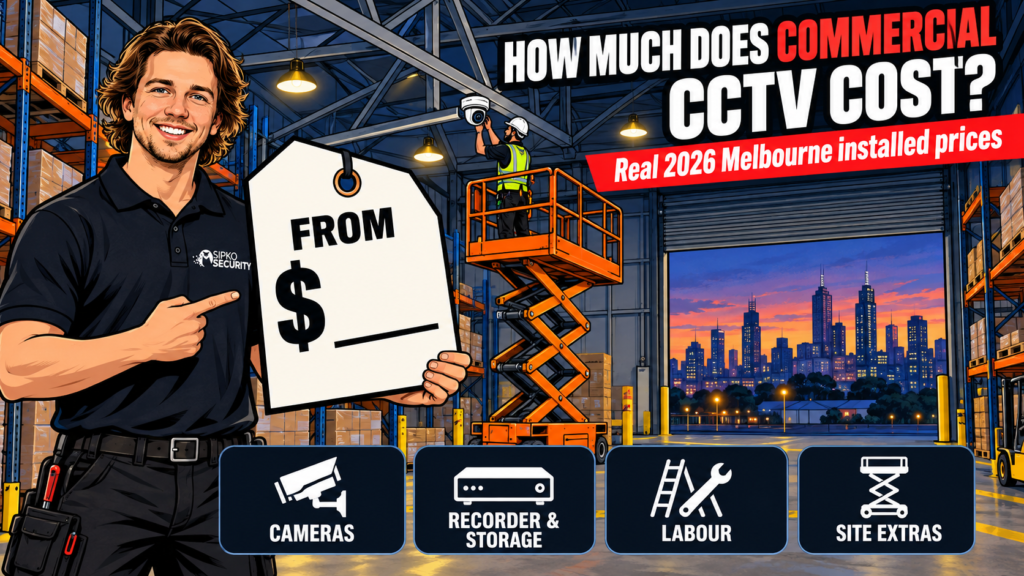
Commercial CCTV in Melbourne costs from $3,990 installed for a 4-camera shopfront, from $7,990 for an 8-camera office, and from $15,900 for a 16-camera warehouse including scissor lift hire, all incl. GST. Adding one camera to an existing system starts at $790 installed. Cameras alone run $210 to $1,000 +GST each depending on tier; labour is $150 to $230 an hour +GST. The full breakdown is below.
- What actually drives the cost of a commercial CCTV system?
- Which camera tier do you need?
- How much do the recorder and storage cost, and how many days of footage do you get?
- How long does installation take, and what does labour cost?
- What are the extras nobody quotes until day one?
- So what does a full commercial CCTV system cost installed?
- What does CCTV cost per month after installation?
- Where do business owners waste money on CCTV?
- FAQ
- Sources
What actually drives the cost of a commercial CCTV system?
Four things. Everything in a quote falls into one of them, and if a quote you have received doesn’t split them out, ask why.
Cameras. The most visible line and, on a small job, the biggest. The price spread is wide: a mainstream 8MP turret with human and vehicle detection costs less than a quarter of an enterprise-grade Taiwanese unit. Which tier you need depends on who is asking for the footage, not on how big the building is.
Recorder and storage. A network video recorder (NVR) with enough channels for today plus a couple spare, and a surveillance-grade hard drive sized for the number of days you need to keep. Most owners under-buy storage and find out when they need footage from last week and the drive has already overwritten it.
Labour. Cable runs, mounting, terminating, commissioning, and configuring the app on your phone. On a shopfront this is a day. On a warehouse it can be five days with two people.
Site extras. Lift hire, conduit, a PoE switch, after-hours work, old-building surprises. These are where “cheap” quotes become expensive invoices, so we give them their own section further down.
Which camera tier do you need?
We install three tiers. Supplied price per camera, before installation, +GST, current September 2026.
| Tier | Camera | What you get | Supplied price (+GST) |
|---|---|---|---|
| 1 – Mainstream | Dahua WizSense 8MP Smart Dual Light turret (DH-IPC-HDW3867EM-S-IL-ANZ) | 8MP, human/vehicle classification, 30 m IR and 30 m warm light, IP67 | $210 |
| 1 – Mainstream | Hikvision AcuSense 8MP turret (DS-2CD2386G2-IU) | 8MP, AcuSense human/vehicle classification, 30 m IR, built-in mic, IP67 | $300 |
| 1 – Mainstream | Uniview OwlView ColorHunter 8MP turret (IPC3628LE-ADF28K-WP) | 8MP, F1.0 lens, full-colour night with 30 m warm light, built-in mic, IP67 | $230 |
| 2 – Premium ecosystem | Ajax TurretCam HL 8MP | 8MP, hybrid IR/white light to 50 m, AI people/vehicle/animal recognition, one app with the Ajax alarm | $740 |
| 3 – Enterprise / non-China | VIVOTEK IT9399-HVW turret | 8MP, 30 m warm light and 40 m IR, AI smart motion detection, Taiwanese-made | $1,000 |
Two variants worth knowing about in Tier 1: fixed-lens 6MP units run $170 to $250 +GST and are fine for most interiors, and motorised-zoom versions (2.7 to 13.5 mm) run $380 to $520 +GST. We use the zoom ones on driveways and yards where the distance needs dialling in after the camera is up.
Tier 1: the value pick for most shops and offices
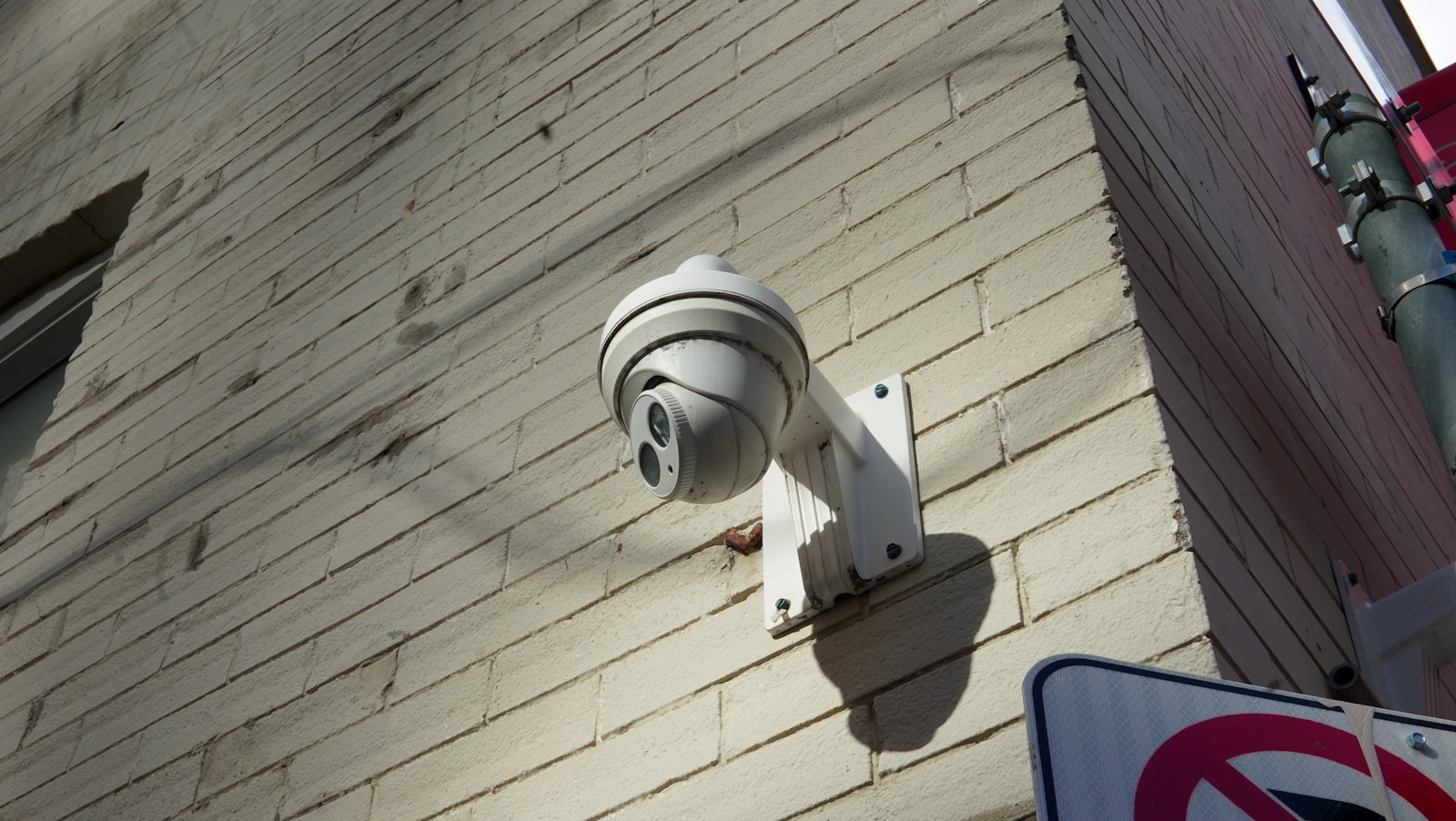
The Dahua and Hikvision units classify what triggered the alert, so you get a notification when a person walks up to the back door at 2 am and nothing when a cat does. Dahua lists its WizSense 3 Series tripwire and intrusion functions as human and vehicle only, and Hikvision’s AcuSense does the same job under a different name. The Uniview OwlView is the one we reach for when colour at night matters more than the detection features: its F1.0 lens and always-on warm light keep the picture in colour all night, where the Dahua sits in infrared black and white until its detection triggers the warm light. This tier covers most of the commercial jobs we quote.
Tier 2: cameras, alarm and app in one system
The Ajax TurretCam HL costs more than three Dahuas. What you are paying for is that it sits inside the same Ajax system as your intrusion alarm, so an alarm event arrives on your phone with the photo attached rather than as a siren plus a separate camera app to open. If you already have, or are about to install, an Ajax alarm, this tier is the sensible one. If you only want cameras, it usually isn’t. Our Ajax catalogue lists the rest of the range.
Tier 3: when someone else specifies the hardware
The VIVOTEK IT9399-HVW is Taiwanese-made. Some insurers, government-adjacent tenancies and company boards specify non-Chinese hardware, sometimes by reference to the US NDAA rules. If a document like that lands on your desk, this is the tier that satisfies it. Most small businesses don’t need it, and we will say so if you ask. You should know it exists and that we install it.
How much do the recorder and storage cost, and how many days of footage do you get?
| Item | Supplied price (+GST) |
|---|---|
| 8-channel PoE NVR | $290–$450 |
| 16-channel PoE NVR | $490–$750 |
| 32-channel PoE NVR | $900–$1,400 |
| Surveillance-grade hard drive, 4TB | $350 |
| Surveillance-grade hard drive, 8TB | $620 |
| Surveillance-grade hard drive, 12TB | $990 |
Surveillance drive prices have risen sharply over the two years we have been tracking them. Storage is now a bigger share of system cost than most guides admit, which is one more reason we size drives on the walk-through instead of overselling terabytes.
How long a drive lasts before it overwrites depends on one setting: the bit rate each camera records at. The arithmetic is fixed. One megabit per second, recorded continuously, writes 10.8 GB a day. An 8MP Dahua in the table above can be set anywhere from 3 kbps to 16,384 kbps for its main stream, according to Dahua’s own specification. At the absolute top of that range, one camera fills 173 GB a day and a 4TB drive holds about 23 camera-days. We don’t run cameras anywhere near that setting.
On our installs we set 8MP H.265 main streams to 4 Mbps, which is 43.2 GB per camera per day. That puts a 4TB drive at about three weeks of continuous footage for four cameras and about 11 days for eight, which is why our 8-camera systems get an 8TB drive and 16-camera systems start at 12TB. Switching from continuous to event-based recording (only when a person or vehicle is detected) stretches that a long way, but by how much depends on how busy your site is, so we size the drive on the walk-through rather than guess it here.
How long does installation take, and what does labour cost?
| Site | Cameras | Typical time on site |
|---|---|---|
| Small shopfront | 4 | About 6 hours, 1 day |
| Office | 6–10 | 12–14 hours, 1–2 days |
| Large commercial / warehouse | 12–24 | 24–28 hours across 3–5 days, sometimes a two-person crew |
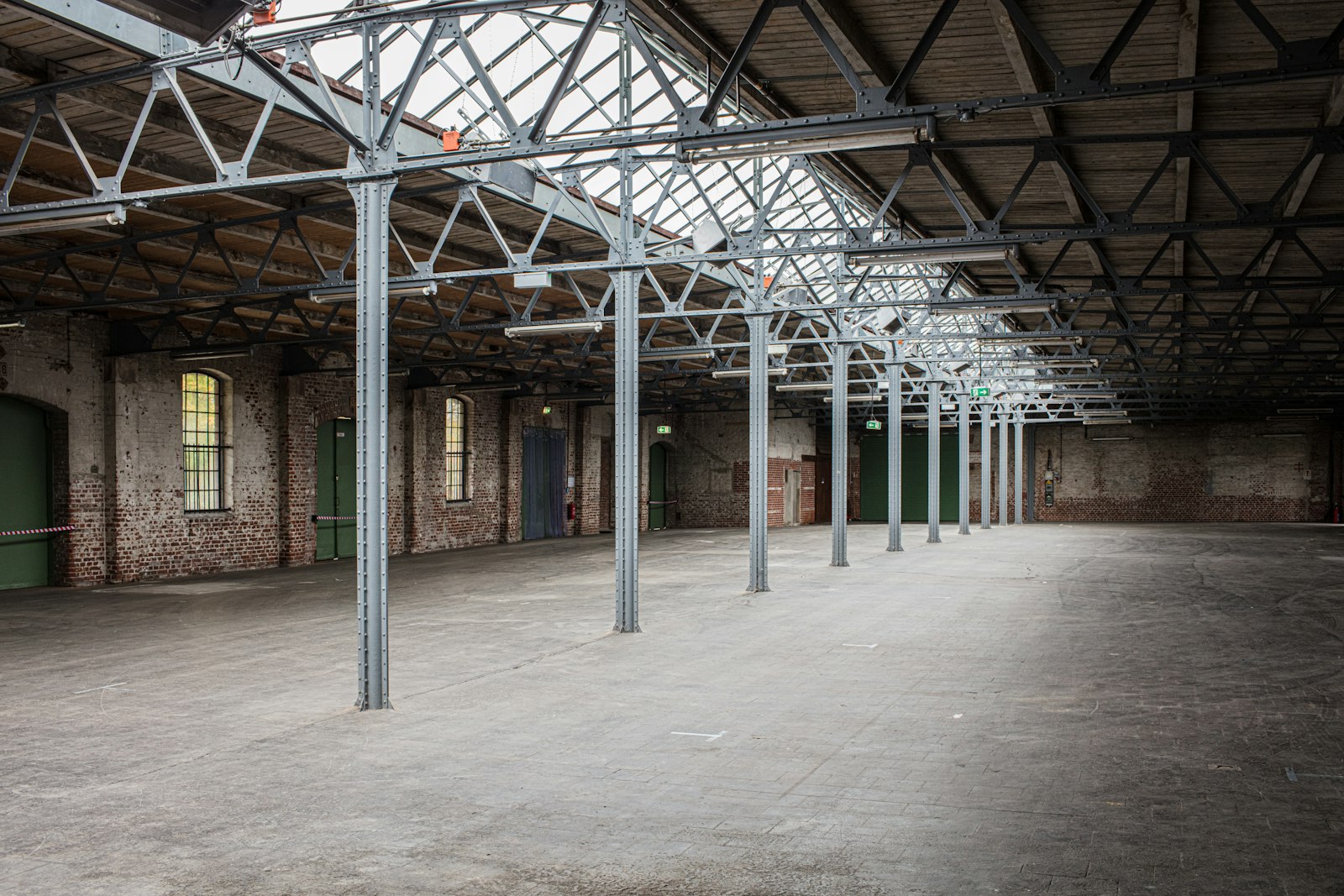
The warehouse row is the one that surprises people. Twelve cameras is only three times four, but the job takes four times as long, and the reasons have nothing to do with the cameras. Serhii, who does most of our warehouse installs, puts it this way:
On a warehouse the cameras are the easy part. The day is really about the scissor lift – set up, drive, raise, mount, lower, move, again sixteen times – and cable runs through the roof trusses that are three times longer than anyone expects. And the business keeps trading around you, so you work bay by bay between the forklifts. That’s why sixteen cameras isn’t four times a four-camera job – it’s a different job.
Serhii, Sipko Security
Service callouts on an existing system are priced separately: $270 +GST for the first hour, then $150 an hour. That covers a dead camera, a recorder that stopped recording, or a drive swap.
What are the extras nobody quotes until day one?
We list every one of these in the quote up front. The horror stories you have heard about CCTV installs come from installers who don’t.
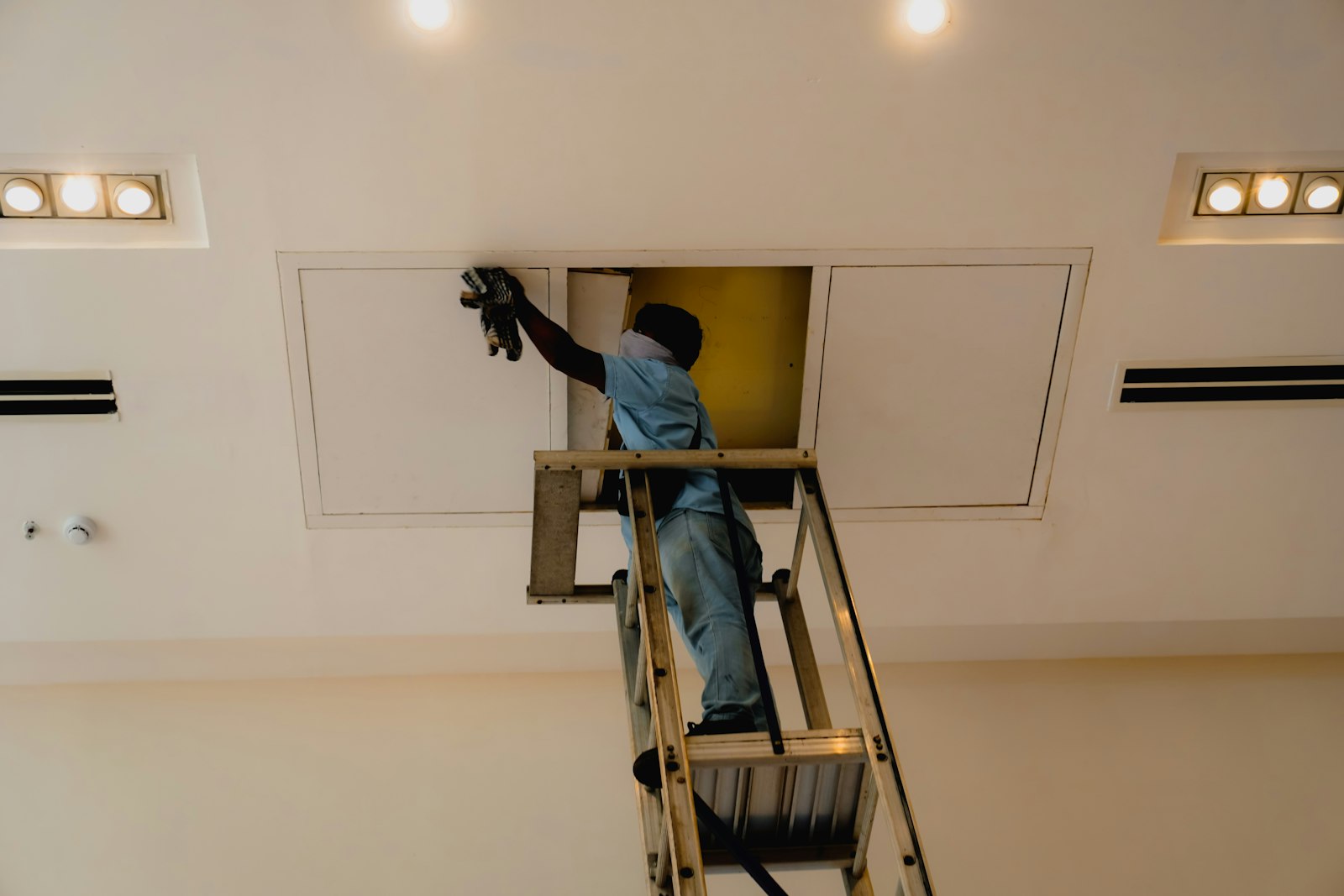
- Scissor lift hire: a 19ft electric is $450–$650 a day delivered. Most warehouses with 8–10 m trusses need a 26ft electric at $550–$800 a day delivered; multi-day hires are cheaper per day. Any ceiling above about 4 m needs one. Under WorkSafe rules a high-risk work licence is only required for boom lifts with a boom of 11 m or more, so scissor lifts don’t need one, but operators still have to be trained. We only put trained operators on them, and the hire appears as its own line in the quote before you sign.
- Long cable runs and conduit: Cat6 runs beyond 30 m are charged extra. External conduit for cameras on a fence line or a detached shed is from $25 a metre; trenching is quoted per site.
- PoE network switch for 8 or more cameras: $350 for a 16-port switch, supplied and configured. A recorder’s built-in PoE ports are usually the limit on bigger systems; a separate switch removes it.
- 4G failover router: $290–$450 plus a SIM from $15 a month, so alerts still reach you when the NBN drops.
- UPS battery backup for the recorder: $180–$320.
- Live-view monitor at the counter: $190–$350 installed.
- After-hours installation: +20% on labour, fixed in the quote up front. For retail that can’t close, we install evenings or Sundays. The surcharge is a fraction of what a closed trading day costs.
- Takeover of an existing system: from $890 installed for a new recorder, with your existing cameras reused where they are worth keeping.
- Old-building surprises: ceilings from the asbestos era get checked before anyone drills, and heritage facades need the owner’s or council’s permission before a single bracket goes on. Neither is a big cost. Both are a big delay if nobody asked in advance.
So what does a full commercial CCTV system cost installed?
Everything above rolled into one figure per site type. This table is incl. GST so you can drop it straight into a budget. Each row uses Tier 1 cameras; add the per-camera difference from the tier table if you want Ajax or VIVOTEK.
| Site | From (installed, incl. GST) | What’s included | Timeline |
|---|---|---|---|
| Shopfront, 4 cameras | $3,990 | 4 × Tier 1 8MP cameras, 8ch NVR, 4TB surveillance HDD, cabling, mounting, app set-up | 1 day |
| Office, 8 cameras | $7,990 | 8 × Tier 1 8MP cameras, 16ch NVR, 8TB surveillance HDD, PoE switch, cabling, app set-up | 1–2 days |
| Warehouse, 16 cameras | $15,900 | 16 × Tier 1 8MP cameras, 16ch NVR, 12TB surveillance HDD, PoE switch, long runs, 26ft scissor lift hire, app set-up | 3–5 days |
| Single camera added to an existing system | $790 | 1 × Tier 1 8MP camera, cabling to the existing recorder, configured in the app | Half a day |
If you run a warehouse, our warehouse security page covers the camera layout side; for offices and shops, start with business security systems. Home systems are priced separately on our general CCTV cost page.
What does CCTV cost per month after installation?
Nothing, unless you want it to. None of the hardware in this article carries a mandatory subscription: the cameras, recorder and app work on your own network with no monthly fee, and the footage stays on your drive. Two things are optional. Professional monitoring, where a control room responds to verified alerts, is $49 to $99 a month with no lock-in contract. An annual health check (drive test, lens clean, firmware update) is $190. Half the people who search for CCTV cost are really asking about ongoing fees, so that is the answer: zero by default, and two things you can add.
Where do business owners waste money on CCTV?
Buying 4K everywhere instead of the right lens. Resolution doesn’t fix a lens pointed at the wrong distance. Dahua’s own DORI figures for the 8MP turret above put the “identify a face” distance at 8.5 m with the 2.8 mm lens and 9.9 m with the 3.6 mm. Past that, you can see a person, not who they are. The fix is choosing the lens and mounting position per camera, not buying a higher number on the box. We do that on the walk-through.
Cheap hard drives. A recorder writes to its drive every second it is on. We only fit drives that the manufacturer rates for 24/7 surveillance recording, and we price them as a separate line so you can see it. Saving on the drive is saving on the one component whose failure loses everything.
Cameras with no plan for what happens after hours. Footage of a break-in is evidence. It doesn’t stop the break-in. Human and vehicle detection is only useful if the alert goes to someone who will act on it. Our monitoring plans run $49 to $99 a month with no lock-in contract, and for most sites that is cheaper than adding two more cameras that also record the theft.
FAQ
How much does one commercial CCTV camera cost installed in Melbourne?
Added to an existing system, from $790 installed incl. GST: a Tier 1 8MP camera, the cable run back to your recorder, and set-up in the app. Underneath that figure the camera is $210 to $1,000 +GST depending on tier and labour is $150 to $230 an hour +GST. A first camera costs more than that because it also needs a recorder, a drive and a switch, which is why the money table above prices whole systems rather than single cameras.
Are 4 cameras enough for a shop?
For a single-fronted shop, usually yes: one on the entry at face height, one over the counter and till, one covering the shop floor, one on the back door or stockroom. Where four falls short is a shop with a rear car park, a side lane or a second storey, each of which is its own camera. We would rather tell you that on the walk-through than sell you a fifth camera you don’t need.
Dahua vs Hikvision vs a premium camera: what is the real difference?
Between Dahua and Hikvision at the 8MP tier, in day-to-day use, very little. Both classify people and vehicles, both have 30 m night illumination, and the $90 gap between them is mostly which platform you or your IT person already know. The premium step to Ajax buys you one app for alarm and cameras. The step to VIVOTEK buys you country-of-origin compliance. Neither buys you a sharper picture at midday.
Do I need a scissor lift, and who pays for it?
If your ceiling is above about 4 m, yes. We won’t put a technician on a ladder to mount a camera in a truss at that height. You pay for the hire, $450 to $800 a day +GST depending on the platform height, and it appears as its own line in our quote before you sign. If you already have a lift on site with a ticketed operator, tell us and the line comes off.
Is commercial CCTV tax-deductible?
Generally, security equipment bought for a business is a depreciating asset you can claim. Under the ATO’s $20,000 instant asset write-off, now permanent from 1 July 2026, businesses with aggregated turnover under $10 million can deduct the full cost of each eligible asset under $20,000 in the year it is installed and ready for use. Whether a whole system counts as one asset or several is exactly the kind of question for your accountant. We install cameras, not tax returns.
Sources
- Dahua IPC-HDW3867EM-S-IL-ANZ specification
- Hikvision AcuSense technology
- Uniview IPC3628LE-ADF28K-WP specification
- Ajax TurretCam HL
- VIVOTEK IT9399-HVW specification
- ATO: $20,000 instant asset write-off
Prices current September 2026, reviewed quarterly. Final fixed quote after a free site walk-through.
Most of the quotes above are for a single system. If you are coordinating security system installation across CCTV, alarms and access control together, bundling the work into one visit usually costs less than three separate call-outs.
Want a fixed quote? Book a free site walk-through.