
Grade 3 is an important security classification for intrusion alarm systems used at medium-to-high-risk premises. It is also easy to misunderstand. A Grade 3 system is not simply a more expensive version of a conventional alarm, and the presence of one Grade 3 detector does not determine the grade of the complete installation.
Grade 3 forms part of the EN 50131 framework for intrusion and hold-up alarm systems. The standard looks beyond basic detection and considers the capability of an intruder who may deliberately attempt to interfere with detectors, communications, power or other parts of the alarm system.
Ajax now offers dedicated wireless Superior G3 equipment as well as selected wired Fibra devices intended for Grade 3 applications. That creates new options for professional security design, but it does not mean that every Ajax system, every Ajax device or every installation automatically qualifies as Grade 3.
The central point is simple: Grade 3 is a system-level security requirement. The hub, detectors, communications, supervision settings, backup power, authentication and alarm transmission all matter. One Grade 3-labelled product does not make the complete installation Grade 3.

What Does Grade 3 Mean in an Alarm System?
EN 50131 is a European standards series covering intrusion and hold-up alarm systems installed in buildings. The framework uses four security grades. The grades reflect both the risk associated with the protected premises and the level of knowledge, preparation and equipment that may be available to a potential intruder.
Low risk. Intended for situations where an intruder is expected to have limited knowledge of alarm systems and access mainly to basic tools.
Low to medium risk. Assumes some knowledge of intrusion alarm systems and access to a broader range of commonly available tools.
Medium to high risk. Assumes an intruder may understand alarm technology and have access to a comprehensive range of tools and portable electronic equipment.
High risk. Intended for the most demanding applications where attackers may have extensive capability, specialist resources and detailed knowledge of security systems.
Grade 3 therefore goes beyond asking whether a detector can notice movement or a door opening. The alarm architecture must also consider deliberate attempts to prevent the system from operating normally.
- Detector masking.
- Tampering with alarm components.
- Radio interference or jamming.
- Loss of communication with field devices.
- Failure of alarm transmission paths.
- Backup power capacity.
- User authentication.
- System fault supervision.
- Controlled restoration after specified faults or tamper events.
Is Every Ajax Alarm a Grade 3 System?
No. Ajax has a broad ecosystem of equipment designed for different applications and security requirements. Standard Jeweller equipment should not automatically be described as Grade 3 simply because it is made by Ajax.
Ajax maintains a dedicated family of wireless Grade 3 products built around the Superior G3 platform. Selected wired Fibra devices are also documented for Grade 3 applications.
The exact combination matters. Ajax states that introducing a regular Jeweller device that prevents the required Superior Jeweller frequency-hopping functionality can limit the relevant wireless system to Grade 2 rather than Grade 3.
If Grade 3 is required, the complete device list and configuration need to be checked. The grade cannot be determined from the hub, keypad or one detector model in isolation.
Ajax Wireless Grade 3 Architecture
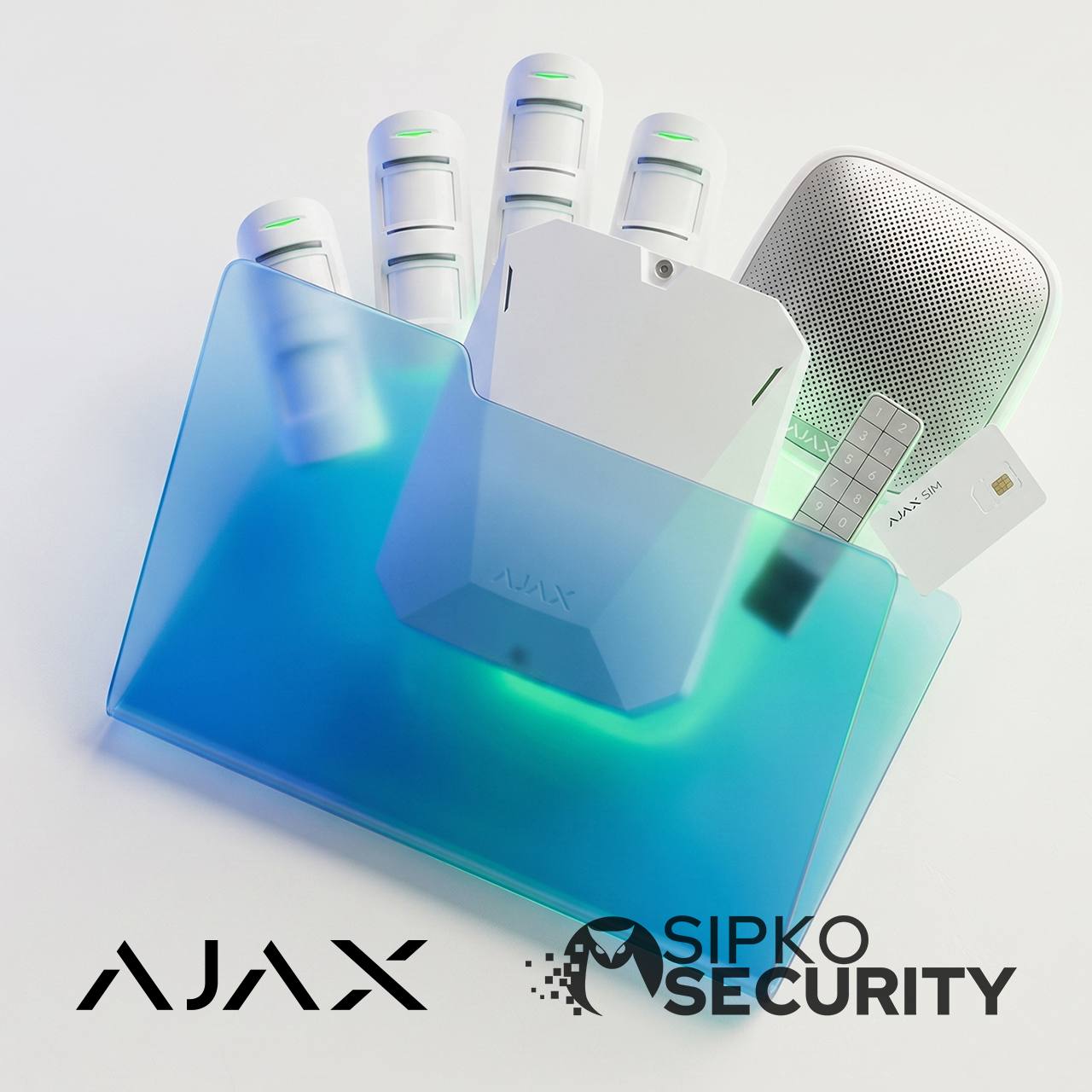
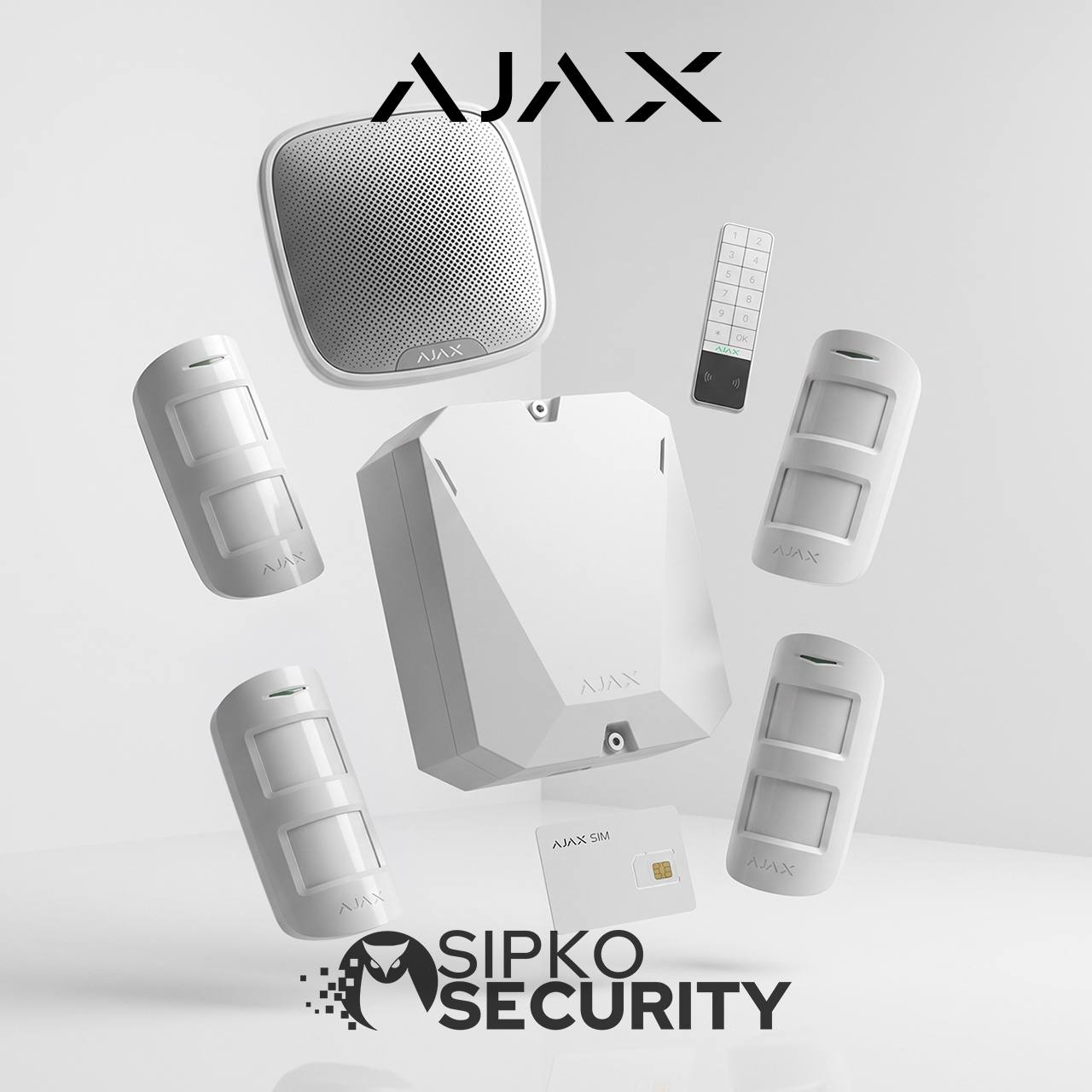
The wireless Grade 3 platform is built around Superior Hub G3 Jeweller and compatible Superior G3 devices. The hub supports multiple communication channels, including Ethernet, Wi-Fi and cellular connections, while compatible field devices use the Superior Jeweller radio protocol.
Superior Hub G3 Jeweller
Controls the alarm system, supervises connected equipment and manages communication with external services.
Superior MotionProtect G3 Jeweller
Provides PIR movement detection with protection functions intended for higher-security applications.
Superior DoorProtect G3 Jeweller
Provides protection for doors, windows and other suitable openings.
Superior MotionCam G3 series
Combines intrusion detection with photographic alarm verification where supported by the selected model and system configuration.
Superior Grade 3 keypads
Provide authenticated user control of security modes and system areas.
Superior G3 sirens
Provide internal or external audible alarm indication.
Superior ReX G3 Jeweller
Extends radio coverage for compatible Grade 3 wireless equipment.
Superior MultiTransmitter G3 Jeweller
Allows appropriate third-party wired alarm devices to be integrated into the Ajax environment.
Wireless Grade 3 can be useful where installation of new alarm cabling would cause significant disruption. That does not make wireless architecture universally preferable. Building materials, radio conditions, distances, detector requirements and system size still need to be assessed first.
Why Frequency Hopping Matters
Radio communication is a critical consideration when a wireless alarm is intended for a higher-risk site. A prepared attacker may attempt to interfere with communications rather than physically approaching every detector.
Superior Jeweller uses enhanced encryption and frequency hopping with compatible equipment. Instead of depending continuously on one radio channel, compatible devices and the hub can coordinate changes in operating frequency.
Encryption helps protect communication against unauthorised reading or manipulation.
Frequency hopping and radio-interference detection address attempts to disrupt the availability of wireless communication.
These functions solve different problems, and both become relevant when an alarm is expected to withstand deliberate interference.
Grade 3 Requires Continuous System Supervision
Higher security does not come from detector sensitivity alone. The alarm must also monitor whether its components remain available and whether important parts of the system are operating normally.
Ajax’s EN 50131 configuration guidance includes settings covering communication supervision, system integrity, radio interference, arming, keypad protection, fault handling and restoration procedures.
For Grade 3 configurations, Ajax documents settings intended to detect loss of communication with a protected device within 100 seconds.
- System integrity checks before arming.
- Supervision of communication between the hub and devices.
- Monitoring of hub connectivity.
- Advanced radio-interference detection.
- Defined entry and exit behaviour.
- Protection against repeated keypad code attempts.
- Event logging.
- Restricted restoration following specified faults and tamper alarms.
- Appropriate siren configuration.
Ajax’s Grade 3-oriented configuration guidance also specifies five- or six-digit keypad codes for the relevant configuration and restricts restoration after specified tamper alarms and faults to an authorised PRO user.
Backup Power Is Part of Grade 3 Design
A higher-risk alarm also has to remain useful when mains power is unavailable. Backup capacity therefore becomes part of the design rather than an afterthought.
Ajax’s EN 50131 configuration guidance specifies at least 60 hours of standby operation for Grade 3 for the relevant system configuration.
The actual power calculation depends on the hub, installed devices, communication modules and system load. Wired Fibra installations also require the power consumption of field devices and cable runs to be calculated rather than assumed.
Ajax also states that enabling Battery power saver mode on Superior Hub G3 Jeweller means the system no longer complies with EN 50131 Grade 2 or Grade 3 requirements. Power-saving settings therefore have to be considered as part of the required security grade.
Grade 3 Settings Can Reduce Maximum Device Capacity
Maximum device counts need to be read together with the supervision settings used in the actual installation.
Superior Hub G3 Jeweller can support up to 250 wireless Ajax devices in general configurations. Grade 3 requires more intensive supervision, which changes how many devices can remain within the required connection-loss detection time.
Ajax gives this as a Grade 3 example when using a 24-second polling interval.
Ajax gives this as a Grade 3 example when using a 12-second polling interval.
Both examples are intended to keep loss-of-connection detection within the 100-second requirement. For larger sites, radio architecture, supervision intervals and device count therefore have to be planned together.
Wired Ajax Grade 3 Equipment with Fibra
Ajax Grade 3 is not limited to wireless equipment. Selected Fibra devices provide wired detection where existing cabling, building design or the protected area makes a wired device more appropriate.
Superior MotionProtect G3 Fibra
A wired PIR movement detector with anti-masking functionality. Anti-masking is relevant to higher-security environments because it can identify attempts to obstruct the detector’s normal field of detection.
Superior MotionProtect Plus G3 Fibra
Combines PIR detection with a K-band microwave sensor. The second detection technology can help provide more robust movement assessment in suitable environments.
Superior DoorProtect G3 Fibra
Provides wired opening protection together with functions associated with shock, tilt and attempts to interfere with magnetic detection.
Superior SeismoProtect G3 Fibra
Designed to detect vibration and mechanical attack against a protected structure or object. Seismic detection may be relevant to safes, protected enclosures and other assets where drilling, cutting or impact is part of the assessed threat.
Where Is Grade 3 Security Relevant?
Grade 3 is not automatically required simply because a property is commercial. Two warehouses, shops or offices can have completely different security risks.
The classification becomes more relevant where intrusion may be planned, valuable assets are particularly attractive to offenders or deliberate attempts to interfere with the alarm are considered credible.
- High-value stock.
- Jewellery or luxury goods.
- Valuable electronics or technical equipment.
- Controlled or sensitive inventory.
- High-value storage rooms.
- Safes or protected containers.
- Sensitive operational or commercial assets.
- Assets subject to insurer-defined security requirements.
Jewellery retailers, specialised warehouses, technical facilities and some other higher-risk businesses may therefore need a Grade 3 assessment. The business category alone does not determine the required grade.
Grade 3 Does Not Replace Physical Security
An advanced intrusion alarm cannot compensate for an easily defeated door, weak lock, vulnerable wall or poor control of keys and access credentials.
A higher-risk security assessment should consider how electronic detection works together with the physical building and normal operating procedures.
- Doors and locking hardware.
- Windows and glazing.
- Roller shutters.
- Safe and storage protection.
- Staff access procedures.
- Opening and closing responsibilities.
- Professional alarm monitoring.
- Video surveillance where it serves a defined purpose.
Grade 3 and Central Monitoring
Detecting an alarm event is only the first stage. A professional system also needs a defined method for transmitting and managing intrusion alarms, tamper events, technical faults and communication failures.
Ajax’s EN 50131 configuration guidance requires the Ajax system to be connected to a Central Monitoring Station (CMS) through Ajax Cloud when the installation is being configured according to that guidance.
- Which alarm events are transmitted.
- How intrusion alarms are verified where verification is used.
- How tamper events are handled.
- Who receives technical fault information.
- What happens when a communication channel fails.
- Which users are responsible for opening and closing.
- How individual areas are armed and disarmed.
- How hold-up or duress events are handled where relevant.
The CMS requirement in Ajax’s EN 50131 guidance should not be confused with the separate rules governing police response to monitored alarms in Victoria.
Grade 3, Victoria Police and Australian Requirements
EN 50131 Grade 3 does not automatically guarantee police attendance in Victoria. Victoria Police has separate arrangements governing monitoring companies and requests for police response.
The Victoria Police Alpha Code framework applies to licensed and graded monitoring companies requesting attendance for qualifying Category A alarm events. The security grade of an alarm and the process for requesting police response are therefore separate matters.
EN 50131 itself is a European standard. Certification against EN 50131 provides technical information about the intended performance of intrusion equipment, but it should not be presented as automatic compliance with all Australian or Victorian requirements.
Technical question: What level of protection can the proposed alarm equipment and complete design provide?
Local compliance question: What Australian, Victorian, monitoring, insurer and site-specific requirements apply to the property?
What EN 50131 Grade 3 Does Not Cover
It does not automatically apply to CCTV
EN 50131 Grade 3 concerns intrusion and hold-up alarm systems. Cameras can support verification, remote review and recorded evidence, but CCTV should not be described as Grade 3 simply because it operates alongside a Grade 3 intrusion system.
It is not a fire alarm classification
Fire detection and life-safety systems are subject to separate standards and requirements. The Grade 3 classification applied to intrusion equipment should not be extended to unrelated fire functions.
A certified device does not certify the whole installation
Incompatible devices, unsuitable communication paths, incorrect supervision settings, inadequate power arrangements or inappropriate configuration can prevent the complete installation from achieving the intended grade.
Advantages and Limitations of Ajax Grade 3
Ajax Grade 3 gives system designers more options, particularly where a higher-risk site cannot easily accommodate extensive new alarm cabling. It also introduces stricter design conditions.
Potential advantages
- Dedicated wireless Grade 3 architecture.
- Anti-masking capability on relevant detectors.
- Frequency hopping and enhanced radio-interference detection.
- Wired Fibra Grade 3 options.
- Different detection methods for movement, openings and physical attack.
Design considerations
- Compatible Grade 3 equipment needs to be selected carefully.
- Short supervision intervals can reduce practical device capacity.
- Backup power has to be calculated for the required operating period.
- Professional configuration of security parameters is required.
- Communication and monitoring architecture needs to be planned correctly.
- User permissions and restoration procedures require tighter control.
- Integrating lower-grade or third-party equipment requires careful assessment.
These are not reasons to avoid Grade 3. They are the practical consequences of stronger supervision and greater resistance to deliberate interference.
Do You Actually Need Grade 3?
Many homes, offices, retail premises and ordinary commercial properties do not automatically require Grade 3 protection. A professionally designed alarm at another appropriate security grade may already match the risk.
The useful starting point is the threat profile rather than the equipment catalogue.
- What assets are kept at the premises?
- How attractive are they to a planned burglary?
- Is the likely threat opportunistic or targeted?
- Could an intruder reasonably attempt to jam or sabotage the alarm?
- Is detector masking a credible attack method?
- Are there safes or high-value storage areas?
- Is professional monitoring required?
- Has an insurer specified security conditions?
- Does the client require a documented security grade?
- Does the physical security of the building support the intended alarm design?
Grade 3 makes sense when it answers a real security requirement. Selecting the highest available grade without a corresponding threat can add complexity without providing a proportionate benefit.
Planning an Ajax Security System in Melbourne
System design should begin with the property rather than with a predefined list of Ajax devices. Entrances, glazing, internal movement paths, high-value areas, existing cabling, radio conditions, communication services, backup power, staff responsibilities and monitoring requirements all affect the final architecture.
A conventional Ajax installation may suit one property. A higher-risk site may require selected Superior G3 devices, wired Fibra equipment or a combination chosen around the building and threat profile.
SIPKO provides further information about system design, new installations, replacement of older alarm equipment and takeover of existing Ajax systems on its Ajax alarm system installation in Melbourne page.
Frequently Asked Questions About Ajax Grade 3
Which Ajax products support EN 50131 Grade 3?
Ajax has a dedicated wireless Superior G3 range and selected wired Fibra G3 devices documented for Grade 3 applications. The range includes hubs, movement detectors, opening detectors, keypads, sirens, range extenders and specialised detection equipment. Certification should be checked for the exact model being specified.
Can an Ajax wireless alarm achieve Grade 3?
Yes. Ajax provides a wireless Grade 3 architecture based around Superior Hub G3 Jeweller and compatible Superior G3 devices. The required equipment and configuration have to be maintained throughout the relevant Grade 3 wireless system.
Can mixing Grade 2 and Grade 3 Ajax devices reduce the system grade?
Yes. Ajax states that adding regular Jeweller equipment that prevents the required Superior Jeweller frequency-hopping functionality can limit the relevant wireless configuration to Grade 2.
How quickly must a Grade 3 Ajax system detect a lost device?
Ajax documents Grade 3 supervision configurations intended to identify loss of communication with a protected device within 100 seconds. Polling intervals and device count therefore need to be planned together.
Does Grade 3 affect Ajax hub device capacity?
It can. Superior Hub G3 Jeweller supports up to 250 wireless Ajax devices in general configurations, while Ajax gives Grade 3 examples of up to 79 devices at a 24-second polling interval or up to 39 devices at a 12-second interval.
Does Ajax Grade 3 require backup power?
Yes. Power continuity forms part of Grade 3 planning. Ajax’s EN 50131 configuration guidance specifies at least 60 hours of standby operation for the relevant Grade 3 configuration.
Is Grade 3 required for every commercial alarm?
No. Grade 3 is associated with medium-to-high-risk environments. The required grade should follow the site’s threat profile, assets, insurer conditions and other applicable requirements rather than commercial occupancy alone.
Does Ajax offer wired Grade 3 equipment?
Yes. Ajax documents selected Fibra devices for Grade 3 applications, including movement, opening and seismic detection equipment.
Does EN 50131 Grade 3 automatically satisfy Australian requirements?
No. EN 50131 is a European intrusion and hold-up alarm standard. Australian standards, Victorian private security requirements, monitoring arrangements, insurer requirements and site-specific obligations need to be assessed separately.
Does Grade 3 apply to Ajax cameras?
EN 50131 Grade 3 relates to intrusion and hold-up alarm systems. Cameras can support verification and incident review, but CCTV should not be described as Grade 3 merely because it operates alongside a Grade 3 intrusion alarm.
What Ajax Grade 3 Means for System Design
Ajax Grade 3 expands the options available for professional intrusion protection. Dedicated Superior G3 wireless devices can support higher-security projects where extensive new cabling would be difficult, while Fibra products retain the option of wired Grade 3 detection.
The engineering requirements are more important than the label on any individual product. The hub, detectors, radio communication, wired infrastructure, supervision intervals, backup power, user authentication, monitoring and commissioning need to work as a coherent system.
For a higher-risk commercial property, Grade 3 may be an appropriate security level when the threat assessment justifies it. For a lower-risk site, a simpler professionally designed alarm may be the more proportionate solution.
Technical Sources
-
Ajax Systems — Wireless Grade 3 devices
https://support.ajax.systems/en/wireless-grade-3-devices/ -
Ajax Systems — Superior Hub G3 Jeweller
https://support.ajax.systems/en/manuals/superior-hub-g3-jeweller/ -
Ajax Systems — Superior MotionProtect G3 Jeweller
https://support.ajax.systems/en/manuals/superior-motionprotect-g3-jeweller/ -
Ajax Systems — EN 50131 configuration requirements
https://support.ajax.systems/en/configure-according-en-requirements/ -
Ajax Systems — Advanced encryption and frequency hopping in Superior Jeweller
https://support.ajax.systems/en/advanced-encryption-and-frequency-hopping-in-superior-jeweller/ -
Ajax Systems — Superior DoorProtect G3 Fibra
https://support.ajax.systems/en/manuals/superior-doorprotect-g3-fibra/ -
Ajax Systems — Superior MotionProtect G3 Fibra
https://support.ajax.systems/manuals/superior-motionprotect-g3-fibra/ -
British Standards Institution — EN 50131-1 Intrusion and Hold-up Systems
https://shop-checkout.bsigroup.com/products/alarm-systems-intrusion-and-hold-up-systems-system-requirements_hard-copy -
Victoria Police — Private security
https://www.police.vic.gov.au/private-security -
Victoria Police — Alpha Code and alarm responses
https://www.police.vic.gov.au/alpha-code-and-alarm-responses

