
Security Camera Installation in Hampton for a Suburb That Never Stops Renovating
Hampton has one of the highest owner-occupier rates of any suburb in Bayside — the kind of suburb where people know their neighbours by name, where long-term residents have watched the same streets evolve over a decade, and where the Hampton Street strip is more daily routine than destination. It is also one of the most consistently active renovation and knockdown-rebuild suburbs in Melbourne's inner south. Almost every block on almost every street in Hampton either has been recently rebuilt, is currently being rebuilt, or has a neighbour in the process of doing so. The Edwardian houses and California Bungalows that define the suburb's character have largely been picked over — renovated, extended, rebuilt or replaced — and the cycle continues.
This creates a specific problem for security camera planning. The usual assumption behind residential CCTV — that a resident knows who belongs on their street, and that an unfamiliar face or vehicle is a useful signal — starts to break down when a knockdown-rebuild two doors down means a different crew of tradespeople is parking outside every morning for six months. The white van that's been there since Tuesday might belong to the concreters for the slab next door, or it might not. In a suburb where building activity is the background rather than the exception, recognising what belongs and what doesn't is harder than it sounds.
SIPKO Security provides security camera installation in Hampton for properties across the suburb's full housing range — from original Edwardian and Federation homes to newly built custom houses on rebuilt blocks — with coverage planned around each property's specific situation rather than a default residential template.

CCTV Installation in Hampton
Home security camera installation in Hampton starts with understanding what kind of street activity a property is actually dealing with. For a property on a block that's been stable for a decade — long-term neighbours, no active construction nearby — the considerations are close to a standard residential install. For a property adjacent to an active knockdown-rebuild, or on a street with multiple projects running simultaneously, the context is different. The familiar logic of knowing who belongs on the street no longer works as a filter, and a camera system that captures what's actually happening near the property becomes more useful than relying on neighbourhood familiarity alone.
Security camera system installation in Hampton also looks different depending on the age and configuration of the property. The California Bungalows and Edwardian houses that make up much of Hampton's original housing stock have wide eaves, timber construction and heritage-sensitive facades that affect where cameras can be mounted and how cables are routed. A newly built custom home on a rebuilt block presents the opposite set of conditions — modern construction, clean eave lines, purpose-designed cable access — but may sit next to an original bungalow that's about to go through its own rebuild cycle. Planning camera coverage on a street in active transition requires accounting for both.
For properties along Beach Road and the foreshore-facing streets near Hampton Beach, the considerations shift again. These properties see considerably more foot traffic than the inland residential streets — the foreshore corridor, the surf lifesaving club, Nippers in the warmer months, and the general draw of the beach from Picnic Point north toward Brighton all bring regular movement along Beach Road and the streets that connect to it. For a property with foreshore or Beach Road exposure, the side that matters most for camera coverage is often the one facing that movement, rather than the quieter residential street at the rear.
What these different property situations share is a need for coverage that reflects actual conditions — not a generic front-door-and-driveway setup applied to a suburb where the relevant activity is often coming from the side of the property facing the renovation site or the foreshore path, rather than the front gate. CCTV installation in Hampton planned around the specific property and its current street context tends to be considerably more useful than a standard system installed without reference to what's actually happening on the block.
Security Camera Systems & CCTV Solutions for Hampton Properties
Hampton's housing mix is more varied than it appears from the street. California Bungalows and Edwardian homes sit alongside newly completed custom builds and partially demolished sites, often within the same block. The suburb's renovation cycle is ongoing rather than episodic — at any given time, a meaningful proportion of Hampton's residential streets are dealing with active construction on at least one property. A security camera system that accounts for this is different from one planned for a stable, unchanged suburban street.
What most Hampton properties have in common is an owner who has invested significantly in the property and intends to stay — the suburb's owner-occupier rate reflects a community of people who chose Hampton for the long term, not a transient population. For these owners, a security camera system installation in Hampton that works reliably over time — through the building cycle of the neighbours, through the summer foreshore season, through any period the property is left unattended — matters more than one that works well only under predictable conditions.
- Edwardian homes and California Bungalows with heritage-sensitive facades and wide timber eaves.
- Properties adjacent to active knockdown-rebuild sites where street activity has become harder to read.
- Custom builds on rebuilt blocks where coverage needs to account for the transition of surrounding properties.
- Foreshore and Beach Road properties with seasonal foot traffic along the Hampton Beach corridor.
Hampton's original Edwardian and California Bungalow homes — the ones that haven't yet been rebuilt — tend to have their own camera planning considerations. Wide eaves, timber construction and heritage-sensitive street facades affect where cameras can be placed and how cabling is managed. These properties also tend to sit on streets where at least one neighbour has recently gone through a rebuild, meaning the activity that passes the front of the house is not always what it was two years ago.
For a property next to an active knockdown-rebuild, the immediate street context changes considerably during the construction period — unfamiliar vehicles, crews coming and going at variable hours, equipment staged on the verge. For a property near Hampton Beach or Picnic Point, the summer period brings a different version of the same challenge: movement along Beach Road and the foreshore that's entirely normal in context but that belongs to a different population from the quiet residential street a block inland.
What We Protect in Hampton
Hampton's original housing stock — the Edwardian houses, Federation homes and California Bungalows on the larger residential blocks — represents a significant investment by owners who typically intend to stay. Many of these properties have recently been renovated or extended, or sit alongside properties that have. The street outside may look familiar, but on a block where a knockdown is underway two doors down, the background movement is no longer made up only of the faces a resident has learned over years. A camera system provides a record for the period when the street can't be read by familiarity alone.
Hampton's knockdown-rebuild cycle is one of the most active in Bayside. When a property is demolished and rebuilt, the surrounding block operates in a different mode for the duration of the project — contractors, deliveries, equipment, variable access — and the neighbouring properties share that context without having chosen it. For a new custom home that's just been completed, or for a property sitting beside one that's being built, a camera system covers the transition period when the street is operating by construction-site logic rather than settled residential routine.
Properties along Beach Road and the streets connecting to Hampton Beach sit in a different position from the inland residential blocks. The foreshore is a public amenity used year-round, with Nippers at the surf lifesaving club, beach walkers along the Bayside Coastal Trail and seasonal peaks that bring considerably more foot traffic to Beach Road than most residential streets see at any time of year. For these properties, camera coverage of the foreshore-facing side provides a record of movement that's too varied and too high in volume to be filtered by recognition alone.
CCTV Systems We Install and Support
Our security camera installers in Hampton work across the suburb's full range of residential properties — from Edwardian homes and California Bungalows to newly built custom homes on rebuilt blocks — recommending platforms based on what each property and its current street context actually require.
A camera system covering the side of a property that faces an active rebuild site or the Beach Road foreshore answers one question well: what happened, and when. A second question — what to do when it matters right now — calls for something more immediate.
Our CCTV installers in Hampton often combine camera coverage with alarm integration so that an event at a gate, a rear access point or a side passage — particularly on a property where the surrounding street activity makes the usual neighbourhood read unreliable — triggers an alert that can be verified immediately using footage. This is especially useful for properties where a long renovation cycle next door has made the background movement on the street temporarily difficult to interpret.
For Hampton properties managed remotely during travel periods — a common situation given the suburb's demographic — the combination of cameras and alarm notification means the property isn't relying on a neighbour's awareness during a period when that neighbour may themselves be dealing with a construction project next door.
Hampton clients tend to contact us with a specific situation in mind — a bungalow on a street where the knockdown-rebuild next door has been running for four months, a Beach Road property that needs foreshore-facing coverage, or a newly built custom home on a block where the surrounding properties are still transitioning.
The reviews below reflect installations across Hampton's housing range — original Edwardian and bungalow stock, newly completed builds and foreshore-adjacent properties — each planned around the property's actual situation rather than a standard residential template.




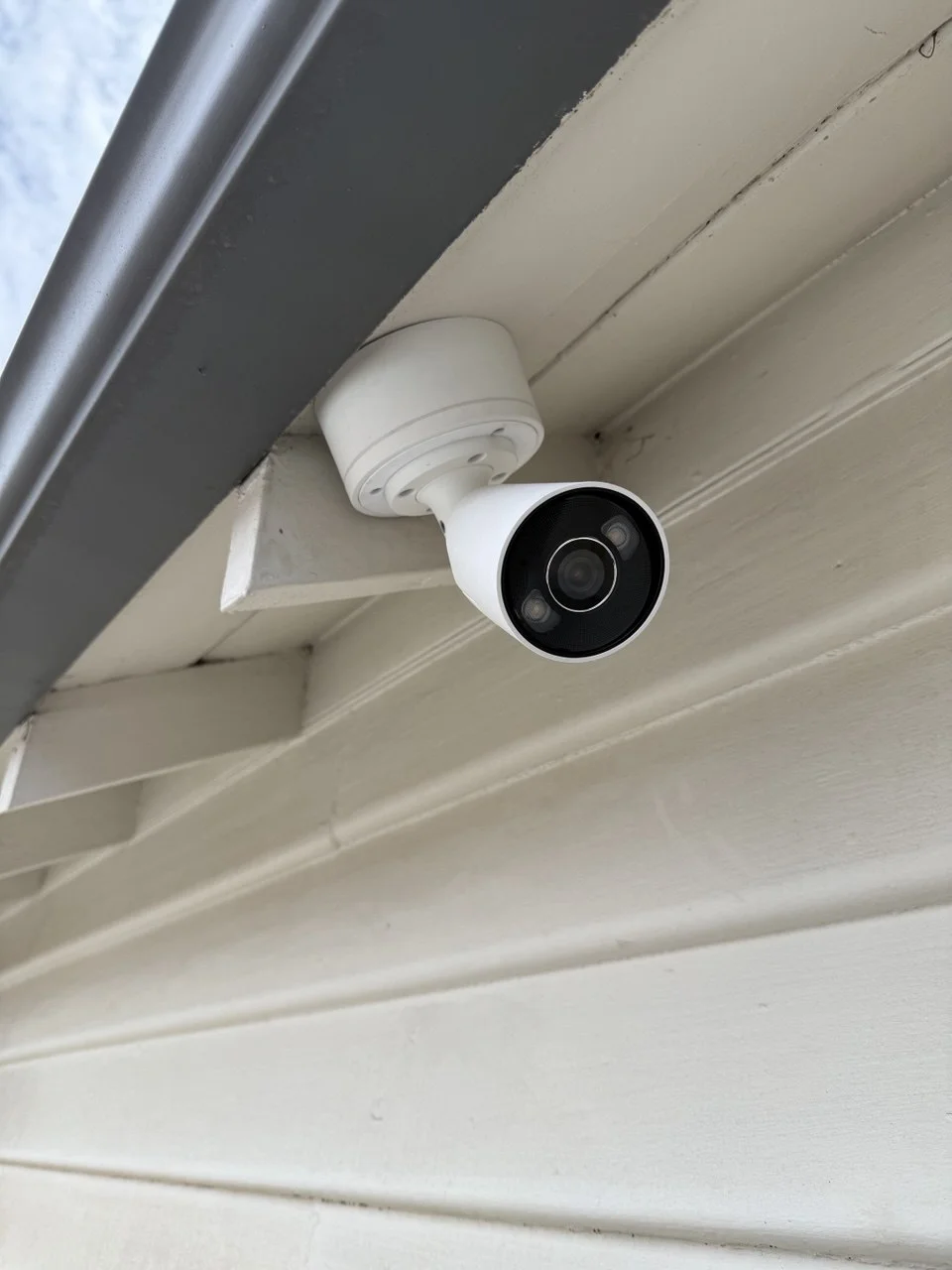
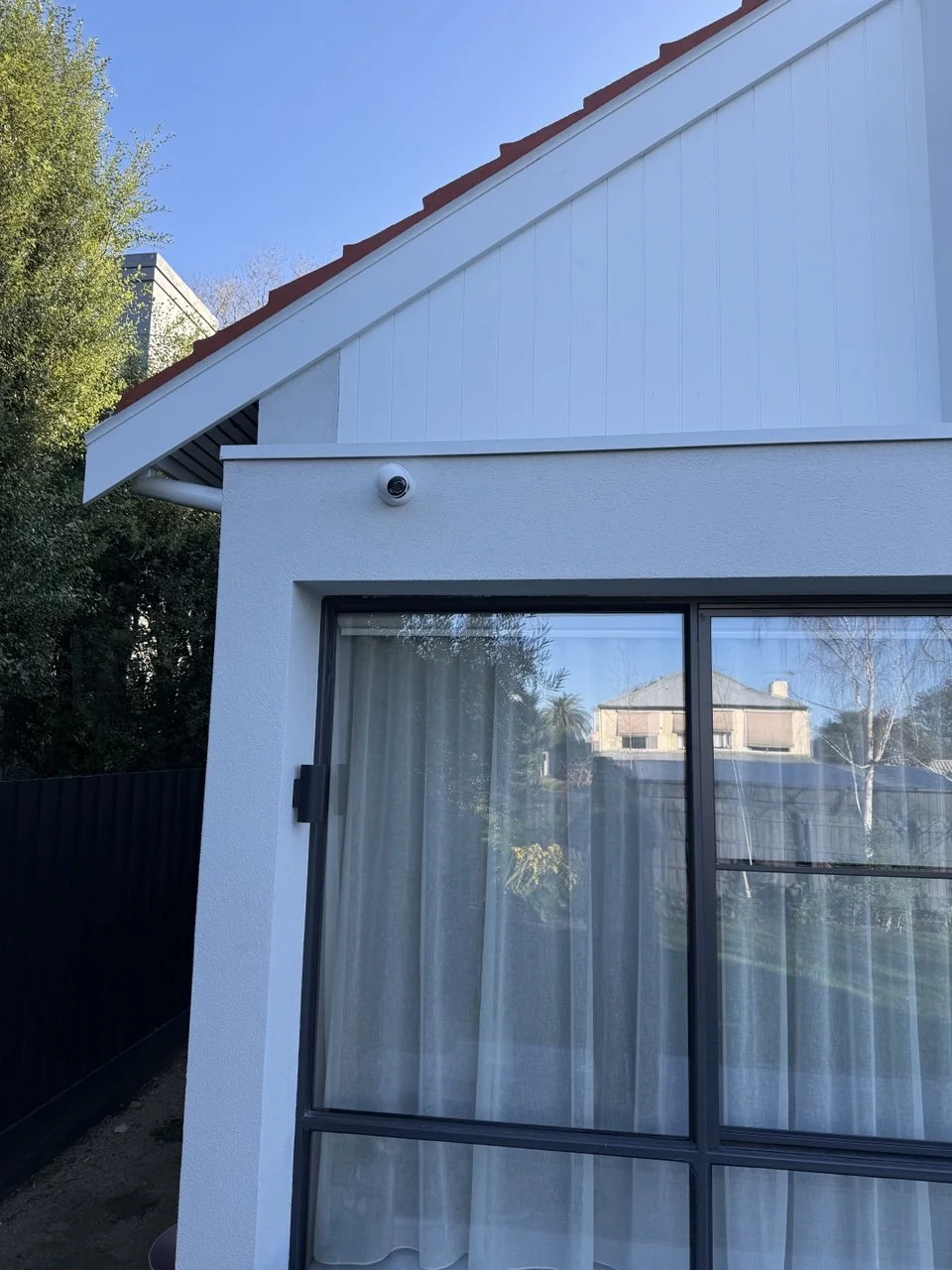
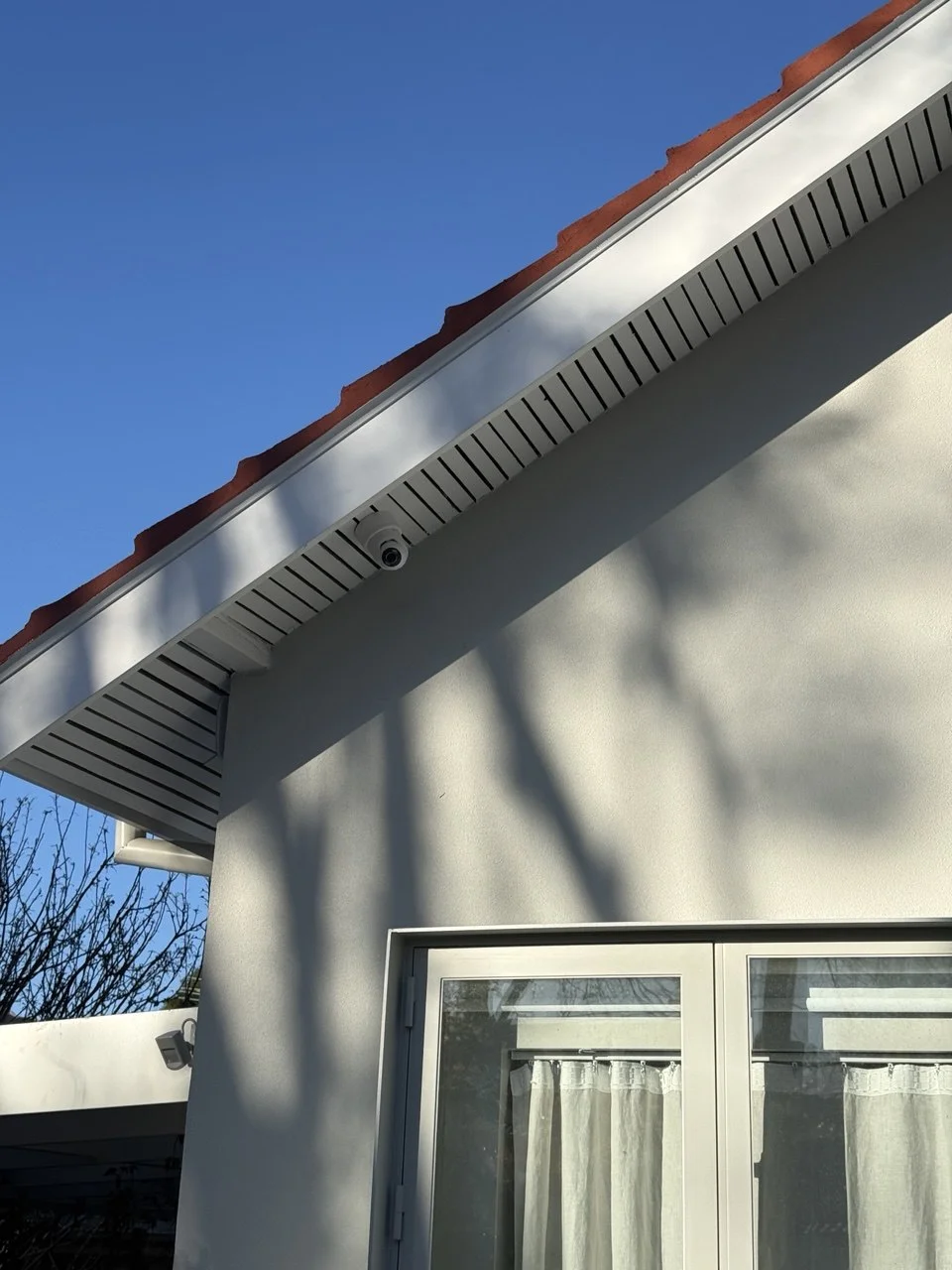
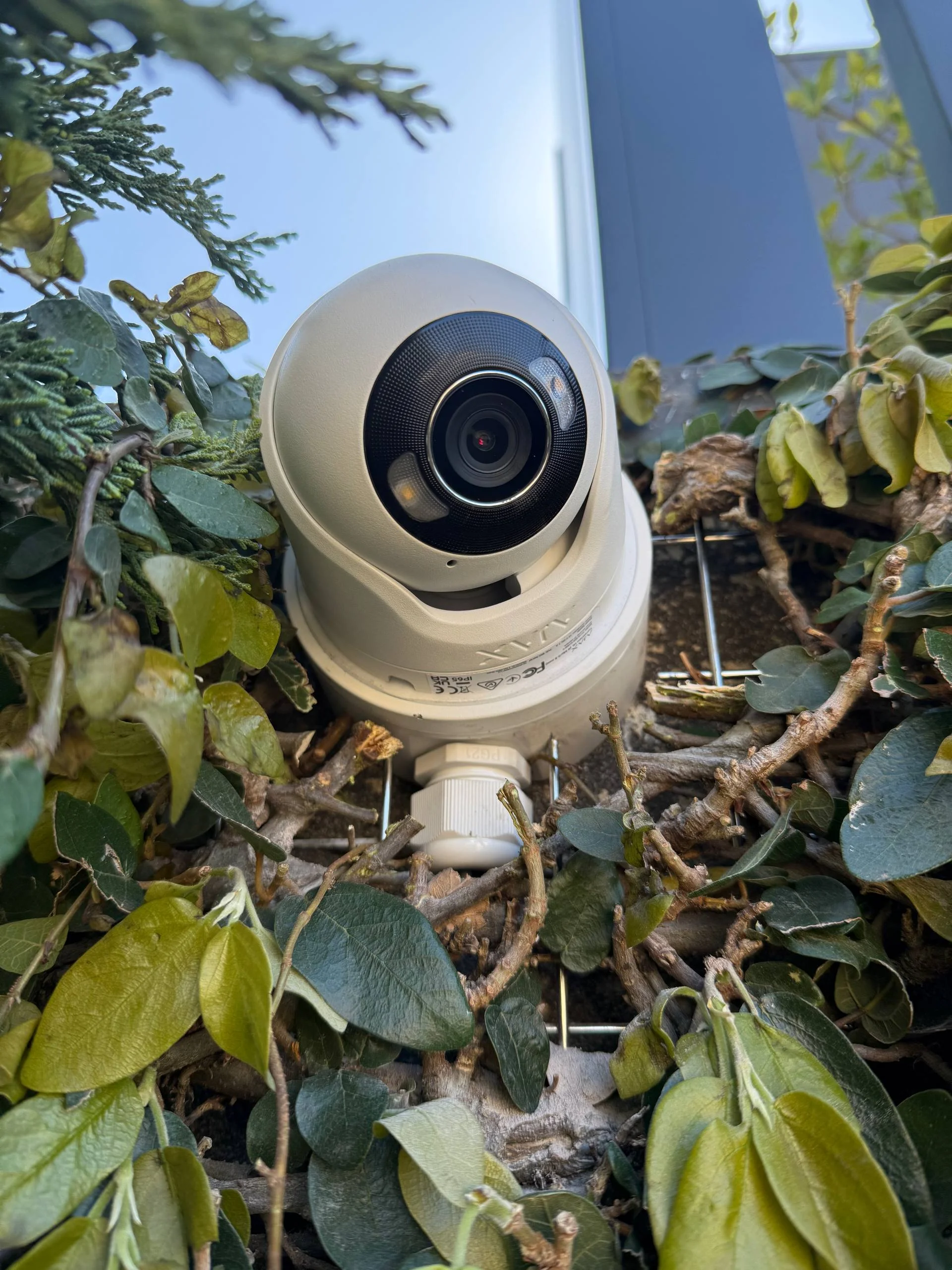
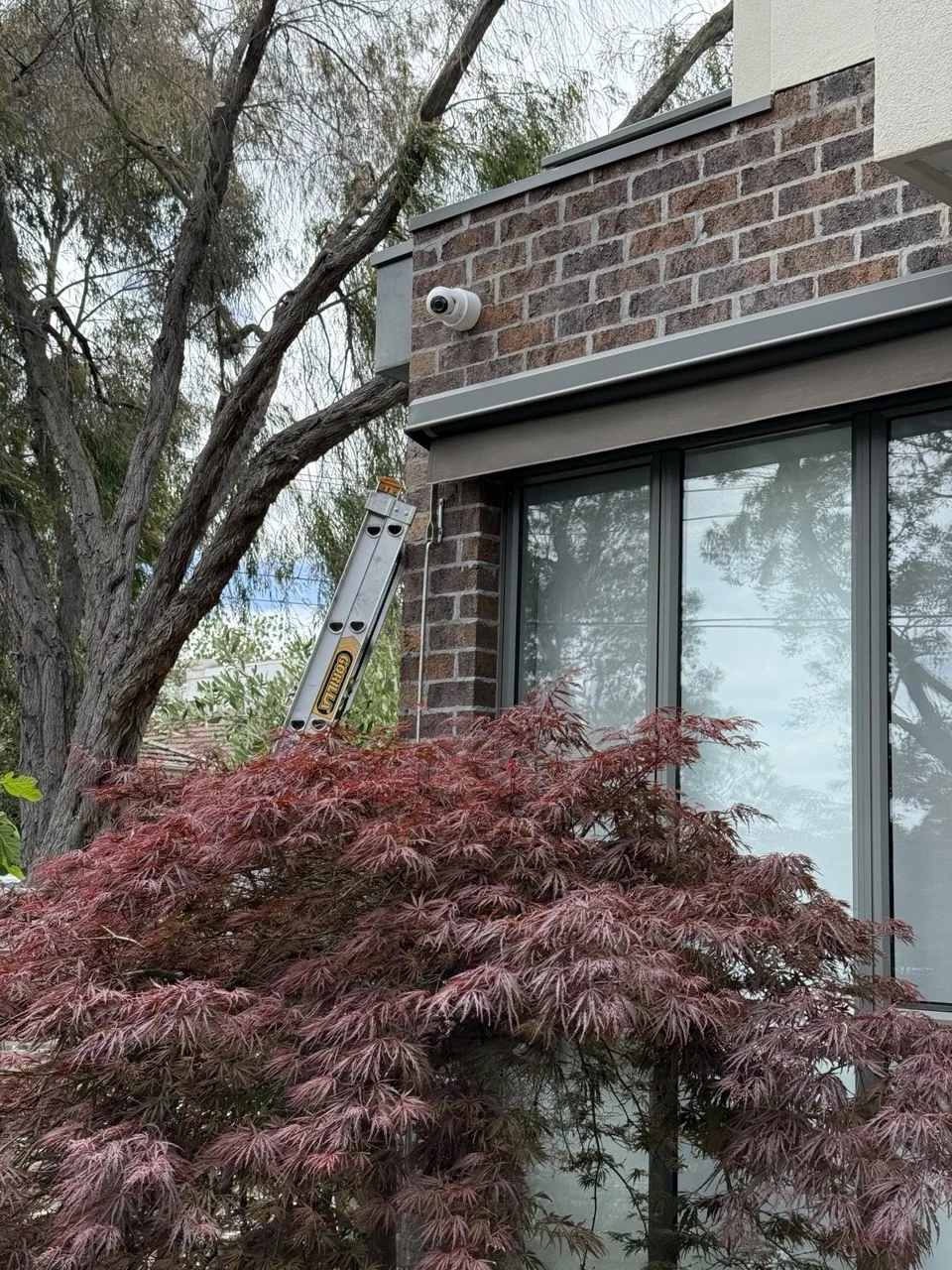
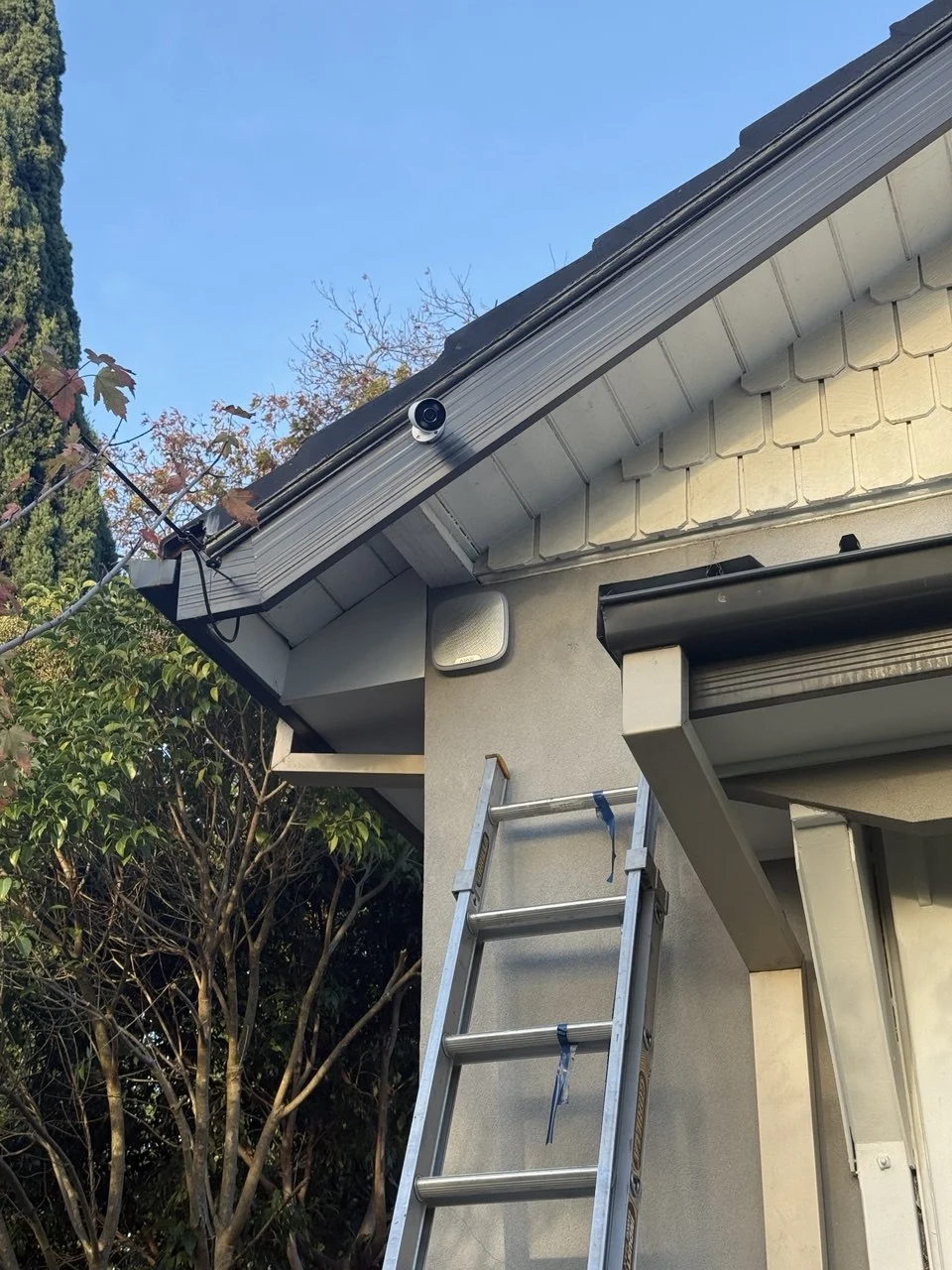
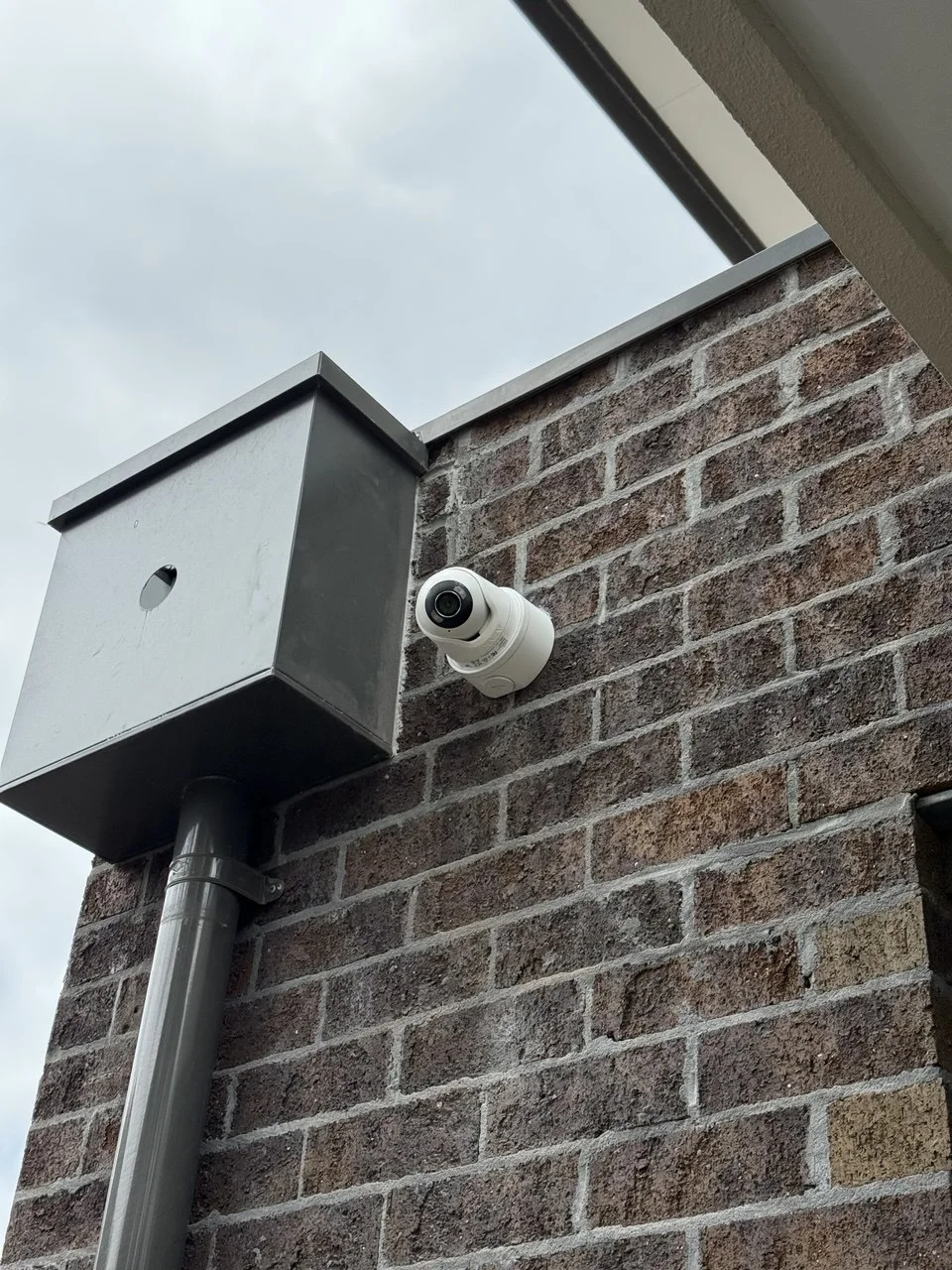
Two Hampton properties on the same street can represent very different security camera projects — a California Bungalow with heritage timber eaves and a decade of settled neighbourhood context, and a newly completed custom home on a block that still has an active construction site on one side. The installations below reflect both ends of that range.
Areas We Service Around Hampton
SIPKO Security provides CCTV and security camera installation across Hampton and the surrounding Bayside suburbs, where the mix of period housing, active rebuild cycles and coastal foreshore access often calls for different approaches to camera planning within a small geographic area.
Frequently Asked Questions
Common questions about security camera installation, CCTV system costs, camera placement and alarm integration for Hampton properties.
How much does security camera installation cost in Hampton?
Why does renovation activity on my street affect how CCTV should be planned?
Is it worth installing CCTV while a neighbour's property is being knocked down and rebuilt?
Are there special considerations for mounting cameras on a California Bungalow or Edwardian home?
Do Beach Road and foreshore-facing properties need a different approach to CCTV?
Can a Hampton CCTV system be monitored remotely during periods of travel or absence?
Can CCTV be combined with an alarm system in Hampton?
Hampton is a suburb where people put down roots — high owner-occupier rates, long-term residents, families who chose the suburb for the schools, the foreshore and the Hampton Street strip and intend to stay. It is also a suburb where the street outside your property can look quite different from one year to the next, not because the neighbourhood is changing in character, but because the bungalow two doors down is being demolished and rebuilt, and the one on the corner is mid-renovation.
The rebuild cycle that has made Hampton one of Bayside's most consistently active renovation markets is also the thing that makes camera planning here different from a suburb where the streets have been stable for twenty years. Knowing your neighbours well is not the same as being able to read a street where a different crew is parking outside three properties every morning.
If you're considering security camera installation in Hampton, SIPKO Security can assess the property and plan coverage that accounts for what's actually happening on the block — whether that's an active rebuild next door, foreshore exposure along Beach Road, or a period home with its own mounting and cabling considerations.