
Security Camera Installation in Kooyong for Homes That Stay in the Family
In Kooyong, knowing who lives in almost every house on your street usually isn't the result of being sociable — it's what happens when the ownership around you simply hasn't moved. The suburb records only a handful of house sales in a typical year, and much of what's here has been in the same hands for long enough that most residents stopped thinking of it as something to keep track of. That's exactly where the risk sits. The confidence of "I'd know if something changed" tends to outlast the accuracy of that belief — a street can look and feel completely unchanged for years right up until the one week it isn't, and by then the habit of not looking closely has already set in.
That settledness shows up in the housing itself. Kooyong's streets are lined with established Victorian and Edwardian homes on generous blocks, many backing onto Kooyong Park, Gardiners Creek or nearby reserve land rather than another house. Close to a third of the suburb is parkland, so a meaningful share of properties have at least one boundary that opens onto open space instead of a neighbour's fence — a side of the property nobody's casually keeping an eye on the way a shared fence line gets watched. Combined with wide, tree-lined streets and long driveways, a typical security camera installation in Kooyong has to account for multiple access points and boundaries that simply don't face another home.
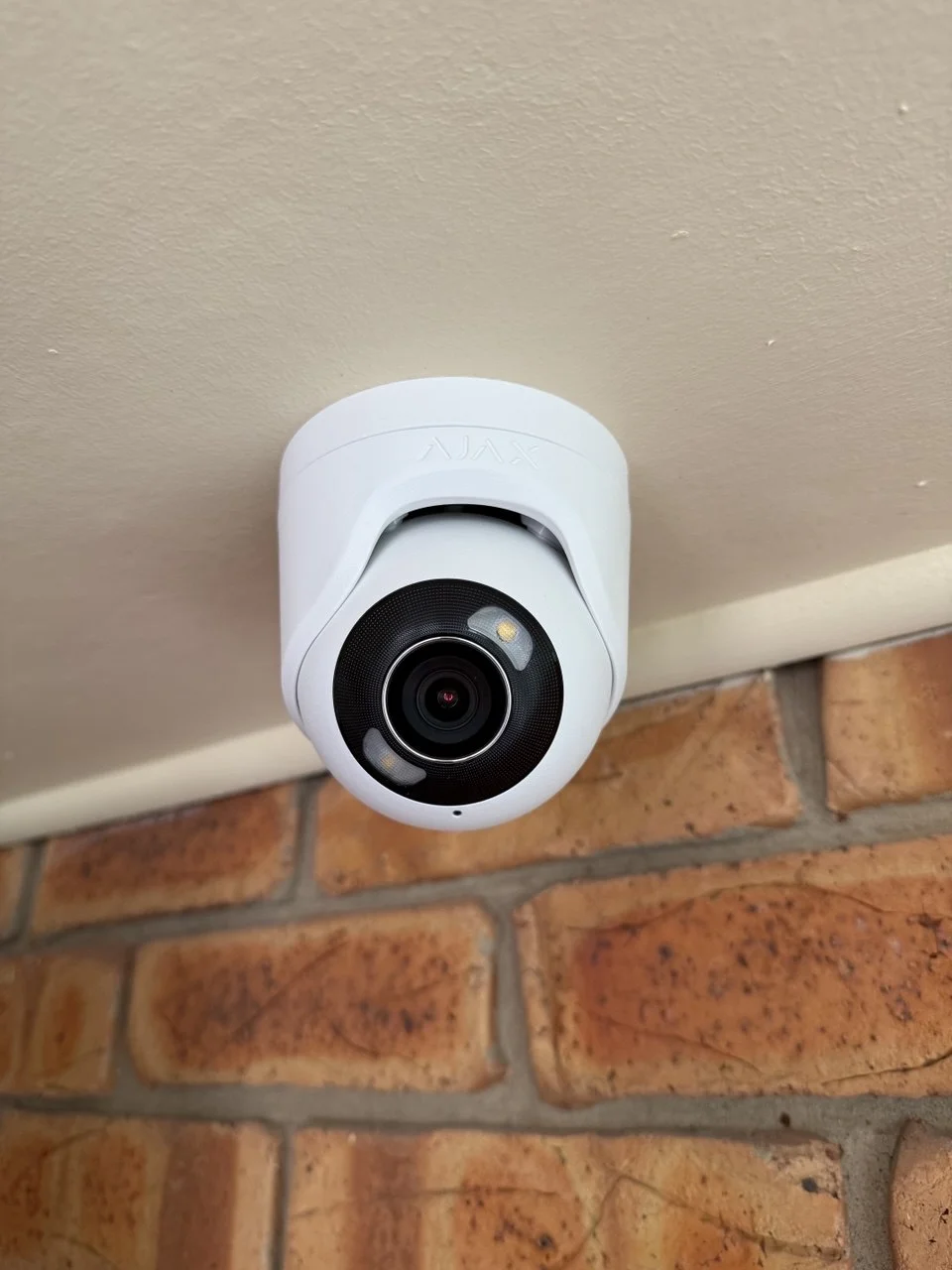
SIPKO Security installs and services CCTV systems across Kooyong, planning coverage around large, established properties and the particular blind spot that comes with a street everyone assumes they already know — not a generic setup built for a suburb where checking in on things is part of the daily routine.

CCTV Installation in Kooyong
A common assumption behind residential CCTV is that a camera fills a gap in knowledge — you install one because you don't know who's coming and going. Kooyong tends to work the opposite way. Most residents already have a fairly settled picture of the street: who owns which house, roughly how long they've been there, what a normal Tuesday looks like out the front window. The trouble is that picture forms once and then quietly stops updating, because nothing around it seems to be changing enough to prompt a second look. A house that's supposedly still owned by the same family can be inherited, rented out or sold on without the rest of the street clocking it straight away — not because anyone's careless, but because the certainty of "I'd notice" was earned years ago and never really tested since.
That same settledness plays out differently at the edges of the suburb. Close to a third of Kooyong is parkland, and a number of properties back directly onto Kooyong Park, Gardiners Creek or nearby reserve land rather than another house. A boundary that opens onto open reserve isn't watched the way a shared fence line usually is — there's no neighbour's kitchen window doing informal duty on that side. Camera coverage along a park- or creek-facing edge matters more here than it would on a standard block ringed by houses on every side, because the usual assumption that one side of a property is "covered" by proximity to a neighbour simply doesn't hold along a reserve boundary.
Property size shapes the rest of the planning. Established Victorian and Edwardian homes here typically sit on generous blocks, often with a long driveway, a side access point and a rear garden that isn't visible from the street — three or four separate approach points rather than the single front door common on smaller blocks nearby. Deciding where coverage actually starts usually means walking the property to find whichever approach isn't already visible from inside the house, since mature trees and established gardens can create blind spots a smaller, more open block wouldn't have.
Cabling and mounting also need to suit housing stock that's rarely been substantially altered, since many Kooyong homes have kept much of their original character for decades. A cctv installation in Kooyong generally starts with a walk-through of the property's actual access points and boundary conditions — a long driveway, a reserve-facing edge, a side return tucked behind established planting — rather than defaulting to a standard four-camera layout designed for a typical suburban block. For someone who's watched the same street stay the same for years, that walk-through is usually less about persuading them cameras are needed at all, and more about identifying the one or two points where their own sense of "I'd know" is quietly weakest.
Security Camera Systems & CCTV Solutions for Kooyong Properties
Security camera system installation in Kooyong is shaped less by personal taste and more by how settled a property's ownership actually is. A house where the same people have lived for twenty years has very different practical needs to one that's just changed hands and is still being watched closely by a new owner who doesn't yet have a feel for what's normal — even if both sit on the same street.
What most Kooyong properties share is a preference for systems that stay quietly dependable without needing constant attention. On a street where confidence about "what's normal" tends to run ahead of what anyone's actually verified lately, a system that's fiddly to check or easy to forget about tends to get ignored — which defeats the purpose of having one at all.
- Long driveways and gated or semi-gated entries on larger blocks.
- Rear or side boundaries facing Kooyong Park, Gardiners Creek or reserve land.
- Period Victorian and Edwardian homes where mounting needs to respect original façades.
- A recent change of ownership or tenancy, where old assumptions about the street no longer quite apply.
On a block where the same faces and cars have been part of the background for years, it's easy to stop actively noticing detail — not from complacency, but because nothing has demanded attention in a long time. A camera at the front of the property doesn't replace that familiarity; it gives it a way to be checked rather than simply trusted.
Where a boundary opens onto Kooyong Park, Gardiners Creek or nearby reserve rather than a neighbour's yard, that edge doesn't benefit from the passive oversight a shared fence line usually provides. Camera placement along a park- or creek-facing boundary is planned as its own point of coverage, not an afterthought to the front of the property.
What We Protect in Kooyong
A meaningful share of Kooyong properties have stayed with the same household for well over a decade. That stability is part of what makes the suburb what it is — but it also means the last time many residents actually watched an ownership change happen nearby was a long time ago, if ever. A camera at the front of the property gives a dated, checkable record of exactly when that changes, rather than leaving it to memory.
Being able to name most of the households on your street is one of the quieter comforts of living in Kooyong — and one of the reasons attention to any single property can drift without anyone noticing it's drifted. When the same faces and cars have been part of the background for years, a genuinely different pattern near the front door is easy to read as "probably fine" rather than worth a second look.
Close to a third of Kooyong's land is parkland, and a number of properties back directly onto Kooyong Park, Gardiners Creek or nearby reserve rather than another home. That edge is open to the public in a way a shared fence line isn't, so it's planned as a distinct part of any camera layout rather than assumed to be covered the way a normal boundary might be.
CCTV Systems We Install and Support
Choosing a CCTV platform matters less than whether it suits a property likely to stay in the same hands for years to come. For a home where ownership doesn't change often, that usually means a system simple enough to hand over to whoever comes next without a full rebuild. Our security camera installers in Kooyong work with platforms that stay straightforward to check remotely and easy to pass on, whatever stage of ownership a property happens to be at.
Once camera coverage is in place, the natural next question is what happens if someone actually tries a door or window rather than just being seen near it. On a street where most households have been there for years, an unfamiliar face isn't automatically a concern — but a forced entry attempt on a home everyone assumes is still watched over by the same long-term owners is a different matter.
Cameras provide the record. Alarms provide the moment of awareness. Our cctv installers in Kooyong often combine the two so an alert at a driveway, side gate or reserve-facing boundary can be checked against footage immediately, rather than pieced together after the fact — and after everyone's certainty about "nothing changes here" has already been proven wrong once.
This pairing tends to matter most for properties that are only loosely supervised day to day — a long-standing family home currently between occupants, or a larger block where a side or rear boundary faces parkland rather than a watchful neighbour.
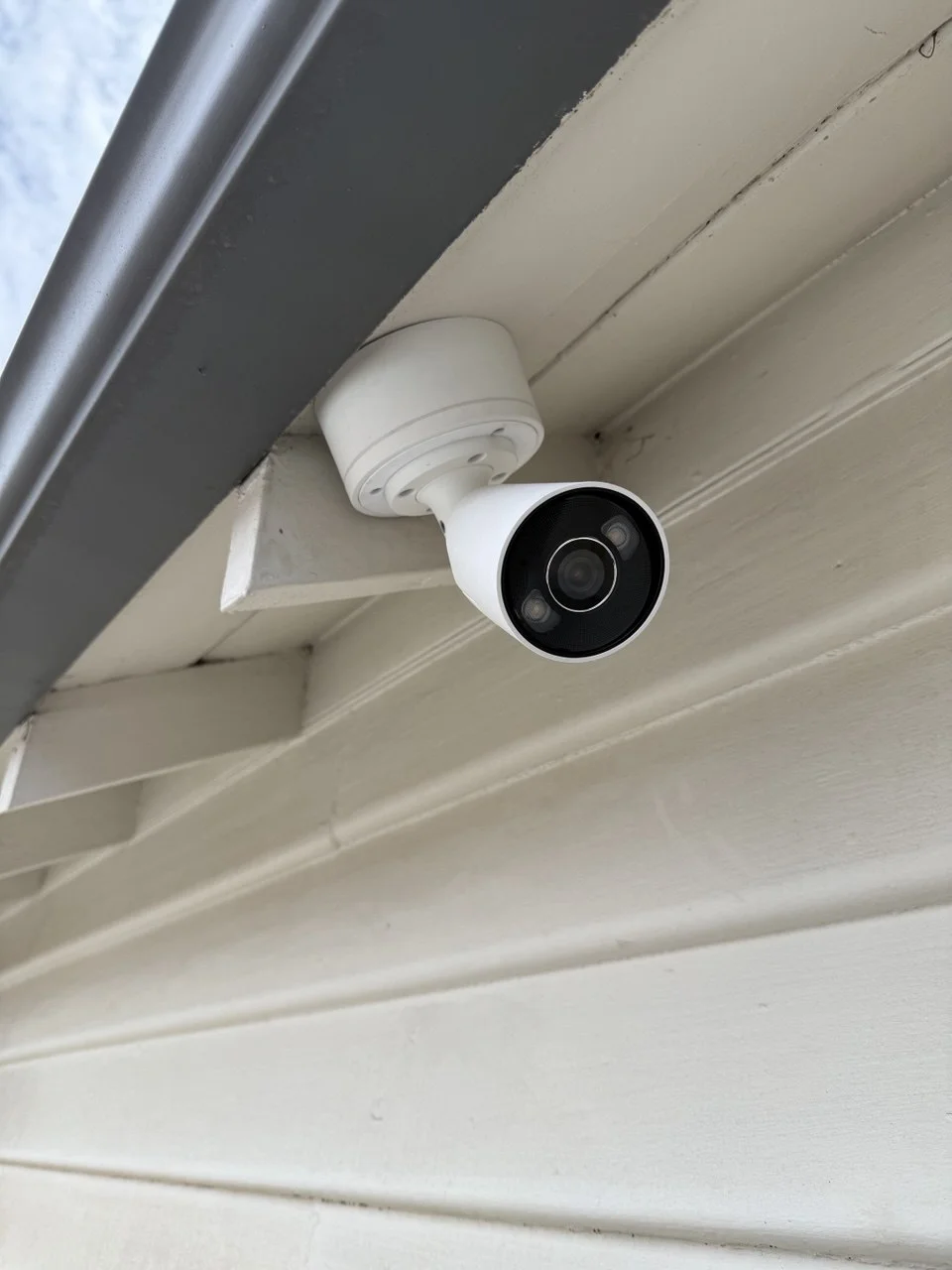
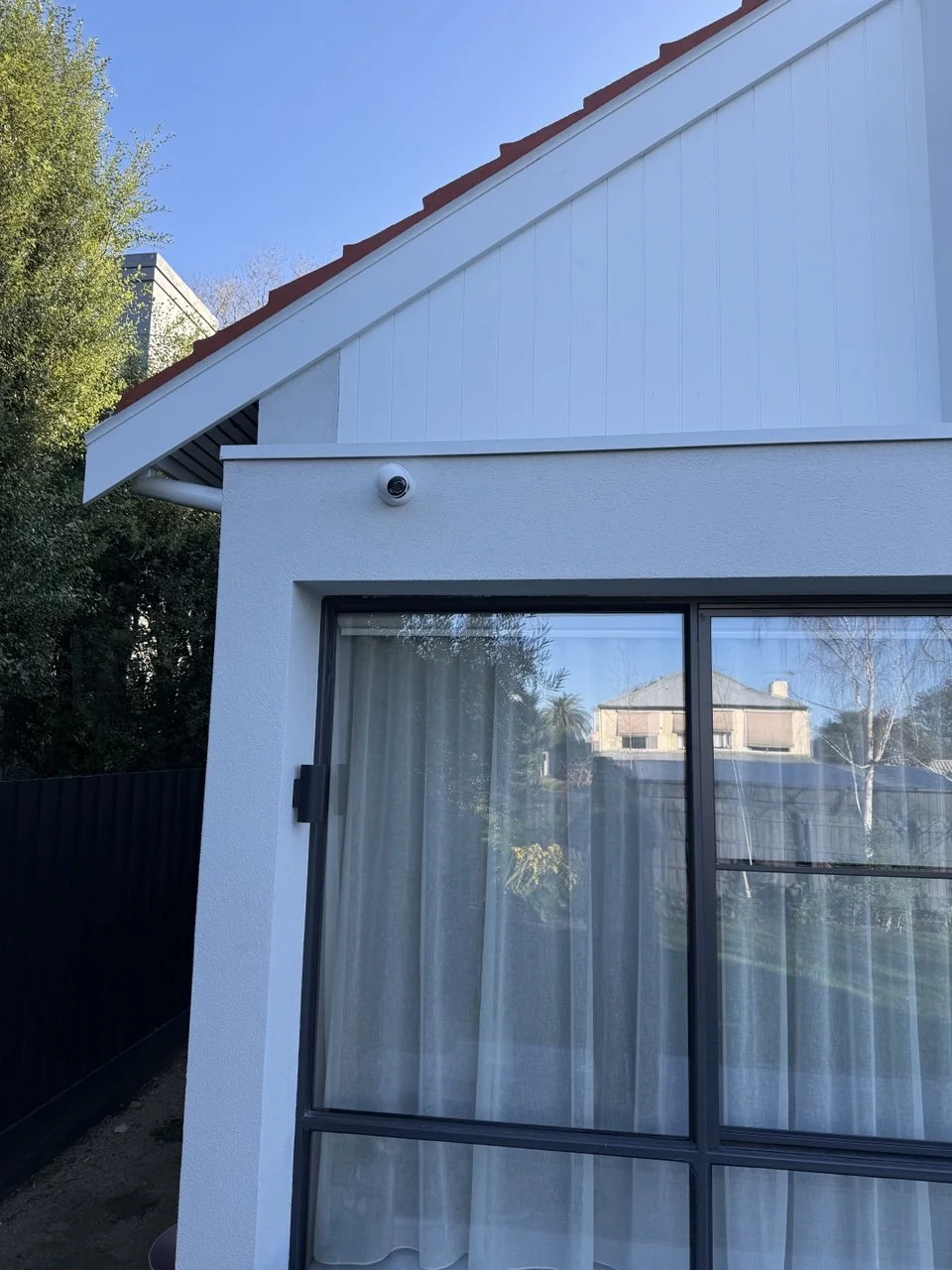
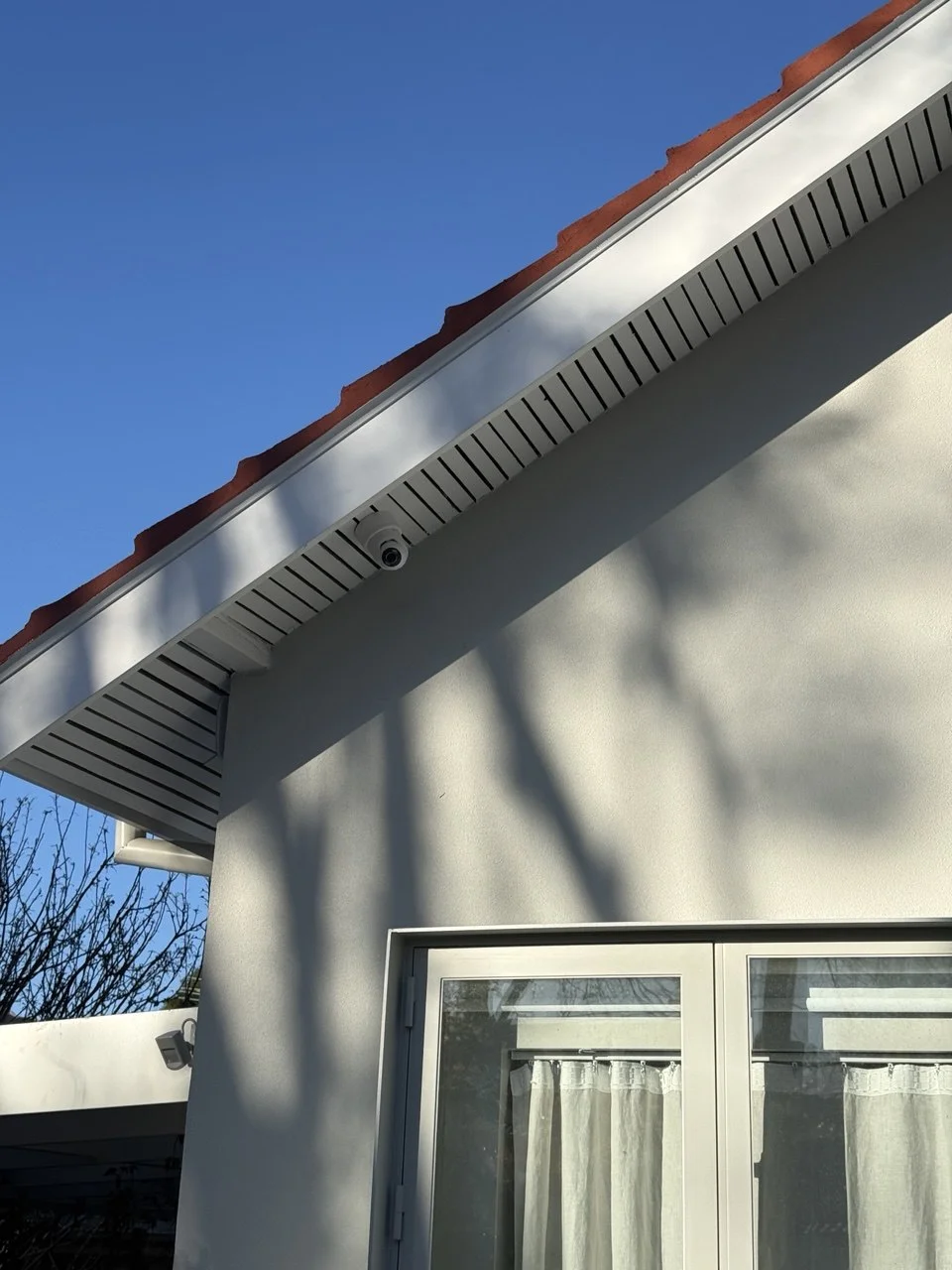
Kooyong clients tend to get in touch for fairly specific reasons — a long driveway that's never had coverage, a boundary facing Kooyong Park or Gardiners Creek, or a period home where camera placement needs to respect the original façade. It's rarely a generic request for "a camera system."
The reviews below reflect installations across established family homes, period properties and blocks bordering reserve land throughout the suburb.




Comparing two Kooyong properties even on the same street can mean comparing a home whose front door hasn't had a new face behind it in fifty years with one just starting out under new ownership — which is part of why planning here rarely follows a single template.
Areas We Service Around Kooyong
SIPKO Security provides CCTV and security camera installation across Kooyong and neighbouring Stonnington and Boroondara suburbs, where large established blocks, park and creek boundaries, and long-settled ownership often call for a different approach to camera planning than a typical higher-turnover suburb.
Frequently Asked Questions
Common questions about security camera installation, CCTV system costs, camera placement and alarm integration for Kooyong properties.
How much does security camera installation cost in Kooyong?
What affects the cost of CCTV installation in Kooyong?
How many cameras do most Kooyong properties need?
Can CCTV be installed on a period Victorian or Edwardian home without affecting its character?
Does camera planning account for properties bordering Kooyong Park or Gardiners Creek?
Does SIPKO service homes in Kooyong itself, or only around the tennis venue it's known for?
Can CCTV be integrated with alarm systems?
A typical Kooyong property has usually seen fewer changes than almost anywhere else in Melbourne — sometimes none at all in living memory.
For some homeowners, that means a family home that's stayed on the same street for decades, its garden and driveway barely different from how they've always looked. For others, it's a property that's just changed hands and is still being figured out under new ownership. What both need is coverage that doesn't depend on how well anyone thinks they already know the street — because on a block this settled, that confidence is exactly the thing worth double-checking.
If you're considering security camera installation in Kooyong, SIPKO Security can assess the property, whether it's a long-standing family home or one just starting its next chapter, and recommend coverage that fits how it's actually lived in.