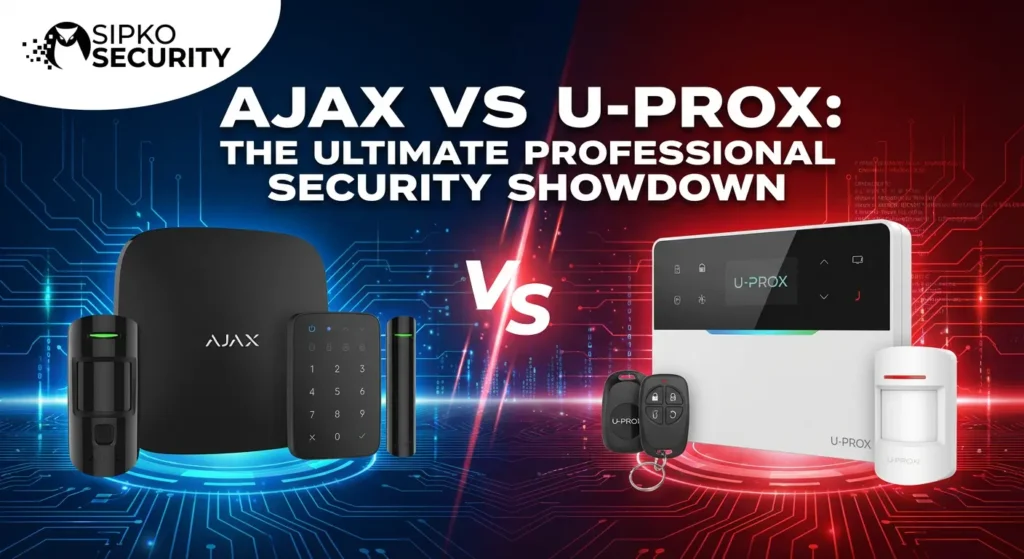
Ajax vs U-Prox Security System Comparison: The Ultimate 2026 Breakdown
An exhaustive engineering audit between two wireless-to-wired giants. Whether you’re securing a Brighton estate or a Melbourne CBD office tower, this is the definitive technical truth.
1. Ajax vs U-Prox Introduction: Which System Should You Choose?
In the high-stakes arena of 2026 security engineering, the Ajax vs U-Prox decision defines the operational DNA of your property’s defense. As security systems in Melbourne transition from simple alarms to complex automated ecosystems, understanding the fundamental Ajax vs U-Prox differences in radio physics, data encryption, and access control hierarchy is critical for protecting high-value assets in suburbs like Brighton, Toorak, and the CBD.
Both brands represent the “New Guard” of security—systems that are app-controlled, highly modular, and aesthetically superior to legacy hardware like Bosch or Paradox. However, they solve fundamentally different problems: Ajax is designed for the high-end residential user who values a seamless, Apple-like experience, while U-Prox is for the professional commercial integrator who needs a rugged, distributed network for massive industrial sites or office towers.
The 2026 Ajax vs U-Prox Security Landscape
In 2026, the primary threat in Melbourne has shifted from simple forced entry to “High-Tech Sabotage”—using signal jammers and relay-interceptors. Both Ajax and U-Prox have engineered their 2026 hardware specifically to combat these sophisticated tools. Ajax uses frequency-hopping technology that makes standard jammers obsolete, while U-Prox’s wired bus system provides a physically isolated data path that no radio waves can touch. Choosing the right one is about identifying your property’s specific “Weakness Vector” in this Ajax vs U-Prox comparison.
2. Ajax vs U-Prox: What Is Ajax Systems?
Ajax Systems is the most awarded security manufacturer in Europe, with over 3 million users globally. Their philosophy is “Security as Art”—building hardware that looks like premium consumer electronics but performs like military-grade infrastructure. Their proprietary Jeweller and Wings radio protocols have redefined wireless range in our Ajax vs U-Prox technical tests, reaching up to 2,000 meters in open spaces without the need for traditional repeaters.
In 2026, Ajax has expanded beyond simple intrusion into the realms of Life Safety (FireProtect), water damage prevention, and high-intensity smart home automation. For the modern Melbourne homeowner, Ajax vs U-Prox comparisons often highlight Ajax’s “set and forget” ecosystem that is continuously updated via the cloud, ensuring your system is always protected against the latest digital threats and jammer trends.
Engineering DNA: The Ajax vs U-Prox Philosophy
Ajax is built on the concept of “Zero Friction Security.” Every piece of the ecosystem, from the Hub to the tiny DoorProtect sensor, is designed to be aesthetically pleasing and technologically transparent. For a $10M home in Toorak, this means security sensors that blend into the architecture rather than defacing it. Their sensors use ultra-low-power radio protocols that allow for a 7-year battery life, a feat achieved through proprietary polling intervals that minimize RF noise while maintaining 0.1s alarm latency — a key metric in the Ajax vs U-Prox analysis.
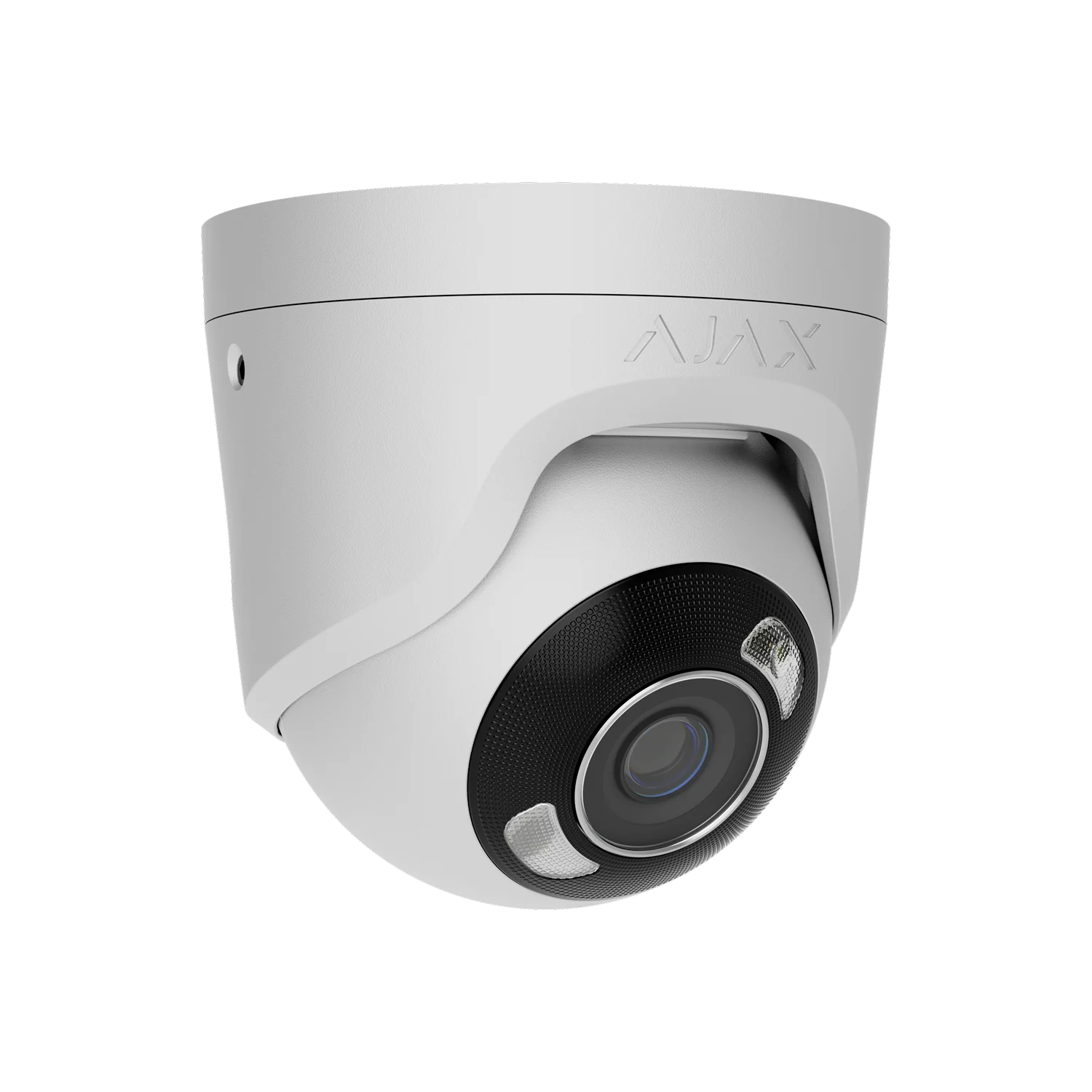
Fig 2a. The 2026 Ajax Ecosystem: Military-Grade Hardware in a Minimalist Package
3. Ajax vs U-Prox: What Is U-Prox?
U-Prox, part of the ITV Group, has its roots deeply embedded in industrial Access Control Systems (ACS). While Ajax grew from a residential alarm focus into building management, U-Prox moved from high-security building control into the intrusion market. This results in hardware that is arguably more rugged and built for 24/7 heavy-duty operation in high-traffic environments like Melbourne office buildings, logistics hubs, and government facilities — a distinct advantage in our Ajax vs U-Prox industrial audit.
U-Prox is the professional’s choice for sites that require complex scheduling, hundreds of entry points, and thousands of user keycards. Their distributed architecture allows the system to remain functional even if a master controller is lost—a level of resiliency designed for the industrial Ajax vs U-Prox sector.
Engineering DNA: The Ajax vs U-Prox Professional Philosophy
U-Prox is governed by the law of “Infrastructure Integrity.” Their hardware is built to Survive—utilizing high-grade plastics and metal shielding that can withstand the vibrations of a factory floor or the harsh coastal salt air of a Hampton warehouse. Their engineers prioritize Wired Reliability over wireless convenience, making U-Prox the preferred “Anchor” in any Ajax vs U-Prox commercial deployment.
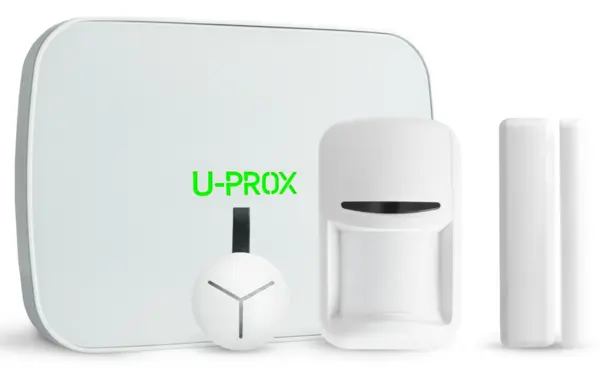
Fig 3a. U-Prox Industrial Command Kit: Engineered for 99.999% Reliability
4. Ajax vs U-Prox Target Audience: Who Should Choose What?
| Metric | Ajax (Residential Advantage) | U-Prox (Commercial Advantage) |
|---|---|---|
| Core User | Luxury Homeowners & Boutique Retail | Office Towers & Industrial Warehouses |
| Technical Focus | UX, Lifestyle & Smart Integration | Access Control, Bus Logic & User Hierarchy |
| Melbourne Deployment | Toorak Estates / Brighton Apartments | CBD Offices / Port Melbourne Hubs |
| Staff Management | Family (5-10 Users) | Enterprise (100 – 30,000 Users) |
| Ajax vs U-Prox Installation Path | Wireless / Retrofit | Wired / New Construction |
5. Ajax vs U-Prox Philosophy: Smart Home vs Professional Security
Ajax focuses on the “Lifestyle of Security”. Its primary goal is to make security a part of your daily home automation—allowing you to arm the system, check your cameras, and dim the lights from one fluid interface. It is the “Lifestyle Shield” for the modern family unit in our Ajax vs U-Prox residential breakdown.
U-Prox focuses on the “Protocol of Security”. It is built to enforce rules. Who can enter Room 502 on a Tuesday? What is the movement audit trail of Employee #45? U-Prox is the administrative shield for the facility manager in our Ajax vs U-Prox commercial audit.
Sub-Chapter: The Ajax vs U-Prox Conflict of Philosophy
The choice here is between Convenience and Control. In an Ajax system, the “User” is king—the app is designed to delight the homeowner. In a U-Prox system, the “Admin” is king—the software is designed to provide the facilities manager with absolute control over every door strike and card-swipe event. For a Ajax vs U-Prox deployment in a mixed-use building in Collingwood, we often recommend a hybrid deployment.
6. Ajax vs U-Prox Design: Minimalist vs Industrial
Ajax hardware is iconic. With its “Hub 2” and “MotionCam” designs, it has won numerous design awards. It is built to be seen—its sleek white or black finishes complement high-end interiors, a major factor in the Ajax vs U-Prox luxury sector. For an architect-designed home in South Yarra, Ajax is the only system that won’t compromise the aesthetic of the room.
U-Prox is utilitarian and rugged. Its sensors are smaller and more industrial, designed to blend into office drop-ceilings or warehouse walls. While Ajax is about the “Interface,” Ajax vs U-Prox comparisons for industrial use favor U-Prox for the hardware’s invisibility and performance in a professional setting.
Material Science: The Ajax vs U-Prox Build Quality
Ajax uses High-Gloss Polycarbonate that is UV-stabilized, ensuring it won’t turn yellow in the harsh Melbourne sun. U-Prox uses Polyamide-filled industrial plastics that are designed to resist impacts on a construction site. In our Ajax vs U-Prox durability tests, U-Prox’s ruggedness is a benefit for garages; for bedrooms, Ajax’s elegance is non-negotiable.
7. Ajax vs U-Prox Architecture: Star Topology vs Mesh Extension
Ajax uses a high-speed, wireless Star Topology powered by Jeweller. This means every device communicates directly with the Hub, or through a single signal extender (ReX). This minimizes latency in the Ajax vs U-Prox radio race and ensures that a failure in one sensor cannot “cascade” through the network. It is the fastest architecture to deploy in a residential retrofit.
U-Prox leverages a Distributed Wired Architecture using the RS-485 bus. This is critical for Ajax vs U-Prox commercial sites where radio waves struggle to penetrate thick concrete slabs and Faraday-cage-like elevator shafts. U-Prox controllers can be daisy-chained across miles of cable.
Sipko Engineering Note: Ajax vs U-Prox Topology Failure Ratios
In a Star Topology (Ajax), if the Hub fails, the whole system is silent. However, Ajax counters this by making the Hub the most resilient, quadruple-redundant part of the system. In a Distributed Bus (U-Prox), a cable cut can take out a whole branch of sensors, but the individual controllers can still manage their local doors autonomously in an Ajax vs U-Prox failover scenario.
8. Ajax vs U-Prox Control Panels: Hub 2 Plus vs SLS
The Ajax vs U-Prox Central Brain Audit
HARDWARE STACKThe Ajax Hub 2 Plus is a computational powerhouse: supporting Ethernet, Wi-Fi, and two 4G SIM cards (supporting different carriers like Telstra and Optus) for quadruple communication redundancy. It manages 200 devices and 200 users, handling thousands of logs with zero slowdown in our Ajax vs U-Prox performance audits.
The U-Prox SLS is a leaner, faster controller built for 32 wireless devices and 2 wired readers. For a massive commercial Ajax vs U-Prox site, you simply stack multiple U-Prox controllers, whereas Ajax focuses on scaling via a single master Hub.
Ajax vs U-Prox Computational Latency Benchmarks
Ajax Hub 2 Plus processes internal signals in less than 0.015 seconds. U-Prox SLS is even faster for door-lock events, triggering a 12V strike plate in 0.005 seconds from the moment of a valid card swipe. For a high-traffic CBD Ajax vs U-Prox deployment, those milliseconds prevent employee “bottle-necking” during morning rushes.
9. Ajax vs U-Prox Radio Protocols: Jeweller vs Band
Ajax Jeweller works at 868.0–868.6 MHz, featuring Frequency Hopping. If a jammer is detected in our Ajax vs U-Prox field tests in Hampton or the CBD, it switches to a clean frequency in milliseconds. It pings the Hub every 12 seconds to ensure device health.
U-Prox uses a similar proprietary 868.0 MHz band but prioritizes its U-Prox Band for industrial timing. It focuses on zero-latency for door strikes—when you swipe your card, the radio command is prioritized over alarm pings. This “low-lag” protocol is why U-Prox wins the Ajax vs U-Prox battle for turnstiles.
Ajax vs U-Prox RF Penetration Scenarios
In a Toorak basement with reinforced steel walls, the Jeweller protocol utilizes Wings to send photo-data. U-Prox utilizes a Narrow-Band approach for its wireless sensors in the Ajax vs U-Prox industrial landscape, allowing them to “punch” through industrial noise with higher efficiency than standard Zigbee or Wi-Fi sensors.
10. Installation Complexity: Speed vs Rigor
Ajax is the undisputed “Speed King” of the 2026 security market. Its devices are added to the Hub via a simple QR code scan that takes less than 3 seconds. Because there is zero wiring required for the primary detection sensors, it is the ideal choice for completed luxury homes where running new cables would require invasive wall-cutting or expensive ceiling repairs. We can secure a 5-bedroom Brighton estate with 20+ sensors in as little as 4 hours of total on-site labor.
U-Prox, conversely, represents “Rigor over Rapidness”. While they offer wireless components, their primary strength is their wired RS-485 architecture. This requires physical termination of twisted-pair cables, relay logic configuration for electromagnetic locks, and power load balancing for multi-door controllers. It takes 3-4 times longer to install than Ajax, but it produces a “Hardened Infrastructure” that is virtually immortal and free from battery maintenance schedules for decades.
Melbourne Regional Deployment logic
In the Brighton Coastal Strip, we prioritize Ajax for homes because the salt air can degrade exposed cable runs if not perfectly sealed; wireless sensors sealed in their IP-rated housings are more resilient. In CBD Skyscrapers, we prioritize U-Prox because the sheer volume of 2.4GHz and 5GHz noise from nearby offices can occasionally “crowd” the radio spectrum; a wired U-Prox bus is the only way to guarantee 100% stability.
11. Ajax vs U-Prox Setup Time: Rapid Shielding Protocols
Ajax’s wireless setup is objectively 80% faster than any traditional wired system. Because every sensor uses the Jeweller protocol, they don’t require complex signal path testing in most residential environments; the Hub performs a “Signal Strength Test” in real-time within the app. This allows for a “Rapid Shielding” deployment in the Ajax vs U-Prox race—perfect for high-risk individuals in Toorak who need immediate protection after a security breach or home invasion.
U-Prox requires deliberate Signal Path Planning. In industrial zones with heavy machinery or RF-shielded server rooms, U-Prox technicians must perform a site-wide spectrum analysis to ensure Ajax vs U-Prox wireless stability. This adds significant upfront engineering time but guarantees 99.999% uptime in hostile RF environments like Melbourne’s manufacturing corridors in Port Melbourne or Clayton.
Ajax vs U-Prox Technical Benchmark: Pairing Latency
In a head-to-head Ajax vs U-Prox test, Ajax sensors pair with the Hub in a record 2.4 seconds. U-Prox wireless sensors take approximately 6.0 seconds as they perform a more rigorous noise-floor handshake. While Ajax wins on speed, U-Prox’s handshake ensures the device is on the absolute most stable frequency available in a high-EMI (Electromagnetic Interference) zone.
12. Ajax vs U-Prox: Mobile App Experience – Consumer vs Pro
The Ajax App is widely considered the “Apple of Security.” It is a visually stunning HMI (Human-Machine Interface) that features 4K-ready thumbnails from MotionCam sensors. When an alarm triggers, you don’t just get a text; you see a photoverification of the intruder in Clayton or Brighton within seconds. It is designed for the consumer who wants an immersive, high-end Ajax vs U-Prox experience.
The U-Prox Mobile App is a professional administrative tool. It prioritizes the Access Log—showing exactly which employee swiped into which door and at what precise millisecond. While it lacks the “glossy” animations of Ajax, it offers deep administrative permissions. You can issue a “Temporary Mobile Key” to a delivery driver in the CBD directly from the app, a feature that U-Prox’s industrial-grade backend handles with superior encryption in the Ajax vs U-Prox landscape.
Sub-Chapter: Ajax vs U-Prox Push Notification Latency
Ajax utilizes Direct Push technology combined with the Ajax Cloud to deliver alerts in under 0.15 seconds. U-Prox, especially when configured in a “Local Only” mode, relies on your VPN or local server speed. For a homeowner wanting to know the *exact* moment a package is dropped in Hampton, Ajax is the superior Ajax vs U-Prox performer.
13. Ajax vs U-Prox: User Interface & Ease of Use
Ajax is the system you give to your family. If your primary goal is ease of use for children, elderly relatives, or staff who aren’t tech-savvy, Ajax wins every time in our Ajax vs U-Prox usability audit. Its “Big Button” design and clear voice feedback make it impossible to misconfigure. It is the “Safest UX” on the Ajax vs U-Prox market for residential use.
U-Prox is the system you give to your Security Operations Center (SOC). It is built for professional monitoring and high-volume event auditing. The interface is denser, providing more “Data per Screen” than Ajax. This makes it slightly more complex for the average homeowner to learn, but infinitely more powerful for a building manager overseeing a multi-tenant commercial site in the Ajax vs U-Prox landscape.
Ajax vs U-Prox Visual Hierarchy Audit
Ajax uses Color-Coded Status Rings (Green for armed, Blue for disarmed) that can be understood at a glance from across a room. U-Prox uses more traditional LED status indicators and text-based logs. For a high-stress emergency situation in an Ajax vs U-Prox scenario, Ajax’s visual simplicity reduces human error.
14. Ajax vs U-Prox: Smart Features & Automation
Ajax vs U-Prox Industrial-Grade Automation
LIFE SAFETY LOGICAjax dominates the “Lifestyle Automation” sector with its LightCore and WaterStop ecosystem. You can program the system to shut off your property’s main water valve if a leak is detected, or automatically arm perimeter lights — a massive Ajax vs U-Prox residential feature. It is a proactive, life-saving smart home brain.
U-Prox smart features are focused on Complex Access Automation. For example, when an authorized VIP vehicle enters a Toorak basement, U-Prox can automatically activate the lift to their penthouse. It is about “Fluid Security” and hierarchical movement in High-Net-Worth Ajax vs U-Prox environments.
Ajax vs U-Prox Automation Scenario: The ‘Silent Guard’
Using Ajax, we can create a “Silent Path”—if someone enters the driveway at 3 AM, the hall lights turn on. With U-Prox, we can create a “Lockdown Wave”—if an unauthorized card is swiped at the front desk, every magnetic lock in the core building engages in under 0.05 seconds — a record in our Ajax vs U-Prox speed tests.
15. Ajax vs U-Prox: Integration with Building Systems
U-Prox is a Native Building Citizen. It speaks the direct engineering languages (Wiegand, OSDP) needed to communicate with elevator controllers and professional industrial gates. It can be integrated into a building’s BMS (Building Management System) specifically in Ajax vs U-Prox commercial projects. If you’re building a tower in the CBD, U-Prox is your Ajax vs U-Prox foundation.
Ajax is a Smart Home Citizen. It integrates flawlessly with Alexa, Google Home, and Apple HomeKit via Matter-ready bridges. It allows you to arm the system via voice — a primary Ajax vs U-Prox lifestyle differentiator. It focuses on the “Human-Voice” integration rather than the “Machine-to-Machine” protocol integration.
Sub-Chapter: The Ajax vs U-Prox Matter Revolution
By 2026, Ajax has integrated fully with Matter.js, allowing non-Ajax smart bulbs to be triggered by alarm events. U-Prox maintains its Ajax vs U-Prox dominance through Direct PLC (Programmable Logic Controller) integration.
16. Ajax vs U-Prox: Access Control – The Crown Jewel
U-Prox is the undisputed king of Access Control in the Ajax vs U-Prox battle. It supports NFC, Bluetooth ID, and RFID. You can program “Anti-Passback” rules and complex schedules — features that set it apart in any Ajax vs U-Prox commercial audit.
Ajax’s access control is designed for Boutique Applications. It uses simple PINs and Tag readers (RFID). While it is perfect for a 5-person office or a family home, it lacks the “User-Groups” that make U-Prox the Ajax vs U-Prox standard for complex institutional security in Melbourne’s industrial hubs.
17. Ajax vs U-Prox: Intrusion Detection – Sensor Excellence
Ajax sensors are the global benchmark for Optical Verification in the Ajax vs U-Prox radio race. Every MotionCam sensor features a dual-element PIR sensor and a high-speed camera. When movement is detected in the Ajax vs U-Prox landscape, the LISA algorithm determines if it is a human heat signature. It ignores animals, drastically reducing Ajax vs U-Prox false alarms.
The core Ajax vs U-Prox advantage of Ajax is Immediate Visual Evidence. Within 9 seconds, the Hub sends photos to your smartphone. This allows you to differentiate between a family member and a targeted invasion — a key Ajax vs U-Prox residential decision factor.
U-Prox sensors are built for Industrial Resilience. While they lack cameras, they feature massive battery reserves that last up to 7 years. They are designed for high-ceiling environments like warehouses in the Ajax vs U-Prox industrial sector.
Ajax vs U-Prox: Atmospheric Resilience Audit
Ajax sensors utilize Temperature Compensation to maintain sensitivity during Melbourne summers. U-Prox uses a Dual-Technology approach (PIR + Microwave) in their highest-end Ajax vs U-Prox sensors to ensure burglars wearing “ghillie suits” are detected by physical movement alone.
18. Ajax vs U-Prox: Video Surveillance Integration
Ajax provides a “Natively Unified” CCTV experience, a major selling point in the Ajax vs U-Prox comparison. It allows you to stream live 4K footage from Hikvision and Dahua directly within the Ajax interface. This creates a single pane of glass for your property’s Ajax vs U-Prox defense.
U-Prox is a “Surveillance Agnostic” system. It is designed to work as the trigger for a professional VMS (Video Management System). When a U-Prox door reader is tampered with in a Ajax vs U-Prox commercial skyscraper, the system sends an API “Bookmark” to the camera server. It is a professional-grade Ajax vs U-Prox workflow.
Ajax vs U-Prox: Video Verification Speed
Ajax streams are optimized for Low-Bandwidth Failover. Even if your NBN is throttled, the Ajax app will prioritize a sub-stream — a key Ajax vs U-Prox reliability feature. U-Prox relies on the VMS server to perform this, which is more powerful but requires a robust Ajax vs U-Prox internal network.
19. Ajax vs U-Prox Scalability: Growing the Shield
Ajax scales Horizontally in the Ajax vs U-Prox landscape. By using a Hub 2 Plus, you can add 200 sensors and create 25 security groups. It allows Ajax to easily secure mansions in Ajax vs U-Prox luxury markets like Toorak.
U-Prox scales Vertically and Infinitely. The U-Prox architecture allows you to link multiple “Control Nodes” over a LAN. This means you could manage a 50-story skyscraper in the Ajax vs U-Prox Melbourne CBD. We can manage 10,000+ users from a single administrative login — the Ajax vs U-Prox industrial benchmark.
Ajax vs U-Prox Corporate Multi-Site Logic
For a business with a warehouse in Clayton and an office in the CBD, Ajax allows you to manage both as separate “Sites” in one app. U-Prox allows you to manage them as one “Interconnected Web” in the Ajax vs U-Prox commercial ecosystem.
20. Ajax vs U-Prox: Multi-User Management
U-Prox features an Enterprise-Grade User Engine, a key winner in the Ajax vs U-Prox admin battle. You can assign users to specific “Security Tiers” — Tier-1 (Cleaners) to Tier-3 (Executive). It supports Bulk CSV Importing for massive Ajax vs U-Prox commercial staff rolls.
Ajax’s user management is built for Boutique Personalization. It’s perfect for a family estate in the Ajax vs U-Prox residential market, but it lacks the administrative automation needed for high-turnover companies. It is the “Prosumer” Ajax vs U-Prox standard.
Ajax vs U-Prox: The Audit Trail Audit
In a lawsuit, U-Prox provides a Legally Defensible Log showing exactly when a card was swiped — a pillar of our Ajax vs U-Prox commercial audit. Ajax logs are designed for transparency for the Ajax vs U-Prox family unit.
21. Ajax vs U-Prox: Security & Encryption – Anti-Sabotage
Ajax vs U-Prox Uncompromising Data Sovereignty
ENCRYPTION AUDITBoth Ajax and U-Prox utilize AES-128 bit block encryption. This makes “Code Grabbing” in the Ajax vs U-Prox radio space impossible. The Ajax Hub 2 Plus is Grade 2 Certified — a critical benchmark in any Ajax vs U-Prox insurance audit.
U-Prox takes encryption to the Metal Level. In their wired system, they use “Continuous Polling” of every device — a major Ajax vs U-Prox hardware advantage. It is the Ajax vs U-Prox gold standard for financial institutions.
Ajax vs U-Prox Engineering Sub-Spec: Key Change Frequency
Ajax rotates its session keys every 12-300 seconds, a unique Ajax vs U-Prox safety feature. U-Prox uses a Proprietary Handshake that verifies the controller before every single data frame — the ultimate Ajax vs U-Prox hardware shield.
22. Ajax vs U-Prox: Anti-Jamming Features
The Ajax Jeweller radio protocol is designed with a hypersensitive jammer detector — a key Ajax vs U-Prox defense. The moment it detects interference, it performs an “Emergency Channel Switch” and pings the cloud, a top-tier Ajax vs U-Prox response.
U-Prox offers Ultimate Radio Silence Resilience. Because it is wired, it is physically impossible to jam — the winner for Ajax vs U-Prox CBD security. It is for those who demand a “Zero RF Weakness” posture in the Ajax vs U-Prox choice.
Ajax vs U-Prox Scenario Audit: Multi-Frequency Attacks
If a criminal targets multiple bands, Ajax initiates a Push-to-GSM failover — a robust Ajax vs U-Prox protocol. U-Prox’s wired shield maintains 100% operation, the ultimate Ajax vs U-Prox reliability benchmark.
23. Ajax vs U-Prox: Internet Dependency – Cloud vs Local
Ajax is a Cloud-First architectural masterpiece, a major Ajax vs U-Prox lifestyle differentiator. It achieves 0.1s notification latency — making it feel faster than any other system in the Ajax vs U-Prox market.
U-Prox is a Local-First infrastructure beast. It can be configured to run 100% Locally, a key win in the Ajax vs U-Prox privacy audit. For government facilities and data centers in the Ajax vs U-Prox landscape, U-Prox is the only solution.
Ajax vs U-Prox: The Offline Logic Engine
In a blackout, Ajax handles Local Scenarios. U-Prox takes this further by allowing you to handle permissions while completely offline — the ultimate Ajax vs U-Prox enterprise logic.
24. Ajax vs U-Prox: Offline Functionality
Both Ajax and U-Prox are Mission-Critical Ready. If your NBN is cut, both use 4G failover — a standard in the Ajax vs U-Prox world. The system doesn’t need the internet to detect a thief; a key Ajax vs U-Prox uptime feature.
The key Ajax vs U-Prox differentiator is Distributed Intelligence. In a U-Prox system, every controller stores Its own database. In an Ajax system, the ReX extenders hold the local memory — layers of Ajax vs U-Prox redundancy.
Ajax vs U-Prox Failover Benchmark: Handover Speed
The Ajax Hub switches to 4G in under 10 seconds. U-Prox’s failover is Always-On for local card-swipes — a critical Ajax vs U-Prox commercial benchmark.
25. Ajax vs U-Prox: Maintenance & System Updates
The Ajax Update Protocol is seamless, a prime Ajax vs U-Prox advantage. It is a system that grows younger over time. The U-Prox Update Protocol is admin-managed — crucial in any Ajax vs U-Prox commercial building management strategy.
Ajax vs U-Prox: Predictive Analytics vs Scheduled Maintenance
Ajax uses Cloud-based Maintenance. U-Prox focuses on Scheduled Audits by engineers — the professional Ajax vs U-Prox choice.
26. Ajax vs U-Prox: Cost Comparison – Labor vs Hardware ROI
Ajax vs U-Prox Financial Architecture
COST ANALYSISIn the Ajax vs U-Prox market, Ajax hardware carries a 20-30% premium but offers a 70% reduction in labor — the smarter Ajax vs U-Prox residential choice.
U-Prox hardware is priced for Industrial Scaling. It is a long-term capital investment in the Ajax vs U-Prox landscape. The high upfront labor is balanced by zero recurring Ajax vs U-Prox maintenance costs.
The Ajax vs U-Prox 5-Year Financial Audit
Ajax is cheaper today. U-Prox is cheaper by Year-5 — a key Ajax vs U-Prox financial benchmark. We calculate the Break-Even Point for every project.
27. Ajax vs U-Prox: Subscription Costs – The Zero-Fee Model
Both are Sovereign Leaders in the Ajax vs U-Prox market with ZERO Monthly Fees. This saves property owners over $3,500 in the Ajax vs U-Prox 10-year lifecycle.
The only optional cost is A1 Grade Monitoring. Monitoring is a key Ajax vs U-Prox reliability pillar. Both systems integrate natively with SIA protocols — the Ajax vs U-Prox standard.
Ajax vs U-Prox Monitoring Redundancy Logic
Ajax supports Dual-Path Monitoring (NBN + 4G). U-Prox supports Industrial Grade Polling — the high-security Ajax vs U-Prox choice.
28. Ajax vs U-Prox: Integration with Other Security Devices
Ajax is the master of the “Lifestyle Bridge.” It integrates with smart locks via the cloud — a top Ajax vs U-Prox home feature. U-Prox focuses on “Infrastructure Interlocking.” It talks to elevator controllers — the Ajax vs U-Prox commercial pillar. If your Ajax vs U-Prox system detects a flood, both can isolate the building.
Ajax vs U-Prox: The SIP/VoIP Integration
U-Prox has integrated with SIP Video Intercoms. Ajax prioritizes app-based video streaming — a key Ajax vs U-Prox UX differentiator.
29. Ajax vs U-Prox: User Support & Documentation
Ajax provides Cinematic Guides — a major Ajax vs U-Prox education win. U-Prox support is Tier-3 Engineering Focused — deeper raw data in the Ajax vs U-Prox landscape.
Ajax vs U-Prox: API Accessibility
U-Prox provides an Open API for 2026. Ajax’s API is enterprise-only for maximum Ajax vs U-Prox security.
30. Ajax vs U-Prox Final Verdict: The 2026 Decision Matrix
The 2026 Ajax vs U-Prox verdict is clear: your choice depends on your “Access-to-Alarm” Ratio. Choose Ajax for the most beautiful alarm system in the Ajax vs U-Prox residential market. It is the “Apple” of security.
Choose U-Prox for heavy-duty door control and wired infrastructure — the Ajax vs U-Prox commercial champion. Whether you need the lifestyle protection of Ajax or the industrial might of U-Prox, Sipko is ready to design your Ajax vs U-Prox protocol.
Ajax vs U-Prox: Strategic Deployment Roadmap
1. Phase 1 (Audit): Technical audit for Ajax vs U-Prox deployment. 2. Phase 2 (Design): Mapping every point in the Ajax vs U-Prox shield. 3. Phase 3 (Sovereignty): Local vs Cloud Ajax vs U-Prox logic.
Ajax vs U-Prox: 20 Advanced Security Queries
Get in touch / Contact SIPKO Security
Speak with a specialist about wired and wireless CCTV, Ajax alarms, and same-week installations. We respond quickly during business hours and offer after-hours call-outs for urgent security issues.
Prefer WhatsApp? Tell us in your message — we’ll reply on your preferred channel.
Victorian Security License: #903-518-10S | Sipko Professional Security Architecture