
Easy, Reliable Warehouse Security in Melbourne
Protect stock, vehicles, and staff with layered warehouse security that actually works in the real world. We design fence & yard security, door & roof alarms, and security camera systems that give you clear footage, fast alerts, and simple control from your phone. For city-wide installation standards, see our professional CCTV installation in Melbourne.
Fence and Yard Security for Perimeters, Gates, and Car Parks
Stop threats before they reach the building. Our perimeter setup combines detection and camera coverage so your yard is protected after-hours, weekends, and peak delivery times. Ideal for warehouse security in Melbourne industrial hubs.
Door and Roof Alarms for Roller Doors, Fire Exits, and Roof Access
The fastest break-ins happen through roller doors, side doors, and roof entry points. We fit tough sensors that trigger instant alerts and support fast escalation with alarm systems and monitoring.
Indoor Cameras for Racking Aisles, Dispatch, and High-Value Stock
Get clean footage where it counts: picking aisles, cage storage, returns area, and dispatch benches. We design coverage for clear faces, hands, and movements, not just “a camera on a wall”. This is proper security camera in warehouse planning.
24/7 Melbourne Monitoring with Fast Escalation
When an alarm triggers, speed matters. Our 24/7 Melbourne monitoring helps reduce false alarms, confirms incidents faster, and supports reliable escalation. Pair monitoring with cameras so you get both alerts and visual context.
Most warehouse incidents happen at predictable points: yards, gates, loading bays, roller doors, and blind spots inside racking aisles. We build video surveillance, alarms, and access control as one connected system so you get prevention first, proof second, and faster response when it matters. If you want a perimeter-first layer, start here: Melbourne yard security.
We cover warehouses, logistics sites, and industrial facilities across Melbourne. If you are in an industrial corridor, we can scope, install, and support your system. For broader coverage, see areas we serve across Melbourne.
Want layered protection and response support? Combine CCTV with Ajax alarm system installation and add response-backed protection via alarm monitoring and rapid response services. For a full camera planning hub, see CCTV surveillance.
Get a Fast, Free Quote
Call +61 406 432 691 or complete the form and we will contact you. Tell us your warehouse size, risk areas, and what you want covered. We will respond with a clear plan and a no-obligation estimate for warehouse security camera installation, alarms, access control, and monitoring.
Over 5 Years Securing Melbourne Warehouses, Logistics Sites & Industrial Facilities
Warehouse security planning comes down to two realities: busy dock movement during trading hours, and higher risk after hours when stock, tools and vehicles are left behind. We’ve delivered security system installation and video surveillance installation across Melbourne for more than five years, focused on usable identification, stable retention and simple remote access. For baseline standards, start with professional CCTV installation in Melbourne.
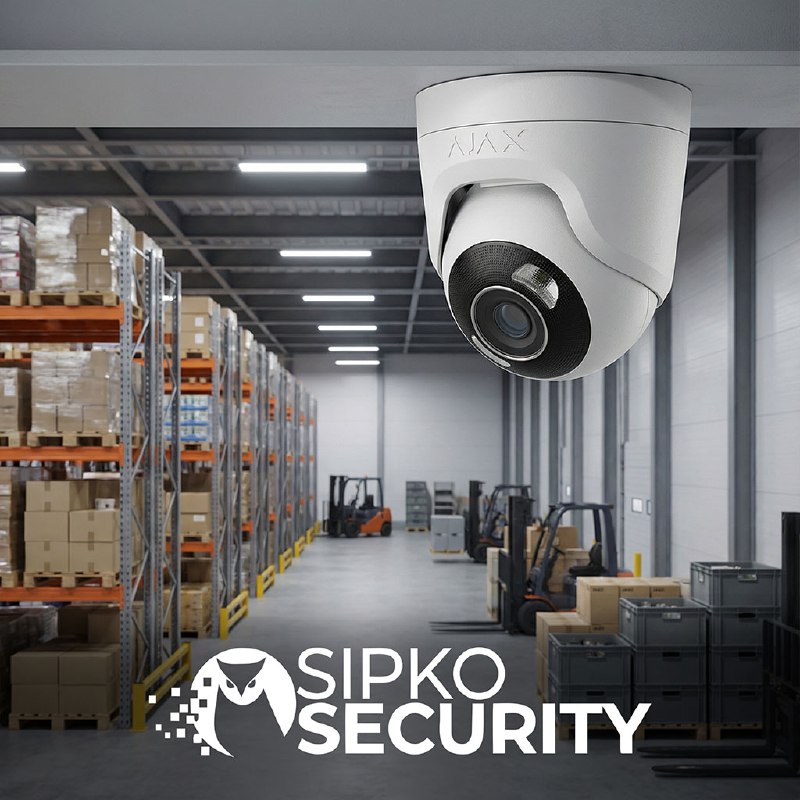
Fence lines, yards & vehicle approach
Perimeter coverage designed to detect approach early, reduce blind spots and improve after-hours deterrence.
Loading docks & roller doors
CCTV angles for dock handovers, vehicle identity and roller door entry so incidents and disputes can be reviewed quickly.
Racking aisles & high bays
Wide-angle and long-view planning to cover long aisles and high storage areas without “dead zones”.
Dispatch, returns & high-value stock
Clean footage for hands, cartons and movement where stock often goes missing: dispatch benches, cages and returns.
Restricted areas, office doors & staff entry
Controlled entry coverage and role-based access so managers see what they need without giving everyone full access.
After-hours escalation & monitoring readiness
Alarm integration and optional monitoring workflows so events trigger faster decisions, not slow investigations.
You get a practical plan, clean installation, and a system you can actually use. We handle design, installation, setup, and handover for security system installation across Melbourne. For a planning hub, see CCTV surveillance.
Layered Warehouse Security That Covers Every Weak Point
Most warehouse incidents happen at predictable points: yards, gates, loading bays, roller doors, and blind spots inside racking aisles. We build video surveillance, alarms, and access control as one connected system so you get prevention first, proof second, and faster response when it matters. If you’re comparing options, start with our CCTV surveillance hub.
Fence & yard security
Fence and gate detection paired with cameras so your perimeter is protected after-hours, weekends, and peak delivery times. For perimeter planning, see yard security.
Indoor cameras for aisles and stock
4K CCTV camera systems for detail, wide-angle and long-view aisle coverage, and event playback with clip export so you can act fast when something happens.
Door & roof alarms
Roller door and dock door sensors, after-hours arming profiles, plus roof hatch and restricted-area alarms to stop the fastest break-ins before they become losses. Learn more: Ajax alarm system installation.
App control, alerts & permissions
Secure mobile control: arm, disarm, view clips, and manage staff permissions so operations stay controlled and practical.
Warehouse Security Risk Audit: Where Loss Actually Happens
Most incidents happen in predictable places: loading docks, roller doors, side exits, yards, and internal blind spots near high-value stock. Our audit checks entry points, visibility gaps, and response readiness, then turns that into a practical installation plan.
Entry points and weak zones
We check gates, fence lines, roller doors, side exits and roof access where after-hours entry is most likely.
Blind spots and line of sight
We map visibility gaps around racking aisles, cages, dispatch benches, and dark approach routes.
Response readiness
We confirm what happens when something triggers: who gets alerts, what footage is available, and how fast you can act.
Practical next steps
You get a clear plan: camera zones, alarm sensors, lighting needs, and installation stages that reduce disruption.
Camera Coverage by Zone: Dock, Yard, Aisles, Dispatch, Office
We plan cameras based on how warehouses operate. Docks need clear identity capture, aisles need long-view coverage, dispatch needs hand and parcel visibility, and offices need controlled entry coverage. This is how you get footage that is useful, not just “recorded”.
Docks and vehicle approach
Angles for vehicle identity, driver interaction, and handover points so disputes can be resolved quickly.
Yard, gates and fence lines
Perimeter coverage designed for early detection and deterrence across large open areas.
Racking aisles and cages
Wide-angle and long-view coverage to reduce blind spots and improve aisle visibility.
Dispatch, returns and office entry
Clean footage for hands, cartons and movement where stock often goes missing, plus controlled entry coverage.
Loading Dock Security and Dispatch Proof
Docks are high-traffic and high-risk. We design CCTV angles for vehicle approach, pallet movement, and dispatch benches so you can review disputes, missing items, and after-hours entry with confidence.
Vehicle identity and approach
Coverage that shows who arrived, when they arrived, and where they entered the dock zone.
Pallet movement and handover proof
Angles that capture the handover point so missing items can be traced without guesswork.
Fast playback and clip export
Quick incident review workflows so operations can move on instead of losing hours hunting footage.
After-hours dock protection
Optional alarm pairing so dock events trigger alerts when the site is closed.
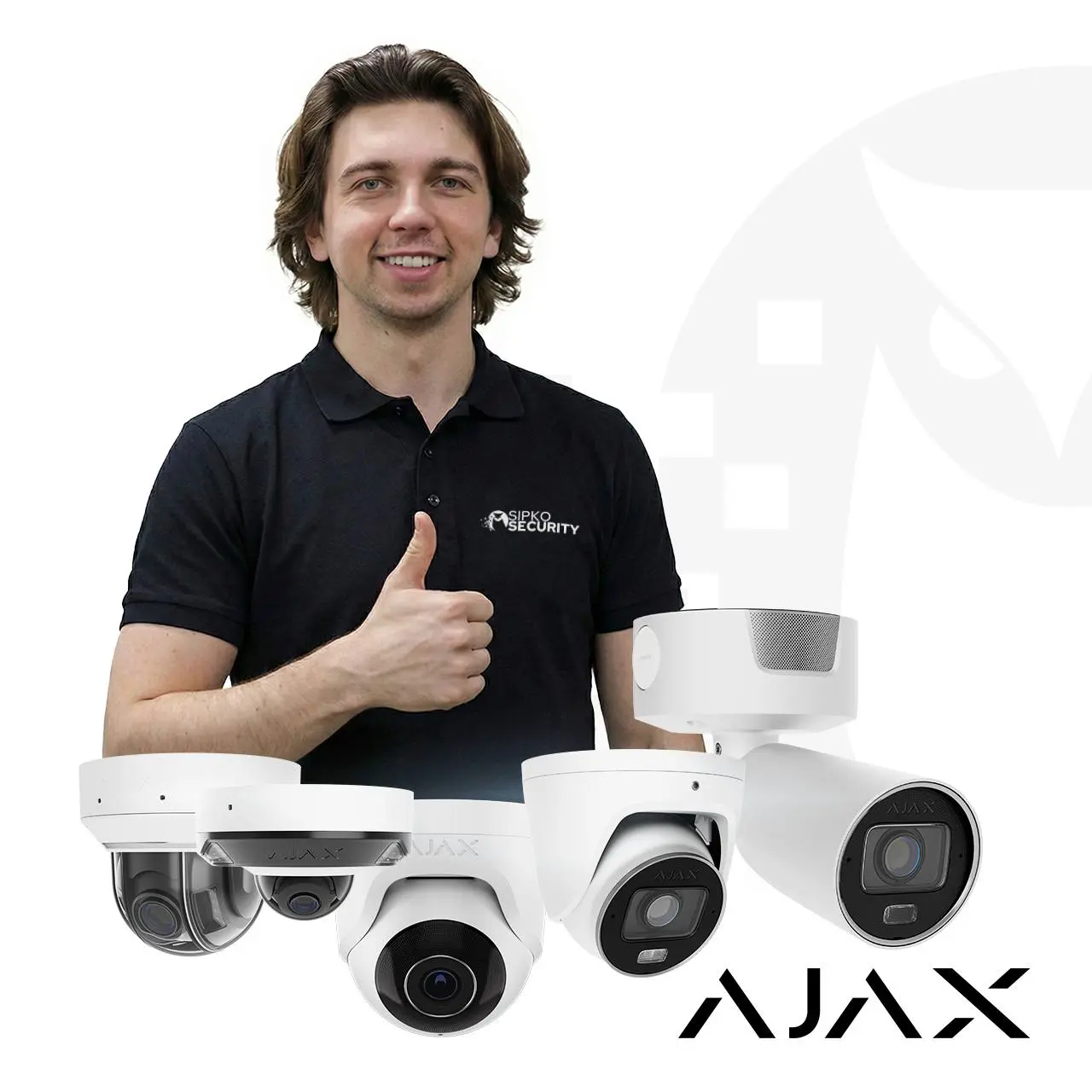
24/7 Melbourne Monitoring with Fast Escalation
When an alarm triggers, speed matters. Our 24/7 Melbourne monitoring helps reduce false alarms, confirms incidents faster, and supports reliable escalation. Pair monitoring with cameras so you get both alerts and visual context. For response-backed protection, see alarm monitoring and rapid response services.
Fast Response
Action starts as soon as an event triggers, so you’re not finding out hours later.
Reduced False Alarms
Verification steps before escalation so you get fewer noisy callouts and more actionable alerts.
Why This Setup Works
Alarms protect doors and restricted zones first, cameras capture the event and evidence immediately, and you receive alerts and video clips for faster decisions.
Access Control and Intercoms for Gates, Office Doors, and Staff Entry
Control who enters and when. Access control reduces key sharing, improves accountability, and supports safe entry management for contractors. Intercoms help verify deliveries and visitors before access is granted. This pairs well with CCTV because you can match entry events with footage quickly. If you want a modern, app-first platform with strong alerts, start with Ajax security systems in Melbourne.
Controlled entry permissions
Manage who can enter which areas and when, including contractor windows and restricted zones.
Delivery verification
Intercom workflows for gates and staff doors so deliveries can be verified before access is granted.
App control and audit-friendly access
Role-based access management so operations stay controlled and practical across shifts and multiple sites.
Works with alarms and monitoring
Access control pairs with CCTV review, and after-hours risk can be covered by alarm systems with optional monitoring.
Our Simple 8-Step Warehouse Security Plan
You get a practical plan, clean installation, and a system you can actually use. We handle design, installation, setup, and handover for security system installation across Melbourne. For installation standards, see professional CCTV installation in Melbourne.
Discover
Understand your site and risks so we can design a plan that matches how your warehouse actually operates.
Get a Free Site Chat →Site Walk
Check docks, doors, yard, and blind spots so coverage is planned around real entry points and loss zones.
Perimeter planning →Vulnerability Map
Identify likely entry points and loss zones so you’re not guessing where incidents originate.
CCTV planning hub →Coverage Plan
Camera angles, lighting needs, and zones planned for docks, aisles, dispatch, yards and office entry.
Install standards →Select Hardware
Best-fit cameras, alarms, recorder, and sensors chosen for your site reliability needs and evidence requirements.
Security system options →Configure System
App access, alerts, permissions, and schedules configured so operations stay controlled and practical.
Monitoring options →Install Cleanly
Neat cabling, stable mounting, and tested gear so your system performs reliably in a warehouse environment.
Book installation →Train and Handover
Playback, exports, arming, and support steps explained so you can use the system confidently from day one.
Get a clear quote →Security Lights and Deterrence That Support Cameras
Cameras are only as good as the environment. We recommend lighting and deterrence choices that improve image clarity and discourage prowlers, especially around yards, gates, and vehicle areas. For a complete planning approach, start with CCTV surveillance.
Improved identification at night
Better lighting improves face and vehicle detail at gates, doors, docks and yard approaches.
Stronger deterrence
Well-lit perimeter zones make warehouses less attractive targets after hours.
Fewer “add more cameras” mistakes
Fixing lighting often improves footage more than adding extra cameras to the same poor environment.
Cleaner alerts
Better visibility reduces false triggers and makes after-hours alerts more actionable.
Insurance-Friendly Systems, Installed the Right Way
Warehouses need security that holds up in the real world and on paper. We help you install systems that support common insurance expectations, reduce risk, and stay consistent with Victorian requirements for CCTV use and alarm installation.
Certified alarms and monitoring options
Systems designed to support response workflows and reduce after-hours risk.
Clear recordings and retention planning
Evidence-ready footage with realistic retention sized to your needs. For retention guidance, see CCTV storage explained.
Licensed installation practices and documentation
Clean installation and commissioning so systems don’t silently fail when you actually need evidence.
Lower risk exposure for assets and staff
Reduce inventory loss, break-ins, and blind spots with layered coverage and practical controls.
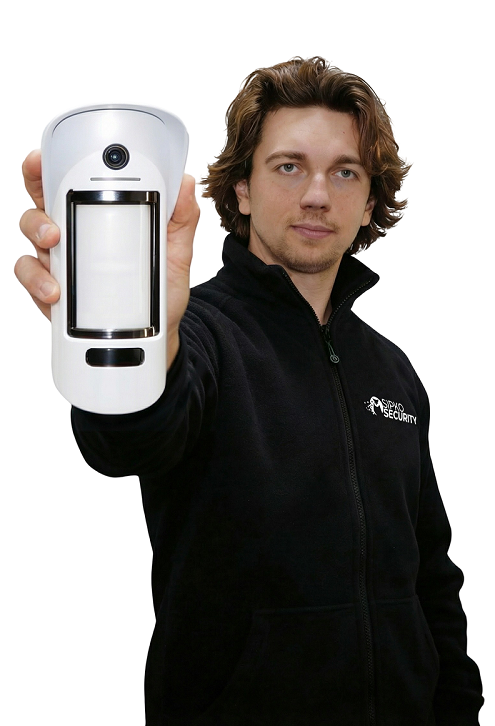
Alarm Systems and Monitoring Built for Warehouses
A warehouse alarm system should focus on doors, restricted zones, roof access, and after-hours movement. We configure arming schedules and escalation so you get a practical system that fits your operations. If you want response-backed options, see alarm monitoring and rapid response services.
Doors + After-Hours Basics
Best for small warehouses that want clean alerts for roller doors, staff doors and basic after-hours movement.
- Roller door and staff door sensors
- After-hours arming profiles
- App alerts and simple control
- Designed to pair with CCTV for visual context
Restricted Zones + Roof Access
Best for warehouses that need stronger coverage for restricted areas, roof access and higher-risk entry points.
- Door and dock door sensors + arming schedules
- Roof hatch and restricted-area alarms
- Faster escalation workflows for after-hours events
- Designed to pair with CCTV for verification and evidence
- Mobile control for managers and authorised staff
Response-Ready Layered Protection
Best for warehouses that want strong deterrence, monitoring readiness, and fast decision-making after hours.
- Doors + restricted zones + roof access coverage
- Escalation-ready configuration for after-hours movement
- Designed to pair with CCTV for alerts and visual context
- Optional 24/7 monitoring for response-backed protection
- Commissioned handover so it’s practical to use, not confusing
Tell us your warehouse type and the key areas you want covered (yard, gates, loading docks, roller doors, racking aisles, dispatch, office doors), and whether you want 24/7 monitoring. We’ll recommend a practical layout that fits your operations.
Servicing and Maintenance so Your System Keeps Working
Warehouses are dusty and harsh on equipment. We offer servicing that includes camera cleaning, recorder storage checks, firmware updates, and performance testing so your security camera systems keep delivering reliable footage.
Camera cleaning & clarity checks
Clean lenses and verify angles so aisle, dock and yard footage stays sharp and usable.
Recorder storage health checks
Recorder and HDD checks to prevent “missing footage” surprises and confirm retention planning.
Firmware updates & stability testing
Keep systems stable over time with updates and performance testing, especially after network changes.
Remote viewing fixes & access control
Restore app access, permissions and alert rules so managers can view and act without shared passwords.
System health checks for alarms
Verify door sensors, restricted zones and arming schedules so your alarm system stays reliable after hours.
Rapid support when something fails
Fast troubleshooting for dropouts, weak coverage, and changes in site layout that create new blind spots.
Many warehouse systems look fine until you need footage. Maintenance keeps retention, playback and exports reliable. For camera planning standards, see professional CCTV installation in Melbourne.
What Our Clients Say
Frequently Asked Questions — Melbourne Warehouse Security
Answers about warehouse security camera installation, monitoring, alarms, access control, retention, and servicing. For installation standards, see our professional CCTV installation in Melbourne page.
Often yes. We can assess what is reusable and upgrade what is holding you back.
It depends on layout, racking height, docks, and yard size. We design by zones, not guesses.
We use long-view placement, correct lens selection, and height planning to avoid blind spots.
Wireless can work in some areas, but warehouses usually need stable coverage. We recommend what fits your site reliability needs.
Yes. Dock coverage is one of the most important zones for theft prevention and incident review.
Yes. We offer monitored alarm options and escalation workflows suited for after-hours incidents.
Yes. You can control user access, permissions, and alerts through the app.
Yes. Door sensors are core to warehouse security, especially for docks and restricted doors.
We can protect roof hatches and other high-risk entry points with sensors and alerting.
Yes. Access control helps reduce unauthorised entry and simplifies staff and contractor management.
Most installs are staged to reduce disruption. Timing depends on site size and cabling complexity.
Yes. We can provide ongoing checks, cleaning, storage health checks, and rapid support.