TP-Link Tapo Wireless Cameras: Professional Installation and Configuration in Melbourne
TP-Link Tapo wireless cameras: overview and role in home security
At SIPKO Security, we specialise in professional TP-Link Tapo wireless camera installation for homes and small businesses across Melbourne. We design systems around the site layout, Wi-Fi coverage, and risk profile so Tapo cameras deliver stable, high-quality video without opening walls or running new data cabling.
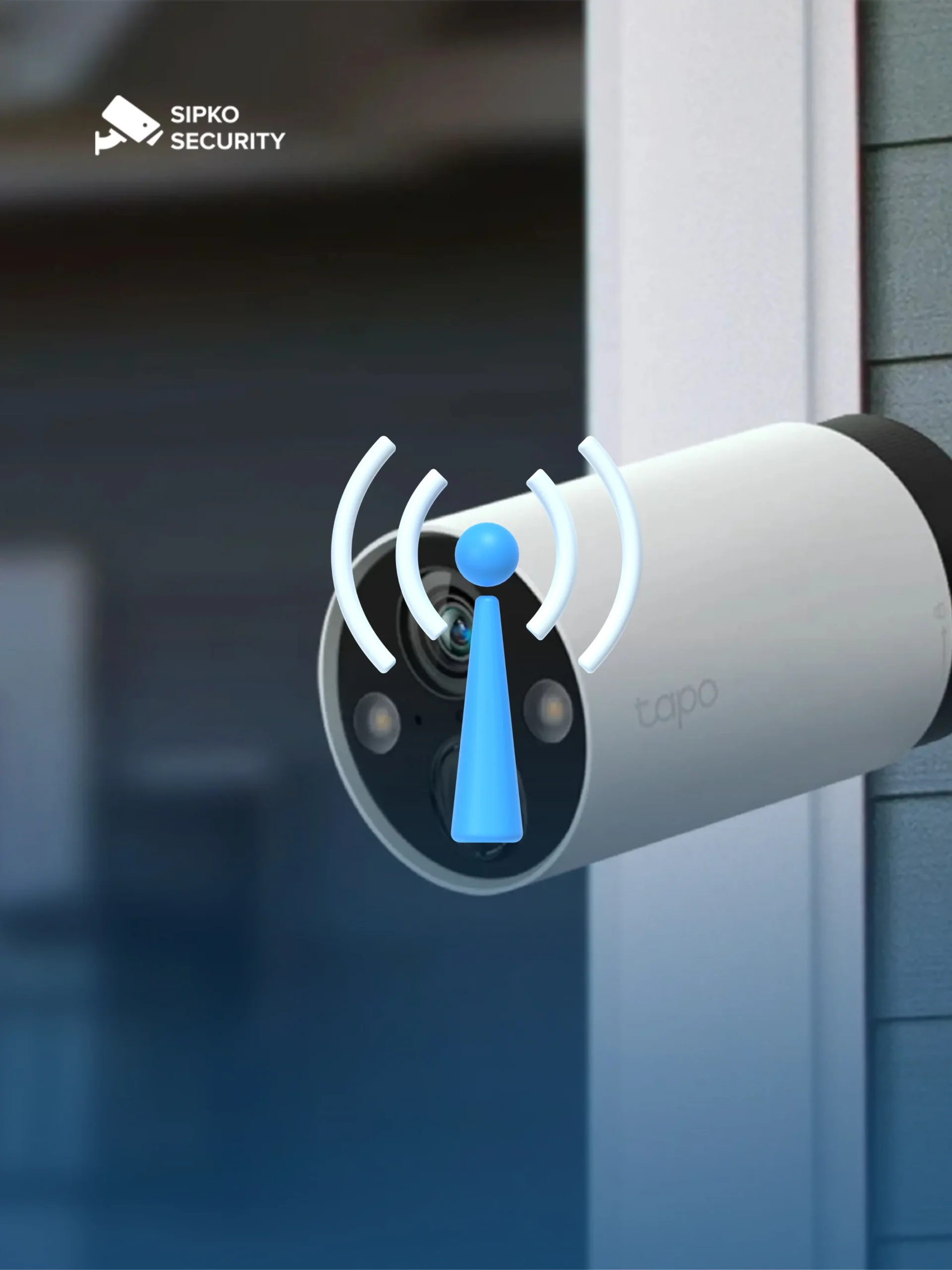
From an engineering perspective, Tapo sits between traditional wired CCTV and simple plug-in gadgets. Cameras join the existing 2.4 GHz Wi-Fi, stream live video to the Tapo app, and record to microSD or cloud storage. For many Melbourne properties where cabling is impractical, rented, or heritage-listed, this architecture offers better value than a full rewire and NVR deployment.
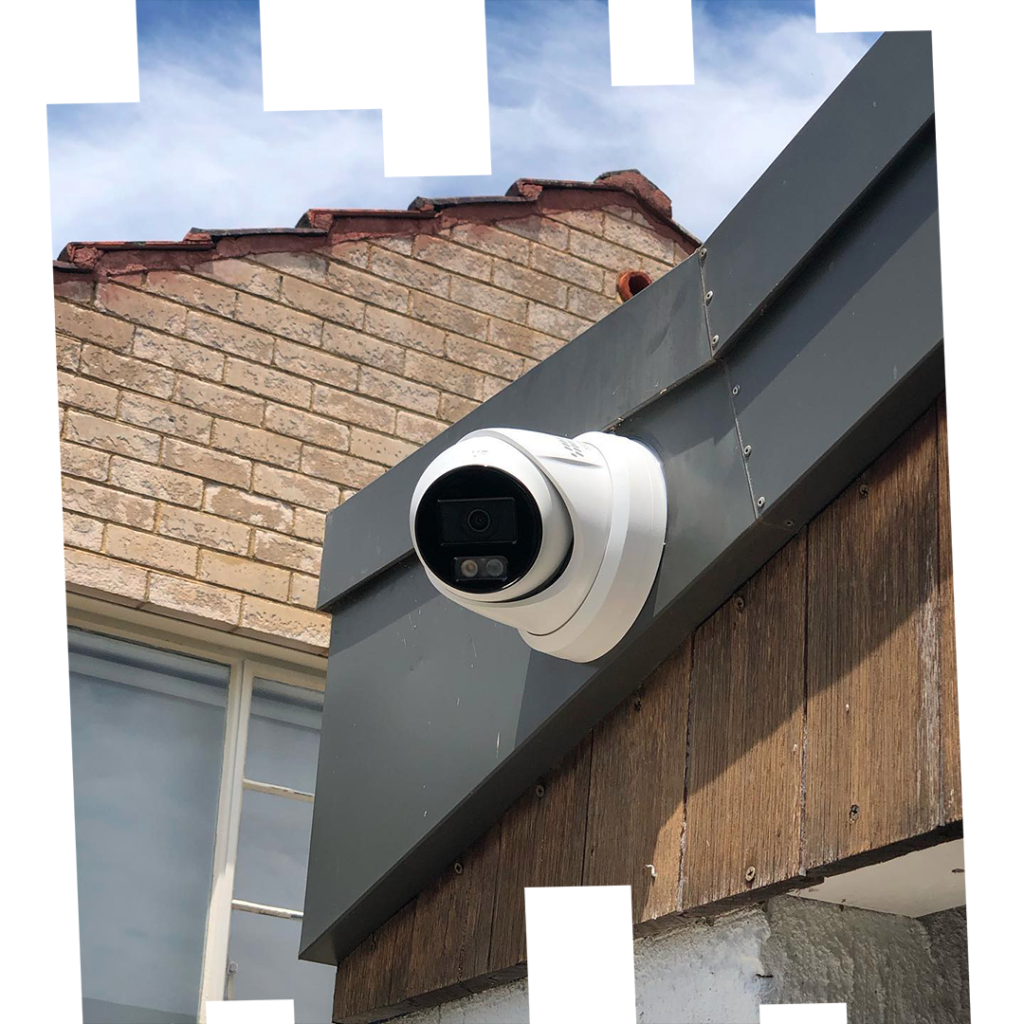
The Tapo ecosystem covers compact indoor cubes, pan-tilt units for open-plan areas, weather-resistant outdoor models, and video doorbells. We treat each device as part of a single system: field of view, mounting height, backlight, and radio signal are all checked on site so that cameras capture usable faces and events rather than just movement or glare.
In practice, Tapo is one layer in a broader security design. We integrate cameras with existing locks, lighting and, where required, wired CCTV so Melbourne clients get a coherent, risk-based plan instead of a collection of standalone gadgets.
A modern, integrated approach to wireless security gives the most reliable outcome for Melbourne properties: correctly specified Tapo cameras add a flexible, app-based layer of situational awareness, making it easier to verify events at doors, driveways and living spaces in real time and to support incident review when needed.
Schedule your free site visit now!
Call +61 406 432 691 or complete the form and we will contact you.
When wireless Tapo cameras make sense compared with wired CCTV
Tapo wireless cameras are most effective where convenience, minimal disruption, and smart-home integration matter. They can be deployed quickly and fine-tuned over time, which suits many completed or recently renovated Melbourne homes and apartments.
Typical situations where Tapo works well
- Finished homes: walls and ceilings are closed, so new cabling would mean cutting and patching plaster.
- Rental properties and apartments: tenants need better visibility at doors, car spaces, or balconies without altering the building fabric.
- Small offices and retail: two to four cameras cover entrances, counters, and storerooms while footage is stored in the cloud.
- Filling blind spots: an existing wired system is extended with wireless Tapo units at side gates or internal corridors.
Where wired CCTV is often a better option
- High-risk sites: premises that require continuous recording and resilient storage benefit from a dedicated NVR.
- Very long distances: large warehouses, farms, or industrial yards may exceed stable Wi-Fi range.
- Heavy interference: areas with many networks or metal structures can limit wireless performance.
- Strict compliance needs: some industries prefer fully local, cabled infrastructure for uptime and audit reasons.
For many Melbourne properties, the most balanced design combines a small number of carefully positioned Tapo cameras with other physical measures, giving meaningful visibility without a major construction project or long downtime.
Typical placement scenarios for TP-Link Tapo wireless cameras
Thoughtful positioning is what makes wireless Tapo cameras useful. The cards below show the most common locations in Melbourne homes and how each contributes to overall coverage without intruding on privacy.
A Tapo outdoor camera or video doorbell just above head height captures visitors, deliveries and attempted entry. Angling the unit toward the approach path, rather than straight at the street, improves identification and reduces constant triggers from passing traffic.
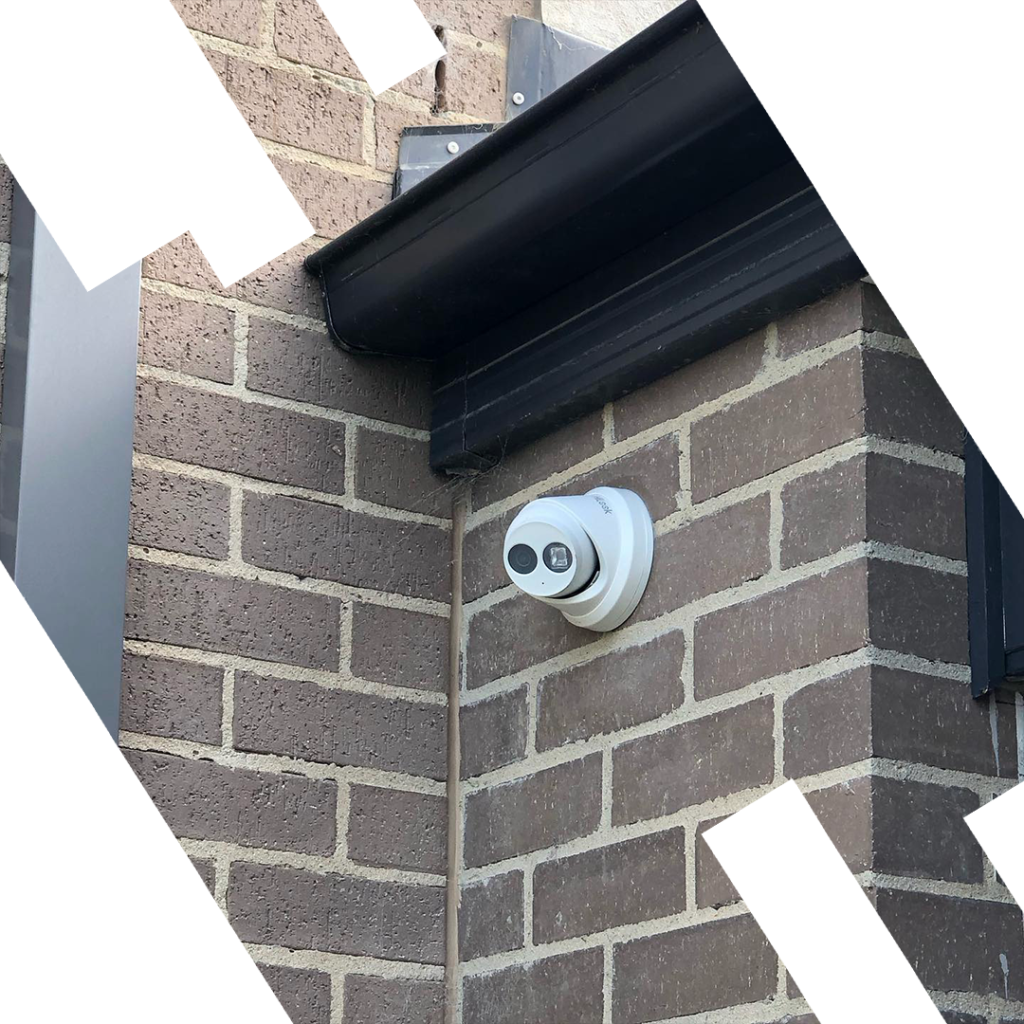
A camera under the eaves or on the garage fascia gives a broad view of the driveway, parked cars and street approach. A slightly elevated angle captures faces as people walk toward the property, not just roofs and bonnets.
Narrow side paths and gates are common entry routes in Melbourne suburbs. A compact Tapo camera mounted high enough to discourage tampering can watch movement from front yard to rear, giving early warning of someone approaching out of sight of the street.
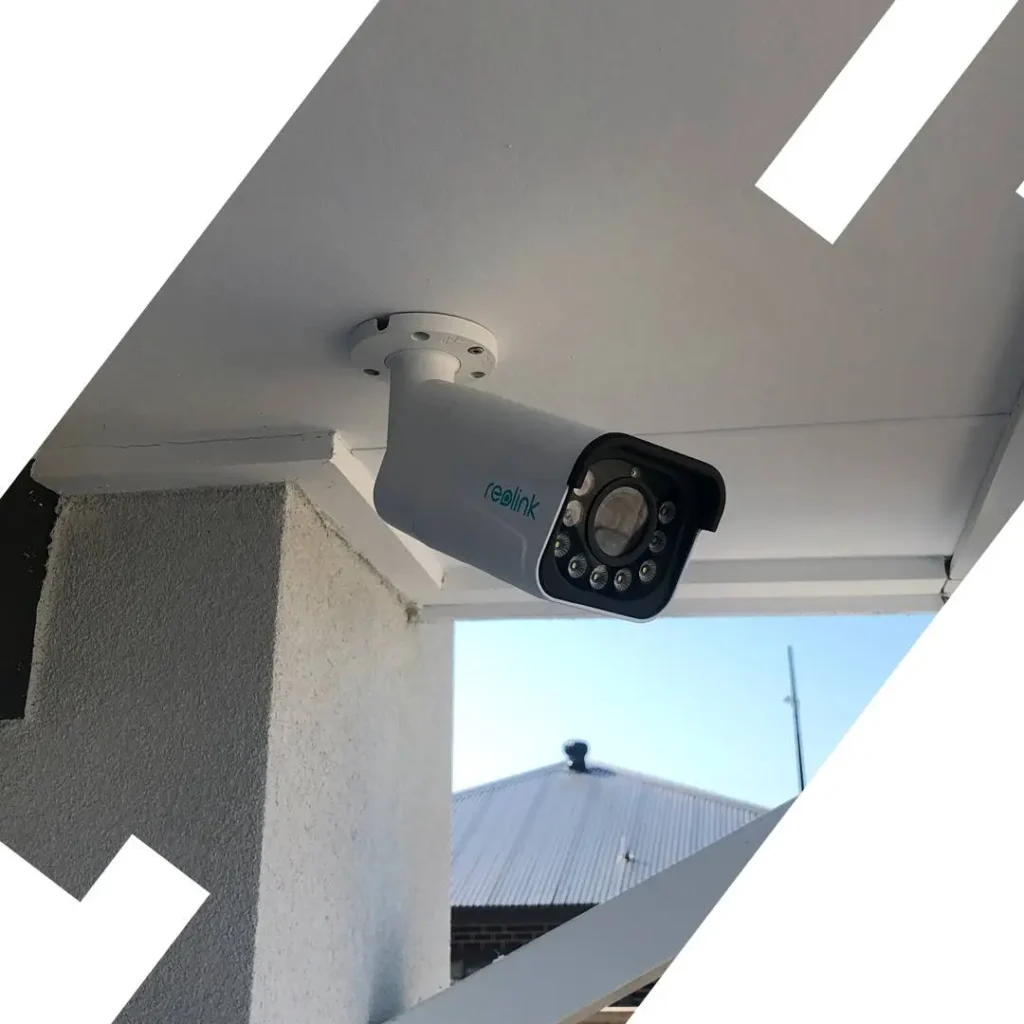
Weather-resistant models placed under cover can oversee decks, sliding doors and rear windows. Avoiding direct sun into the lens and keeping plants trimmed helps maintain clean images and fewer false alerts.
Indoor cameras usually watch hallways, staircases or open-plan living rooms rather than bedrooms. The aim is to see movement through the home, especially when it is unoccupied, while respecting everyday family privacy.
During renovations, short-term rentals or deliveries, wireless Tapo units can be moved to focus on a specific area. Once the project is finished, the same cameras return to their long-term positions without new wiring.
Network, storage, and smart features of Tapo wireless systems
Tapo cameras share the home network with phones and laptops, so Wi-Fi quality, router security and storage policy directly determine how trustworthy the system is.
Wi-Fi health and network security
Most Tapo models use the 2.4 GHz band, which penetrates brick but is busy in built-up parts of Melbourne. A central router location, current firmware and unique strong passwords remove many drop-outs and login issues.
For higher security, cameras can sit on a separate SSID or VLAN. If a device is compromised, it sees only the camera network, not workstations or personal data.
Recording options and smart functions
Tapo supports microSD cards, cloud storage or both. Cards record continuously or on motion without internet; cloud copies preserve key clips if a camera is stolen or damaged.
- Motion / person detection to filter trees, pets and headlights.
- Notification schedules aligned with work hours and sleep routines.
- Two-way audio for short conversations at the door or in shared areas.
- Automation hooks to trigger compatible lighting and scenes on activity.
Clear camera names, correct time settings and periodic spot-checks ensure that stored clips are easy to read when an incident needs to be analysed.
In a well-designed Melbourne setup, network hygiene and storage strategy are specified alongside camera placement. This is what lets Tapo systems produce stable, evidential footage instead of occasional live views.
Limitations, maintenance, and how Tapo fits into a broader security plan

Wireless systems have natural limits. Tapo cameras depend on local power, so a general outage usually stops recording unless there is a backup supply. They share bandwidth with other devices on the same network, which can lead to congestion in busy households streaming 4K video, gaming online, and syncing large files.
- Battery-powered models need a simple routine for charging or swapping batteries before they run flat.
- Outdoor cameras benefit from occasional cleaning to remove dust, cobwebs, and water spots from the lens.
- Regular test clips confirm that motion detection, notifications, and time settings are still aligned with reality.
- Firmware updates reduce vulnerabilities and improve compatibility with the latest phones and routers.
In Melbourne, many sites use Tapo cameras alongside other controls such as secure locks, exterior lighting, and, where necessary, more robust wired CCTV. Each layer addresses a different part of the risk picture and no single device is expected to do everything.
Used with realistic expectations, TP-Link Tapo wireless cameras give clear, app-based visibility over key areas of a Melbourne property without major construction work. They are most effective as a flexible layer in a broader security plan, providing timely information about what is happening around doors, driveways, and living spaces so that owners can respond in an informed and measured way.
- Finished or recently renovated homes where new data runs would be invasive.
- Rental properties and apartments needing better coverage at doors, garages or balconies.
- Small offices or studios that require a few views of entries, reception and storage areas.
- Photos of front door, driveway, side access and key indoor areas.
- Wi-Fi details (router location, SSID, password) and preferred camera names.
- Any strata, heritage or tenancy notes that may affect fixing points or camera angles.